Industrial Burner Maintenance & Service: Complete Technical Guide for Global Operations
Industrial burners represent critical components in heating systems across manufacturing, chemical processing, food production, and energy generation facilities worldwide. Proper maintenance and service protocols directly impact operational efficiency, safety compliance, and equipment lifespan. This comprehensive guide addresses the technical foundations of burner maintenance, diagnostic methodologies, and practical service strategies applicable to global industrial operations. Whether managing single-burner installations or complex multi-unit systems, maintenance teams and service engineers require detailed understanding of burner architecture, performance monitoring, component wear patterns, and condition-based maintenance scheduling to optimize both reliability and cost-effectiveness.
Understanding Industrial Burner Architecture and Maintenance Requirements
Industrial burners function through integrated systems combining fuel delivery, air management, ignition control, and combustion monitoring. Each subsystem demands specialized maintenance attention. The combustion head represents the burner's functional core, where fuel and air mixture ignites and burns. Proper combustion head maintenance ensures efficient fuel consumption, stable flame characteristics, and minimal emissions. Die-cast aluminum combustion heads, common in modern industrial burners, require periodic cleaning to remove carbon deposits and fuel residue that accumulate during normal operation.
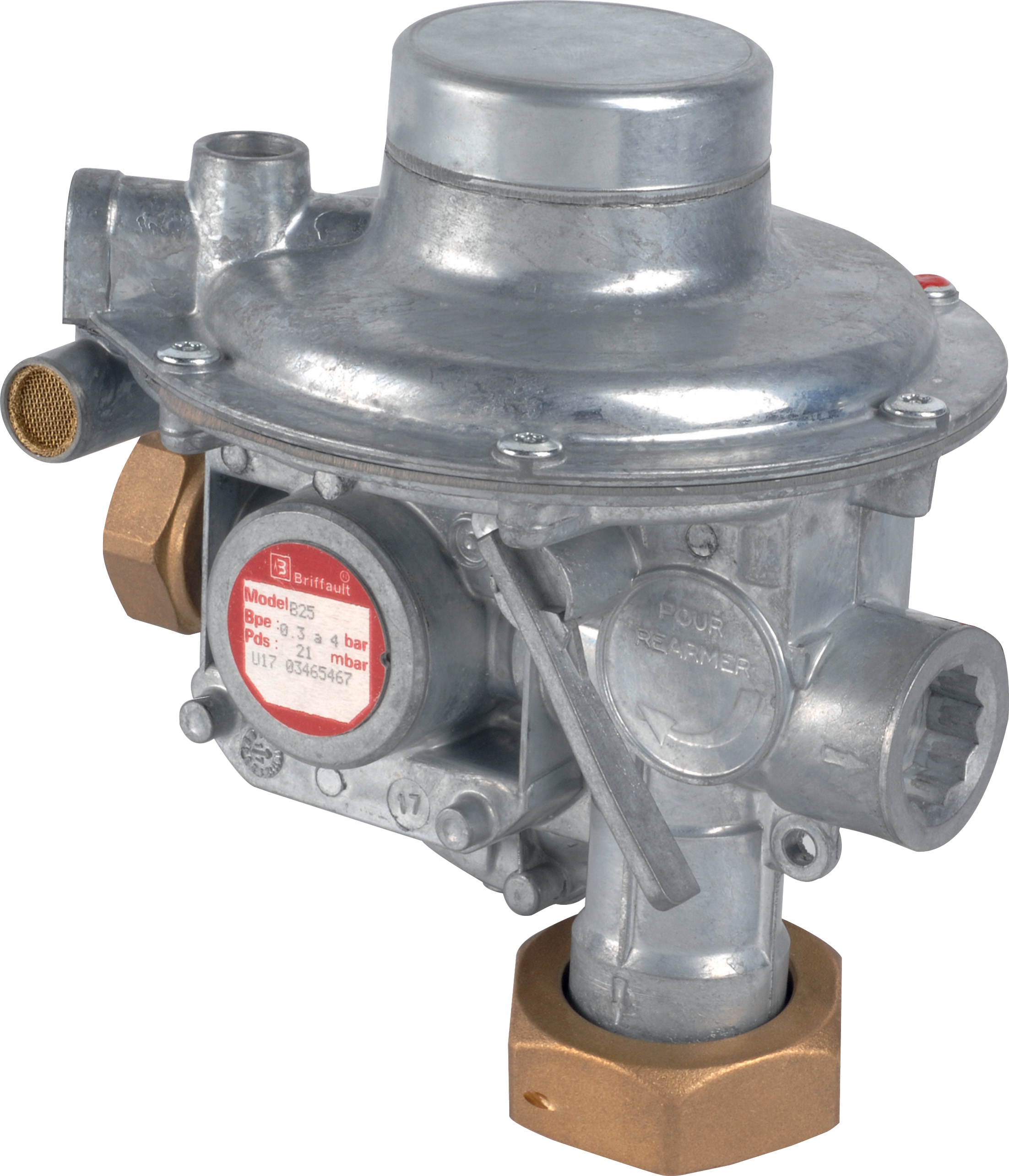
The fan and pressurization system delivers controlled airflow essential for complete fuel combustion. Maintenance of this subsystem includes bearing lubrication, impeller blade inspection, and motor electrical verification. Contaminated or degraded fan performance directly reduces combustion efficiency and increases fuel consumption—making fan maintenance a high-impact maintenance category. Gas train components, including regulators, solenoid valves, and safety shutoffs, require functional testing and calibration according to manufacturer specifications and local regulatory standards.
Environmental factors significantly influence maintenance frequency and methodology. Tropical climates, common across Asia-Pacific industrial regions, accelerate corrosion and moisture-related degradation. Salt-air environments near coastal facilities demand enhanced protective coating maintenance and corrosion prevention protocols. Dusty or chemically contaminated atmospheres require more frequent filter changes and combustion chamber cleaning. Understanding these environmental variables enables maintenance teams to develop location-specific service schedules that extend equipment life while maintaining operational safety.
Preventive maintenance scheduling represents the most cost-effective approach to burner system reliability. Establishing baseline performance metrics through initial commissioning allows predictive maintenance strategies based on performance trending rather than reactive repair cycles. Regular documentation of combustion parameters, fuel pressure readings, air supply conditions, and operational hours enables early detection of degradation trends before critical failures occur.
Technical Specifications and Component Diagnostics for Modern Industrial Burners
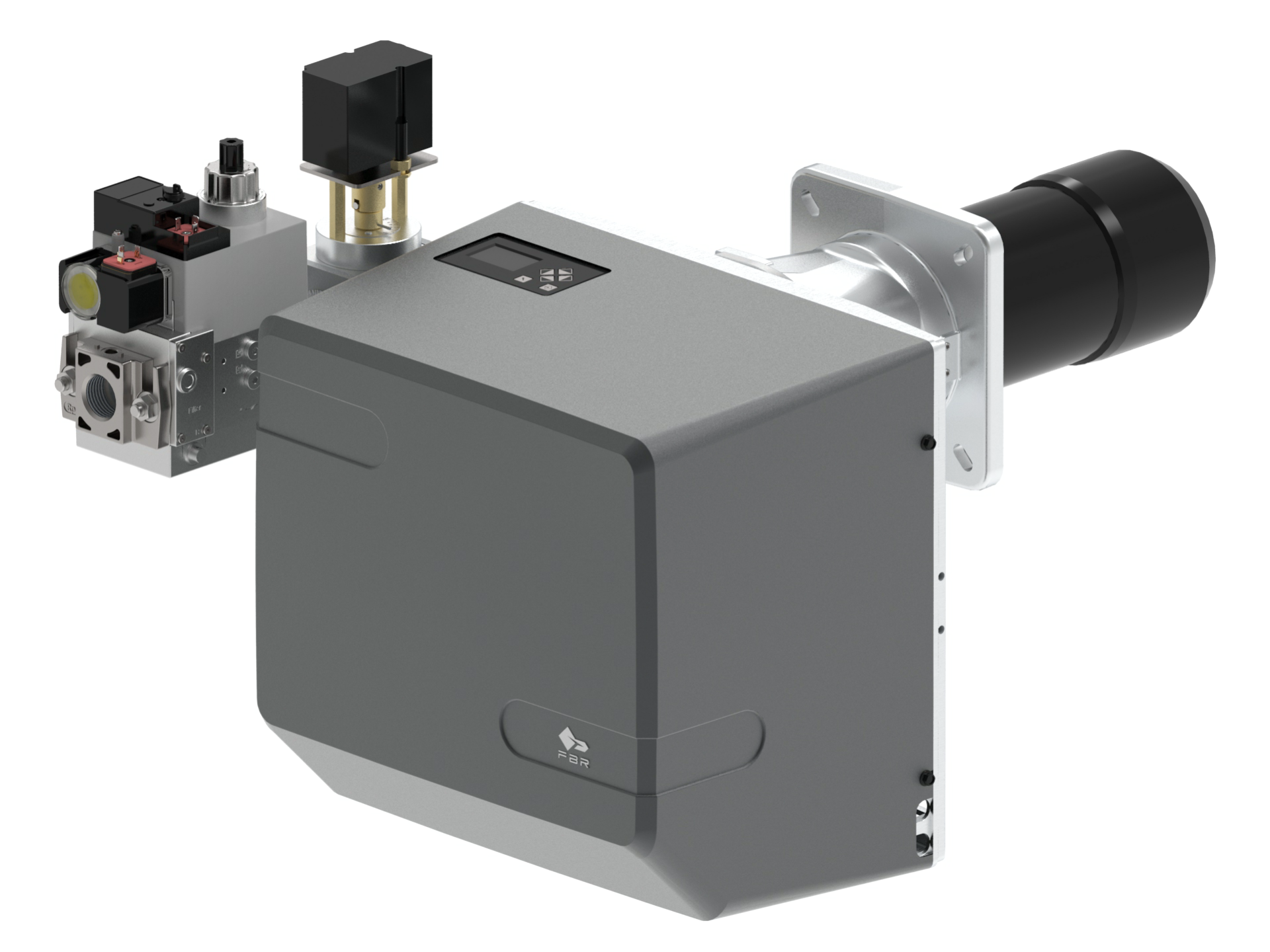
The FBR BURNER GAS X5/MF TL EL VC LPG exemplifies modern modulating gas burner design engineered for flexibility across diverse fuel categories and operational modes. This burner delivers maximum power output of 349 kW with modulation capability down to 69.8 kW minimum, enabling precise thermal load matching across varying facility demands. The die-cast aluminum body provides structural integrity while the high-pressurization fan delivers consistent air supply across the complete power modulation range.
Key technical specifications guide maintenance decision-making and diagnostic protocols. The FBR burner's 370W fan motor and IP 40 electrical protection rating establish baseline performance expectations and environmental compatibility parameters. Fuel compatibility across eight gas categories—from I2R through I3P classifications—enables global deployment flexibility, though maintenance procedures must account for fuel-specific requirements. Minimum gas train pressure specifications (27/33 mbar for natural gas and LPG respectively) establish diagnostic thresholds for pressure regulation assessment.
Complementary hydraulic and measurement systems enhance burner performance monitoring and maintenance effectiveness. Industrial pump systems, such as the Interpump PUMP E3B2515I R, deliver precise pressure control in fuel supply chains. These pumps operate at 250 bar pressure with 15 L/min flow capacity, generating consistent fuel delivery essential for stable burner performance. When integrated with burner systems, pump condition directly impacts combustion efficiency—degraded pump performance manifests as pressure fluctuations, flame instability, and increased fuel consumption.
Pressure measurement accuracy proves essential for burner diagnostics and system optimization. The CBM Glycerin Stainless Steel Pressure Gauge provides reliable 0/+4 bar measurement capability with glycerin dampening to stabilize needle response in systems experiencing pressure pulsation. Pressure gauge maintenance includes periodic verification against calibrated standards and replacement when gauge accuracy degrades beyond acceptable tolerances (typically ±2% of full scale).
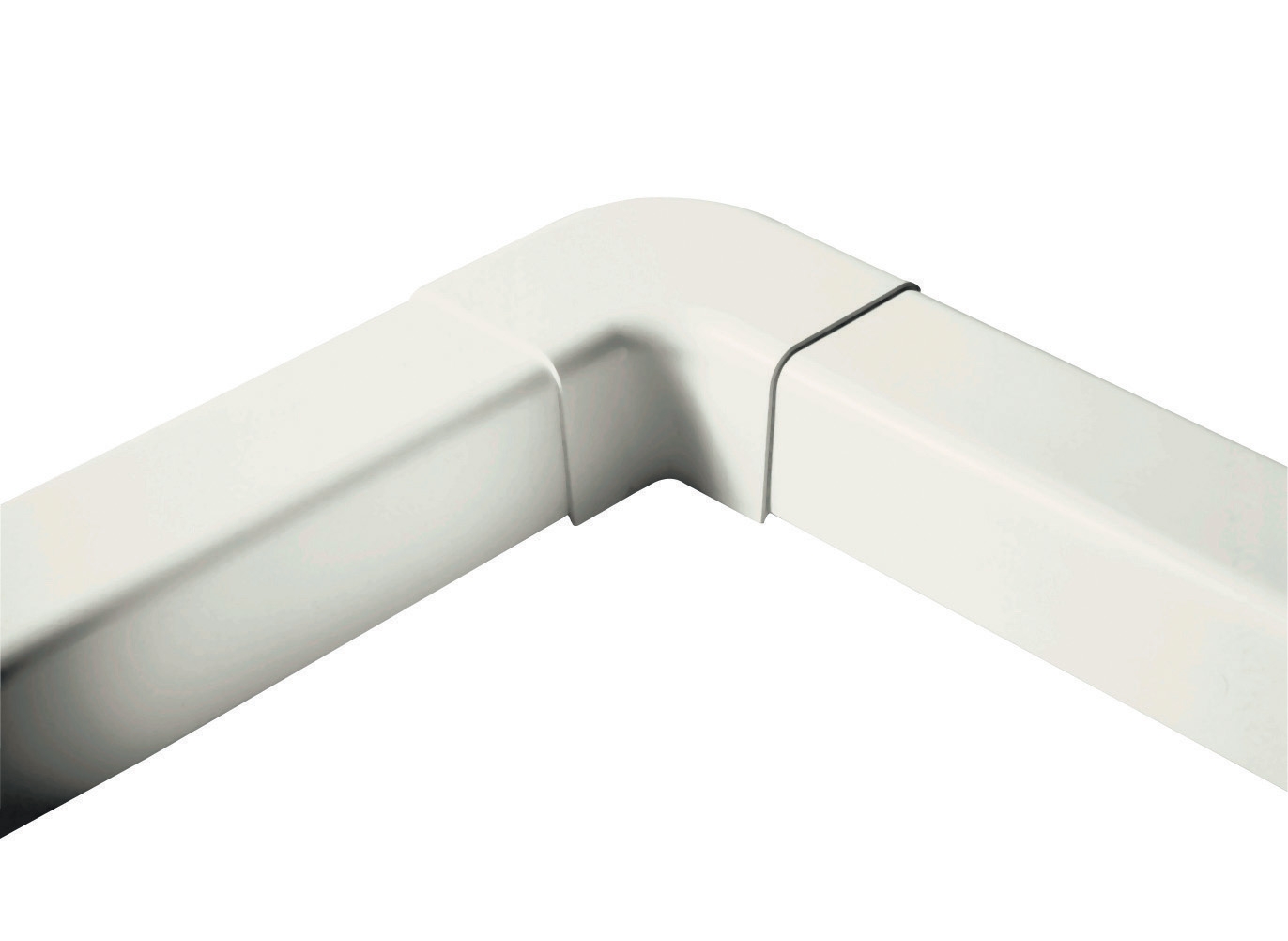
Piping and connection integrity directly influences burner system reliability. The CBM Flat Elbow 90° 60mm represents the type of precision connector components requiring periodic inspection for leakage, corrosion, and connection integrity. Vibration during burner operation can gradually loosen threaded connections—requiring periodic torque verification and connection re-seating to prevent fuel leakage and maintain system pressure integrity.
Real-World Application Examples: Maintenance Scenarios Across Industrial Settings
Manufacturing facilities utilizing large-scale burners for process heating face distinct maintenance challenges driven by continuous or semi-continuous operation. A chemical processing facility operating a 200+ kW modulating burner system experiences significant daily thermal cycling, expanding and contracting combustion chamber ceramics and metal components. Preventive maintenance protocols for this scenario include quarterly combustion head inspection and cleaning, monthly fuel pressure trending, and semi-annual burner retuning to account for component wear affecting combustion efficiency.
Food production operations with intermittent burner usage patterns require different maintenance emphasis. Facilities operating burners 4-8 hours daily experience moisture accumulation during idle periods—making moisture management and corrosion prevention critical maintenance elements. Pre-seasonal maintenance protocols in these environments include complete system purging, electrical connection verification, and safetyShutoff testing before production resumption.
Coastal industrial facilities in Southeast Asia managing burner systems in salt-air environments face accelerated corrosion requiring protective maintenance strategies. Aluminum combustion head components degrade more rapidly in these conditions, necessitating enhanced protective coating reapplication and more frequent functional inspections. Maintenance records from comparable facilities document 30-40% reduction in component life when corrosion prevention maintenance proves inadequate—justifying investment in protective protocols.
Energy generation facilities and district heating systems operating industrial-scale burner arrays benefit from comprehensive performance monitoring systems. Integration of measurement tools enables trending of combustion efficiency, fuel consumption per unit heat output, and early detection of performance degradation. Facilities implementing systematic performance trending typically achieve 15-20% improvement in fuel efficiency through progressive burner tuning and component optimization informed by measurement data.
Maintenance Best Practices and Selection Criteria for Burner Service Programs
Establishing effective burner maintenance programs begins with thorough baseline documentation during initial commissioning. Record combustion parameters including flame color and stability, air supply pressure, fuel pressure at design load, electrical control system performance, and safety system response. These baseline metrics enable diagnostic comparison during maintenance intervals, identifying performance changes that indicate developing issues requiring attention.
Preventive maintenance scheduling should align with manufacturer recommendations, local regulatory requirements, and facility-specific operational patterns. Minimum maintenance intervals typically include annual comprehensive burner inspection, quarterly performance verification, and monthly safety system testing. Facilities operating in challenging environmental conditions or at continuous high-load operation may benefit from more frequent intervals. Conversely, facilities with episodic low-load operation may extend intervals while intensifying specific maintenance elements addressing idle-period degradation.
Selection of maintenance service providers should prioritize technical expertise in specific burner types and fuel categories represented in facility installations. Technicians require certification demonstrating competency in combustion diagnostics, electrical control system troubleshooting, and safety system verification. Documentation of all maintenance activities—including work performed, components replaced, performance measurements, and observations—creates institutional knowledge supporting long-term reliability optimization.
Integration of complementary measurement and diagnostic tools enhances maintenance program effectiveness. Pressure gauges, thermocouples, and multimeters enable systematic performance verification without requiring burner shutdown. Thermal imaging cameras identify insulation degradation and heat distribution anomalies. Combustion analyzers measure oxygen content, CO levels, and combustion efficiency—directly informing tuning decisions that optimize fuel consumption.
Establishing Measurement Systems and Diagnostic Protocols
Comprehensive burner maintenance requires systematic measurement capability addressing pressure, temperature, and electrical parameters. The CBM Type K Thermocouple enables accurate flame temperature and combustion zone monitoring, supporting combustion efficiency verification and early detection of combustion anomalies. The CBM Automatic Multimeter MM420 provides electrical circuit verification, enabling safety system testing and control signal validation without requiring specialized burner diagnostic equipment.
Diagnostic protocols should follow systematic sequences identifying root causes of performance issues rather than addressing symptoms. When flame instability occurs, systematic diagnostics progress from fuel pressure verification, through air supply assessment, to combustion head inspection—each step eliminating potential causes and progressively narrowing the field of investigation. This methodical approach prevents unnecessary component replacement and identifies underlying issues requiring correction.
Documentation systems capturing maintenance history, performance metrics, and component replacement data create institutional knowledge supporting predictive maintenance strategies. Facilities maintaining comprehensive records identify component wear patterns specific to their operational environment and burner configuration—enabling proactive replacement before failures occur. Digital maintenance management systems enable performance trending and predictive analytics identifying optimal replacement intervals based on facility-specific data.
Contact 3G Electric to discuss customized burner maintenance programs, equipment procurement, and diagnostic service support for your industrial facilities. Our technical team provides specification review, commissioning support, and ongoing service partnerships ensuring optimal burner system performance across global operations. Whether managing single installations or complex multi-facility systems, we deliver the expertise and equipment required for reliable, efficient industrial heating operations.