Burner Controls & Flame Detection Systems in Singapore: A Technical Comparison for Industrial Applications
Industrial combustion systems require sophisticated control and safety mechanisms to operate reliably and comply with regulatory standards across Singapore's manufacturing, HVAC, and process heating sectors. Burner controls and flame detection systems are the backbone of safe, efficient burner operation, managing ignition sequences, modulation, and critical flame-out protection. This article examines the technical differences between automatic control relays, flame detection sensors, and integrated safety bases, helping industrial professionals select the right components for their specific application requirements.
Understanding Burner Control System Architecture
Modern burner control systems operate on a multi-stage logic sequence: fuel valve control, ignition management, flame detection, and safety lockout. The control relay is the intelligent center of this ecosystem, receiving inputs from thermostats, pressure sensors, and flame detectors, then executing outputs to motors, solenoid valves, and ignition transformers.
In Singapore's tropical industrial environment, control systems must account for high ambient temperatures, humidity, and dust ingress. Most modern relays employ non-volatile memory for lockout conditions, meaning a burner cannot restart after a flame failure without manual reset—a critical safety feature in unattended installations. The choice between atmospheric burner controls and forced-draught systems depends on your application; forced-draught burners require different relay logic because they operate under positive pressure with fan-assisted combustion.
Flame detection itself comes in two primary technologies: photoresistive (cadmium-sulfide) sensors and infrared detectors. Photoresistive cells are cost-effective and proven in oil burner applications but degrade over time and require amplification circuits. Infrared detectors (particularly blue-flame detection types) offer superior reliability, immunity to ambient light, and longer service life. The selection between these technologies impacts not only initial cost but also maintenance schedules and downtime risk.
Control system design must also consider fuel type (natural gas, LPG, oil, or biomass), burner size (kW rating), and operational mode (intermittent or non-permanent). A system rated for small atmospheric gas burners cannot safely control a large forced-draught oil burner; oversizing or undersizing creates liability and performance issues.
Comparing Automatic Control Relay Technologies and Safety Systems
The CBM Relay SM 592.2 represents the EUROBOX series design philosophy: automatic gas burner control for atmospheric and fan-assisted burners in intermittent operation mode. This relay family incorporates electronic sequencing with non-volatile lockout, meaning flame failure triggers an automatic safety shutdown that requires manual intervention to reset. The SM 592.2 is designed for burners operating without permanent supervision, making it ideal for boiler applications, warm air generators, and similar industrial heating equipment throughout Singapore.
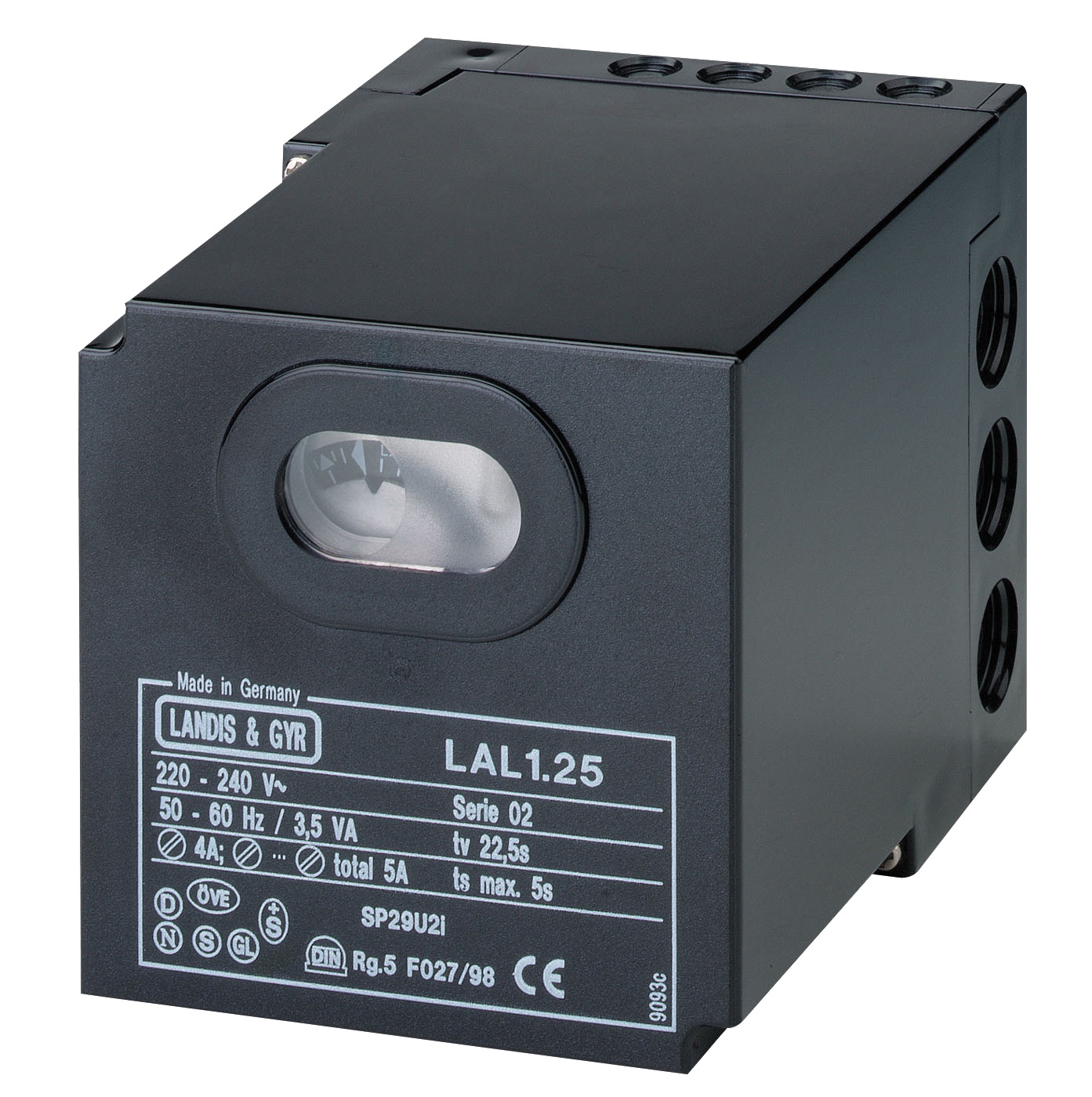
In contrast, the CBM Relay LAL 2.14 specializes in oil burner safety control, providing automatic shutoff, air pressure monitoring, and modulated air damper control. This relay works in conjunction with flame detection sensors—either photometric cells (using resistance change) or blue-flame sensors (using ionization). The LAL 2.14 includes integrated air pressure switch functionality, eliminating the need for separate pressure sensing equipment and reducing overall system complexity.
For larger, more complex installations, the base-and-relay architecture provides flexibility. The CBM Base for GE 733 serves as a mounting and terminal interface for compatible relay modules, allowing technicians to swap control logic without rewiring the burner fuel train. This modular approach reduces commissioning time and enables straightforward system upgrades when operational requirements change.
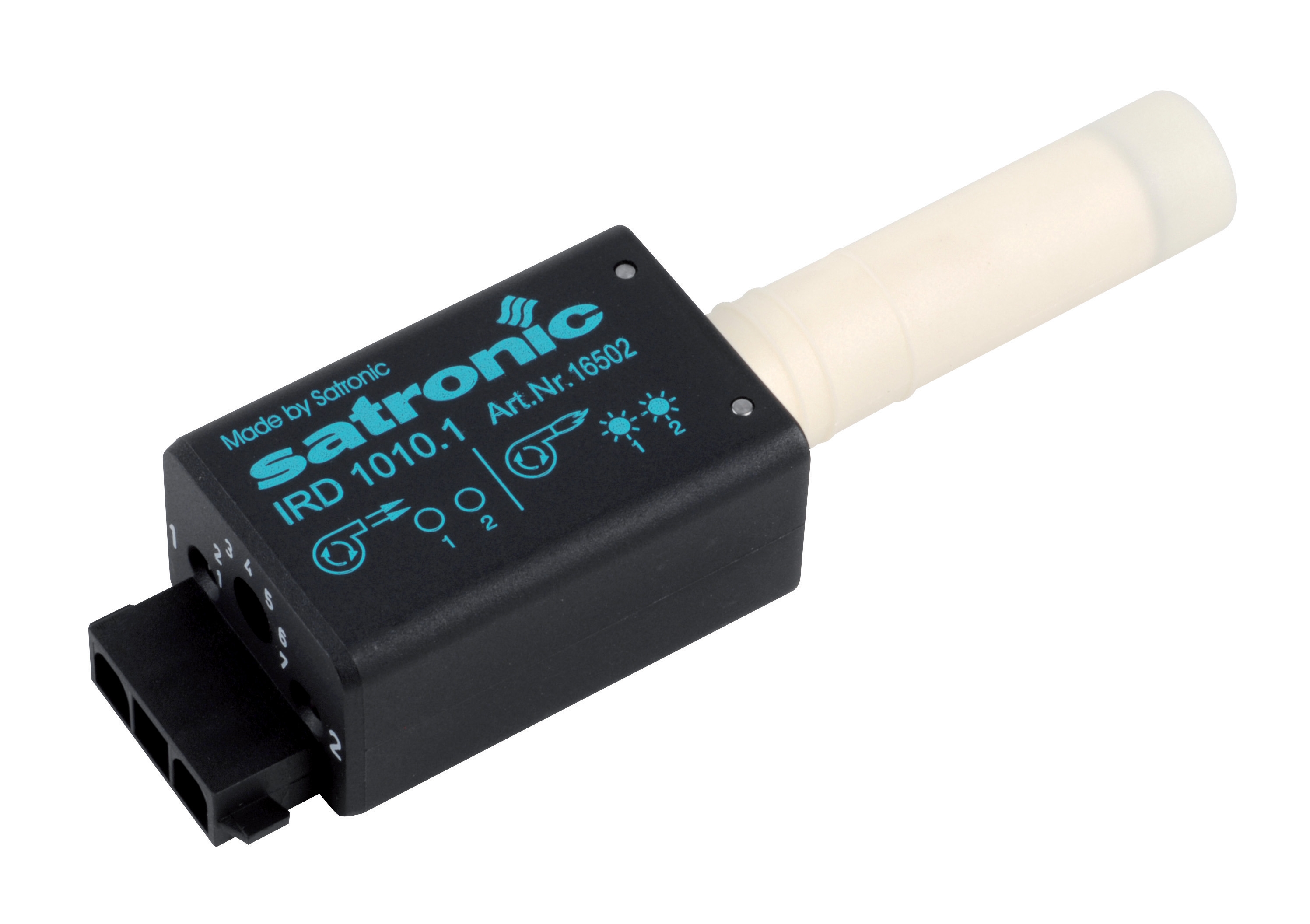
Flame detection in this ecosystem plays an equal role to the relay itself. The CBM IRD 1010 blue cell is an infrared detector designed specifically for fuel burners, detecting both blue (complete combustion) and yellow (incomplete combustion) flames. Unlike photoresistive cells that rely on light intensity, the IRD 1010 detects infrared radiation in a specific wavelength band, making it immune to stray visible light from arc welding, sunlight, or facility lighting. This immunity to ambient light interference is critical in shared industrial spaces where multiple processes operate simultaneously.
Technical comparison: photoresistive sensors (older technology) require regular cleaning and replacement every 12-24 months because carbon deposits and thermal stress degrade the cadmium-sulfide element. Infrared detectors tolerate higher temperatures, accumulate less contamination, and typically maintain reliability for 5+ years. In Singapore's high-temperature industrial facilities, this extended service interval translates to lower maintenance costs and reduced production interruptions.
Real-World Application Examples in Singapore Industrial Settings
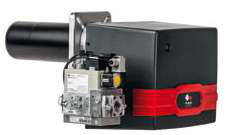
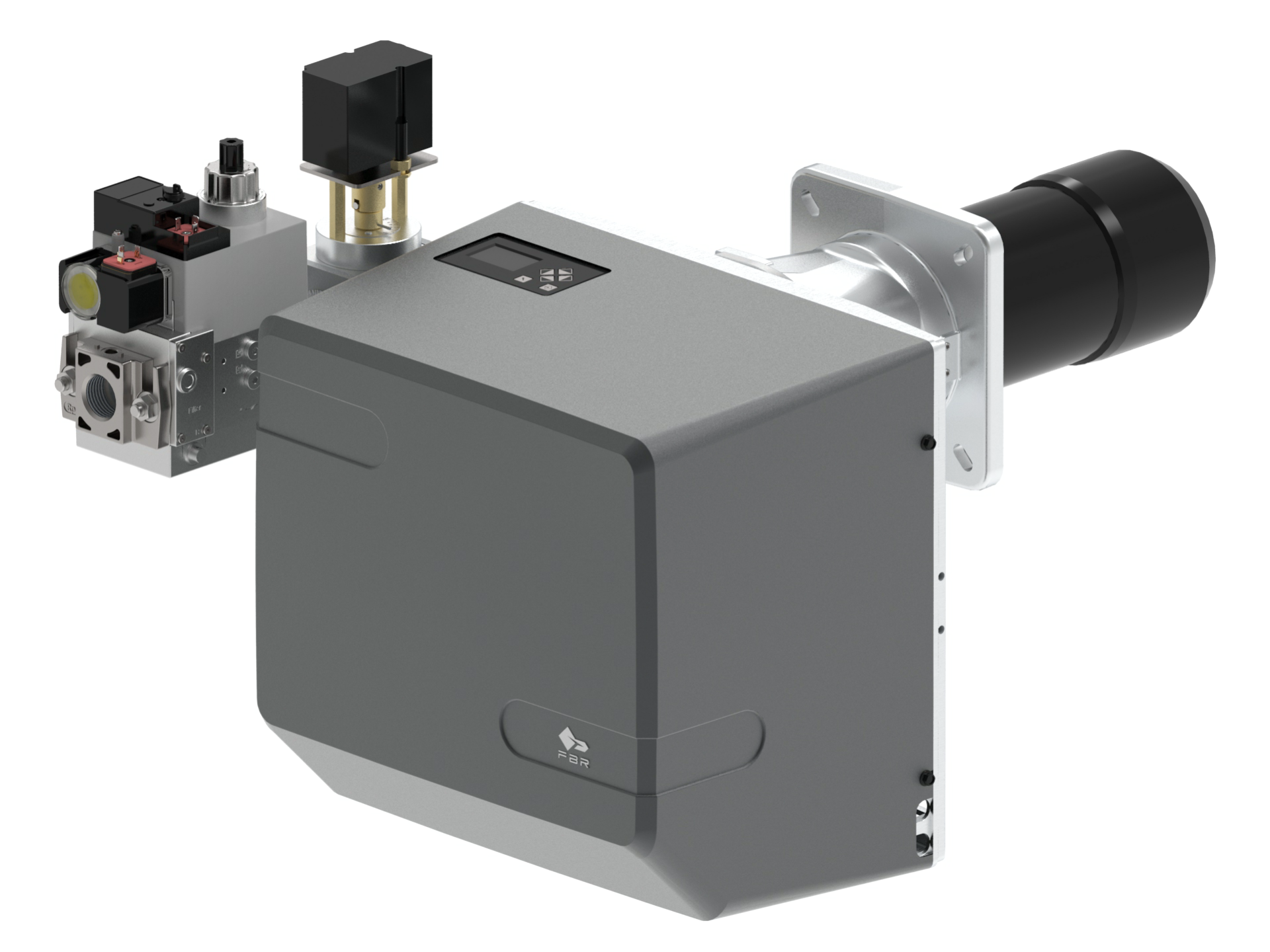
A typical boiler room installation might pair a forced-draught gas burner like the FBR BURNER GAS X5 (rated 69.8–349 kW, suitable for both natural gas and LPG) with the SM 592.2 relay and a modulating control kit for dynamic load response. The FBR X5 incorporates a high-pressurization fan and combustion head optimized for efficient turndown (turndown ratio up to 5:1 or higher with modulation), allowing the boiler to maintain temperature setpoint without cycling on/off excessively. This continuous modulation reduces thermal stress on the heat exchanger and improves overall system efficiency—a significant advantage in energy-conscious Singapore manufacturing.
An oil-fired steam generator or hot oil heater would instead use the LAL 2.14 relay paired with an IRD 1010 flame detector. The LAL 2.14 monitors fuel pressure, air damper position, and ignition timing, while the IRD 1010 continuously verifies flame presence. If flame is lost for more than a few seconds (typical safety threshold is 0.5–3 seconds), the relay de-energizes the fuel solenoid, vents residual pressure, and locks out—preventing unburned fuel accumulation that could create an explosion hazard on re-ignition.
In a large manufacturing plant with multiple heating systems, using modular base-and-relay components (such as the CBM Base for GE 733) simplifies spare parts inventory: technicians stock universal bases and several relay variants, then mix-and-match as needed. This flexibility reduces lead times and capital expenditure on redundant equipment.
Technical Performance Comparison: Key Specifications
| Component | Application Type | Key Feature | Maintenance Interval |
|---|---|---|---|
| CBM Relay SM 592.2 | Atmospheric/Fan-Assisted Gas | Non-volatile lockout; EUROBOX design | Annual inspection |
| CBM Relay LAL 2.14 | Oil Burners (Monobloc/Power Washers) | Integrated air pressure control | Annual inspection + sensor check |
| CBM IRD 1010 Blue Cell | Oil/Biomass Burners (Flame Detector) | Infrared detection; ambient light immune | 5+ years before replacement |
| FBR BURNER GAS X5 | Natural Gas / LPG (Modulating) | High-efficiency combustion head; 370W motor | Annual tuning + quarterly inspection |
| CBM Base for GE 733 | Universal Mounting Interface | Modular relay compatibility; reduces rewiring | Inspection on relay swap |
The FBR BURNER GAS X5 operates at a minimum fuel pressure of 27 mbar (natural gas) or 33 mbar (LPG), with a 370W fan motor and maximum power output of 349 kW. Its die-cast aluminum construction and high-pressurization fan design ensure stable flame across its modulating range. With IP 40 electrical protection and a noise-reduction cover, it meets both safety and acoustic requirements for indoor industrial installations. The burner accommodates fuel categories I2R, I2H, I2L, I2E, I2E+, I3B/P, I3+, and I3P, providing compatibility with diverse gas supply qualities across Singapore's industrial regions.
Selecting Control Systems for Your Facility
When specifying burner control systems for a Singapore industrial facility, consider these critical decision points:
Burner Type & Size: A small atmospheric gas boiler (50–100 kW) requires different control logic than a 300+ kW forced-draught system. Always verify relay ratings match your burner power class.
Fuel Type: Gas burners use atmospheric or fan-assisted relays (like the SM 592.2). Oil burners require specialized oil control relays (like the LAL 2.14) with integrated pressure monitoring. Never cross-apply controls between fuel types.
Safety Requirements: Does your process require modulating (continuous) or on-off control? Modulating systems like the FBR X5 with optional PID kits reduce energy waste and thermal cycling, but require more sophisticated relay logic.
Flame Detection: For oil burners, choose between proven photoresistive sensors (lower cost, shorter lifespan) or infrared detectors like the IRD 1010 (higher reliability, extended service life). Gas burners often use ionization probes instead of separate detector elements.
System Modularity: Base-and-relay architectures (using products like the CBM Base for GE 733) offer long-term flexibility when maintenance or upgrades are needed.
Singapore's industrial regulations, aligned with EN and ISO standards, mandate that all burner control systems maintain flame failure detection, automatic shutoff, and lockout safety functions. Ensure any system you specify meets these compliance requirements and includes certified documentation.
Commissioning and Maintenance Best Practices
Proper burner control commissioning in Singapore requires:
Fuel Pressure Verification: Confirm fuel supply pressure meets relay manufacturer specifications (e.g., 27–33 mbar for gas burners) before energizing the system.
Flame Detector Alignment: If using an IRD 1010 or similar sensor, ensure the detector optical path is clear of obstructions and positioned to view the flame directly, not reflected light.
Lockout Testing: Safely interrupt the flame signal and verify the relay de-energizes all solenoid valves and shuts down the burner within the specified safety time (typically <3 seconds).
Annual Maintenance: Inspect all electrical connections, test flame detection response, and verify relay non-volatile memory is functioning (by simulating a lockout condition).
Regular maintenance extends component life, reduces unplanned downtime, and ensures continued compliance with Singapore's safety standards.
Conclusion and Next Steps
Selecting the right combination of burner controls, flame detectors, and safety relays directly impacts facility safety, energy efficiency, and operational reliability. The full range of burners and combustion control systems available through 3G Electric includes proven options like the FBR BURNER GAS X5, CBM Relay SM 592.2, CBM Relay LAL 2.14, and IRD 1010 flame detector—all tested in rigorous industrial environments across Southeast Asia.
Whether you are upgrading an existing boiler system, commissioning a new manufacturing facility, or troubleshooting a control system failure, 3G Electric's technical team can help you identify the correct components and provide application-specific guidance. Our 30+ years of experience supplying industrial equipment to Singapore's manufacturing, HVAC, and process heating sectors means we understand local regulatory requirements, climate considerations, and real-world reliability demands.
Contact 3G Electric today for a free technical consultation on your burner control requirements. We can assist with system design reviews, component selection, spare parts strategy, and on-site commissioning support to ensure your combustion systems operate safely and efficiently.