Burner Control Systems in Singapore: A Technical Guide to Flame Detection, Safety Relays & System Integration
Industrial burner systems rely on sophisticated control architectures to operate safely and efficiently. In Singapore's demanding manufacturing environment—where precision, reliability, and compliance are non-negotiable—understanding burner control systems has become essential for maintenance teams, facility managers, and procurement specialists. Modern control systems integrate multiple components: flame detection cells, safety relays, modulation controls, and fuel management devices. Each plays a critical role in ensuring your combustion equipment operates within safe parameters while maintaining optimal performance. This guide explores the technical foundations of burner controls, examines real-world component selection, and provides practical frameworks for system integration across diverse industrial applications.
Understanding Burner Control System Architecture
A complete burner control system functions as a closed-loop safety mechanism that monitors combustion in real-time and responds instantly to fault conditions. The system architecture typically comprises five functional layers: fuel supply management, ignition sequencing, flame detection and verification, safety interlocking, and load modulation.
At the foundation, fuel supply management controls gas or oil pressure, ensuring consistent fuel delivery within the precise range your burner requires. The ignition system then initiates combustion through spark or hot surface ignition, followed immediately by flame detection—arguably the most critical safety function. Once combustion is verified, the system moves to normal operation, continuously monitoring flame presence. If flame is lost at any point, the control system triggers a lockout sequence, stopping fuel flow within milliseconds to prevent dangerous unburned fuel accumulation.
Safety interlocking prevents burner startup under unsafe conditions. Before ignition is permitted, the control system verifies that air supply is adequate, fuel pressure is within range, and all safety switches are satisfied. This layered approach—sometimes called the "safety chain"—ensures that each operational step is confirmed before the next can proceed.
Load modulation, the final layer, adjusts burner output to match thermal demand. Modern systems achieve this through proportional modulation or step-firing, allowing your burner to operate efficiently across a wide power range rather than cycling on and off constantly. This reduces thermal stress, extends equipment life, and lowers fuel consumption—particularly important in Singapore's competitive industrial environment where energy efficiency directly impacts operating costs.
Flame Detection & Control Relays: Core Component Selection
Flame detection technology serves as the sensory system for your burner control architecture. Two primary detection methods dominate industrial applications: photocell detection and infrared sensing. Photocell detectors, such as the CBM Cell FC11, use phototransistor technology to sense visible light emitted by the flame. These sensors are cost-effective, reliable, and ideal for oil or biomass burners where flame light intensity is consistent and measurable. The photocell generates an electrical signal proportional to flame brightness, which the control relay interprets as either "flame present" or "flame lost."
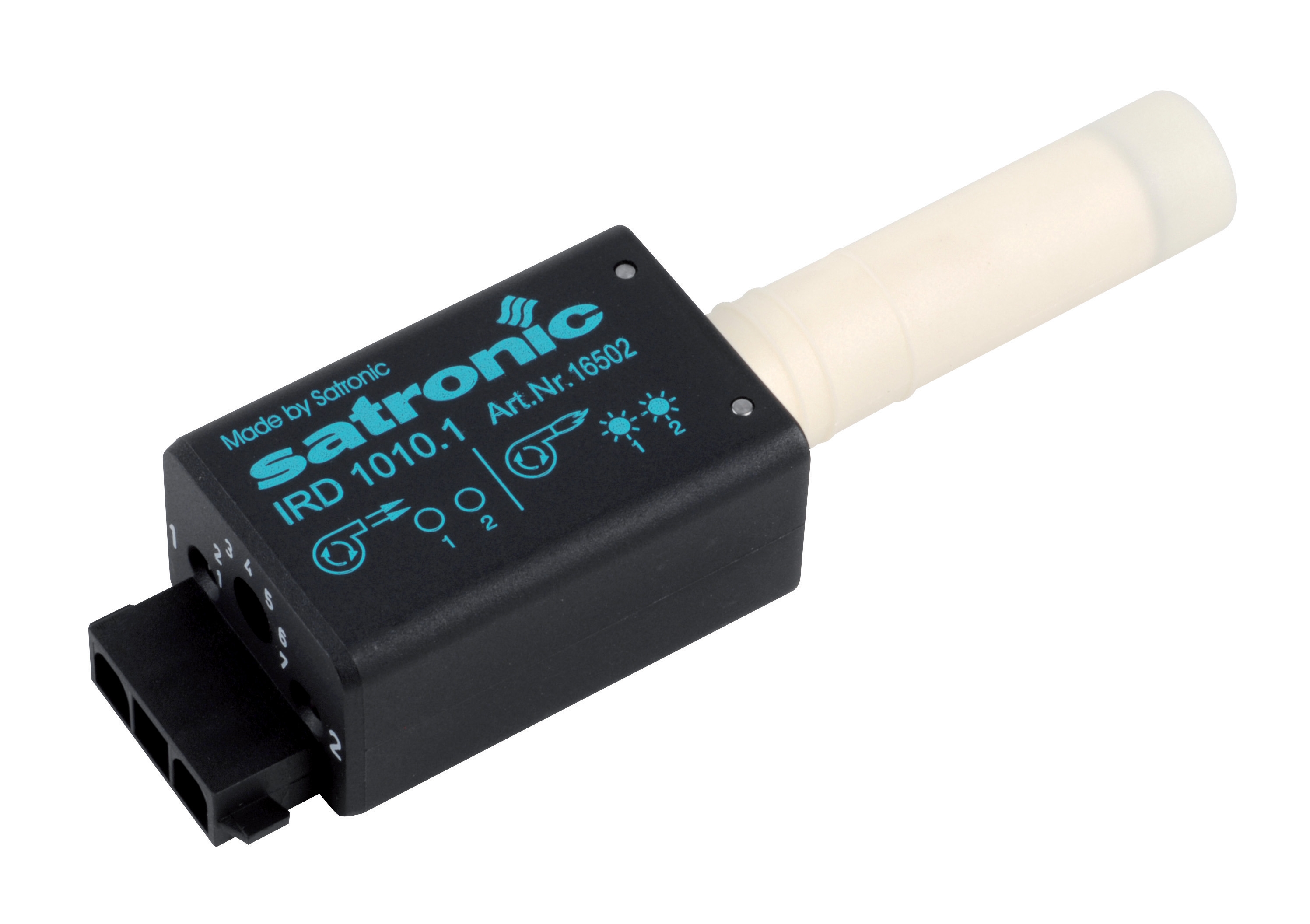
Infrared flame detection offers superior discrimination for applications where ambient light or reflected radiation might confuse simpler sensors. The CBM IRD 1010 blue cell employs infrared sensing technology specifically designed for fuel burners, detecting the characteristic infrared signature of combustion. This approach is particularly valuable in industrial environments where stray light, welding arcs, or other heat sources might trigger false flame signals on conventional photocells. The IRD 1010's blue flame detection capability makes it especially suited for gaseous fuel applications where flame characteristics differ significantly from oil burners.
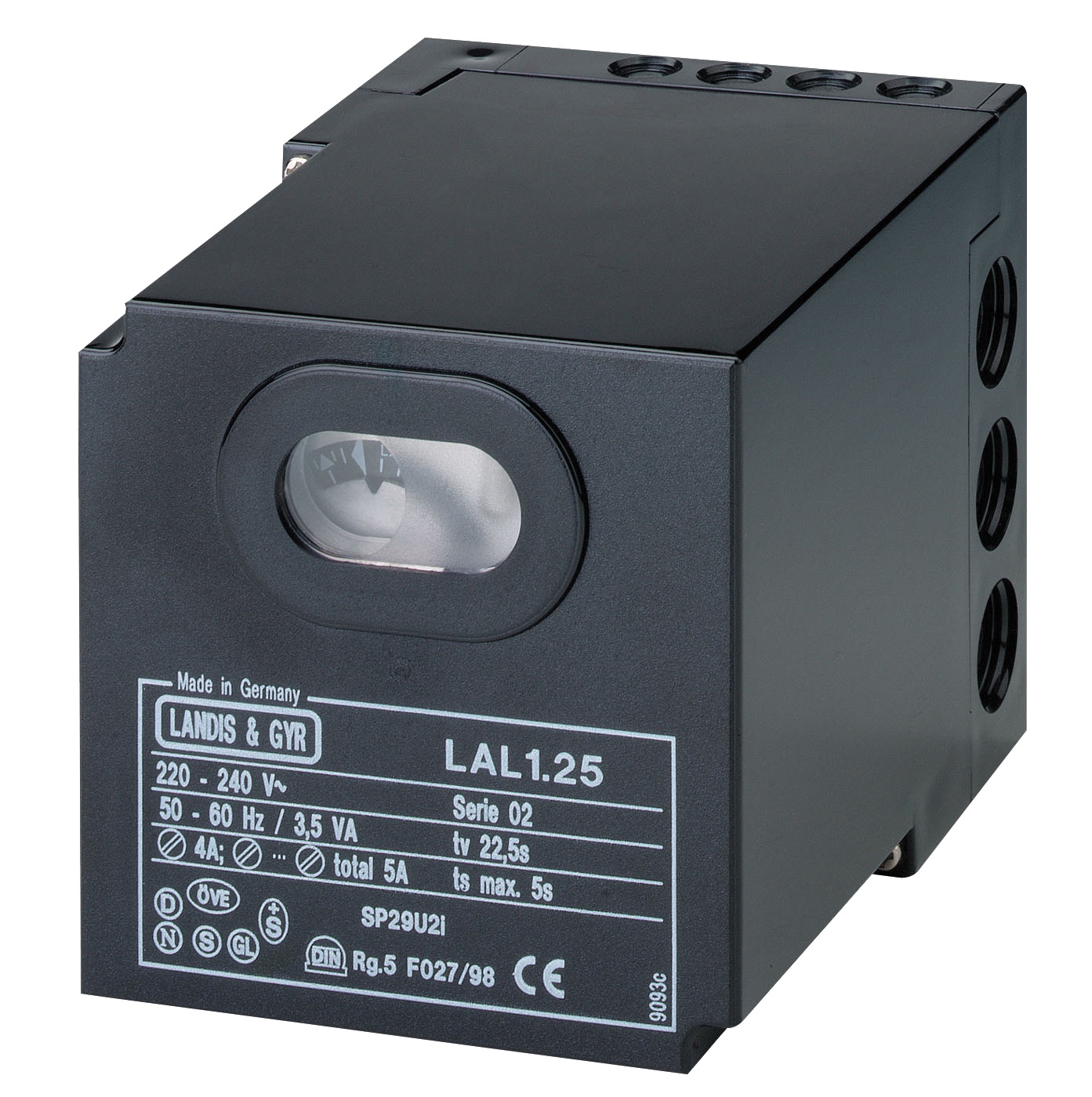
Control relays—the "intelligence" of your system—interpret flame detection signals and orchestrate the entire burner sequence. The CBM Relay LAL 2.14 represents a safety control designed for oil burners with integrated flame monitoring, pressure control, and air damper management. For gas burners in non-permanent operation, the CBM Relay SM 592.2 TW1.5/TS10 provides electronic gas burner control with non-volatile lockout protection—meaning the system maintains a safety record even during power loss, critical for compliance in Singapore's industrial sector.
The selection between relay types depends on fuel type, burner configuration (atmospheric vs. forced-draft), and operational mode (intermittent vs. continuous). Base assemblies like the CBM Base for GE 733 provide the mechanical and electrical mounting infrastructure, allowing modular system assembly that simplifies installation and troubleshooting in existing industrial facilities.
Real-World Integration: Matching Burners to Control Systems
Consider a typical Singapore manufacturing scenario: a mid-size food processing facility requires burner replacement for a thermal oil heating system. The existing gas burner operates with modulating output, adjusting flame intensity as thermal load varies. The facility management team must select both a replacement burner and compatible control system.
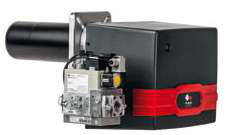
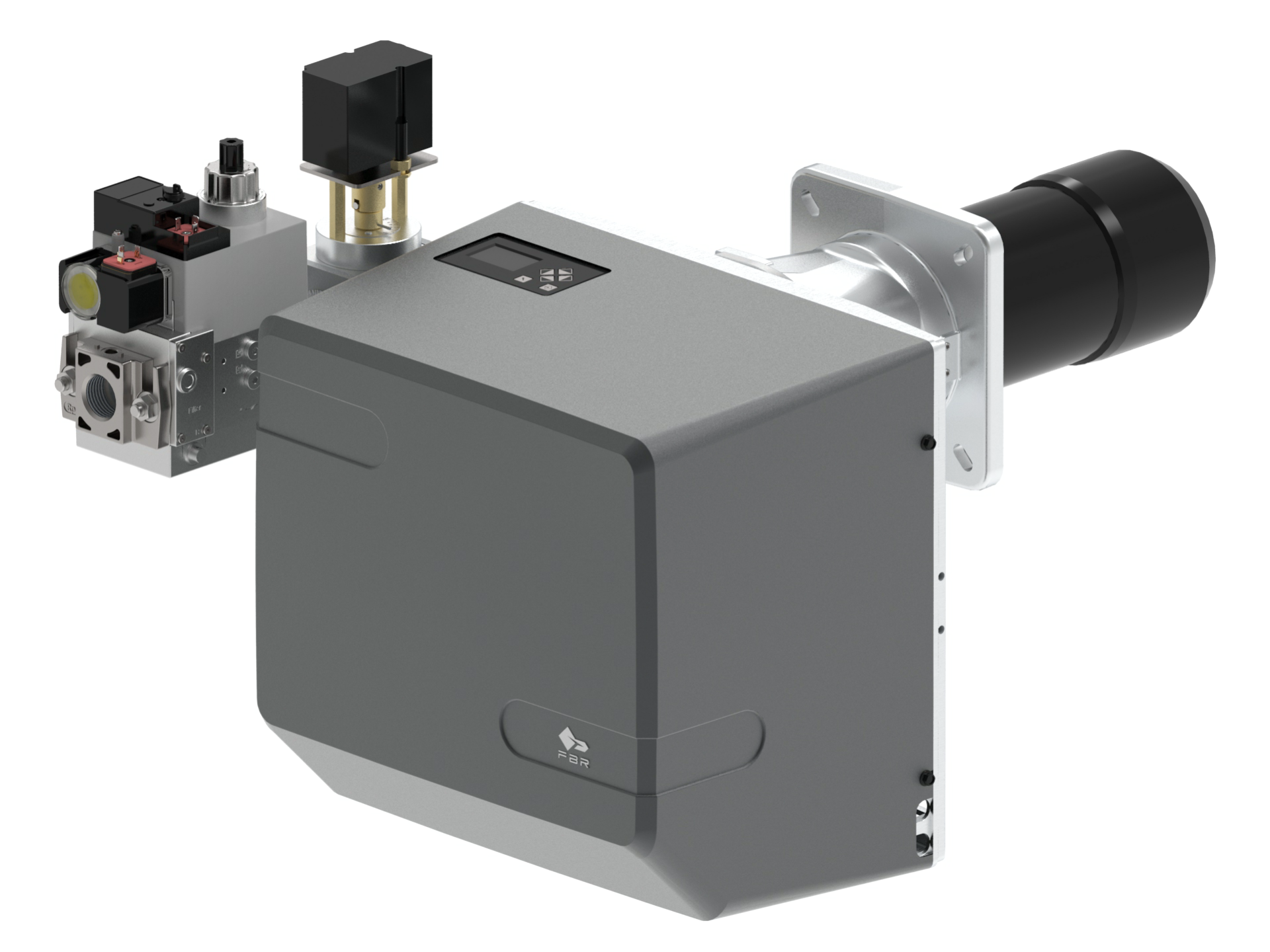
The FBR BURNER GAS X5/MF TL EL VC LPG is a forced-draft burner designed specifically for modulating operation. Operating on natural gas with power output ranging from 69.8 kW minimum to 349 kW maximum, it incorporates a high-pressurisation fan and combustion head optimized for flame stability across the entire output range. The die-cast aluminum construction and noise reduction plate make it suitable for indoor industrial environments common throughout Singapore's manufacturing zones.
To integrate this burner into a complete system, the facility would pair it with a gas burner control relay—such as the SM 592.2 series—configured for modulating operation. The control system monitors flame presence through a flame detection cell, manages gas fuel pressure within the specified 27-33 mbar range for natural gas, and modulates the burner's output by adjusting fuel and air supply proportionally. This integration requires proper electrical interconnection (IP 40 protection rating ensures compatibility with industrial environments) and careful commissioning to verify that the modulation response matches the thermal system's response characteristics.
In another scenario, an oil-fired steam boiler installation might utilize the LAL 2.14 control relay with infrared flame detection. This combination provides integrated pressure monitoring, air damper control, and safety interlocking specifically optimized for oil burner operation—eliminating the need for separate auxiliary equipment and reducing installation complexity.
Selection Criteria & Best Practices for Singapore Industrial Operations
Fuel Type Compatibility: Control systems are optimized for specific fuels. Gas controls differ fundamentally from oil controls in pressure regulation, fuel metering, and flame characteristics. Always verify that your selected control relay is rated for your fuel type and fuel category (for gas burners, this includes specifications like I2R, I2E, I3B, etc.).
Operational Mode Alignment: Intermittent operation (burner cycles on and off) requires different control logic than continuous operation. Non-permanent operation controls like the SM 592.2 include non-volatile lockout specifically designed for cycling systems. Ensure your control system matches your intended operational mode.
Environmental Suitability: Singapore's tropical climate presents challenges: high humidity, corrosive salt air in coastal facilities, and intense solar radiation. Select controls with appropriate ingress protection ratings (IP 40 minimum) and consider corrosion-resistant materials, particularly in coastal manufacturing areas.
Modulation Requirements: If your thermal process benefits from variable-load operation, specify controls and flame detection systems rated for modulation. Not all control systems support proportional modulation; some support only step-firing or on-off operation.
Compliance and Documentation: Singapore's industrial facilities must comply with electrical safety standards and equipment directives. Ensure all components include proper technical documentation, CE marking where applicable, and compliance certification. Keep detailed commissioning records for regulatory audits.
Integration Considerations: From Component to System
Moving from individual component selection to integrated system design requires attention to electrical interconnection, pneumatic tubing routing, and commissioning procedures. Control relays must be mounted on appropriate bases (such as the GE 733 base) that provide electrical schematic clarity and facilitate troubleshooting. Flame detection cells must be positioned to "see" the flame without being obscured by soot buildup or thermal stress, requiring careful optical alignment during installation.
Fuel pressure regulation—often overlooked in quick installations—proves critical for system stability. Gas burners require precise pressure maintenance, typically 25-35 mbar for natural gas, to ensure consistent fuel metering and flame characteristics. Oil burners demand pressure in the range of 8-14 bar, depending on nozzle type. Control systems monitor these pressures through dedicated transducers integrated into the relay or connected externally.
Singapore's industrial maintenance teams benefit from understanding these integration points because they facilitate rapid troubleshooting. A flame detection problem might stem not from a faulty cell, but from optical obstruction or incorrect cell positioning. A modulation instability might reflect fuel pressure drift rather than control relay malfunction. Systems knowledge enables diagnostic precision.
Conclusion: Reliable Combustion Control for Singapore Industry
Burner control systems represent the intersection of mechanical reliability and electronic precision. In Singapore's competitive industrial environment, burner performance directly affects production efficiency, energy costs, and facility safety. Understanding control system architecture—from flame detection principles through safety relay logic to system integration—empowers you to make informed equipment decisions, troubleshoot problems effectively, and optimize combustion performance.
Whether you're upgrading existing burner systems, installing new combustion equipment, or training maintenance personnel, the technical frameworks outlined here provide actionable guidance. Modern control systems like the CBM relay series, paired with appropriate flame detection technology and burners like the FBR GAS X5 series, deliver the reliability and efficiency that modern industrial facilities demand.
Ready to optimize your facility's burner control systems? Contact 3G Electric's technical team today. As Singapore's distributor since 1990, we combine deep product knowledge with local industrial expertise to help you select, integrate, and maintain combustion equipment that performs reliably in your unique operational environment. Visit our Burners & Combustion collection to explore the full range of control systems, flame detection technology, and burner equipment we supply to Singapore's industrial sector.