Burner Control Systems Explained: How Flame Detection and Safety Relays Work in Singapore Industrial Applications
Industrial burners are powerful pieces of equipment—but they're also potentially dangerous if something goes wrong. A flame goes out unexpectedly. A gas line develops a leak. A sensor malfunctions. Without proper control and safety systems in place, these scenarios could lead to uncontrolled gas accumulation, explosions, or equipment damage. This is why understanding burner control systems is essential for any industrial professional in Singapore responsible for boilers, kilns, furnaces, or other combustion equipment. In this technical guide, we'll explore how modern burner control systems work, the role of flame detection sensors, and how safety relays protect your facility from combustion hazards.
The Core Function: What Burner Control Systems Actually Do
A burner control system is essentially the "nervous system" of your combustion equipment. It continuously monitors operating conditions, manages fuel flow, ignites the burner when needed, and most critically, shuts everything down instantly if something goes wrong. Unlike older manual burner systems, modern automatic burner controls operate continuously throughout the heating cycle without operator intervention.
The fundamental job of a burner control system is threefold: verify that safe conditions exist before ignition, confirm that a flame has been established after ignition, and shut down immediately if the flame is lost during operation. This happens dozens of times per day in industrial facilities across Singapore, often without anyone noticing—which is exactly how it should be.
The control system achieves this through a coordinated sequence of electronic components working in milliseconds. When a heating demand signal arrives (typically from a thermostat or building management system), the control relay receives this signal and initiates a pre-purge sequence. During pre-purge, the burner fan runs for several seconds, purging the combustion chamber of any residual gas. Only after this purge is complete does the system permit ignition. Once the burner fires, a flame detection sensor must confirm the presence of flame within seconds. If no flame is detected, the system locks out and prevents further ignition attempts until manually reset—preventing dangerous gas accumulation.
During normal operation, the flame detection sensor continuously monitors the flame. The instant the flame is lost—whether due to a fuel interruption, draft problem, or equipment malfunction—the control system triggers a safety shutdown. The fuel supply cuts off completely, and the system enters a lockout state. This automatic response is what distinguishes safe industrial combustion from hazardous operation.
Flame Detection Technology: Sensors That See the Flame
At the heart of every burner control system is a flame detection sensor. These devices use different technologies to confirm that combustion is actually occurring, and they're remarkably sophisticated for such small components. Understanding the different flame detection approaches helps explain why different control systems are specified for different burner types.
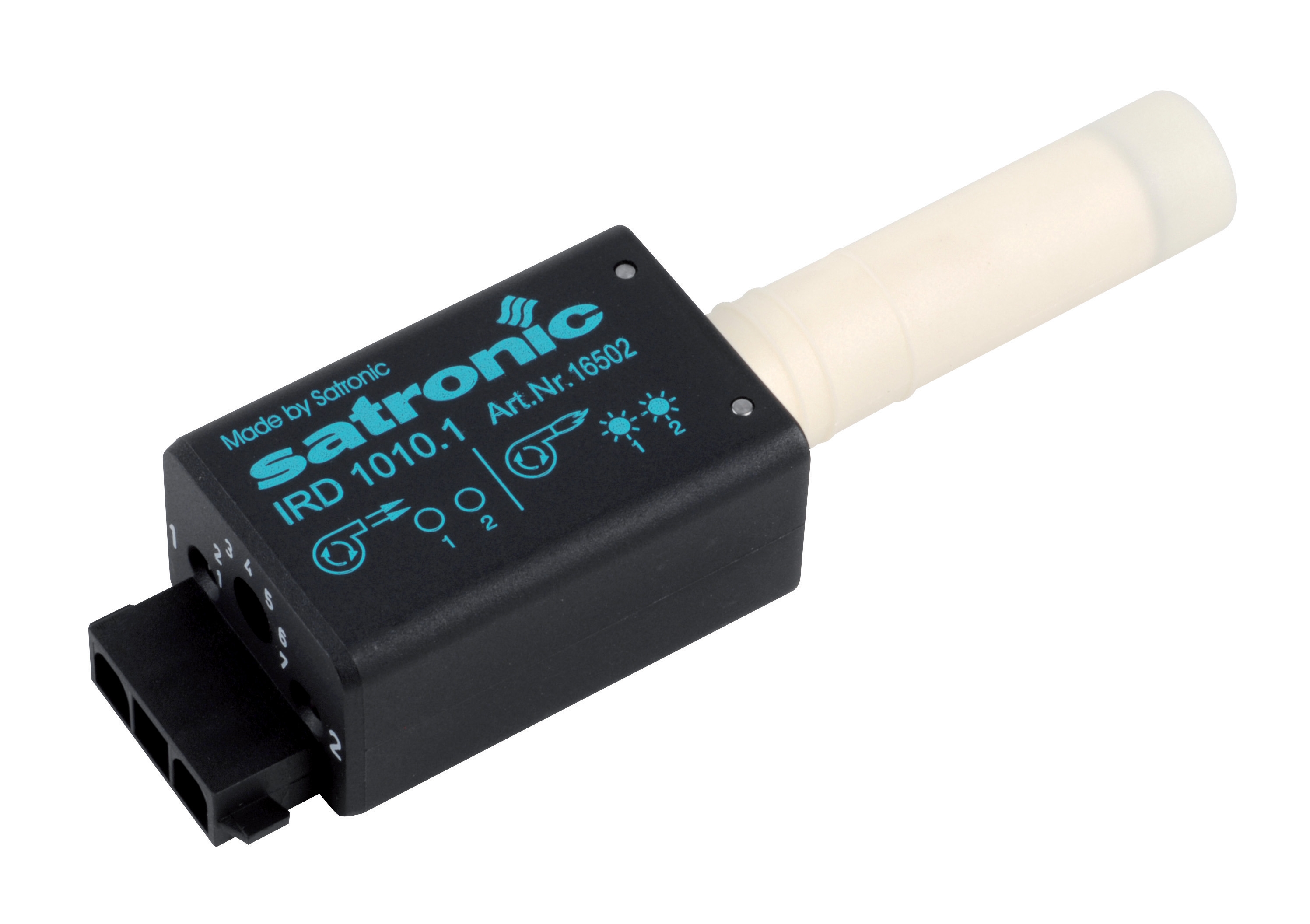
Oil burners and gas burners typically use different flame detection methods, reflecting the different characteristics of their flames. For oil burners, the most common approach uses infrared (IR) flame sensors that detect the thermal radiation emitted by the flame. The CBM IRD 1010 blue cell is a proven example of infrared flame detection technology. This sensor contains a photoelectric element that responds to the infrared radiation in the 1.0 to 3.4 micron wavelength range—the signature emission pattern of an oil flame. When connected to an appropriate control relay, this sensor generates an electrical signal that confirms flame presence. If the flame is extinguished, the signal drops to zero, and the safety relay immediately triggers shutdown.
For atmospheric and forced-draft gas burners, control systems employ electronic safety relays that work with different sensor types. The CBM Relay SM 592.2 represents the EUROBOX series of automatic gas burner controls designed specifically for fan-assisted burners during intermittent operation. These relays incorporate non-volatile lockout logic—meaning that once a fault occurs, the system cannot restart automatically. Manual intervention is required, preventing repeated ignition attempts in unsafe conditions. This is a critical safety feature mandated by industrial safety standards across Singapore and internationally.
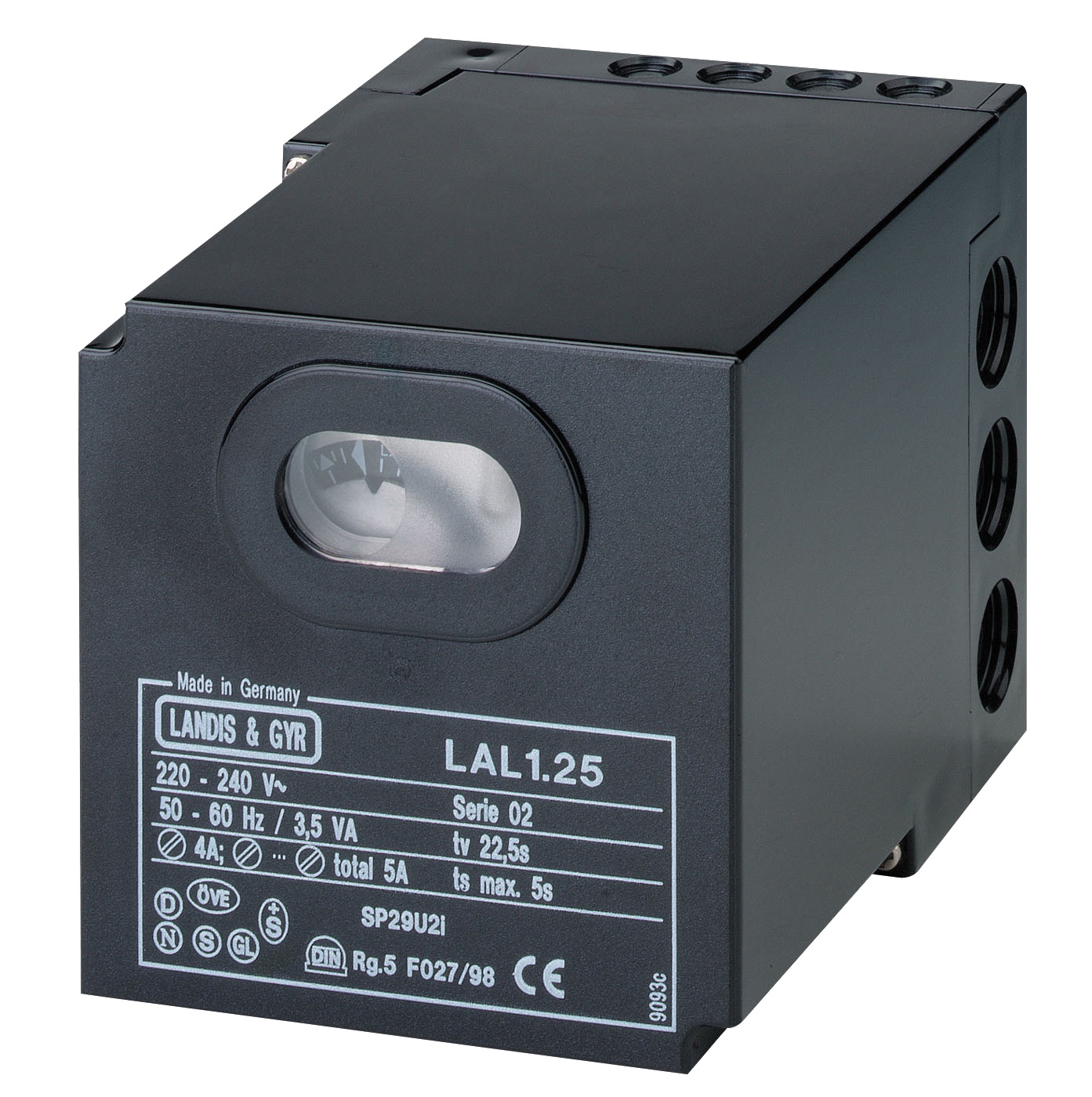
For oil burners requiring robust safety control, the CBM Relay LAL 2.14 provides dedicated safety control with optional air pressure verification. This relay can work with various flame detection sensors—photoresistive cells, blue flame cells, or photoelectric cells—making it adaptable to different oil burner configurations. The flexibility of this control approach allows facility managers to upgrade or repair burner systems without necessarily replacing the entire control circuit.
Practical Integration: How Control Systems Connect with Modern Burners
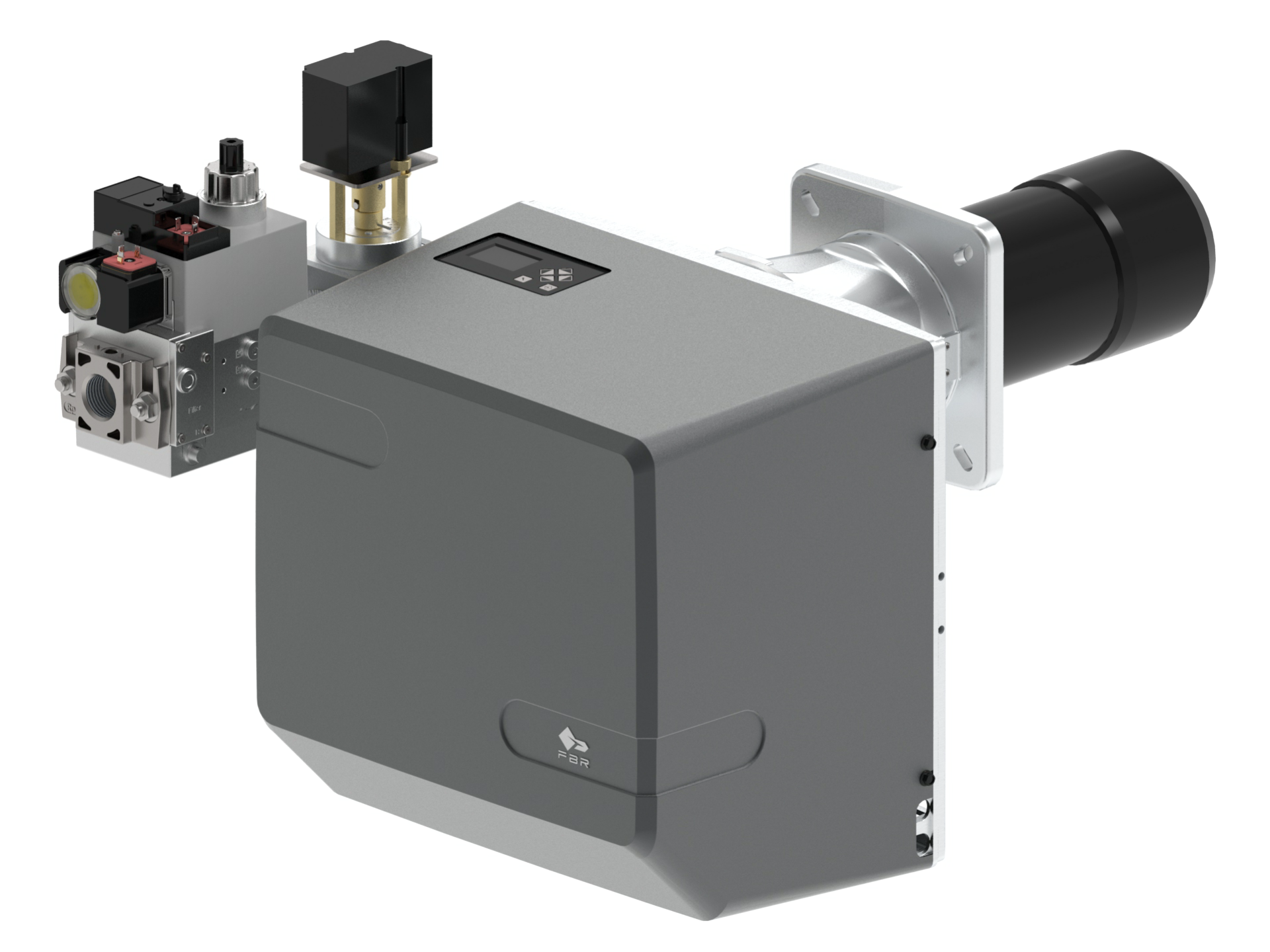
Understanding how these control components integrate with actual burner equipment brings the technology into focus. Consider a modern gas burner used in a Singapore manufacturing facility—perhaps the FBR BURNER GAS X5 for natural gas and LPG. This burner features a high-pressure fan and modulating combustion head capable of adjusting flame intensity for optimal efficiency. However, the burner itself is essentially "dumb"—it's a mechanical device that cannot think. The control system tells it when to run, monitors the flame, and decides when to stop.
The FBR GAS X5 operates across a wide power range from 69.8 kW minimum to 349 kW maximum, making it suitable for diverse industrial applications in Singapore. The burner's fan motor draws 370W and requires IP 40 electrical protection. This burner accepts a modulating control kit for PID (proportional-integral-derivative) control, meaning the flame intensity can be continuously adjusted to match heating demand. When equipped with this optional modulation kit and flame probe, the burner delivers superior efficiency by avoiding the on-off cycling common in simpler systems.
The control relay for this burner application would typically be a forced-draft gas control system like the CBM Relay VM 41 from the EUROGAS series, which is specifically designed for forced-draft burners operating on gaseous fuels. This relay manages the sequence: fan pre-purge, ignition command, flame monitoring, and safety shutdown. The relay communicates with a modulation kit (if installed) to adjust burner intensity based on the heating demand signal, creating a responsive, efficient combustion system.
The mounting base is equally important—components like the CBM Base for GE 733 provide the mechanical and electrical foundation for relay installation, ensuring proper component alignment and secure electrical connections. In humid tropical Singapore conditions, proper mounting and protection from moisture corrosion are critical for long-term reliability.
Real-World Application Examples in Singapore Industry
Singapore's diverse industrial base relies heavily on combustion equipment across multiple sectors. Consider a food processing facility operating a large steam boiler for cooking and sterilization. The boiler requires reliable, automatic ignition and continuous flame monitoring—a perfect application for a controlled gas burner system. When the boiler's water temperature drops below setpoint, a signal is sent to the burner control relay. The relay initiates the safety sequence: fan pre-purge, ignition, flame verification. The burner fires smoothly, heating the boiler to setpoint. When the setpoint is reached, the heating demand signal stops, and the burner shuts down cleanly. This cycle repeats throughout the day, every day, completely automatic and safe.
Another common scenario involves batch heating in chemical manufacturing. A heating vessel requires a specified temperature profile: ramp-up phase, hold phase, cool-down phase. An oil burner with infrared flame detection provides the precise temperature control needed. The facility manager sets the sequence in the building management system, and the control relay executes it flawlessly. The infrared sensor continuously confirms flame presence. If draft is interrupted or oil supply falters, the sensor detects the flame loss instantly, and the relay triggers immediate shutdown—preventing overheating or combustion chamber damage.
In laundries and textile facilities throughout Singapore, large gas burners provide heat for steam generation. These high-throughput operations run burners for 10–12 hours per day. Modulating control systems with flame monitoring ensure consistent steam pressure while optimizing fuel consumption. The savings from efficient burner control quickly offset the cost of more sophisticated control electronics.
Selection Criteria: Choosing the Right Control System for Your Equipment
Selecting an appropriate burner control system requires matching the control type to your burner characteristics and fuel type. First, identify your fuel: natural gas, LPG, or oil. Oil burners require different control philosophies than gas burners because oil flames have distinctly different thermal signatures. Second, determine your burner type: atmospheric or fan-assisted. Atmospheric burners draw combustion air passively; fan-assisted burners use a forced-draft fan to pressurize the combustion chamber. Third, establish your operational mode: continuous (always running) or intermittent (cycling on and off with demand). Most industrial burners are intermittent, requiring safety relays with non-volatile lockout logic.
For gas burner applications, consider whether modulating control will benefit your operation. Modulating systems continuously adjust flame intensity to match demand, delivering superior efficiency compared to on-off burners. This requires a compatible control relay and an optional modulation kit. For oil burners, verify that your chosen control relay is compatible with your flame detection sensor technology—infrared sensors, photoresistive cells, and photoelectric cells each require specific relay inputs.
Finally, consider Singapore's tropical climate. Moisture, salt spray in coastal areas, and temperature fluctuations all affect electrical components. Ensure your control relay has adequate environmental protection (typically IP 40 minimum) and is properly mounted with adequate ventilation. Working with an distributor like 3G Electric ensures you receive components matched to your specific equipment and application, with proper technical support throughout the installation and operational life of your burner system.
Closing: Ensuring Safe, Efficient Combustion
Burner control systems are not luxuries—they are essential safety and efficiency infrastructure for modern industrial combustion equipment. By automating the sequence of fuel ignition, flame verification, and safety shutdown, these systems eliminate human error and respond to hazards faster than any operator could. Whether you're managing a boiler system, kiln, furnace, or any combustion equipment in Singapore, understanding how your control system works builds confidence in your facility's safety and reliability.
If you're troubleshooting a control system issue, upgrading an aging burner installation, or specifying equipment for a new facility, the technical expertise at 3G Electric is available to guide your decisions. We carry a complete range of burner controls, flame detection sensors, and safety relays suitable for Singapore's industrial applications. Contact our team to discuss your specific combustion control requirements—whether you need a straightforward on-off control system or sophisticated modulating equipment with integrated flame monitoring and safety lockout logic.