Understanding Spray Nozzle Systems and Common Failure Points
Spray nozzle systems are critical components in industrial cleaning, coating, and fluid application processes across Singapore's manufacturing sector. Unlike pressure regulators or pumps that operate continuously, nozzles face unique challenges: exposure to high-velocity fluid impact, rapid temperature fluctuations, chemical erosion, and mechanical wear from spray angle changes.
With 35 years of distributor experience, 3G Electric has observed that 60-70% of spray nozzle failures aren't actually nozzle defects—they're system integration issues. The Euspray flat jet nozzle HP 1/4" M BSPT exemplifies precision engineering, but improper installation, contaminated supply lines, or upstream pressure instability create downstream failures that appear to originate at the nozzle.
Spray nozzles operate at the intersection of three critical variables: inlet pressure (typically 150-250 bar for industrial applications), fluid viscosity, and orifice cleanliness. A single micron of particulate contamination in a 0.8mm orifice can reduce spray atomization efficiency by 40%, yet the nozzle itself remains undamaged. Industrial professionals must understand this distinction to avoid unnecessary component replacement and implement effective maintenance & service protocols.
Diagnosis: Identifying Root Causes of Spray Pattern Degradation
Pattern Distortion and Uneven Spray Coverage
When spray patterns become asymmetrical or develop wet zones alongside dry areas, the immediate assumption is nozzle wear. However, systematic troubleshooting begins upstream. Use a pressure gauge calibrated within the last 12 months to verify inlet pressure stability. Pressure fluctuations exceeding ±5 bar during operation indicate pump cavitation or regulator instability rather than nozzle failure.
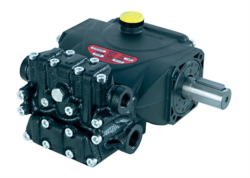
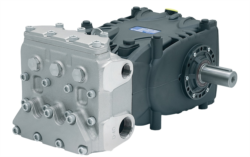
For systems using Pratissoli KF30 pumps (106 L/min capacity), verify the discharge pressure against the pump's performance curve. A KF30 operating at 200 bar should maintain consistent flow within 3% variance over a 5-minute steady-state period. Variations suggest worn pump internals or inadequate prime conditions rather than nozzle degradation.
Next, inspect the nozzle mounting surface and supply fitting. The Euspray flat jet nozzle uses 1/4" M BSPT connection; verify that fittings achieve proper thread engagement (minimum 12mm depth for industrial pressure ratings). Under-tightened connections allow micro-leakage at the sealing face, creating turbulent flow upstream of the orifice that distorts spray patterns. Apply wrench force to specification (typically 35-45 Nm for 1/4" BSPT fittings), then retest before condemning the nozzle.
Reduced Spray Distance and Coverage Area
Declining spray distance indicates pressure loss between the pump and nozzle inlet. Before assuming regulator malfunction, inspect the supply line for internal restrictions. Fluid degradation—where hydraulic fluid oxidizes after 5,000+ operating hours—increases viscosity and creates pressure drop across standard 3/8" SAE hoses. At 200 bar, oxidized fluid generates 15-20 bar additional pressure loss per 10 meters of hose length compared to fresh fluid.
Drain a small sample into a clean container and compare its color to fresh reference fluid. Dark brown or black coloration indicates thermal stress or water contamination. For Singapore's humid climate, moisture ingress through degraded breather filters accelerates fluid breakdown. Check filter elements monthly; replace if discolored or visibly wet.
Measure pressure at three points: pump discharge, regulator outlet (if installed), and nozzle inlet. Pressure loss exceeding 10 bar between regulator outlet and nozzle inlet indicates line obstruction. Flush the supply line with filtered hydraulic fluid (ISO 4406 16/14/11 or cleaner) using a dedicated flush cart—never use the production pump, as debris circulates through the system.
Complete Spray Failure or Blockage
Total blockage demands immediate action to prevent pump cavitation damage. Locate a pressure relief valve upstream—systems should incorporate relief protection set 10% above normal operating pressure. If relief opens without spray production, the blockage lies within the nozzle orifice itself.
Remove the nozzle using appropriate wrenches (typically 17mm wrench for the nozzle body, 13mm for supply fitting). Hold the nozzle body firmly; do not apply wrench force to the thin spray body, as deformation prevents accurate reinstallation.
Inspect the orifice under magnification (10x minimum). Particulates, crystallized fluid deposits, or corrosion products appear as discoloration or texture change. For the Euspray flat jet nozzle (index 30, 25° angle), the orifice diameter is approximately 0.8-1.2mm; particles larger than 5 microns create visible blockage.
Do not attempt to clear the orifice mechanically. Wire, compressed air, or ultrasonic cleaning risks permanent damage. Instead, soak the nozzle in solvent matching the application fluid type. Hydraulic nozzles soak in ISO 32 hydraulic fluid; coating application nozzles soak in compatible paint thinner for 4-8 hours, then gentle flushing with filtered solvent.
If soaking fails to restore flow, replace the nozzle. Repairing precision orifices costs 60-80% of replacement price and provides no warranty; industrial operations cannot afford spray pattern uncertainty in production environments.
Maintenance & Service Schedule and Prevention Strategies
Daily Operational Checks
Before each shift, observe spray pattern at normal operating pressure. Document the pattern using a wet test board (cardboard or blotter paper positioned 30cm from nozzle outlet). Photograph or sketch the wet area; maintain weekly comparison photos. Pattern consistency is the most sensitive indicator of component health.
Check for fluid leakage at the nozzle supply fitting. Moisture or foam around connections indicates loose fittings or seal degradation. Tighten by one-quarter turn; if leakage persists, remove the fitting and inspect the ferrule (metal or PTFE sleeve) for damage. Damaged ferrules must be replaced; reusing them causes re-leakage within 24 hours.
Weekly Preventive Maintenance & Service
Drain and inspect the system's settling tank (or main reservoir if no separate settling tank exists). Accumulation of particulates, water, or emulsion indicates filter bypass or seal failure. For systems with high fluid throughput—such as those using Pratissoli MW40 pumps (211 L/min at 210 bar)—tank sediment accumulates rapidly. Schedule draining every 2-3 weeks rather than monthly.
Replace line filters when pressure differential reaches the filter's rated collapse point (typically 3.5 bar for standard return line filters). Waiting for visual clogging guarantees that micron-level particles reach the nozzle, so differential pressure monitoring is mandatory for facilities using precision spray equipment.
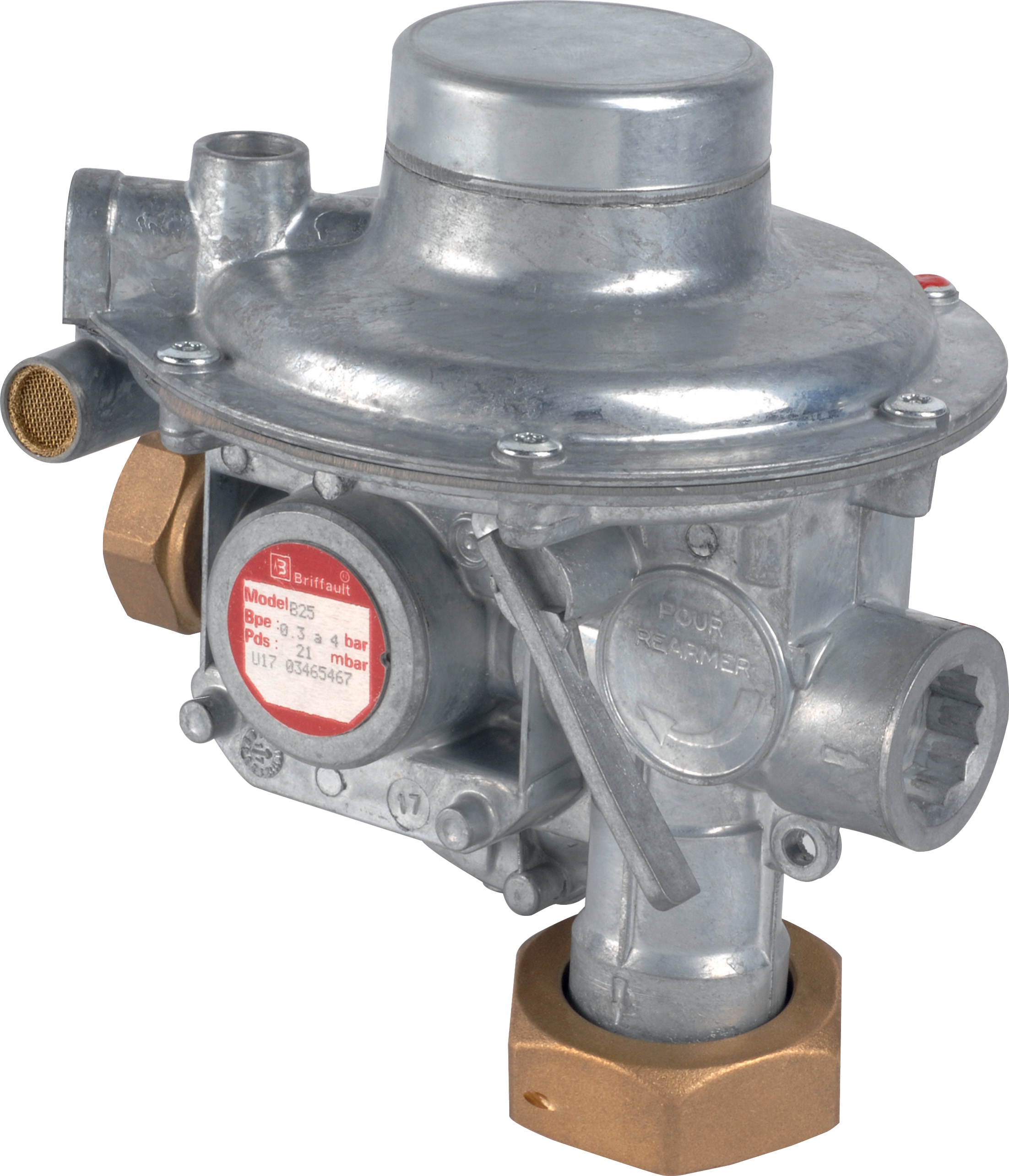
Inspect the pressure regulator's vent size and integrity. The Francel B25/37mb pressure regulator integrates a 10mm vent to prevent backpressure; verify this vent remains clear of dirt and debris. A partially obstructed vent causes regulator creep—gradual pressure rise beyond setpoint as internal venting becomes restricted—which cascades pressure spikes to the nozzle and distorts spray patterns.
Monthly Deep Maintenance & Service Analysis
Perform comprehensive fluid analysis monthly for critical applications. Send 250ml fluid samples to a certified lab for particle count (ISO 4406), water content (Karl Fischer titration), and viscosity at 40°C and 100°C. Cost per analysis is approximately SGD 80-150; prevention of a single spray system failure justifying nozzle replacement (SGD 200-400) and production downtime (often SGD 1,000+ per hour) makes this investment mandatory.
Rotate nozzles between production stations if the application permits. A nozzle operating 8 hours daily in station A, then moved to station B, extends effective service life by distributing cumulative heat exposure. This strategy is particularly valuable for coating applications where thermal cycling degrades internal elastomer seals.
Inspect connection fittings with a borescope for internal corrosion or scale formation. Even stainless steel fittings corrode in corrosive fluid environments (such as saltwater applications common in Singapore's marine industries). Early detection of internal corrosion prevents sudden fitting failure and system contamination.
Integration with Pump and Regulator Systems
Spray nozzle reliability depends entirely on stable pressure and flow from upstream components. Systems combining Pratissoli KF30 pumps with Francel B25/37mb regulators and Euspray flat jet nozzles achieve optimal performance only when each component's maintenance & service requirements are met.
The pump's responsibility: deliver consistent pressure and flow without pulsation. The regulator's responsibility: maintain setpoint pressure ±2 bar despite load fluctuations. The nozzle's responsibility: atomize fluid at the maintained pressure. Failure at any stage cascades problems downstream.
When troubleshooting spray issues, always verify pump performance first using a calibrated pressure gauge and observing flow consistency. Only after confirming stable pump output should you investigate the regulator or nozzle. This logical sequence prevents unnecessary component replacement and identifies root causes efficiently.
For larger systems using Pratissoli MW40 pumps or compact gear pumps like the Interpump E1D1808 L, pressure pulsation becomes more pronounced. Install pulsation dampers (hydro-pneumatic accumulators sized at 0.5-1% of system flow per minute) immediately downstream of the pump discharge. Dampers absorb pressure spikes and smooth flow delivery to regulators and nozzles, extending component life by 30-40% while improving spray pattern consistency.
Conclusion and 3G Electric Support
Spray nozzle failures rarely result from nozzle defects alone. Systematic maintenance & service protocols addressing contamination control, pressure stability, fluid condition monitoring, and preventive component rotation eliminate 75% of spray-related production issues. Industrial professionals implementing these strategies achieve 12+ month nozzle service intervals compared to industry averages of 6-8 months.
3G Electric's 35 years as an industrial equipment distributor in Singapore means our technical team understands the integration challenges facing local manufacturers. Whether you need performance specifications for Pratissoli KF30 or Pratissoli MW40 pumps, pressure regulator configuration guidance, or spray nozzle selection for specific applications, contact our engineering support team. We provide free system assessments to identify maintenance & service improvement opportunities specific to your facility.