Understanding Your Plant's Pumps & Compressors Deployment Needs
Deploying pumps and compressors into an industrial facility is a critical operational decision that extends beyond equipment procurement. As a plant manager, you must balance technical specifications with operational reality, workforce capabilities, space constraints, and maintenance infrastructure. Since 1990, 3G Electric has supported plant managers across Southeast Asia in implementing industrial equipment solutions that align with their facility's unique operational environment.
Before ordering equipment, conduct a comprehensive site assessment. This means evaluating your current infrastructure, understanding existing system pressures and flow requirements, reviewing your maintenance team's technical capabilities, and identifying any physical or operational constraints. Many plant managers discover that their facility's power supply, cooling capacity, or available installation space requires modifications before new equipment arrives. By conducting this assessment upfront, you avoid costly delays, installation complications, and equipment damage.
Your Southeast Asian facility likely operates in high-temperature, humid conditions with potential for dust contamination and irregular power supply. These environmental factors directly influence equipment selection and installation strategy. A pump rated for temperate climates may require additional cooling or air filtration when deployed in Malaysia, Thailand, or Vietnam. Understanding these regional operational realities ensures your equipment investment delivers expected performance and longevity.
Phase 1: Site Assessment and Infrastructure Evaluation
Evaluate Power Infrastructure
Most industrial pumps and compressors demand consistent, reliable electrical supply. Southeast Asian facilities often experience voltage fluctuations, seasonal load variations, and occasional brownouts. Before deployment, verify your facility's available electrical capacity, assess your existing power distribution system, and determine whether you need uninterruptible power supply (UPS) protection or power conditioning equipment.
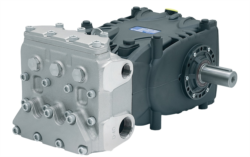
For high-performance pumps like the Pratissoli KF30 (40 kW) or the Pratissoli MW40 (85 kW), inadequate power supply leads to equipment stress, reduced efficiency, and premature failure. Work with your electrical team to confirm supply specifications, review motor ratings, and plan any necessary infrastructure upgrades before equipment arrival.
Assess Physical Installation Space
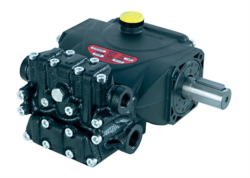
Physical space constraints often drive equipment deployment challenges. Measure your intended installation location precisely, accounting for maintenance access, vibration isolation pad requirements, piping clearances, and ventilation needs. The MW40 weighs 264 kg and requires robust foundation support, while smaller units like the Interpump E1D1808 L (5 kg) fit compact spaces but still need proper vibration damping.
Consider future expansion. Many plant managers install equipment in minimal space, only to discover they cannot service it effectively or add auxiliary components later. Leave adequate clearance around all pumps and compressors—typically 1-1.5 meters on the access sides—to allow technicians to perform maintenance, replace seals, or adjust components without dismantling surrounding infrastructure.
Review Cooling and Environmental Control
High-pressure pumps and compressors generate significant heat. Your facility's cooling infrastructure must handle thermal loads, particularly in tropical Southeast Asian climates. Inadequate cooling reduces equipment efficiency, increases maintenance frequency, and may cause automatic shutdown during peak operating periods.
Assess your facility's ambient temperature, ventilation patterns, and cooling capacity. If ambient conditions exceed equipment specifications, plan for spot cooling, enhanced ventilation systems, or alternative installation locations (such as elevated platforms or outdoor covered areas) that improve airflow. This proactive approach prevents thermal-related shutdowns and extends equipment service life.
Phase 2: System Integration and Piping Configuration
Plan Your Hydraulic or Pneumatic System Architecture
Pumps and compressors do not operate in isolation—they function as components within larger systems. Develop a detailed schematic showing how your new equipment connects to existing systems, identifying pressure switches, relief valves, accumulators, filters, and downstream equipment.
For instance, deploying the Pratissoli SS71153 (122 L/min at 160 bar) requires compatible plumbing, appropriately sized accumulators to manage pressure spikes, and filtration systems that prevent contamination. Work with your maintenance team and equipment supplier to verify that all system components operate at compatible pressures and flow rates.
Select and Install Appropriate Filtration
Contamination is the leading cause of pump failure in industrial facilities. Implement multi-stage filtration strategies: intake filters for air compressors, hydraulic return-line filters for pump systems, and pressure-line protection for sensitive downstream equipment. In humid Southeast Asian environments, additional consideration for moisture separation (especially for compressed air systems) prevents corrosion and extends equipment life.
3G Electric's 35+ years of experience supporting regional plants demonstrates that facilities investing in robust filtration systems experience 40-60% fewer premature failures and significantly reduced maintenance costs. This investment protects your pumps and compressors from the dust, moisture, and particulate contamination common in tropical industrial environments.
Install Pressure and Flow Monitoring Systems
Effective monitoring enables early problem detection. Install pressure gauges at multiple system points—inlet, outlet, and across filters—to establish baseline performance data. For larger systems, consider digital pressure transducers that feed into your facility's SCADA or monitoring system, enabling real-time visibility into equipment performance.
Flow monitoring devices help track capacity over time, revealing gradual efficiency losses before they become critical problems. This data becomes invaluable for maintenance planning, troubleshooting performance issues, and documenting equipment condition for warranty or insurance purposes.
Phase 3: Commissioning, Testing, and Team Training
Develop a Structured Commissioning Protocol
Commissioning involves more than simply starting the equipment. Create a detailed commissioning checklist addressing:
- Electrical connections and power verification
- Pressure relief valve calibration and testing
- Flow rate measurement and documentation
- Temperature monitoring during initial operation
- Noise and vibration baseline assessment
- Safety system functionality verification
Operate new equipment under controlled conditions initially. Start at reduced pressure and flow, monitor for leaks, unusual sounds, or thermal issues, then gradually bring the system to full operating parameters. This staged approach reveals installation problems before they escalate into equipment damage or facility downtime.
Document Baseline Performance Data
Record commissioning data as your equipment's performance baseline: operating pressure, flow rate, motor current, outlet temperature, and noise levels. Store this documentation in your maintenance management system. Future performance comparison against these baseline metrics enables predictive maintenance—detecting efficiency losses, bearing wear, or seal degradation before catastrophic failure.
Conduct Comprehensive Team Training
Your maintenance technicians and operators must understand the new equipment before independent operation. Provide hands-on training covering:
- Equipment operation and normal parameter ranges
- Daily and weekly visual inspection procedures
- Common fault indicators and appropriate responses
- Emergency shutdown and safety procedures
- Filter replacement and routine maintenance tasks
- When to contact your equipment supplier or specialist technician
Invest time in this training. A well-trained team catches problems early, operates equipment safely, and maintains the equipment effectively, multiplying your investment's value and minimizing unplanned downtime.
Phase 4: Integration with Operational Workflows and Preventive Maintenance
Integrate Equipment into Your Maintenance Management System
Add your new pumps and compressors to your facility's maintenance management software or spreadsheet system. Establish preventive maintenance schedules based on equipment manufacturer recommendations, adjusted for your facility's operating intensity and environmental conditions. Southeast Asian facilities often operate year-round in high-temperature conditions, potentially requiring more frequent maintenance intervals than manufacturers' standard recommendations.
Establish Spare Parts Strategy
Develop a spare parts inventory aligned with equipment criticality and lead time. For high-pressure pumps like the KF30 or MW40, maintain critical consumables: seals, filter elements, and common wear components. Given Southeast Asia's regional supply chains, maintaining strategic inventory prevents extended downtime when parts must be imported from Europe or North America.
Create Vendor Communication and Support Plan
3G Electric's role as a distributor extends beyond initial equipment supply—establishing ongoing communication channels ensures you have access to technical support, troubleshooting assistance, and replacement components. Document your equipment's SKU references, serial numbers, and purchase dates, and maintain contact information for your supplier's technical team. Many plant managers find that quarterly check-ins with their equipment supplier prevent minor issues from becoming major operational problems.
Monitor Equipment Aging and Plan Replacement
Pumps and compressors, like all industrial equipment, have service life limits. Typically, high-pressure industrial pumps operate effectively for 3,000-5,000 hours before efficiency decline and maintenance frequency increases become economically challenging. Track your equipment's operating hours, assess maintenance trends, and begin planning replacement cycles well before equipment becomes unreliable. Proactive replacement prevents unexpected failures and maintains consistent facility productivity.
Conclusion
Successful deployment of pumps and compressors requires strategic planning, infrastructure evaluation, careful commissioning, and ongoing operational integration. Plant managers who approach equipment deployment systematically—rather than simply installing and hoping—achieve better reliability, lower total cost of ownership, and more predictable operations. With 3G Electric's support and your team's careful implementation, your Southeast Asian facility's pumps and compressors will deliver the performance, reliability, and cost-effectiveness your operation demands.