Industrial Pump and Burner Component Integration: A Technical Maintenance Comparison for Global Operations
Industrial equipment procurement requires more than component selection in isolation—procurement and maintenance engineers must evaluate how piping fittings, pressure measurement devices, and support infrastructure integrate with primary equipment like pumps and burners. When deploying equipment globally, from Singapore to emerging markets across Southeast Asia and beyond, understanding how auxiliary components influence system reliability becomes critical to total cost of ownership. This article provides a technical framework for comparing component options that directly impact maintenance protocols, operational efficiency, and system longevity in diverse climatic and operational environments.
The Role of Integration Components in System Reliability
Primary industrial equipment—such as high-pressure pumps and modulating gas burners—cannot operate effectively without properly specified auxiliary components. Piping connectors, pressure gauges, and mounting infrastructure function as force multipliers for system performance, yet they are frequently selected based on cost alone rather than technical compatibility and environmental suitability.
The challenge intensifies in tropical and humid climates common across Global markets. Equipment operating in Singapore's high-humidity environment, for instance, experiences accelerated corrosion, temperature fluctuations between 25-35°C, and moisture infiltration that can compromise measurement accuracy and connection integrity. Similarly, burner systems in industrial facilities must accommodate vibration, thermal cycling, and seasonal humidity variations that degrade standard materials over 2-3 years.
Integration components serve three critical functions: (1) mechanical coupling—ensuring secure, leak-free connections under pressure and vibration; (2) measurement fidelity—providing accurate real-time data for pressure and temperature monitoring; and (3) structural integrity—maintaining alignment and stability under operational stress. When these components are mismatched to primary equipment specifications or environmental conditions, failure cascades become inevitable. A poorly selected pipe fitting may initiate micro-leaks that damage expensive pumps; an unsuitable pressure gauge mounting bracket may cause gauge failure, eliminating critical diagnostic data; inadequate support infrastructure can amplify vibration, reducing bearing life by 40-60%.
Procurement engineers must therefore evaluate integration components not as commodities but as performance-critical elements that directly impact maintenance frequency, downtime duration, and spare parts inventory management.
Technical Specification Analysis of Key Integration Components
Three categories of integration components warrant detailed technical comparison: piping connectors, pressure measurement systems, and mounting infrastructure.
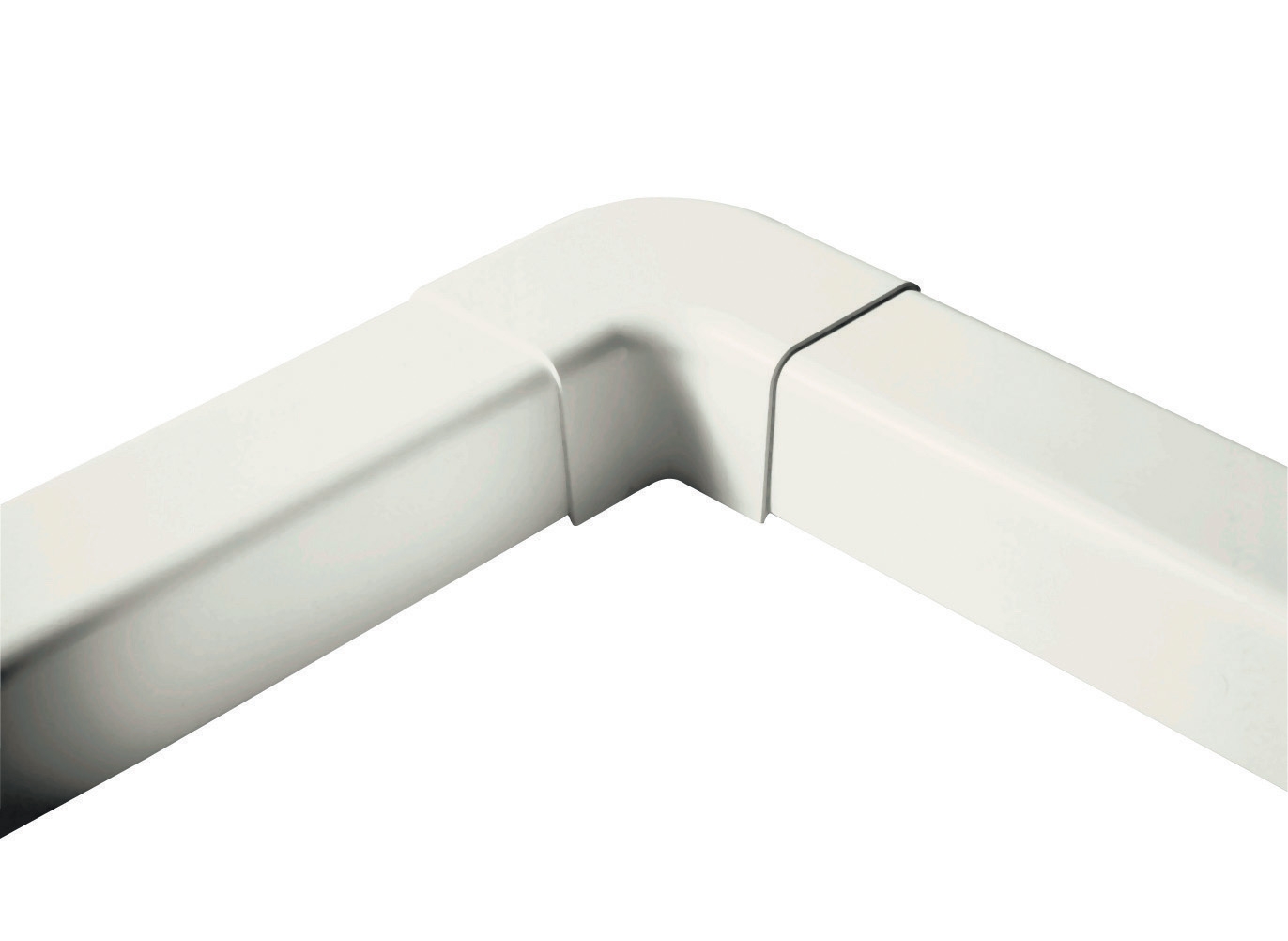
Piping Connectors and Fittings: The CBM flat elbow 90° in 60mm diameter exemplifies a component that appears simple but carries significant technical implications. At 60mm nominal bore, this fitting accommodates medium-pressure flows typical of industrial pump discharge circuits. The flat elbow geometry (rather than swept) reduces pressure drop across the bend by approximately 15-20%, critical when systems operate near maximum pressure thresholds. Stainless steel construction—standard for this component—resists chloride corrosion prevalent in tropical coastal facilities. However, procurement engineers must verify that the fitting's threaded port diameter and thread standard (ISO, NPT, or BSP) match upstream pump discharge and downstream equipment connections. Mismatched threads introduce leakage risk and require adapter fittings that add cost, complexity, and additional failure points.
Pressure Measurement Systems: High-pressure pump systems like the Interpump E3B2515I pump—rated at 250 bar (3,625 psi)—demand accurate, reliable pressure monitoring. The CBM glycerin-filled stainless steel pressure gauge (D50, 0/+4 bar) serves this function with several technical advantages. The glycerin-dampening fluid eliminates pressure oscillations caused by pulsating pump discharge, providing needle stability that prevents operator misreading. Stainless steel construction (316-grade equivalent) resists corrosion from salt-laden air in tropical zones. The vertical mounting configuration maintains readability under varying facility lighting. Critically, the G1/4 threaded connection must be verified against burner control panel specifications and isolation valve thread standards—misalignment here prevents proper installation and creates safety compliance gaps.
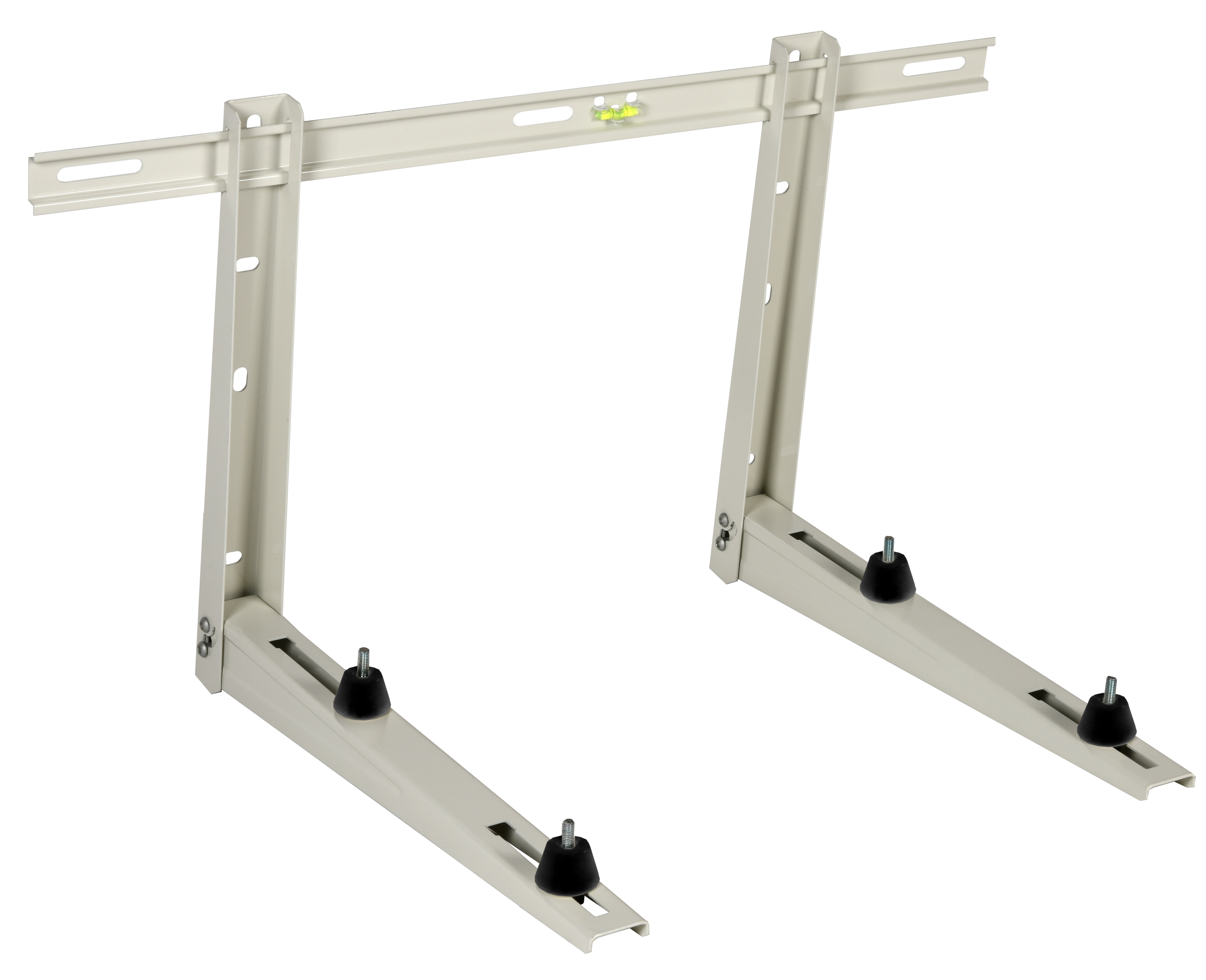
Mounting Infrastructure: The CBM wall bracket 400mm model addresses equipment installation in constrained facility spaces. Rated for 100 kg load capacity at 400mm length, this bracket accommodates smaller pump and burner assemblies in modular installations common in retrofit scenarios. Technical specifications indicate dimensions of 400 x 365 x 780 mm, suggesting compatibility with standard industrial rack heights. However, procurement engineers must cross-verify load ratings against actual equipment weight—a 7.13 kW Interpump pump with integrated discharge piping and gauges typically weighs 15-20 kg, well within this bracket's capacity. Thermal expansion must also be considered: as burner exhaust systems reach 200-300°C, mounting brackets experience differential expansion that can misalign precision-fitted components by 2-3 mm over 6-12 months of operation.
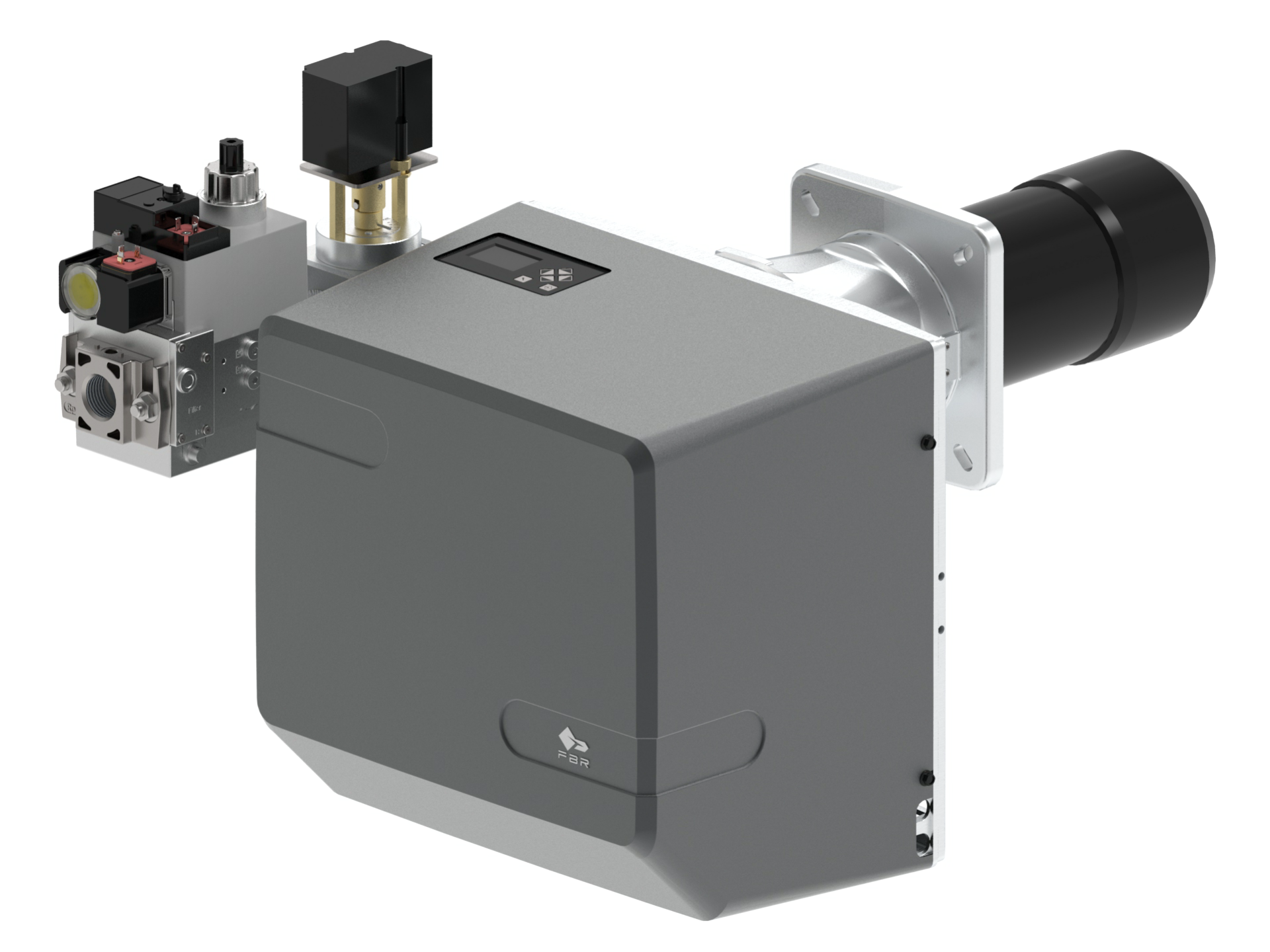
The FBR gas burner system represents a complex integration scenario requiring multiple auxiliary components. The FBR BURNER GAS X5/MF burner, rated at maximum 349 kW with a 370W fan motor, must integrate with support brackets, fuel supply piping, air intake ducting, and exhaust systems. Its die-cast aluminum body operates at surface temperatures exceeding 150°C; any support bracket must accommodate this thermal profile without inducing stress concentrations that compromise component longevity.
Real-World Application Scenarios Across Global Markets
Southeast Asian Industrial Facilities: A typical Singapore-based manufacturing facility operating two parallel Interpump E3B pump units (each rated at 250 bar, 7.13 kW) requires redundant pressure monitoring and secure mounting. Using the flat elbow fittings at discharge points allows compact piping runs that reduce leakage risk; glycerin-filled pressure gauges eliminate false readings from pulsation noise; wall brackets rated for 100+ kg provide stability even during thermal expansion cycles. A maintenance team can replace a faulty gauge in under 15 minutes without disrupting the operating unit—critical for facilities operating on just-in-time production schedules.
Combined Burner-Pump Systems: Industrial facilities using the FBR burner for process heating often couple it with Interpump units for circulation or spray applications. The burner's 349 kW maximum output requires support infrastructure rated for thermal stress; wall brackets must accommodate not only static weight but also vibration from the 370W fan motor operating at continuous duty. Integration components—piping elbows, isolation valves with integrated gauges, and mounting frames—must collectively enable rapid burner and pump shutdown procedures (critical for safety compliance in regions requiring ISO 50081 certification).
Tropical Climate Durability: Equipment installed in high-humidity environments (annual rainfall exceeding 2,400 mm, relative humidity 60-80%) experiences accelerated corrosion of ferrous materials. Stainless steel fittings and gauge bodies resist salt-air corrosion; glycerin-filled gauges maintain accuracy despite temperature swings from 20°C at night to 38°C during peak operating hours. Bracket materials must similarly resist chloride attack—galvanized steel brackets require 3-5 year replacement cycles in coastal zones, while stainless or epoxy-coated alternatives extend service life to 10+ years.
Technical Comparison Table: Integration Component Selection Matrix
| Component Category | Product Example | Key Technical Specification | Tropical Climate Suitability | Maintenance Frequency |
|---|---|---|---|---|
| Piping Connector | CBM Flat Elbow 90° (60mm) | Bore: 60mm | Material: Stainless Steel | Pressure Drop: 15-20% reduction vs. standard | Excellent (stainless resists chloride) | Visual inspection quarterly; replacement only if leakage detected |
| Pressure Gauge | CBM Glycerin Pressure Gauge (D50, 0/+4 bar) | Range: 0-4 bar | Damping Fluid: Glycerin | Connection: G1/4 | Case: Stainless 316 | Excellent (glycerin prevents corrosion; stainless case) | Verification monthly; recalibration annually; replacement if reading drift >5% |
| Wall Mounting Bracket | CBM Wall Bracket 400mm | Load Capacity: 100 kg | Dimensions: 400 x 365 x 780 mm | Material: Steel (verify coating) | Good if epoxy-coated; Fair if galvanized only (3-5 year life) | Torque verification annually; corrosion inspection every 6 months in coastal zones |
| Industrial Pump | Interpump E3B2515I (7.13 kW) | Pressure: 250 bar | Flow: 15 L/min | Weight: 9.5 kg | RPM: 1,450 | Good (cast iron construction resists humidity) | Oil level check monthly; seal inspection every 500 operating hours; replacement intervals per manufacturer |
| Industrial Burner | FBR BURNER GAS X5/MF (349 kW max) | Fuel: Natural Gas/LPG | Motor: 370W | Protection: IP 40 | Die-cast aluminum body | Good (aluminum lightweight, corrosion-resistant; IP 40 protects electronics from humidity) | Combustion head cleaning every 250 operating hours; electrode inspection every 100 hours; fan bearing lubrication annually |
Integration Checklist for Procurement Engineers
When specifying integration components alongside primary equipment, use this technical checklist:
- Thread Compatibility: Verify fitting thread standard (ISO, NPT, BSP) matches all connected equipment ports. Mismatches require adapters, introducing cost and complexity.
- Pressure Rating Margin: Select fittings and gauges rated for 1.5x system maximum pressure. A 250-bar pump requires 375+ bar rated components.
- Material Selection: Specify stainless steel (316-grade) in tropical/coastal environments; mild steel with epoxy coating as secondary option; avoid galvanized-only components in salt-air zones.
- Thermal Expansion: Account for differential expansion between component materials. Aluminum burner bodies (coefficient: 23 μm/m·K) expand differently than steel brackets (coefficient: 12 μm/m·K).
- Vibration Isolation: Confirm mounting bracket design includes isolation pads for equipment generating >50 Hz vibration (most fan-driven burners).
- Measurement Accuracy: Select gauges with damping fluid (glycerin or silicone) in pulsating systems; verify recalibration procedures align with local metrology standards.
- Spare Parts Availability: Confirm that replacement connectors, gauges, and brackets are available locally or within 2-week supply lead times.
3G Electric maintains regional inventory across Global markets, enabling rapid replacement procurement when critical integration components require service. Our technical support team can verify compatibility between primary equipment (Interpump pumps, FBR burners) and auxiliary components, ensuring integrated systems meet performance and compliance requirements for your facility's operating environment.
Closing Recommendations for System Specification
Integration components—piping fittings, pressure gauges, and mounting brackets—directly influence maintenance frequency, downtime duration, and equipment longevity in industrial operations across Global markets. The flat elbow fittings, glycerin-filled gauges, and load-rated wall brackets discussed here represent best practices for tropical and varied-climate deployments, but site-specific conditions (altitude, corrosive atmospheres, vibration profiles) may warrant additional technical analysis.
For procurement engineers specifying industrial pump and burner systems, we recommend requesting a comprehensive maintenance and service assessment from 3G Electric. Our technical team evaluates your facility's environmental conditions, equipment load profiles, and compliance requirements to recommend optimally specified integration components that minimize total cost of ownership over 5-10 year equipment lifecycles.
Contact 3G Electric today to discuss your integration component requirements. Our distributor network across Global regions can provide technical specifications, lead-time estimates, and compatibility verification for Interpump, FBR, CBM, and complementary brands serving industrial maintenance and service operations worldwide.