Pressure Regulation vs. Multifunctional Gas Control Blocks: A Technical Comparison for HVAC Contractors in Southeast Asia
When specifying gas valve and regulation components for industrial HVAC systems across Southeast Asia, contractors face a critical decision: should they select dedicated pressure regulation equipment or opt for integrated multifunctional control blocks? This choice directly impacts system reliability, installation complexity, maintenance protocols, and total cost of ownership. Understanding the technical distinctions between these two approaches—each with distinct pressure management capabilities, safety integration levels, and operational characteristics—enables installers to make informed decisions based on specific project requirements rather than default specifications. This article provides a data-driven comparison of both technologies using real products available through 3G Electric's regional distribution network.
Fundamentals: Pressure Regulation vs. Integrated Control Architecture
Pressure regulation in gas systems serves a single, critical function: maintaining consistent downstream pressure regardless of upstream supply fluctuations or downstream demand variations. Standalone pressure regulators achieve this through mechanical principles—typically a diaphragm-actuated valve that responds directly to pressure differential without external power or electronic components. This mechanical simplicity offers inherent reliability and fail-safe operation, making pressure regulators ideal for applications where pressure stability is the primary concern.
Multifunctional gas control blocks, by contrast, integrate multiple functions into a single assembly: pressure regulation, solenoid valve control, thermoelectric flame supervision, temperature sensing, and sometimes modulating control elements. These integrated systems are designed for applications requiring coordinated management of multiple safety and operational parameters—situations where separate components would create space constraints, installation complexity, or coordination challenges.
The fundamental trade-off reflects engineering philosophy: dedicated pressure regulators offer modularity and simplicity, while multifunctional blocks provide integration and space efficiency. For Southeast Asian industrial facilities where installation space is often limited and maintenance access can be challenging, this distinction has significant practical implications. Pressure regulators operate on fixed mechanical principles, responding to physical pressure differential without calibration or adjustment beyond initial setup. Multifunctional blocks, particularly those with modulating pressure control capabilities, require electrical power and often integrate with building management or process control systems.
From a technical standpoint, pressure regulators handle ranges typically between 5 and 500 mBar, with outlet pressure settings customizable within these bounds. Multifunctional blocks often manage broader operational envelopes, incorporating pilot-operated regulation, solenoid switching, and safety cutoff functions simultaneously. Understanding these architectural differences is essential for selecting components that align with specific system requirements rather than over-specifying or under-equipping installations.
Technical Specification Analysis: Pressure Regulators with Flanged Connections
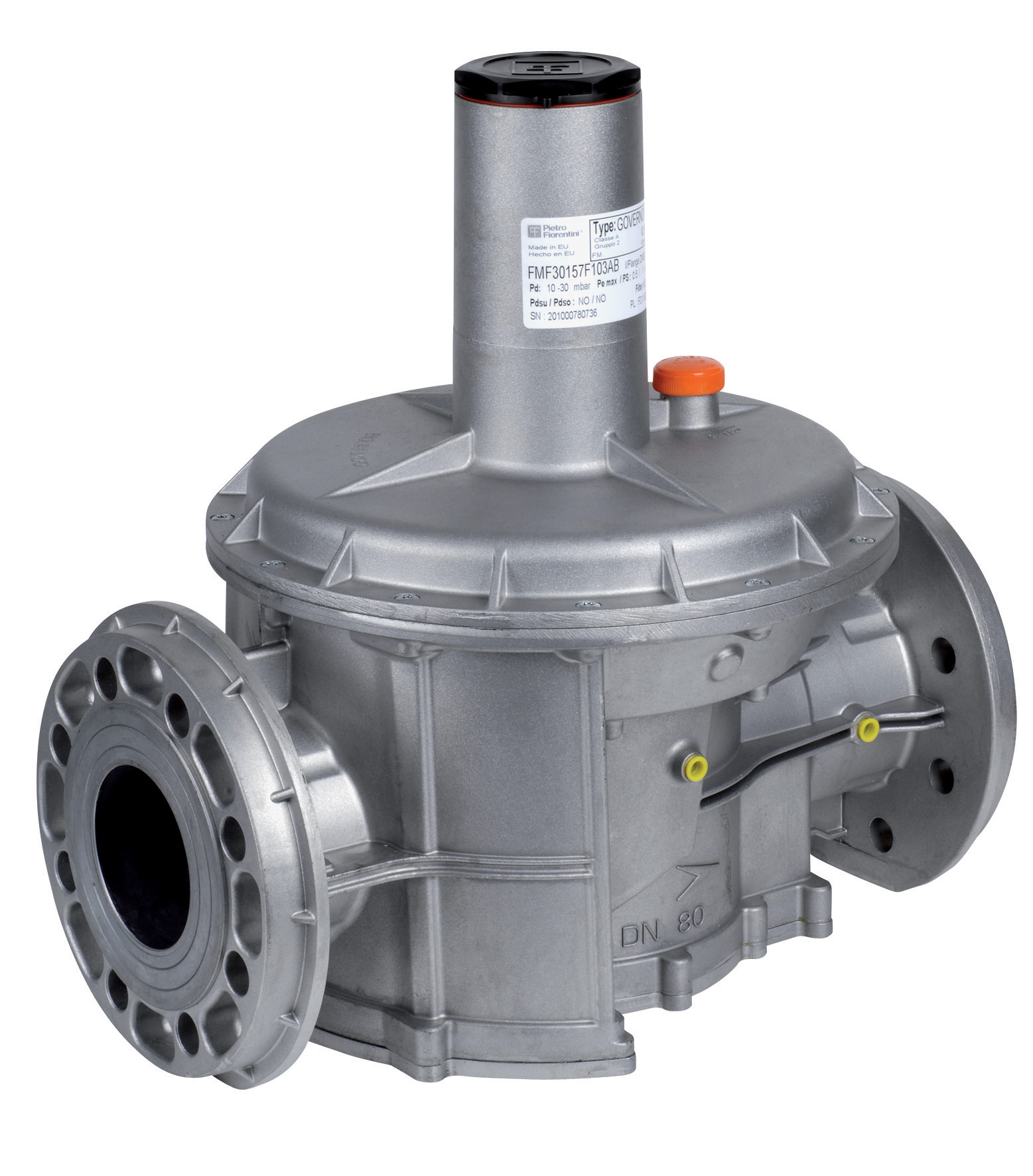
Standalone pressure regulators with flanged connections represent the traditional approach to gas pressure control in industrial applications. The CBM FAG regulator DN50 variant specifications illustrate this architecture: designed for inlet pressures to 500 mBar with outlet pressure adjustment from 5 to 300 mBar, these units employ double-diaphragm safety architecture and self-acting (pilot-operated) control mechanisms. The double safety diaphragm design provides redundancy—if the primary diaphragm fails, the secondary prevents uncontrolled pressure release.
Flanged connections (DN50 and DN65 variants) offer installation advantages for high-flow systems: they eliminate compression fittings that might fail under vibration or thermal cycling, common concerns in industrial HVAC environments across tropical Southeast Asia. Flange-mounted regulators also simplify maintenance—the assembly can be isolated and serviced without breaking compression fittings that may have corroded or seized after months of exposure to humid coastal environments.
For applications where gas supply pressure varies significantly throughout the day (such as peak-load industrial boiler systems), standalone pressure regulators provide transparent, passive control. They require no electrical supply, no calibration, and no integration with building management systems. This simplicity is particularly valuable in facilities with aging infrastructure or limited electrical capacity. The mechanical response of a regulator to pressure change is instantaneous—typically within 1-2 seconds for diaphragm-based designs—ensuring rapid stabilization even during dynamic load swings.
However, standalone regulators lack integrated safety cutoff, thermoelectric flame supervision, or temperature control. They cannot shut off gas flow automatically in response to pilot flame loss or temperature excursions. For applications requiring these safety functions, additional discrete components become necessary, potentially offsetting the simplicity advantage and increasing installation footprint. The modular approach requires more careful coordination during commissioning to ensure all safety interlocks function correctly across multiple independent components.
Integrated Multifunctional Control: The Minisit and VK-Series Approach
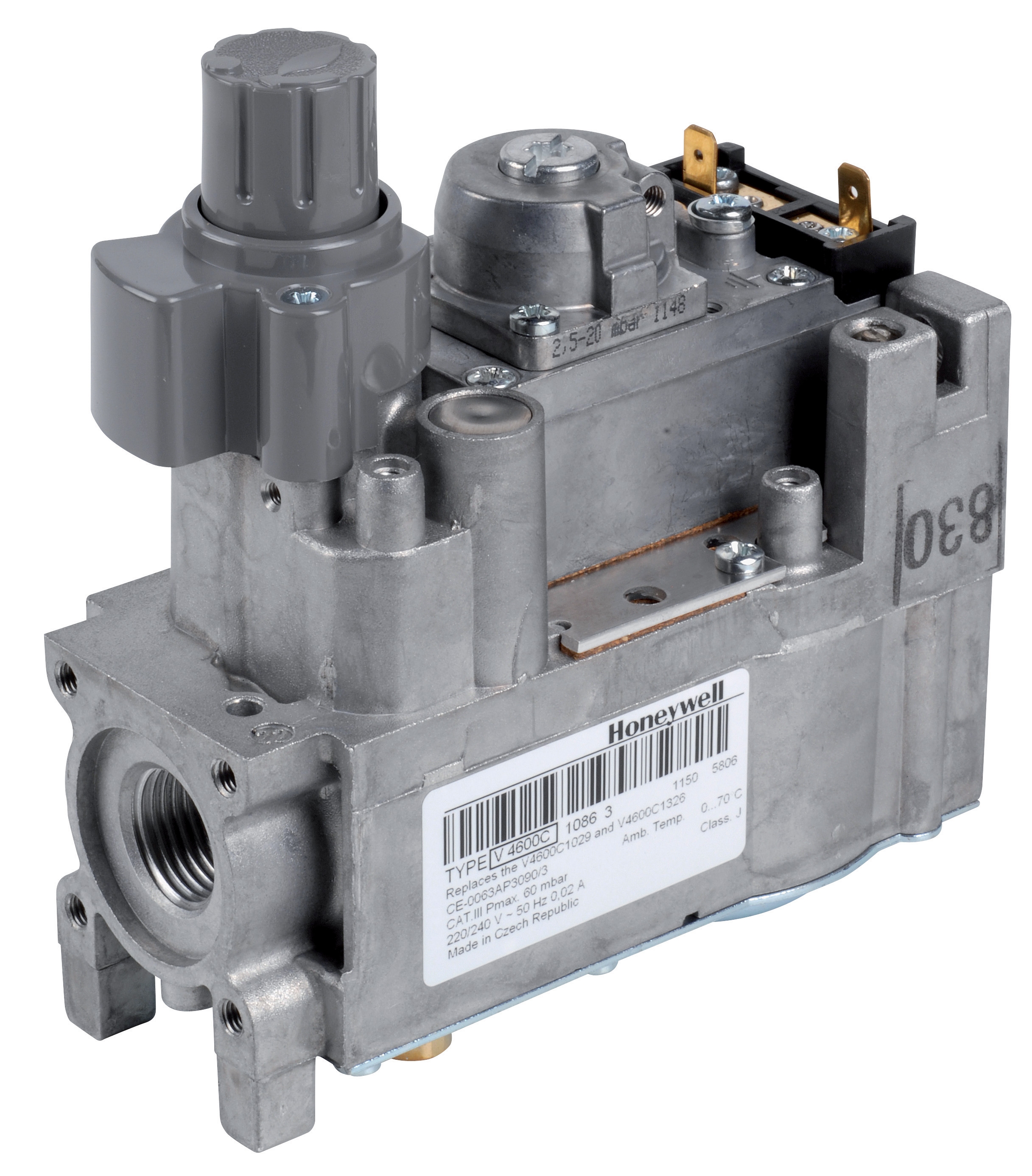
The CBM Minisit multifunctional gas control block exemplifies the integrated approach, combining thermoelectric flame supervision, pressure regulation, and temperature control within a single compact assembly. Designed for applications including stoves, boilers, catering equipment, and room heaters, the Minisit consolidates functions that would require four or five separate components in a modular system—thermocouple assembly, solenoid valve, pressure regulator, and pilot light.
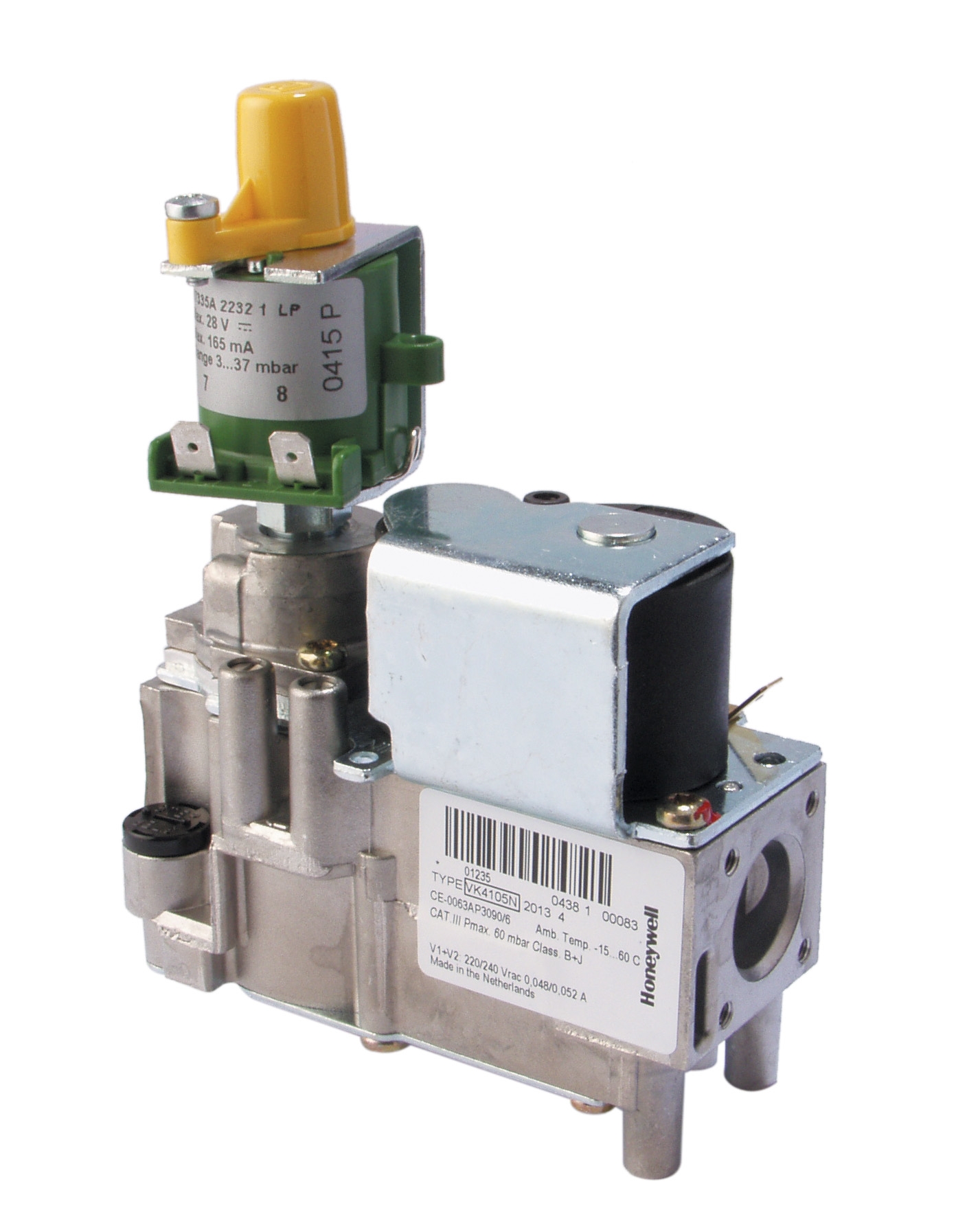
More advanced integrated systems like the VK 4105 N gas control block with modulating pressure regulation and the VK 4100 D softlite-opening variant add electronic modulation capability. These units interface with microcomputer-based control systems (such as the W9335 modulating control mentioned in technical documentation), enabling dynamic pressure adjustment based on real-time load calculations. For variable-load applications—particularly Southeast Asian facilities experiencing dramatic thermal swings between humid monsoon seasons and dry periods—this modulating capability provides significant energy efficiency advantages.
Integrated multifunctional blocks mandate electrical power supply (typically 220-240V for industrial models, 24V for certain variants). This requirement is often viewed as a disadvantage, but in modern commercial and industrial HVAC installations across Southeast Asia, electrical power is universally available. The advantage is that these integrated systems can be designed with redundant safety stages: if the solenoid pilot valve fails, thermoelectric flame supervision triggers shutdown; if pressure rises above safe limits, the regulator section limits flow automatically. These interlocked safety functions reduce the probability of dangerous failure modes.
Installation complexity differs markedly. A multifunctional block requires a single flange connection, minimal piping, and a single electrical circuit. A modular system using standalone pressure regulators requires multiple connection points, more extensive piping layout, and careful sequencing of safety interlocks—more potential failure points and greater installation labor. In space-constrained Southeast Asian installations, this density advantage is often decisive.
Real-World Application Scenarios: When Each Architecture Excels
Scenario 1: High-Pressure Industrial Gas Supply with Stable Load
A manufacturing facility in Singapore receives natural gas at 300 mBar from the municipal supply. The facility operates two large industrial boilers continuously at 80-90% load with minimal variation. In this scenario, a standalone flanged pressure regulator is optimal. The upstream pressure is stable, downstream demand is predictable, and no electronic flame supervision is required (pilot lights operate continuously). A single regulator set to 150 mBar outlet pressure provides all necessary control. Installation cost is minimal, maintenance is straightforward (annual diaphragm inspection), and failure mode analysis is simple.
Scenario 2: Variable-Load Catering Facility with Peak-Hour Demand Swings
A hotel kitchen in Bangkok operates multiple gas fryers, ovens, and griddles with highly variable demand—minimal usage during breakfast prep, maximum usage during lunch and dinner services, and shutdown overnight. Burner demand swings from 30% to 100% within minutes. An integrated system like the Minisit control block handles this variability efficiently. The thermoelectric flame supervision ensures pilots remain operational across multiple burner stations; the integrated pressure regulator automatically responds to demand swings without overshooting; the temperature sensor can trigger operational alerts if kitchen temperature exceeds safety limits. Installation requires a single gas inlet and a single electrical connection—critical in retrofit scenarios where adding piping and conduit is disruptive.
Scenario 3: District Energy System with Modulating Load Control
A large commercial complex in Kuala Lumpur operates a central heating plant serving multiple buildings. Building demand varies throughout the day based on occupancy, weather, and HVAC scheduling. A modulating system like the VK 4105 N with electronic modulating control interfaces with the building energy management system, continuously adjusting gas flow to match real-time demand. The system can reduce gas consumption 15-20% compared to on-off control by maintaining closer temperature regulation. Electronic modulation requires initial commissioning and periodic sensor calibration, but energy savings justify the investment for systems operating 8,000+ hours annually.
Technical Comparison: Pressure Regulators vs. Multifunctional Blocks
| Parameter | Standalone Pressure Regulators | Multifunctional Gas Control Blocks |
|---|---|---|
| Primary Function | Pressure stabilization only; mechanical diaphragm response | Integrated pressure, flame supervision, solenoid switching, temperature control |
| Electrical Requirement | None; purely passive mechanical operation | 220-240V AC or 24V DC depending on model; safety interlocks require power |
| Pressure Range (Inlet/Outlet) | Inlet 0-500 mBar; Outlet 5-300 mBar (configurable) | Inlet 0-500 mBar; Outlet 5-300 mBar with dynamic modulation on advanced models |
| Response Time to Pressure Change | 1-2 seconds (passive diaphragm response) | 0.5-2 seconds (combined mechanical + electronic control) |
| Safety Functions Integrated | Pressure limiting only; no flame supervision or automatic shutoff | Thermoelectric flame supervision, solenoid cutoff, pilot light monitoring, temperature limits |
| Installation Footprint | Compact standalone unit; requires separate solenoid, thermocouple, pilot assembly | Highly compact; integrates 4-5 functions; single connection point |
| Maintenance Burden | Diaphragm inspection annually; no calibration required | Annual thermocouple replacement; sensor calibration required on modulating models |
| Typical Annual Operating Hours Justified | 4,000-6,000 hours (simple, stable-load applications) | 6,000-12,000+ hours (variable-load, multi-burner, demand-responsive applications) |
| Failure Mode Safety Profile | Diaphragm rupture = uncontrolled pressure rise; requires external cutoff valve for safety | Solenoid failure = automatic shutdown; thermocouple loss = flame supervision cutoff; redundant safety stages |
| Energy Efficiency (Variable Load) | Fixed outlet pressure regardless of demand; no modulation = higher standby losses | Modulating models reduce flow to match load; 15-20% energy savings on variable applications |
| BMS Integration Capability | Not possible; no electrical signals or feedback | Full integration; sensors provide real-time pressure, temperature, flame status feedback to building controls |
| Typical Southeast Asia Applications | Fixed-load industrial boilers, pilot-only systems, high-pressure supply regulation | Commercial kitchens, district heating, variable-load industrial systems, retrofit commercial HVAC |
Selecting Components: Decision Framework for HVAC Contractors
The choice between standalone pressure regulators and multifunctional control blocks depends on five key criteria specific to your Southeast Asian project:
1. Load Variability: If downstream demand is stable and predictable (pilot-only systems, continuous-duty industrial equipment), standalone pressure regulators suffice. If burner demand swings more than ±30% during operation, multifunctional blocks with integrated feedback control are justified.
2. Installation Space: In retrofit applications or space-constrained environments (common in tropical Singapore and Hong Kong commercial installations), integrated multifunctional blocks minimize footprint. Greenfield industrial facilities with room for modular systems may prioritize serviceability.
3. Safety Function Requirements: Applications requiring automatic pilot light supervision and solenoid shutoff (modern commercial kitchens, hospitals, hotels) mandate integrated or semi-integrated systems. Simple industrial applications may meet code with standalone regulators plus external safety cutoff.
4. Electrical Infrastructure: Older facilities without reliable electrical supply may require non-electric pressure regulators. Modern commercial and industrial facilities across Southeast Asia have universal 220V availability, eliminating this constraint.
5. Total Cost of Ownership Over System Life: Calculate installation labor, component cost, annual maintenance, energy losses from non-modulating regulation, and failure risk over 10-15 years. For variable-load systems operating 6,000+ hours annually, integrated modulating systems often deliver 20-30% lower TCO despite higher initial component cost.
Supporting Components: Thermocouples, Pilot Lights, and Detection Systems
Both standalone and integrated systems require compatible supporting components. The CBM thermocouple SIT INT.600 is essential for multifunctional blocks, providing thermoelectric flame supervision feedback. The universal 2-flame pilot light with 3-position control works with both architectures, offering corrosion resistance critical for humid Southeast Asian environments.
For facilities requiring proactive gas leak detection (recommended by building codes across Singapore, Malaysia, and Thailand), standalone systems can be augmented with external detection networks. The 4-zone detection control unit monitors multiple sensor points, triggering alarms and potentially solenoid shutoffs if dangerous gas concentrations develop. Integrated multifunctional blocks increasingly incorporate detection feedback, enabling closed-loop safety systems.
The portable gas detector pen is essential commissioning equipment, verifying system integrity and pressure settings during startup across all Southeast Asian installations.
Standards and Certification Context for Southeast Asia
Both pressure regulator and multifunctional block designs must comply with regional standards. Products sold through 3G Electric meet European CE requirements (EN 126 for multifunctional devices, 90/396/EEC for gas appliances) and international standards including AGA (American Gas Association) and CGA (Canadian Gas Association) where applicable. Most Southeast Asian countries adopt European or international standards for industrial gas equipment; verify local requirements during procurement planning, particularly for safety-critical systems in Singapore and Malaysia.
Conclusion and Next Steps
The choice between standalone pressure regulation and integrated multifunctional gas control blocks is not about one technology being universally superior—it's about matching component architecture to specific application requirements. Standalone pressure regulators excel in simple, stable-load applications where mechanical reliability and minimal electrical integration are priorities. Multifunctional gas control blocks are optimal for variable-load, space-constrained applications where integrated safety functions, modulating efficiency, and building management system integration justify higher initial cost and more involved maintenance protocols.
For HVAC contractors and installers across Southeast Asia, the decision framework should emphasize actual load profiles, installation constraints, safety requirements, and long-term operating hours over component cost alone. Systems operating fewer than 4,000 annual hours favor simplicity; systems operating 6,000+ hours increasingly favor integrated solutions with energy modulation and closed-loop safety.
3G Electric has supplied both pressure regulation and multifunctional control solutions throughout Southeast Asia since 1990. Our technical team can assist with system design evaluation, component compatibility verification, and commissioning support for installations across industrial, commercial, and hospitality sectors. Contact our Singapore office to discuss specific project requirements—we'll provide detailed recommendations and competitive component specifications tailored to your facility's operational profile.