Oil Supply System Maintenance & Service: Pump Selection and Care for Industrial Burner Applications in Singapore
Industrial burner systems dependent on reliable oil supply represent critical infrastructure in manufacturing and facility operations across Singapore. The performance and longevity of these systems hinge on proper selection, installation, and ongoing maintenance of oil supply pumps and their associated control components. This guide addresses the technical requirements for maintaining optimal oil supply system performance, with specific focus on pressure regulation, flow rate management, and preventive maintenance protocols suited to Singapore's tropical operating environment. By understanding the relationship between pump specifications, pressure control systems, and solenoid valve coil requirements, facility managers and maintenance professionals can significantly reduce downtime and extend equipment lifespan.
Understanding Oil Supply System Architecture and Pressure Requirements
Modern industrial burner systems operate on carefully calibrated pressure delivery mechanisms that ensure consistent fuel atomization and combustion efficiency. The oil supply chain typically comprises three primary components: the fuel pump unit, pressure regulation systems, and electromagnetic control elements that govern flow switching and safety shutdown.
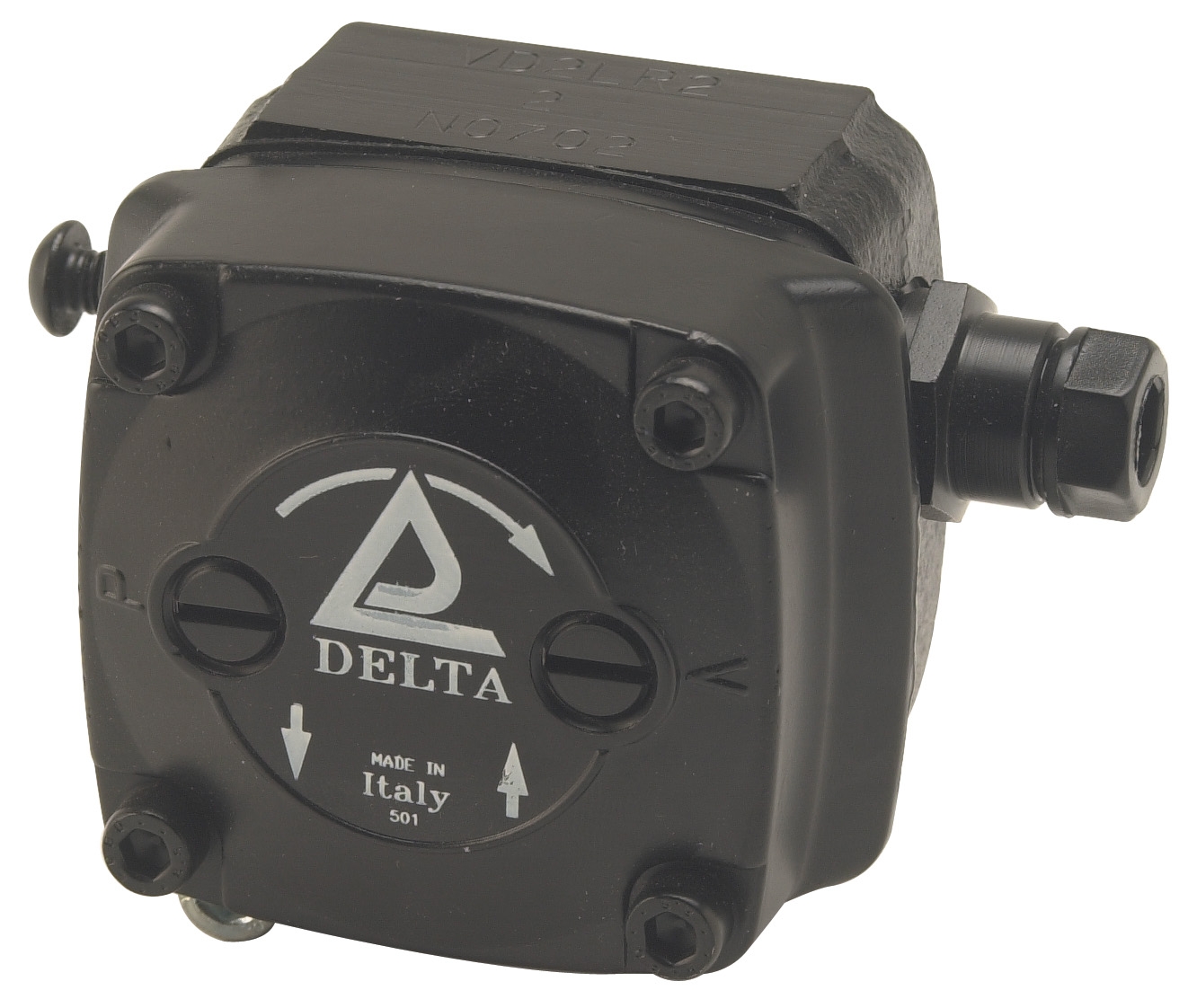
The CBM VD2 LR-2.2 low pressure pump exemplifies the DELTA fuel unit design—a compact, pressure-regulating pump manufactured to EN 225 international standards. This unit demonstrates several critical operational features: high suction capability enabling reliable priming from tank sources, suitability for both single and dual-pipe burner configurations, and integrated pressure regulation that maintains consistent delivery pressure across varying load conditions.
Pressure regulation forms the foundation of reliable burner operation. Industrial facilities in Singapore must accommodate ambient temperature variations (typically 25–35°C) and humidity levels that affect fuel viscosity and system responsiveness. Low-pressure pump systems generally maintain delivery pressures between 0.5 and 3.5 bar, depending on burner nozzle specifications and atomization requirements. The pressure must remain stable within ±5% tolerance to prevent flame instability, incomplete combustion, and nozzle fouling.
Solenoid valve coils serve as the electromagnetic control interface between the pump delivery system and the burner ignition sequence. The CBM Coil 1930.1814 230V VML rated for 2.5–3 inch valve bodies at 200 mbar demonstrates the voltage and pressure specifications necessary for reliable system startup and shutdown cycles. Similarly, the CBM Coil 24V AC for ELV7 series provides low-voltage safety switching for systems requiring redundant control architectures.
Understanding these pressure and voltage relationships enables facility managers to diagnose system anomalies before they result in complete burner failure. Pressure fluctuations exceeding ±10% often indicate pump wear, filter restriction, or regulator valve degradation—all conditions requiring immediate service intervention.
Pump Specifications and High-Performance Oil Delivery Systems
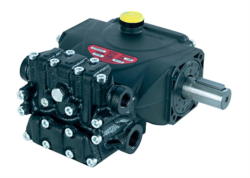
Industrial applications demanding higher throughput or elevated pressure delivery require understanding the performance envelope of commercial pump units. The Interpump PUMP 5015 R ATEX represents high-capacity oil delivery, with specifications including 15 L/min flow capacity, 500 bar maximum pressure rating (50 MPa), and 14.7 kW continuous power consumption. This unit operates at 1450 rpm rotation regime, delivering consistent performance across industrial-scale heating and burner applications.
The ATEX certification embedded in this pump designation carries significant implications for Singapore facilities: ATEX (ATmosphères EXplosibles) compliance indicates suitability for potentially explosive atmospheres, a critical safety requirement in refineries, petrochemical processing, and certain manufacturing environments. The pump's 19.5 kg mass and compact 351.5 × 242.5 × 195.5 mm dimensions facilitate integration into existing piping infrastructure without requiring major spatial modifications.
For moderate-duty applications, the Interpump WW90 series ( and WW0090BS-000) offers 8 L/min flow capacity at 90 bar pressure with only 1.47 kW power requirements. These units achieve 5.2 kg weight and occupy minimal footprint, making them ideal for retrofit installations and space-constrained facility configurations common in Singapore's compact industrial zones.
Critical maintenance considerations for high-pressure pump systems include regular fluid sampling, filter element replacement intervals, and mechanical seal inspection. Industrial burner systems utilizing high-capacity pumps should implement quarterly fluid analysis programs measuring viscosity, particle contamination (ISO 4406 cleanliness codes), water content, and acid number. This predictive maintenance approach identifies degradation before catastrophic failure occurs, reducing unplanned downtime costs by 40–60% compared to reactive maintenance protocols.
Pressure monitoring forms the second pillar of pump system maintenance. Installing calibrated instrumentation—such as the CBM Stainless Steel Axial Manometer D63 rated 0–400 mbar with ±1.6% accuracy—enables continuous pressure verification. This 63 mm dial gauge with G1/4 port compatibility integrates directly into pump discharge lines, providing real-time diagnostic data without requiring electronic equipment or specialized training.
Electrical Control Integration and Solenoid Valve Maintenance
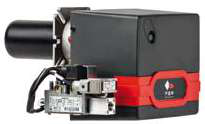
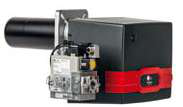
The FBR X GAS XP 60 CE TC EVO burner system (_41, metano variant) demonstrates industrial-scale combustion requiring synchronized solenoid valve control. Operating at 232–630 kW thermal output range with 250 mm nozzle geometry, this burner system demands precise fuel delivery sequencing managed through coordinated solenoid valve actuation.
Solenoid valve coil maintenance addresses both electromagnetic functionality and mechanical response characteristics. The CBM Coil 1930.1814 230V VML utilizes standard 230V single-phase power, common throughout Singaporean industrial facilities. These coils experience electromagnetic duty cycles numbering in the thousands per operational period—each startup sequence, load adjustment, and safety shutdown represents individual actuation events.
Maintenance protocols for solenoid coils include visual inspection for corrosion, dust accumulation, and moisture ingress—particularly critical in tropical Singapore environments where humidity regularly exceeds 80%. Annual coil testing using megohm resistance measurement (target minimum 1 megohm insulation resistance) identifies early-stage winding degradation before complete failure. Replacement coils should always match original specifications: voltage rating, pressure class, valve body bore size, and orifice diameter all influence proper system operation.
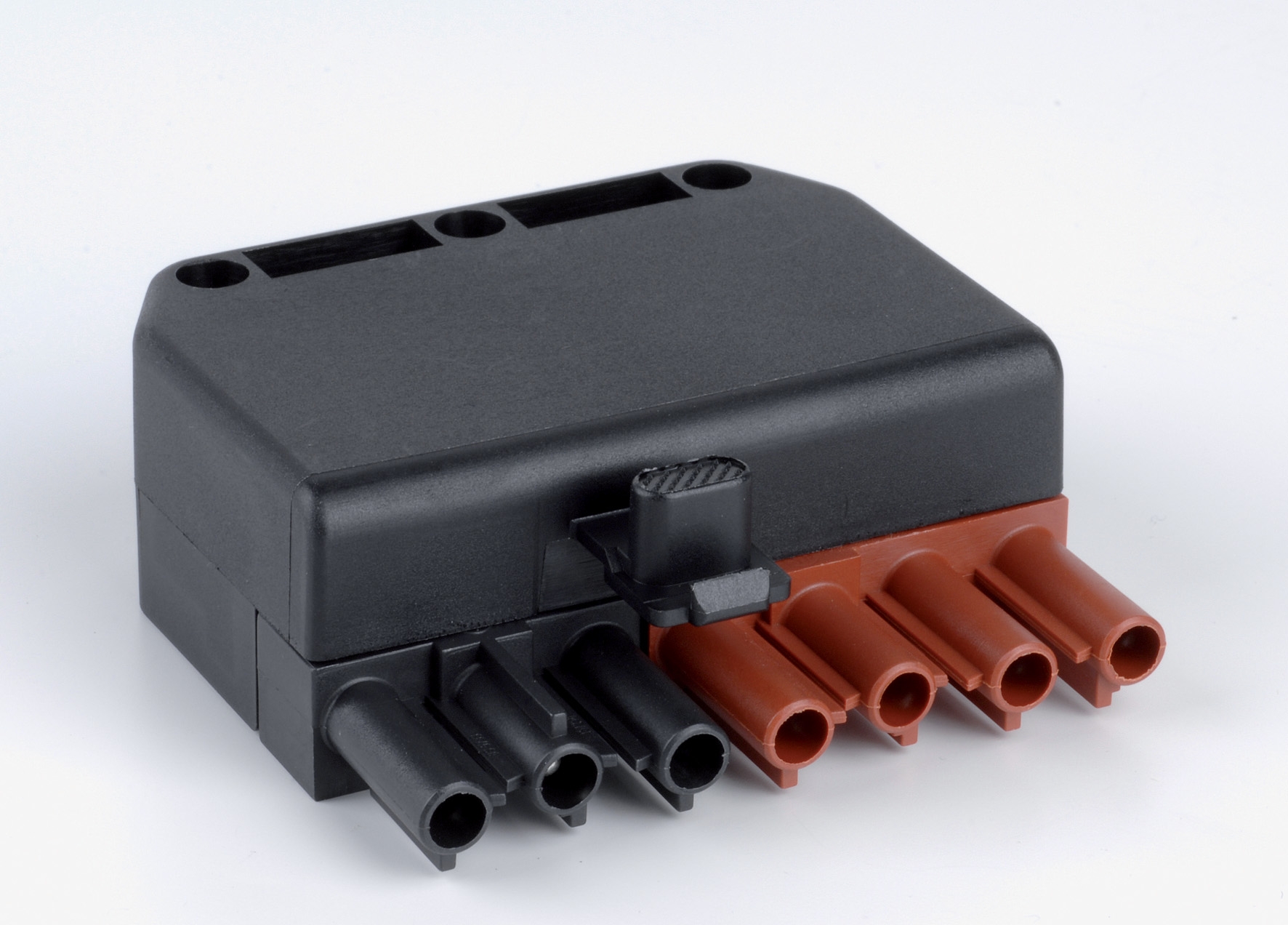
The 7-pole male connector provides robust electrical interface between control systems and solenoid coils. In maintenance operations, connector verification ensures proper pin alignment and contact pressure, preventing voltage drops and intermittent electrical faults that produce unreliable burner ignition.
Real-World Application: Multi-Burner Facility Maintenance in Singapore Context
A typical Singapore-based manufacturing facility operating three 200 kW capacity industrial burners for process heating implements comprehensive oil supply system maintenance as follows:
Baseline Configuration: Each burner operates with a CBM VD2 LR-2.2 low pressure pump providing consistent pressure regulation, 230V solenoid valve coil for primary fuel control, and backup 24V AC coil circuit for safety shutdown functionality.
Preventive Maintenance Schedule: Monthly visual inspections verify coil body integrity and connector corrosion status. Quarterly fluid sampling measures contamination levels and viscosity—critical in tropical climates where temperature fluctuations from 28–35°C affect oil properties. Semi-annual pump seal inspection and lubrication maintains mechanical reliability. Annual coil replacement on rotation basis (one burner per quarter) prevents catastrophic failure during peak demand periods.
Diagnostic Protocol: Baseline pressure readings recorded during commissioning (typically 1.5–2.2 bar for low-pressure systems) establish performance benchmarks. Monthly readings exceeding ±15% variance trigger immediate regulator inspection. Flame monitoring sensors integrated with burner control systems provide real-time combustion feedback, indicating fuel delivery quality and atomization effectiveness.
Outcome: Facilities implementing this structured maintenance approach report mean time between failures exceeding 18 months compared to 6–8 months with reactive-only protocols. Annual downtime typically reduces from 40–60 hours to 8–12 hours, with proportional reduction in emergency service call costs.
Selection Criteria and Best Practices for Oil Supply System Components
Selecting appropriate oil supply system components requires systematic evaluation across five primary criteria:
Flow Rate Requirement: Determine burner fuel consumption in liters per hour from equipment documentation. Low-pressure systems typically require 1–15 L/min capacity; high-capacity applications may demand 20+ L/min. The CBM VD2 LR-2.2 suits most standard commercial burners, while the Interpump 5015 ATEX addresses industrial-scale operations requiring 15 L/min at elevated pressure.
Pressure Class: Match pump pressure rating to burner nozzle specifications. Low-pressure nozzles operate 1.5–3 bar; medium-pressure systems require 5–10 bar capacity. ATEX-rated units like the W5015 accommodate explosive atmosphere classifications necessary in petrochemical environments.
Voltage Supply Availability: Confirm facility electrical infrastructure—230V single-phase (CBM ELK26121), 24V AC/DC (CBM ELV93006), or three-phase (FBR burners) requirements. Tropical humidity in Singapore demands proper enclosure ratings (minimum IP54) for electrical components to prevent moisture-related failures.
Redundancy Architecture: Critical applications benefit from dual solenoid valve circuits (primary and safety shutdown) with independent coil specifications. This configuration prevents single-point failures and satisfies insurance and regulatory requirements in certain industrial classifications.
Maintenance Accessibility: Component selection should prioritize field serviceability—replaceable pump seals, accessible filter elements, and standardized coil interfaces reduce service time and associated costs.
Proper maintenance and service of oil supply systems extends component lifespan, improves combustion efficiency, and reduces unplanned downtime in industrial operations throughout Singapore. By implementing structured preventive maintenance protocols, utilizing calibrated instrumentation for performance verification, and maintaining current knowledge of system component specifications, facility managers optimize reliability and operational cost performance.
3G Electric has served Singapore's industrial equipment needs since 1990, maintaining inventory of quality solenoid valves, coils, and control components along with oil supply pumps and pressure regulation systems. Our technical team provides application support and maintenance & service guidance for all products in our portfolio. For specific system design assistance or component selection support tailored to your facility requirements, contact our Singapore-based technical specialists to discuss your oil supply system infrastructure and maintenance objectives.