Oil Supply Systems & Fuel Unit Maintenance: A Technical Guide for Industrial Burner Operations in Singapore
Industrial burner systems depend on reliable oil supply infrastructure to maintain consistent combustion performance and operational safety. Whether managing a single burner installation or a complex multi-burner facility, understanding the mechanics of fuel delivery systems is critical for maintenance professionals across Singapore's industrial sector. This article explores the technical fundamentals of oil supply systems, focusing on pressure regulation, pump operation, and maintenance protocols that ensure optimal burner performance. By examining real equipment specifications and operational best practices, we provide the technical depth required to diagnose system issues, plan preventive maintenance, and select appropriate replacement components.
Understanding Oil Supply System Architecture
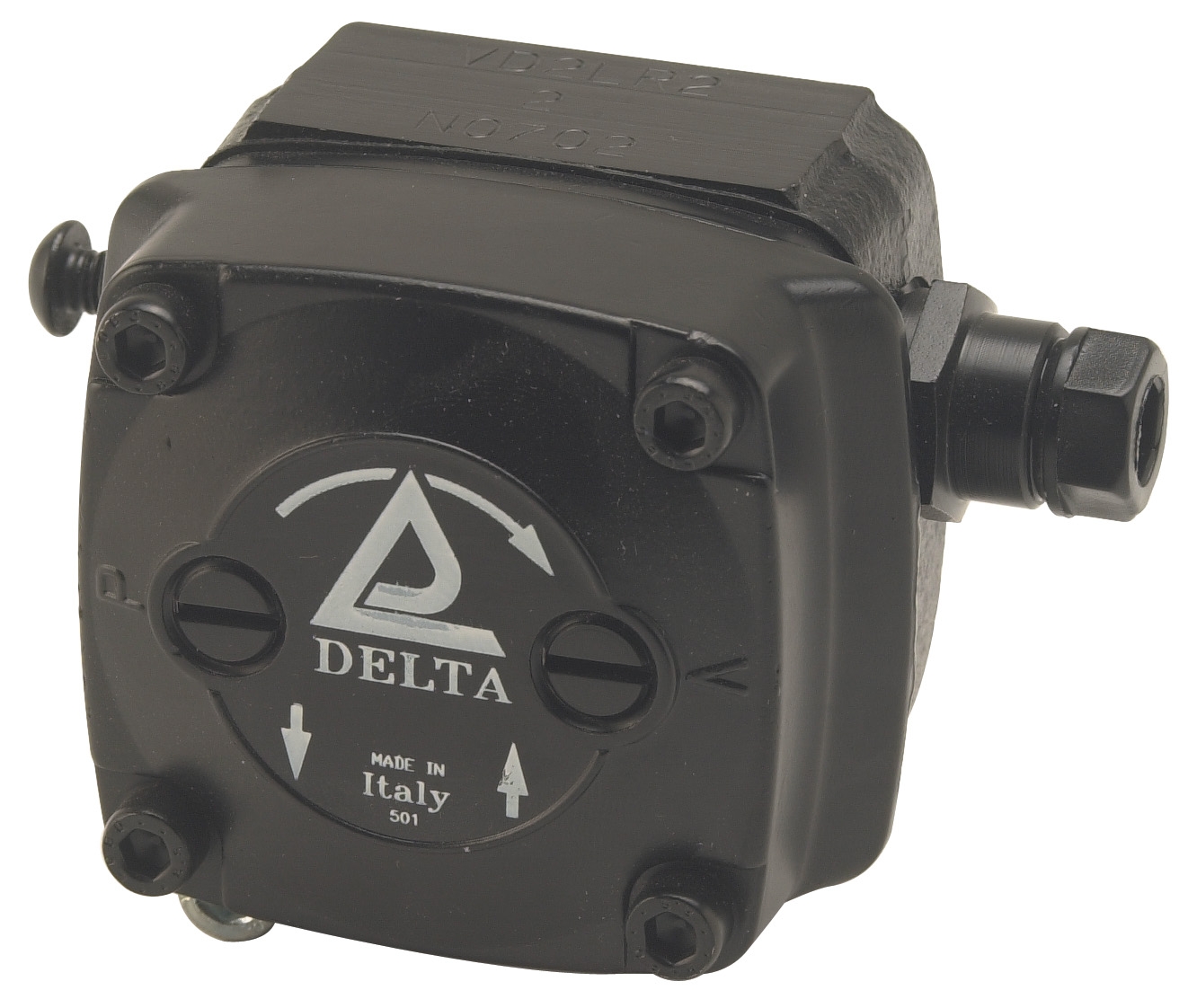
Modern industrial oil supply systems operate as integrated fuel delivery networks comprising three primary functional components: the fuel source (storage tank), the delivery mechanism (pump assembly), and pressure regulation infrastructure. Unlike gas burner systems, oil requires mechanical pumping to overcome resistance and deliver fuel at precise pressures to the burner nozzle. The CBM VD2 LR-2.2 low pressure pump exemplifies contemporary fuel unit design, engineered to EN 225 international standards for direct flanging compatibility with most oil burner models.
Pressure regulation is fundamental to system performance. Oil burners typically require supply pressures between 0.8 and 6 bar, depending on nozzle type and burner capacity. The pump generates pressure by forcing oil through the fuel line against the burner's demand resistance. A critical distinction exists between one-pipe and two-pipe systems: one-pipe configurations return excess fuel to the tank through the pump body itself, while two-pipe systems use dedicated return lines. The CBM VD2 LR-2.2 supports both configurations, providing operational flexibility for retrofit and new installations.
Pressure stability directly impacts combustion quality and nozzle longevity. Fluctuating pressures cause inconsistent spray patterns, leading to incomplete combustion, increased emissions, and accelerated nozzle wear. Professional maintenance protocols mandate pressure monitoring at multiple system points: tank inlet, pump discharge, and burner supply. This multi-point measurement strategy identifies performance degradation before it manifests as operational failures.
Suction capability represents another critical performance parameter often overlooked during maintenance planning. The CBM VD2 LR-2.2 features high suction capability with self-priming functionality, enabling reliable startup even after extended shutdowns. Maintenance teams must verify suction performance periodically, as air leaks in inlet lines progressively degrade pump performance and fuel delivery consistency.
Pump Technology & Pressure Regulation Components
Oil supply pumps operate on positive displacement principles, meaning they deliver fixed volumes of fluid per revolution regardless of downstream pressure resistance (within design limits). This characteristic distinguishes gear pumps from centrifugal designs and makes them ideal for fuel delivery applications where consistent supply is essential. The CBM VD2 LR-2.2 incorporates integrated pressure regulation, eliminating the need for external regulators in standard installations.
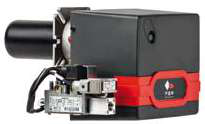
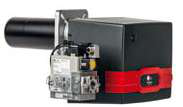
Pressure relief mechanisms function as safety devices and performance optimizers. When system pressure exceeds the pump's regulating set-point, internal relief valves open, bypassing excess fuel back to the tank. This prevents overpressurization that could damage injectors or fuel lines, while simultaneously controlling system temperature. For high-capacity industrial burners like the FBR X GAS XP 60 CE TC EVO (_41), which operates at maximum power of 630 kW with minimum capacity of 232 kW, pressure regulation becomes increasingly critical as the system modulates between firing rates.
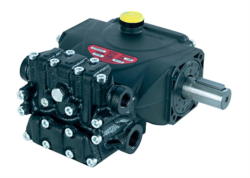
Practical specifications for the Interpump PUMP 5015 R ATEX illustrate performance parameters for industrial-duty fuel pumps. Operating at 500 bar pressure (50 MPa / 7250 psi) with 15 L/min flow capacity and 14.7 kW power consumption, this unit serves high-demand applications requiring robust pressure margins. The ATEX certification indicates suitability for hazardous area installations—a common requirement in Singapore's petrochemical and manufacturing facilities.
For standard burner applications, lower-pressure systems prove more cost-effective and reliable. Medium-pressure pumps typically operate in the 90-150 bar range, providing adequate reserve capacity for pressure transients while reducing component stress. Understanding your specific burner's pressure requirements—documented in equipment technical specifications—ensures proper pump selection and prevents over-specification that increases energy consumption without performance benefit.
Solenoid valve coils control fuel flow electro-mechanically, responding to burner control signals. The CBM Coil 1930.1814 230V VML 2"1/2-3" 200mbar operates at 230V AC for standard industrial installations, providing reliable on-off control at low pressure differentials. For systems requiring 24V DC control, the CBM Coil 24V AC for ELV7....2/4/6/8 offers compatibility with modern PLC and building automation systems. Coil maintenance requires periodic inspection for mechanical stiction and electrical continuity verification.
Real-World Application Examples in Singapore Industrial Facilities
Singapore's manufacturing sector relies extensively on industrial heating applications—food processing, chemical production, textile manufacturing—where reliable oil supply systems operate continuously or in multi-shift cycles. Consider a typical food processing facility operating a 300 kW oil burner for product drying applications. The installation uses a CBM VD2 LR-2.2 pump to deliver consistent fuel flow to the nozzle, with pressure monitoring at tank inlet and burner supply points.
During routine maintenance, the technician measures inlet pressure (should indicate tank pressure ±0.2 bar), discharge pressure (typically 3.2-3.5 bar for this application), and supply pressure at the burner connection (should equal discharge pressure within 0.3 bar accounting for line friction). Any deviation from baseline readings indicates potential issues: inlet pressure drops suggest air leaks or strainer blockage; discharge-to-supply pressure differentials exceeding 0.5 bar indicate line restrictions or failing pressure regulators; fluctuating pressures often trace to cavitation in the pump inlet, commonly caused by low tank level or restricted suction filters.
In a petrochemical facility, a high-capacity burner system like the FBR X GAS XP 60 CE TC EVO (operating up to 630 kW) demands rigorous pressure control and monitoring. This installation typically incorporates redundant pressure transducers feeding into the burner control system, enabling automatic load modulation between the 232 kW minimum and 630 kW maximum. If either pressure transducer signals abnormal values, the burner cycles to minimum capacity or shuts down, preventing overpressurization damage. Such sophisticated systems require quarterly calibration verification and annual sensor replacement per manufacturer specifications.
Electronics manufacturing facilities in Singapore often operate in climate-controlled environments where ambient temperature variations affect oil viscosity and pump performance. Winter-grade oil transitions to summer-grade specifications at seasonal changes, requiring documented system purging and filter replacement procedures. Predictive maintenance programs in these facilities measure pump discharge temperature monthly—excessive temperatures (above 65°C) indicate excessive friction losses, often from worn pump internals requiring overhaul.
Selection Criteria & Maintenance Best Practices
Selecting appropriate fuel supply components requires matching three critical parameters: burner fuel flow demand (typically 2-15 L/min for most industrial applications), required discharge pressure (dictated by nozzle type and size), and system configuration (one-pipe or two-pipe return). The CBM VD2 LR-2.2 suits low to medium capacity burners (up to approximately 300 kW equivalent oil input) in both system configurations, providing reliable performance with minimal maintenance overhead.
For high-performance or hazardous-area applications, robust pump specifications become essential. The Interpump PUMP 5015 R ATEX delivers 15 L/min at 500 bar—specifications suitable for large-scale industrial burners or multiple burner manifold systems requiring pressure margin for downstream control valves and regulators.
Maintenance best practices for Singapore industrial facilities include: (1) Monthly visual inspection of pumps, fuel lines, and connections for leaks or corrosion; (2) Quarterly pressure verification at minimum three system points with calibrated gauges—consider the CBM Stainless steel axial manometer D63 0/+400Mbar G1/4 for field measurement reliability; (3) Semi-annual filter replacement on both suction and return lines, critical for pump longevity; (4) Annual system flushing with appropriate fuel grade, particularly before seasonal transitions; and (5) Biennial pump overhaul or replacement based on operating hours and measured performance degradation.
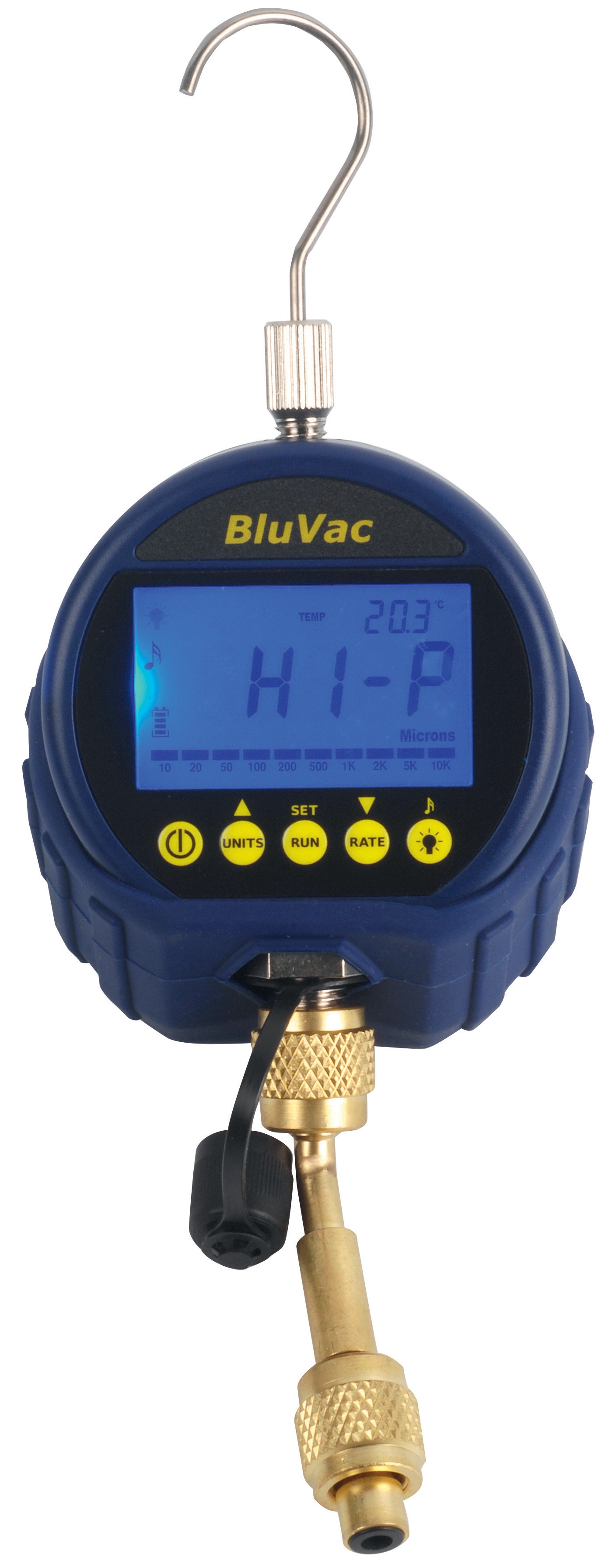
Documentation discipline significantly extends equipment service life. Maintain detailed logs capturing pressure readings, temperature measurements, filter replacement dates, and any repairs. This data enables trending analysis—a 10% annual pressure drop might indicate normal wear; a 20% drop over six months signals urgent intervention. Digital measurement tools like the CBM Digital vacuum gauge BluVac provide permanent data storage and trending capabilities for advanced facilities.
Conclusion
Effective oil supply system maintenance prevents costly burner shutdowns, extends equipment service life, and ensures optimal combustion efficiency throughout Singapore's industrial sector. By understanding pressure regulation principles, implementing rigorous monitoring protocols, and following documented maintenance schedules, industrial facilities maintain reliable heating operations. The selection of appropriate fuel pumps and supply components, combined with proper solenoid valve controls and pressure measurement instruments, forms the foundation of dependable system performance.
Whether managing routine maintenance or planning system upgrades, 3G Electric's technical expertise and comprehensive inventory of gas and fuel control components support industrial operations across Singapore. Our team of application specialists understands the specific challenges of local manufacturing and processing facilities. Contact 3G Electric today to discuss your oil supply system requirements, schedule a technical assessment, or arrange component replacement. With over 30 years serving Singapore's industrial sector, we provide the technical guidance and quality components your facility depends on for uninterrupted operations.