Multifunctional Gas Control Blocks: Design, Operation & Selection in Singapore Industrial Settings
Gas control blocks represent one of the most critical components in modern HVAC and industrial heating systems operating across Singapore. These integrated devices combine multiple functions—flame supervision, pressure regulation, temperature control, and safety shutoff—into a single compact assembly, reducing installation complexity while enhancing system reliability. For HVAC contractors and installers, understanding the internal architecture and selection criteria for multifunctional gas control blocks directly impacts commissioning efficiency, system performance, and customer safety outcomes. This technical explainer examines the design principles, operational mechanisms, and practical selection strategies for gas control blocks in Singapore's industrial environment.
How Multifunctional Gas Control Blocks Work: Core Operating Principles
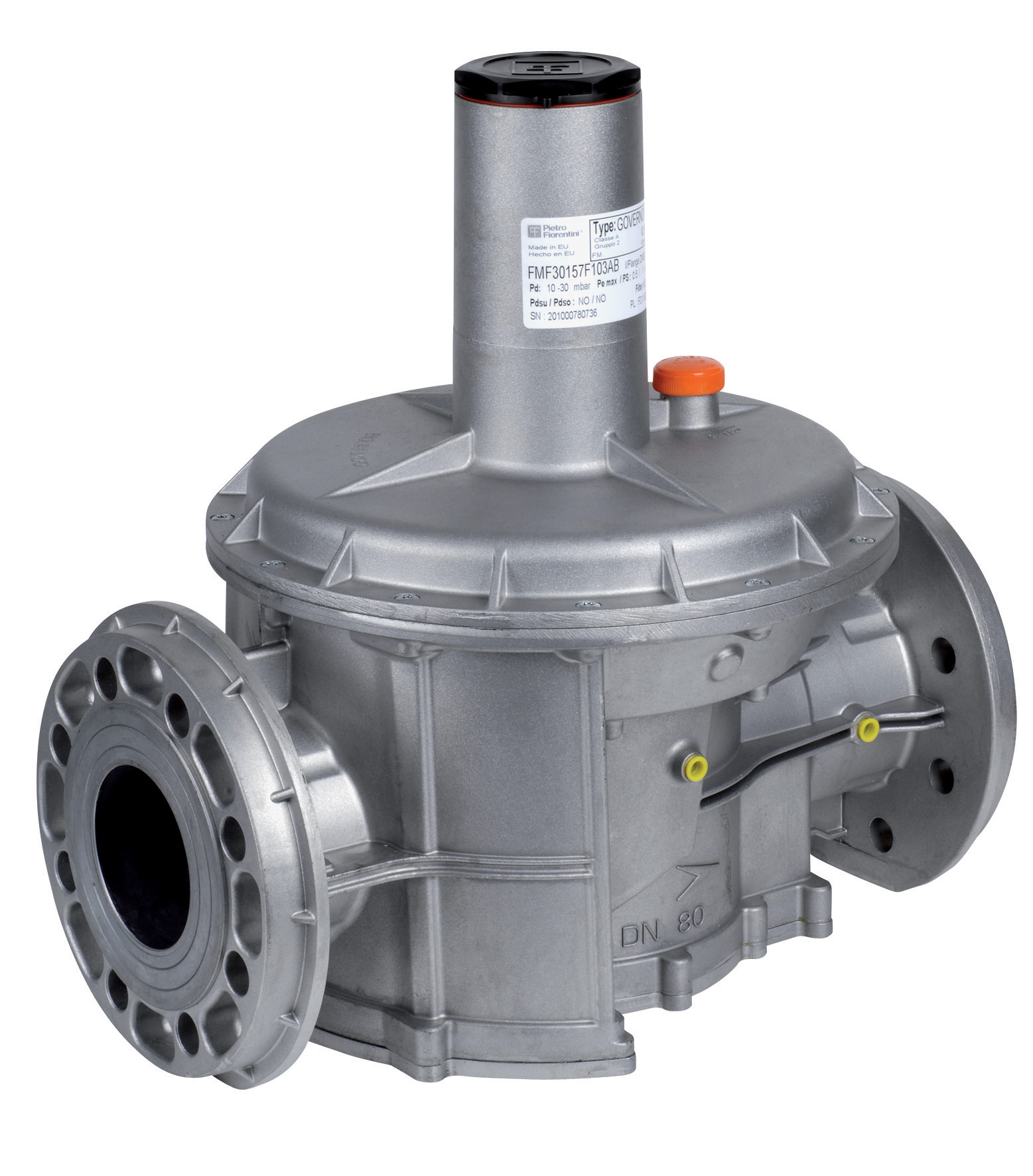
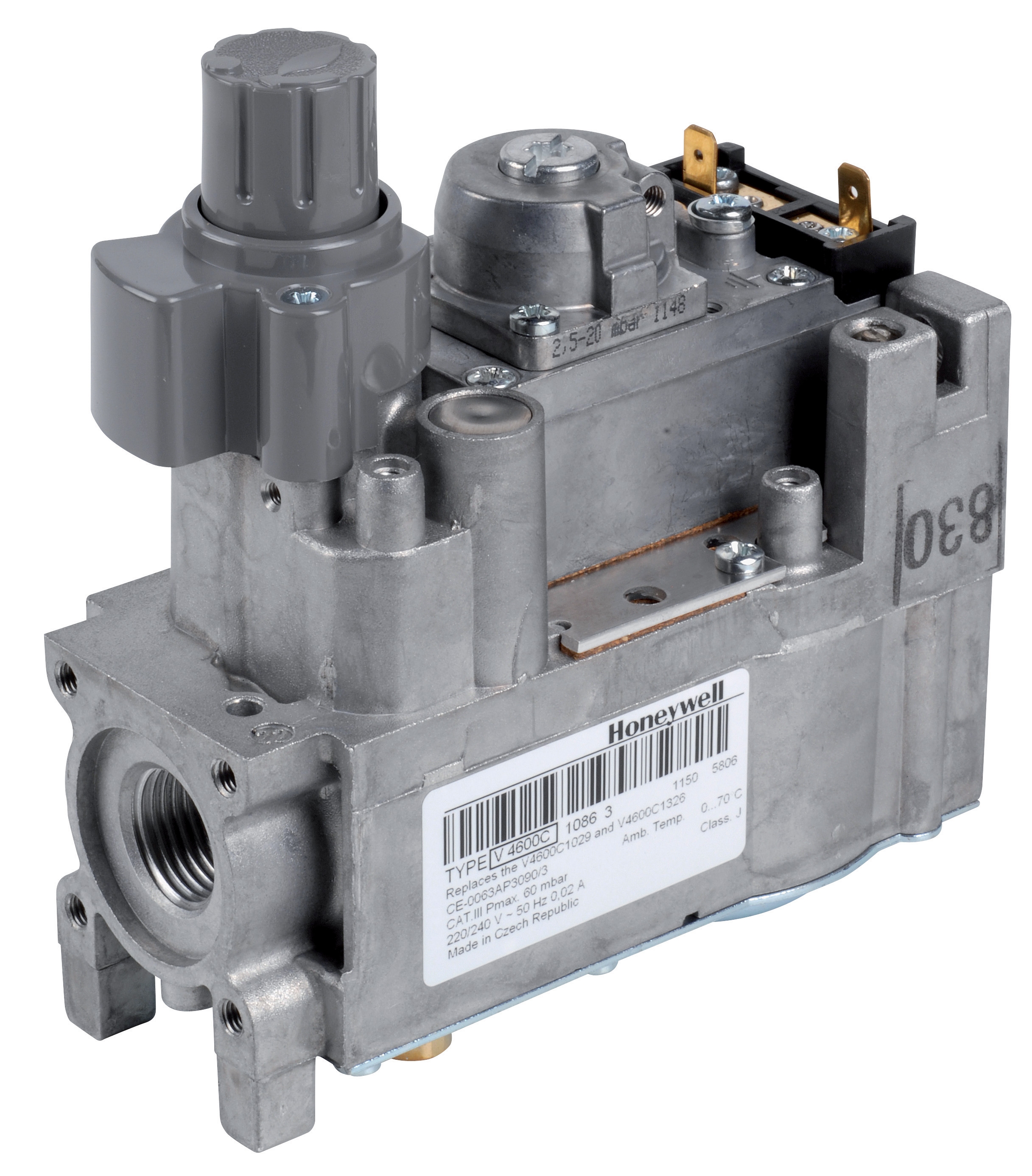
Multifunctional gas control blocks integrate three core subsystems within a single valve body: the main gas valve, the pressure regulator, and the thermoelectric flame supervision device. Unlike standalone components, this integration eliminates intermediate piping connections, reduces potential leak points, and simplifies control logic.
Thermoelectric Flame Supervision is the foundational safety mechanism. A thermocouple—typically made from dissimilar metal pairs (commonly nickel-cobalt and nickel-aluminum alloys)—is positioned in the pilot flame. When heated to 600–700°C, the thermocouple generates a small DC voltage (approximately 20–30 millivolts) through the Seebeck effect. This voltage energizes an electromagnet that holds the main gas valve open. If the pilot flame extinguishes, voltage ceases within seconds, the solenoid de-energizes, and the main gas supply closes, preventing unburned gas accumulation—a critical safety requirement under Singapore's building codes and international standards (EN 126, IEC 60730-2-9).
Integrated Pressure Regulation ensures consistent gas delivery across varying inlet pressures and demand cycles. Multifunctional blocks typically employ a balanced double-diaphragm regulator design that responds to downstream pressure changes, adjusting the valve orifice opening to maintain set outlet pressure (commonly 1–7 mbar for residential applications, up to 500 mbar for industrial burners). This self-acting mechanism requires no external power and provides rapid response to load fluctuations characteristic of modulating burners.
Temperature Control Integration in advanced models allows the block to monitor and limit flame temperature or system outlet temperature, protecting downstream components and improving efficiency. This functionality is particularly valuable in commercial boiler applications where thermal cycling stress accelerates component fatigue.
Technical Specifications and Component Architecture: CBM Multifunctional Blocks
The CBM Minisit gas block exemplifies compact multifunctional design, integrating thermoelectric flame supervision, pressure regulation, and temperature control in a footprint suitable for stoves, boilers, and catering equipment. The Minisit architecture combines a solenoid-operated main valve with a self-acting pressure regulator and thermocouple socket, meeting EN 126 requirements for multifunctional devices in gas appliances.
Key Technical Parameters:
- Thermocouple Type: Requires exclusive use of SIT-specification thermocouples (e.g., CBM Thermocouple Sit INT.600) with precise voltage output and response time matching. Incompatible thermocouples result in delayed flame supervision response or nuisance shutoffs.
- Pressure Rating: Standard inlet pressure 1–7 mbar; outlet regulation typically ±10% of set point under load variation
- Gas Types: Natural gas, propane, and butane compatible models; manifold design prevents cross-contamination
- Pilot Flame Requirements: Minimum pilot flame height 6–8 mm; insufficient flame impinges thermocouple detection range
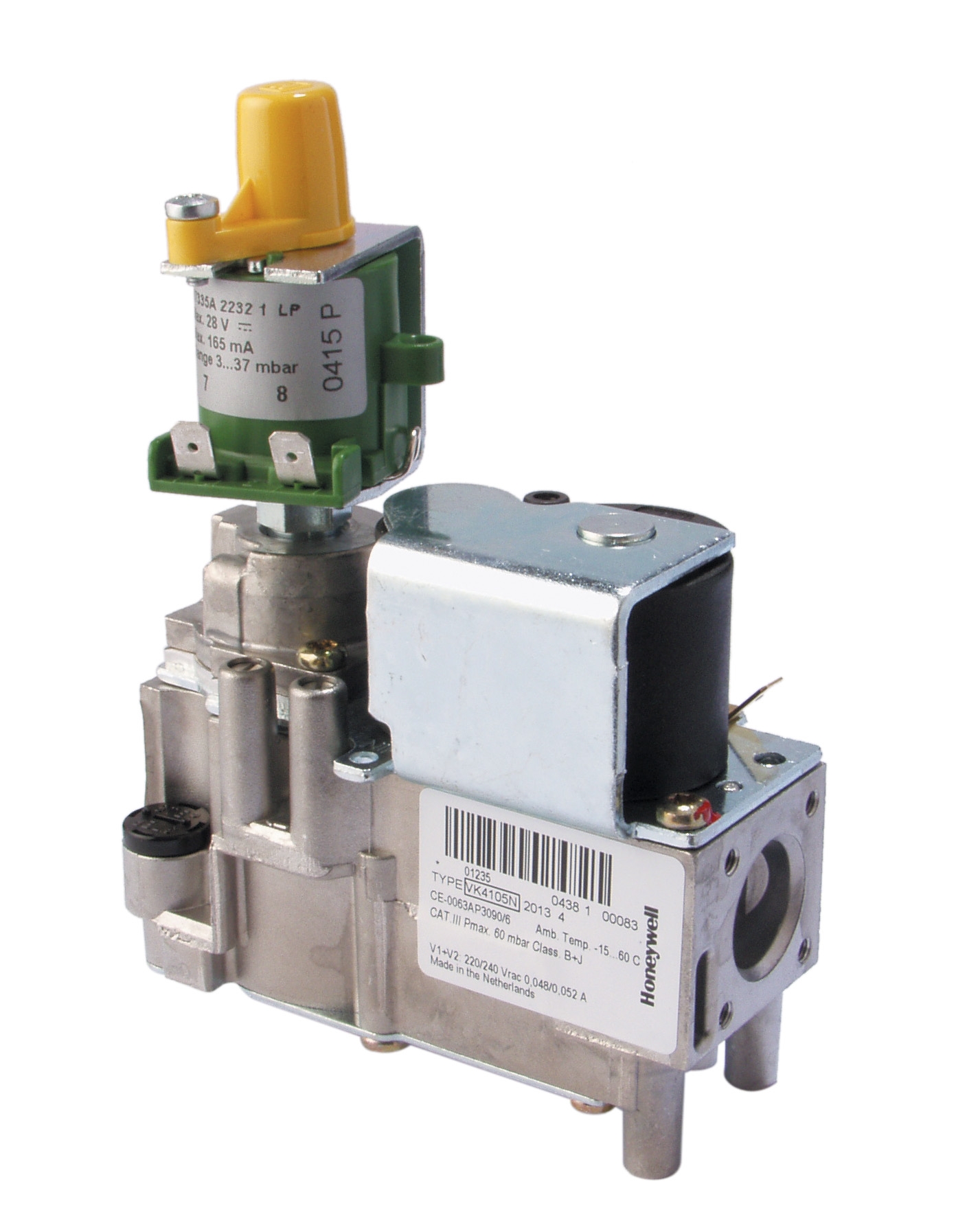
For larger industrial applications, the CBM VK 4105 N 2013 U and CBM VK 4100 D 1025 U gas control blocks employ modulating pressure regulators and electric ignition systems, enabling soft-lighting operation (gradual flame buildup) that reduces thermal stress and noise. These blocks are rated for 220–240V AC supply and integrate with advanced microcomputer-based modulating controls, making them suitable for commercial boiler systems with variable heat demand.
Filtration Consideration: Gas entering multifunctional blocks must pass through a coalescing filter to remove moisture, dust, and oil vapor that corrode diaphragms and plug orifices. The CBM Filter cartridge 10604/5/6 00BA is sized to precede pressure regulators, with typical replacement intervals of 6–12 months depending on gas supply quality in your region.
Real-World Application: Industrial Boiler Systems in Singapore
A typical industrial boiler installation in Singapore's food manufacturing sector required upgrading an older modulating burner system. The original mechanical pressure governor was producing ±15% pressure variation at the burner inlet, causing flame instability and fuel trim oscillation. The facility operates on piped natural gas (typical supply pressure 20–25 mbar) and required soft-lighting capability to minimize thermal shock to 200 kW boiler tubes.
Retrofit solution: Installation of the CBM VK 4105 N 2013 U with integrated electric modulating regulator and integrated solenoid shutoff. The block's modulating pressure regulator responds to control signal (0–10V) from the boiler's microprocessor-based controller, adjusting outlet pressure from 5–300 mbar in real-time. Upstream filter cartridge and pressure gauges were installed for diagnostics.
Outcome: Pressure stability improved to ±5%, burner flame became visibly stable across modulation range (20–100% load), and thermal stress cycling reduced by 40% based on boiler tube temperature logging. System commissioning time was halved due to integrated design eliminating intermediate connections.
Selection Criteria and Best Practices for Singapore Installations
1. Match Pressure Regulation Range to Burner Inlet Requirement
Burner specifications define minimum and maximum inlet pressure (typically 1–7 mbar for atmospheric burners; 10–500 mbar for force-draft burners). Select a block whose regulator outlet range encompasses this window with at least 1 mbar margin.
2. Verify Thermocouple Compatibility
Always specify SIT-brand thermocouples with correct voltage output and time constant. Non-compatible thermocouples cause unpredictable flame supervision response. When replacing pilot assemblies, replace thermocouples simultaneously.
3. Assess Supply Gas Quality
Singapore's piped natural gas is relatively clean, but installations drawing from bottled propane or older distribution networks require coalescing filtration. Specify filter cartridges with 10 µm nominal rating upstream of pressure regulators.
4. Soft-Lighting vs. Fast-Opening
Soft-lighting (modulating) blocks reduce burner noise and thermal cycling but require 220V electrical supply and compatible control signals. Fast-opening blocks are simpler but create audible flame ignition and higher thermal shock—acceptable for batch-load applications but unsuitable for sensitive thermal processes.
5. Pilot Flame Supervision Design
For systems operating 24/7 in food or pharmaceutical environments, specify blocks with proven pilot stability (CBM Universal pilot lights with 2-flame design provide redundancy). Ensure pilot can be manually relit without full system reset during brief outages.
Safety and Compliance in Singapore
All gas control blocks must comply with Singapore's Building and Construction Authority (BCA) standards and international gas appliance directives. Multifunctional blocks rated under EN 126 carry CE marking confirming thermoelectric flame supervision performance and pressure regulation accuracy. When specifying blocks for retrofit installations, confirm original equipment compatibility before installation to avoid voiding system warranties.
Commissioning checks should include: (1) thermocouple voltage measurement under pilot flame (minimum 18 mV); (2) pressure regulator outlet accuracy at 25%, 50%, and 100% load; (3) solenoid shutoff response time (maximum 2 seconds); (4) pilot flame stability over a 30-minute run-in period.
Conclusion and Next Steps
Multifunctional gas control blocks simplify HVAC system design while integrating critical safety functions into a single compact assembly. Understanding thermoelectric flame supervision principles, pressure regulation mechanics, and component compatibility is essential for contractors specifying and commissioning these devices in Singapore's industrial and commercial sectors.
If you're planning a boiler retrofit, upgrading a burner control system, or commissioning a new installation requiring multifunctional gas control blocks, 3G Electric's technical team can provide detailed specification guidance tailored to your application and gas supply conditions. Contact our industrial equipment specialists to discuss your project requirements and access product documentation for CBM control blocks and compatible components.