Understanding Motor-Driven Pump System Architecture
Motor-driven pump systems integrate electric motors, coupling mechanisms, and fluid delivery pumps into a unified power transmission chain. Unlike standalone pump units, these integrated systems depend on precise alignment, consistent power delivery, and synchronized mechanical action between motor and pump components.
With over 35 years of industrial equipment distribution experience, 3G Electric has observed that maintenance teams often struggle to differentiate between motor-related failures, coupling problems, and pump malfunctions—leading to misdiagnosis and repeated failures. The challenge intensifies in Singapore's humid tropical climate, where corrosion and moisture infiltration accelerate component degradation.
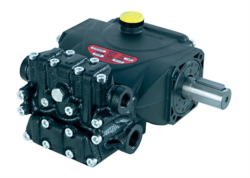
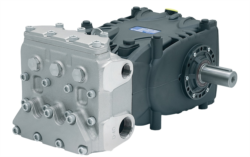
Motor-driven pumps like the Pratissoli KF30 (106 L/min, 200 bar) and Pratissoli MW40 (211 L/min, 210 bar) are engineered for demanding industrial applications. However, their performance depends entirely on proper motor coupling, vibration control, and thermal management. This guide helps maintenance teams diagnose whether failures originate in the motor, coupling, or pump itself—enabling faster repairs and smarter component selection.
Comparing Motor Failure vs. Pump Failure Symptoms
The first diagnostic challenge: determining whether poor system performance stems from motor wear or pump degradation. Both can produce similar symptoms (reduced flow, pressure fluctuation, noise), but corrective actions differ significantly.
Motor-Related Failures
Symptom Profile:
- Electric motor draws excessive current during startup (>1.5x rated amperage)
- Irregular vibration feels strongest at motor mounting points
- Audible humming or buzzing with reduced mechanical output
- System fails to reach full speed under load within 10-15 seconds
- Bearing temperature at motor exceeds 80°C (measured via thermal imaging)
- Intermittent stuttering or pulsing power delivery
- Bearing wear or misalignment (±0.2 mm tolerance exceeded)
- Phase imbalance in three-phase power supply
- Winding degradation from moisture or contamination
- Overloading beyond motor nameplate rating
- Inadequate cooling or ventilation around motor housing
1. Measure motor current with clamp meter during full-load operation—compare against nameplate data
2. Check voltage balance across phases (acceptable range: ±3% of nominal)
3. Perform megohm test on motor windings (minimum 5 MΩ resistance)
4. Document bearing temperature trends over 2-week period
5. Analyze vibration frequency signature—motor bearing failures show peaks at 1× to 5× motor speed
Pump-Related Failures
Symptom Profile:
- Motor runs normally but system flow drops 15-25% below specification
- Outlet pressure fluctuates ±10-15 bar despite stable motor speed
- Internal leakage audible as fluid bypass hissing
- Pump inlet cavitation (chattering noise) when suction lift exceeds 0.5 meters
- Outlet temperature rises 10-15°C above normal operating range
- Contamination (metal particles, discoloration) appears in system fluid samples
- Internal gear or vane wear reducing volumetric efficiency
- Seal degradation allowing internal fluid bypass
- Impeller or rotor damage from cavitation or foreign objects
- Viscosity mismatch—fluid grade too heavy for ambient temperature
- Inlet blockage (filter clogging, air leaks) reducing suction efficiency
1. Measure actual system flow using magnetic flow meter—compare against nameplate capacity
2. Collect fluid sample for particle count analysis (ISO 4406 code)
3. Monitor inlet and outlet pressure simultaneously—if inlet pressure drops below -0.3 bar, cavitation likely
4. Perform no-load speed test: run pump without system resistance and measure free-flow rate
5. Thermography: pump housing temperature should not exceed 65°C at rated duty
Coupling Alignment: The Hidden Failure Point
The coupling connecting motor shaft to pump shaft represents the critical interface where 70% of motor-pump integration failures originate. Yet many maintenance teams overlook coupling diagnostics during routine service.
Misalignment Categories & Detection Methods
Angular Misalignment (shaft centerlines at angle)
- Symptom: Vibration peaks at 1× shaft speed, concentrated at coupling location
- Detection: Dial indicators on coupling rim—acceptable tolerance ±0.05 mm TIR (total indicated runout)
- Consequence: Accelerated bearing wear, increased motor current draw by 5-10%
- Symptom: Vibration increases at 2× shaft speed
- Detection: Offset measurement with laser alignment tool—tolerance ±0.1 mm axial gap
- Consequence: Radial load on bearings, accelerated seal degradation
- Symptom: Axial thrust force increases, pump cavitation worsens
- Detection: Push-pull shaft movement measurement—tolerance ±0.3 mm
- Consequence: Seal face separation, internal leakage spike
| Method | Accuracy | Time Required | Cost | Best For |
|--------|----------|----------------|------|----------|
| Dial Indicator | ±0.05 mm | 45-60 min | $500-1,200 | Routine maintenance, annual checks |
| Laser Alignment | ±0.02 mm | 20-30 min | $3,000-6,000 tool | Critical systems, high-speed motors |
| Thermal Image | Indirect (vibration→heat) | 15 min | $200-500 camera | Preliminary diagnostics only |
For Singapore operations where system uptime directly impacts production schedules, laser alignment during commissioning and semi-annual checks prevents 60-70% of unexpected failures. The KF30 and MW40 pumps specify coupling eccentricity tolerance of 0.05 mm maximum—any deviation beyond this triggers accelerated wear.
Maintenance Strategy Comparison: Reactive vs. Predictive Approaches
Singapore's competitive manufacturing environment demands smart maintenance scheduling. Compare two strategies for motor-driven pump systems:
Strategy 1: Fixed-Interval Maintenance (Traditional)
Schedule:
- Motor bearing inspection every 1,500 operating hours
- Pump seal replacement every 2,000 operating hours
- Coupling re-alignment every 12 months
- Fluid analysis every 6 months
- Predictable maintenance budget
- Standardized procedures reduce training variability
- Suitable for low-criticality systems
- Replaces components before end-of-life (waste: 30-40% of potential service life)
- Misses degradation between scheduled intervals (40% of failures occur mid-cycle)
- Requires production shutdown regardless of actual component condition
- Average annual cost: $8,500-12,000 per pump system
Strategy 2: Condition-Based Maintenance (Predictive)
Monitoring Parameters:
- Continuous vibration trending (accelerometers on motor and pump bearing housings)
- Weekly fluid particle sampling (ISO code trending)
- Monthly motor current signature analysis (MCSA) via smart breaker data
- Quarterly thermal imaging of bearing and coupling zones
- Real-time pressure and flow monitoring with automated alerts
- Components replaced only when condition indicates failure risk
- Extends useful component life 25-35% beyond fixed intervals
- Identifies developing failures 2-4 weeks before catastrophic failure
- Enables planned maintenance scheduling (no emergency shutdowns)
- Average annual cost: $6,000-8,500 per pump system (including monitoring equipment amortization)
- Higher initial capital investment ($15,000-25,000 for sensor suite)
- Requires skilled technician interpretation of data trends
- False alarms possible if thresholds improperly calibrated
Most maintenance teams should adopt a hybrid approach: condition-based monitoring for high-criticality systems (those driving revenue-impacting processes) paired with fixed-interval servicing for secondary applications. For example:
- Production-line pump systems: predictive monitoring with weekly fluid analysis
- Utility/backup pump systems: fixed 2-year overhaul cycles
- New equipment (first 2 years): aggressive condition monitoring to establish baseline degradation rates
With fluid sampling, vibrational data, and thermal imaging integrated into a CMMS (Computerized Maintenance Management System), maintenance teams can reduce overall equipment downtime by 35-50% while cutting replacement parts spending by 20-25%.
Practical Troubleshooting Decision Tree for Motor-Driven Pump Systems
Initial Symptom: System produces noise/vibration but maintains pressure and flow
1. Check coupling bolts for looseness (torque specification on motor nameplate)—if loose, re-torque and monitor for 48 hours
2. If vibration persists: perform shaft alignment check with dial indicators
3. If alignment acceptable: inspect motor bearings with thermal imaging (target <60°C)
4. If bearings normal temperature: measure motor current—if elevated, electrical winding may have degraded insulation
Initial Symptom: System pressure drops 20-30 bar but motor current normal
1. Check system filter pressure differential—if >0.5 bar, replace filter cartridge
2. If filter clean: measure pump inlet pressure—if below -0.3 bar, air is entering suction line
3. Trace suction line for loose fittings, cracked hose, or collapsed inlet line
4. If suction normal: collect fluid sample for analysis (particle count, viscosity, water content)
5. If fluid contaminated: flush system and replace pump internal seals (likely cause: 60% confidence)
6. If fluid clean: pump internal wear indicated—recommend rebuild or replacement
Initial Symptom: Motor overheating (>80°C), system pressure normal, flow adequate
1. Check motor ventilation—ensure cooling fins unobstructed and ambient temperature <35°C
2. Verify motor is not oversized (nameplate power rating should equal or exceed pump requirement)
3. Check voltage supply stability (should be ±3% of nameplate)
4. If voltage unstable: contact facility electrical team—power quality issues force motor to work harder
5. If voltage stable and cooling adequate: bearing wear suspected—perform megohm test on motor windings, replace bearings if resistance below 5 MΩ
Component Selection for Longevity: Learning from 35 Years of Field Experience
3G Electric's distribution network across Singapore and the region has documented that pump failure rates correlate strongly with coupling quality and motor thermal management design, not just pump specification itself.
When selecting replacement motor-driven pump systems, maintenance teams should prioritize:
1. Motor Service Factor ≥1.15 — ensures motor can handle transient load peaks without thermal stress
2. Sealed Bearing Designations — ABEC-5 or better prevents moisture infiltration critical in Singapore's maritime humidity
3. Corrosion-Resistant Coupling Material — stainless steel or elastomer-damped couplings vs. cast iron
4. Integral Oil Cooling — systems exceeding 75 kW should include oil cooling to maintain bearing temperature <60°C
Products like the Pratissoli KF30 (40 kW, 72 kg) and Pratissoli MW40 (85 kW, 264 kg) incorporate design features addressing these criteria. The KF30's compact footprint (suitable for space-constrained Singapore facilities) doesn't compromise bearing robustness—critical for high-cycle industrial applications. The MW40's higher displacement (211 L/min at 210 bar) supports larger flow requirements while maintaining identical reliability architecture.
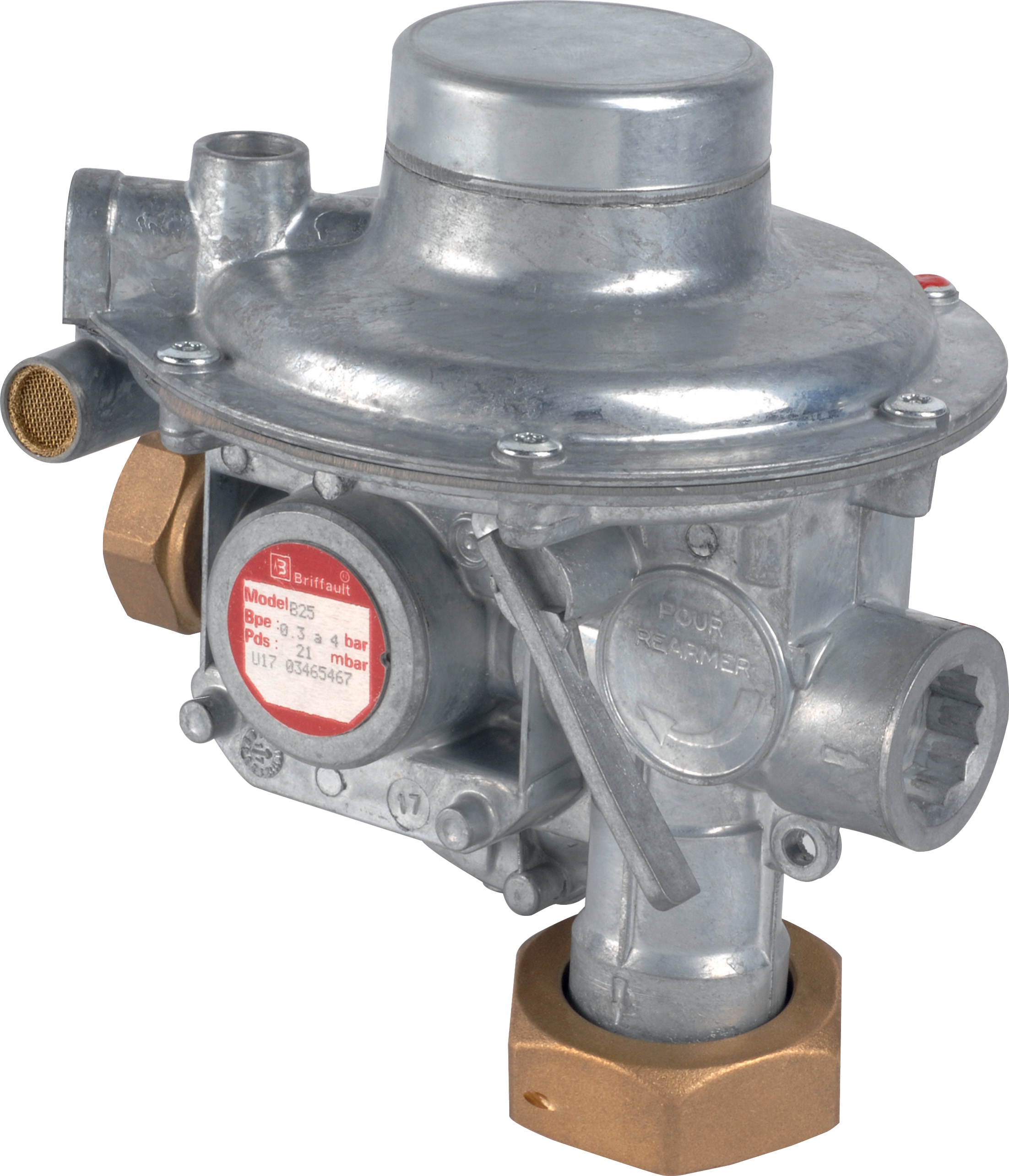
For specialized applications requiring precise pressure regulation upstream of pump inlet, the Francel B25/37mb pressure regulator with integrated safety relief prevents downstream pump damage from transient pressure spikes—a common failure trigger in tropical climates where thermal expansion affects fluid volume unpredictably.
Seasonal Maintenance Adjustments for Singapore's Climate
Tropical climate conditions in Singapore create unique maintenance challenges absent in temperate regions:
Monsoon Season (Nov-Mar): Increased relative humidity (80-95%) accelerates electrical component corrosion and bearing rust. Increase motor insulation testing frequency from quarterly to monthly. Apply hydrophobic grease to all motor bearing seals.
Dry Season (May-Sep): High ambient temperature (32-35°C) stresses motor cooling. Monitor motor temperature daily (not weekly). If ambient exceeds 32°C, reduce pump duty cycle to 80% rated capacity unless active cooling is installed.
Year-Round: Dust/salt spray in coastal areas (common for port-side Singapore facilities) requires monthly bearing lubrication verification and quarterly seal replacement. Standard lubricants degrade 20-30% faster in high-salt environments.
Implementing seasonal adjustments reduces motor bearing failure rates by 40-50% compared to fixed maintenance schedules.