Portable Measurement & Detection Tools Comparison: Electrical Testing vs. Pressure Monitoring for Industrial Operations
Industrial facility managers face constant pressure to maintain operational reliability while ensuring worker safety and regulatory compliance. Measurement and detection equipment forms the backbone of preventive maintenance programs, troubleshooting workflows, and safety protocols across manufacturing, HVAC, refrigeration, and utilities sectors. However, selecting the right tools from the diverse range of portable measurement devices available globally requires understanding the technical distinctions between electrical detection systems, pressure measurement instruments, and thermal monitoring solutions. This article provides a technical comparison of five essential portable measurement tools, examining their specifications, real-world applications, and selection criteria to help operations directors make informed procurement decisions.
Understanding Measurement & Detection Equipment Categories
Measurement and detection equipment in industrial settings divides into three primary functional categories: electrical measurement (voltage detection and multimeter testing), pressure measurement (gauge systems for fluid and gas monitoring), and thermal measurement (temperature sensors and thermocouples). Each category serves distinct operational purposes, though they frequently work in conjunction within integrated facility management systems.
Electrical measurement tools detect the presence of voltage in circuits and conductors without direct contact, while advanced multimeters provide precise quantification of voltage, current, resistance, and frequency. These instruments are essential for electrical troubleshooting, equipment diagnostics, and safety verification before maintenance work. Pressure measurement instruments monitor system pressures in HVAC lines, refrigeration circuits, pneumatic systems, and hydraulic equipment—providing critical data for performance optimization and fault detection. Thermal measurement solutions, including thermocouples and infrared sensors, enable temperature monitoring in heating systems, cooling circuits, industrial processes, and environmental controls.
The integration of these three measurement categories creates comprehensive facility monitoring systems. Modern industrial operations typically deploy multiple measurement tools simultaneously: electricians use voltage detectors and multimeters to verify circuit safety, HVAC technicians employ pressure gauges and thermocouples to assess system performance, and maintenance teams use all three categories for systematic equipment diagnostics. Understanding the technical capabilities, accuracy specifications, and operational ranges of each tool category enables managers to build cost-effective, reliable measurement infrastructure that supports both routine operations and emergency troubleshooting.
Technical Specifications: Comparing Five Essential Measurement Tools
Modern portable measurement equipment incorporates sophisticated sensing technologies, digital display systems, and automated measurement capabilities that significantly improve accuracy and operational efficiency compared to earlier analog instruments.
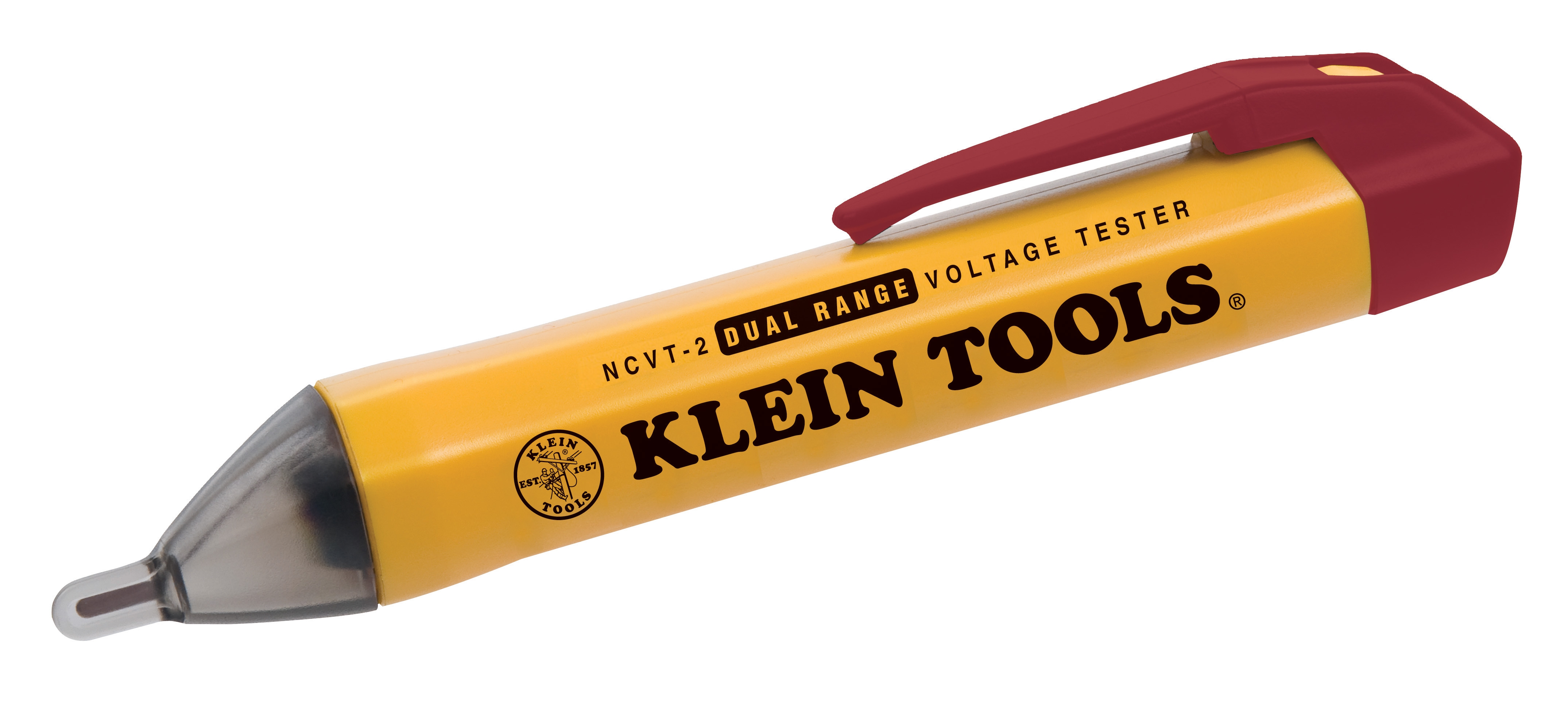
The CBM Non-contact Voltage Detector represents the entry-level electrical safety tool, employing capacitive sensing technology to detect AC voltage presence without direct conductor contact. Operating in dual-range configuration (typically 12-1000V AC detection), these devices provide binary yes/no voltage confirmation rather than quantified measurements, making them ideal for pre-work safety verification and circuit identification. The non-contact design eliminates arc and shock risk, though it requires closer proximity to live conductors than audible detection systems and provides no frequency or magnitude data.
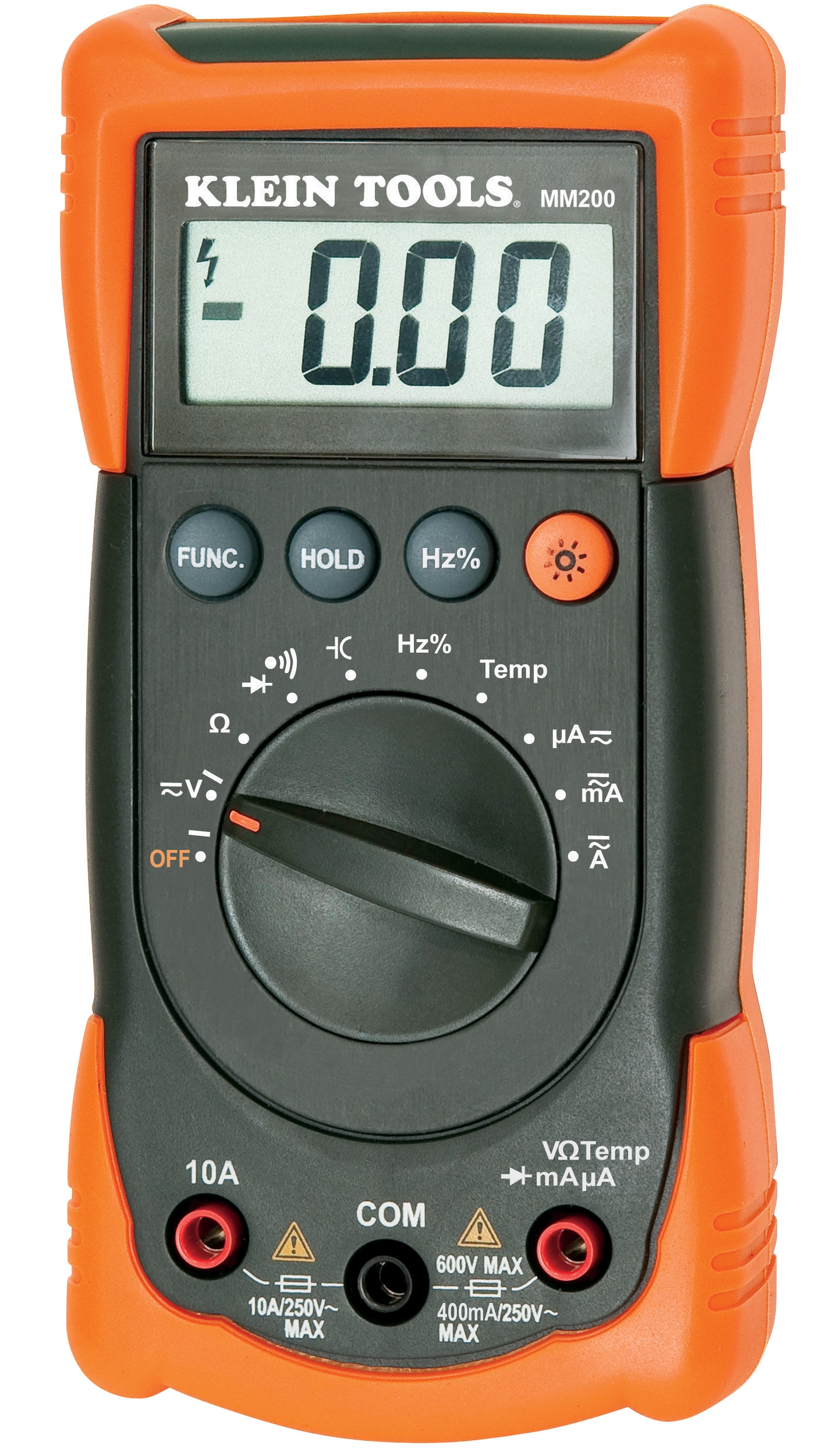
In contrast, the CBM Automatic Multimeter MM420 offers comprehensive electrical measurement capabilities including AC/DC voltage (typically 0-1000V ranges), current measurement (up to 400mA ranges specified in technical documentation), resistance measurement, frequency analysis (Hz percentage capability), and temperature measurement functionality. The automatic ranging feature eliminates manual range selection errors, improving measurement speed during troubleshooting workflows. Typical accuracy specifications of ±0.5-2% across measurement modes provide industrial-grade precision suitable for equipment diagnostics and circuit analysis.
Pressure measurement tools exhibit different design approaches based on system pressure ranges. The CBM Glycerin Stainless Steel Pressure Gauge (D50, 0-4 bar range) serves low-pressure systems through mechanical Bourdon tube technology filled with glycerin damping fluid that reduces measurement oscillation in pulsating systems. The 50mm dial, vertical mounting orientation, and G1/4 connection thread define its application envelope—compact installations where aesthetic presentation matters less than measurement reliability. Stainless steel construction provides corrosion resistance in chemical or salt-air environments, addressing durability requirements in coastal industrial facilities globally.
Temperature measurement integration employs the CBM Type K Thermocouple, which extends infrared thermometer capabilities by providing direct immersion temperature measurement. Type K thermocouples operate across wide temperature ranges (typically -40°C to +1000°C depending on wire gauge), enabling both cryogenic equipment monitoring and high-temperature process control applications. The standardized Type K specification (chromel-alumel wire pairing) ensures global compatibility with infrared thermometer units and data acquisition systems.
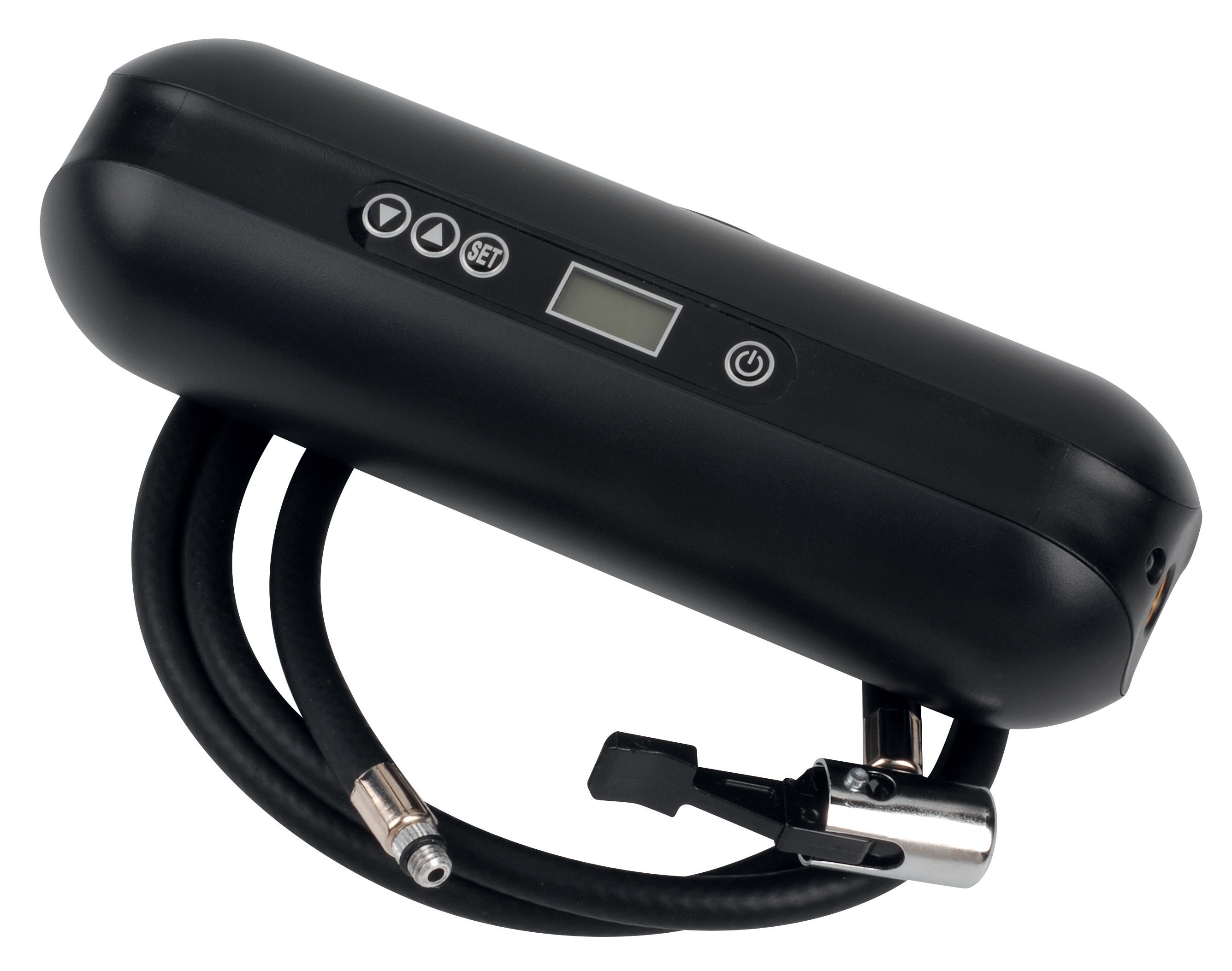
Finally, the CBM Expansion Tank Inflator (2000 mAH battery) addresses a specialized measurement need—pre-charge pressure verification in expansion tanks. Equipped with digital pressure display, USB rechargeable battery, and automatic shutoff at target pressure, this device eliminates manual pump-and-measure iterations while preventing over-pressurization damage. One-meter hose length accommodates typical tank valve accessibility in HVAC installations.
Real-World Application Scenarios in Industrial Operations
HVAC System Commissioning and Troubleshooting: During new HVAC installation or emergency repair, technicians employ the complete measurement tool suite. The non-contact voltage detector verifies power availability at circuit breakers before working on electrical components. The multimeter confirms proper voltage supply to compressors and fan motors (typical 208-480V AC three-phase supply). Pressure gauges monitor refrigerant pressures during evacuation, charging, and operation—with glycerin-filled gauges preventing surge damage from system pulsation. Thermocouples measure suction and discharge line temperatures to verify proper refrigerant superheat and subcooling. The expansion tank inflator ensures correct pre-charge pressure (typically 0.5-2 bar depending on system volume), preventing cavitation and water-logging in heating circuits.
Electrical Equipment Diagnostics: Plant maintenance teams investigating motor failures or circuit problems deploy non-contact voltage detectors for initial circuit verification, followed by multimeter current measurements to identify load imbalances between three-phase motor phases. Frequency measurement detects variable frequency drive (VFD) operation, while resistance measurement identifies winding insulation degradation suggesting imminent motor failure.
Refrigeration System Performance Monitoring: Cooling system operators use pressure gauges to track compressor discharge and suction pressures against design specifications, while thermocouples monitor evaporator and condenser exit temperatures. Pressure gauge trend data (increasing discharge pressure or decreasing suction pressure) indicates fouled condenser coils, refrigerant leaks, or expansion valve malfunction—enabling predictive maintenance before catastrophic failure.
Pneumatic and Hydraulic System Maintenance: Low-pressure pneumatic systems utilize compact pressure gauges for regulator verification and leak detection. High-pressure hydraulic systems require gauges rated to 400+ bar, with glycerin damping protecting against transient pressure spikes during actuator movement or solenoid valve switching.
Technical Comparison Table: Measurement Tool Specifications
| Tool Category | Product Model | Primary Function | Key Specifications | Ideal Applications |
|---|---|---|---|---|
| Electrical Detection | CBM Non-contact Voltage Detector | AC voltage presence detection | Dual-range 12-1000V AC; capacitive sensing; non-contact operation | Pre-work safety verification; circuit identification; de-energization confirmation |
| Electrical Measurement | CBM Automatic Multimeter MM420 | Comprehensive electrical measurement | AC/DC voltage to 1000V; current to 400mA; resistance; frequency (Hz%); automatic ranging; ±0.5-2% accuracy | Motor diagnostics; circuit analysis; component testing; equipment troubleshooting |
| Pressure Measurement | CBM Glycerin Pressure Gauge (D50) | Low-pressure system monitoring | 0-4 bar range; 50mm dial; glycerin-filled damping; stainless steel case; G1/4 thread; ±1.6% accuracy | Heating systems; low-pressure pneumatics; HVAC commissioning; compact installations |
| Temperature Measurement | CBM Type K Thermocouple | Direct immersion temperature sensing | Type K standard (chromel-alumel); -40°C to +1000°C range; rapid response; universal compatibility | Refrigerant line monitoring; process control; HVAC system commissioning; thermal diagnostics |
| Specialized Pressure Control | CBM Expansion Tank Inflator (2000 mAH) | Pre-charge pressure verification and adjustment | Digital display; USB rechargeable; automatic shutoff; 1m hose; 0-50+ bar capability | Expansion tank commissioning; pre-charge verification; HVAC system preparation; pressure adjustment without manual pumping |
Selection Criteria for Operations Directors
Risk Assessment: Prioritize non-contact voltage detection tools in facilities with frequent electrical troubleshooting. The elimination of arc and shock risk justifies the cost for safety-critical environments, particularly in explosive atmospheres or high-humidity locations.
Measurement Range and Accuracy Requirements: Specify multimeter accuracy based on required measurement precision. Equipment diagnostics typically require ±1-2% accuracy, while power quality analysis demands ±0.5% or better. For pressure measurement, match gauge ranges precisely to system operating pressures—oversized gauges (e.g., 0-10 bar gauge on 0-2 bar systems) suffer poor accuracy at low pressures due to scale compression.
Environmental Durability: In coastal or chemically corrosive environments, stainless steel pressure gauge cases justify the material premium through extended service life. Glycerin-filled gauges prove essential in systems with pressure pulsation or vibration, where measurement oscillation would mask true system pressure.
Integration with Existing Systems: Type K thermocouples provide universal compatibility with industry-standard infrared thermometer units and data acquisition platforms used globally, reducing standardization complexity across multi-site operations.
Operational Efficiency: Automatic ranging multimeters reduce measurement errors from incorrect range selection during emergency troubleshooting. Battery-powered expansion tank inflators eliminate repetitive manual pumping, improving technician efficiency during HVAC commissioning—a consideration when planning maintenance windows.
Procurement and Integration Recommendations
Effective facility measurement infrastructure requires establishing baseline tool inventories matched to facility complexity. Facilities with HVAC, refrigeration, and electrical systems should maintain one non-contact voltage detector per maintenance team (approximately one per 50-100 personnel), one multimeter per electrical technician, one pressure gauge set covering 0-4 bar through 0-400 bar ranges for different system classes, and one expansion tank inflator per HVAC commissioning team. Temperature measurement integration through Type K thermocouples should include both hand-held units for portable monitoring and panel-mounted thermometers for continuous system supervision.
Training requirements differ by tool category. Non-contact voltage detectors require minimal training beyond operational familiarization. Multimeter proficiency demands understanding of measurement modes, range selection, and circuit analysis fundamentals. Pressure gauge selection and interpretation requires knowledge of system design pressures and allowable operating windows. Thermocouple integration demands understanding of temperature-voltage relationships and infrared thermometer calibration principles.
Maintenance program planning should incorporate periodic gauge calibration (typically annually for high-accuracy applications), battery replacement in battery-powered tools, and visual inspection for physical damage that might compromise measurement integrity.
Conclusion: Building Your Measurement Infrastructure
Selection of portable measurement and detection equipment represents a critical decision for industrial operations managers seeking to balance safety, accuracy, and operational efficiency. The comparison between non-contact voltage detectors, comprehensive multimeters, pressure gauges, thermocouples, and specialized tank inflators demonstrates that no single tool addresses all measurement needs—effective facility management requires deploying complementary tools across electrical, pressure, and thermal measurement domains.
Technical specifications alone should not drive procurement decisions. Operations directors must assess their specific facility requirements (system pressures, electrical voltages, thermal ranges), environmental conditions (corrosion exposure, vibration environment, temperature extremes), and operational workflows (frequency of measurements, accuracy requirements, integration with data systems). The most cost-effective measurement infrastructure strategically deploys appropriate tools for each application rather than attempting to standardize on single all-purpose instruments.
3G Electric provides access to comprehensive measurement and detection equipment portfolios from established manufacturers, supported by technical expertise to guide specification and integration decisions. Our team works with operations directors globally to assess facility-specific measurement requirements and build cost-optimized equipment recommendations that support both routine operations and emergency troubleshooting. Explore our complete measurement and detection equipment selection, or contact our industrial equipment specialists to discuss your facility's specific measurement infrastructure requirements. Our technical team can provide detailed product comparisons, specification guidance, and integration recommendations tailored to your operational environment.