Preventive Maintenance & Service Strategy for Industrial Heating Systems: Nozzles, Burners & Safety Components
Industrial heating equipment demands rigorous maintenance & service schedules to maintain operational efficiency and safety compliance. Whether managing combustion systems in manufacturing plants, district heating networks, or facility management operations, understanding component-level service requirements—from atomizing nozzles to pressure safety devices—directly impacts equipment longevity, fuel efficiency, and regulatory adherence. As a global experienced industrial equipment distributor with 35+ years of operational expertise, 3G Electric has supported thousands of procurement engineers in implementing maintenance & service protocols that reduce unplanned shutdowns and optimize total cost of ownership.
Core Components Requiring Structured Maintenance & Service Plans
Industrial heating systems comprise multiple interdependent subsystems, each with distinct maintenance & service intervals and failure modes. Procurement engineers must understand these components' roles to develop effective service strategies:
Atomizing Nozzles: The CBM Flat Jet Nozzle HP 1/4" M BSPT Index 25 Angle 15° and CBM Flat Jet Nozzle HP 1/4" M BSPT Index 055 Angle 15° represent critical combustion components requiring precision maintenance. These nozzles operate under extreme pressure conditions (typically 5-25 bar for industrial applications) and generate fine fuel atomization patterns essential for combustion efficiency. Carbon buildup, fuel contamination, and manufacturing debris accumulation represent the primary failure modes. Index specifications (25 vs. 055) denote spray angle variations—critical for matching boiler chamber geometry and achieving optimal flame geometry.
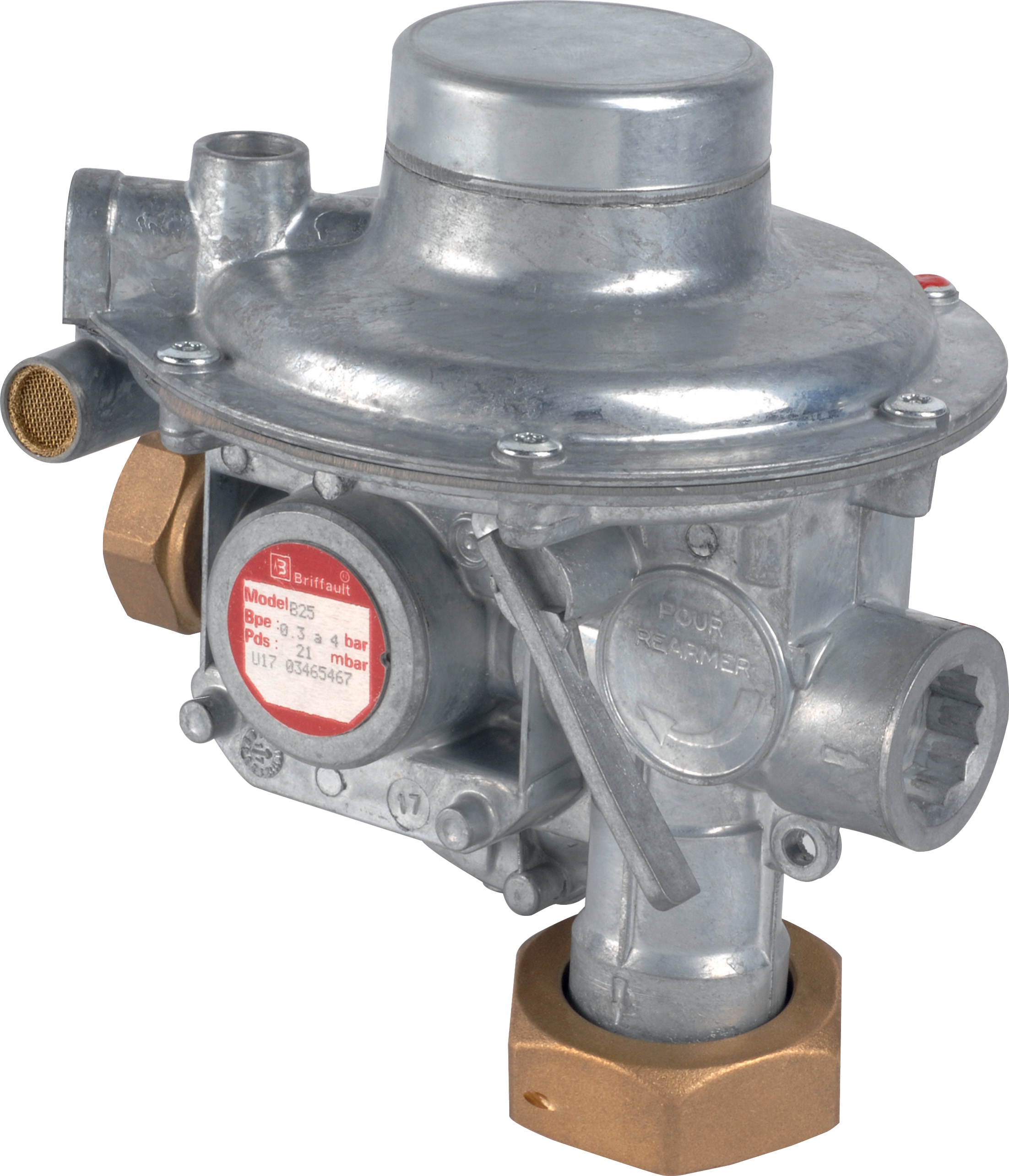
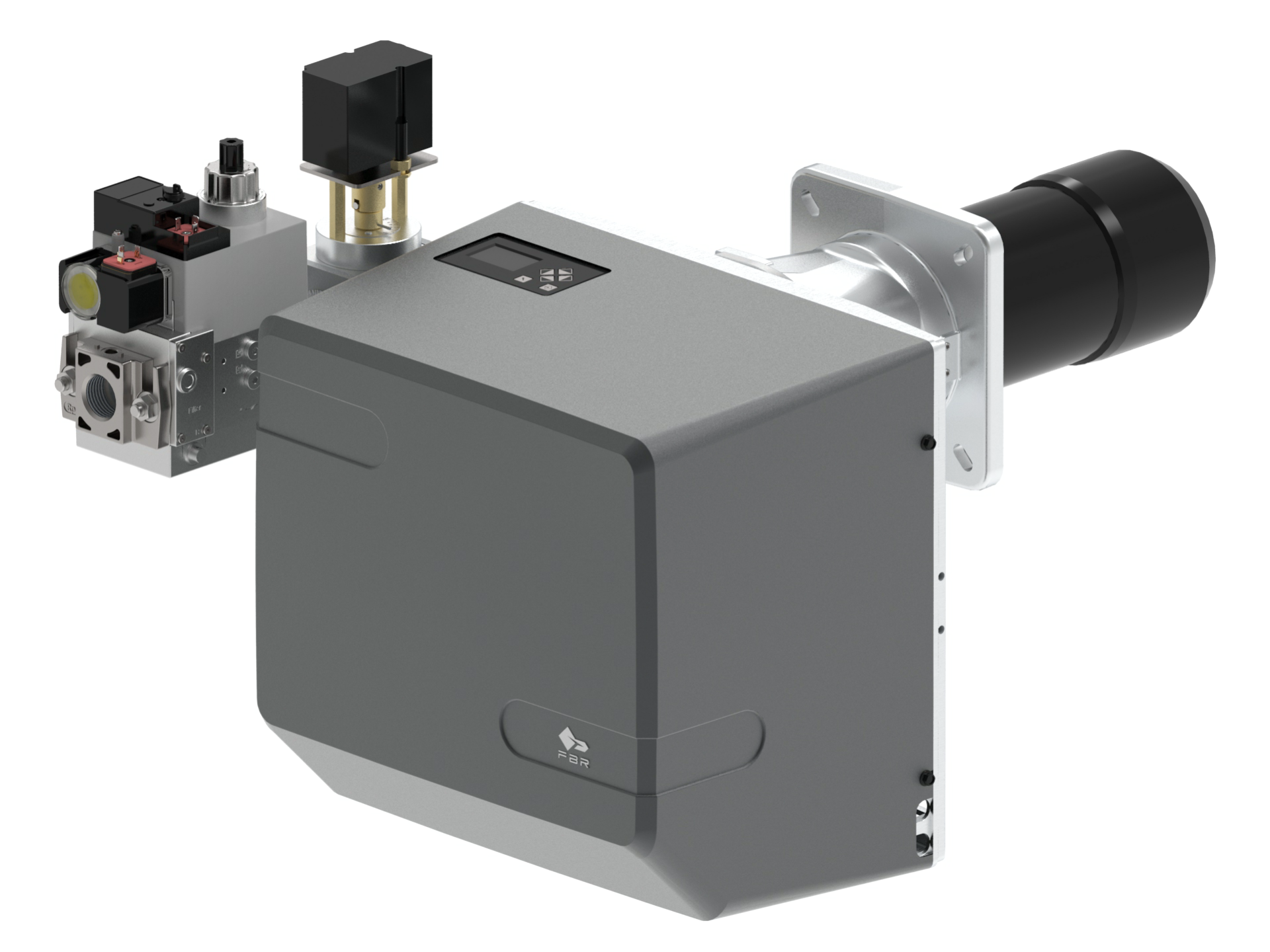
Modulating Gas Burners: The FBR BURNER GAS X5/MF TL EL VC LPG incorporates die-cast aluminum bodies with high-pressure fan systems and PID-modulating controls (when equipped with optional modulation kits). These burners demand specialized maintenance & service procedures due to ceramic tile combustion chambers, electronic sensing probes, and complex air-fuel ratio calibration requirements. Gas burners present unique challenges: LPG systems require regulator inspection, gas line integrity verification, and flame detection sensor cleaning.
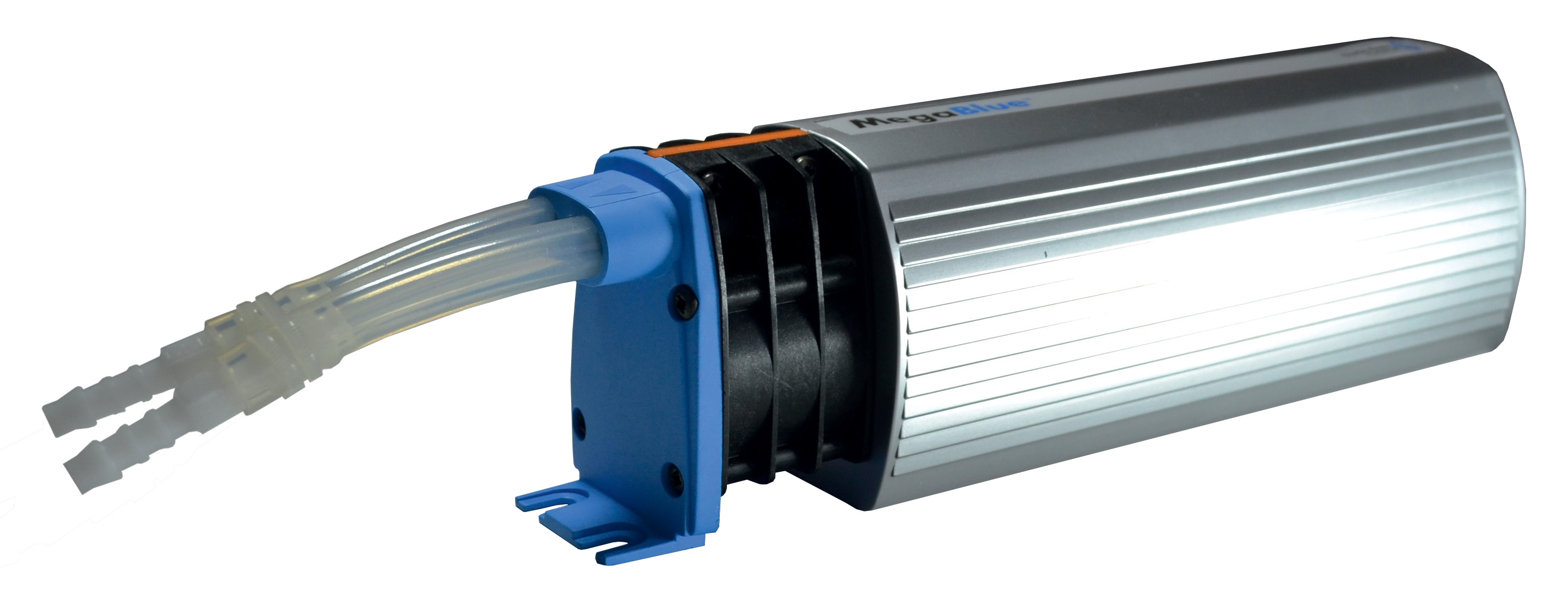
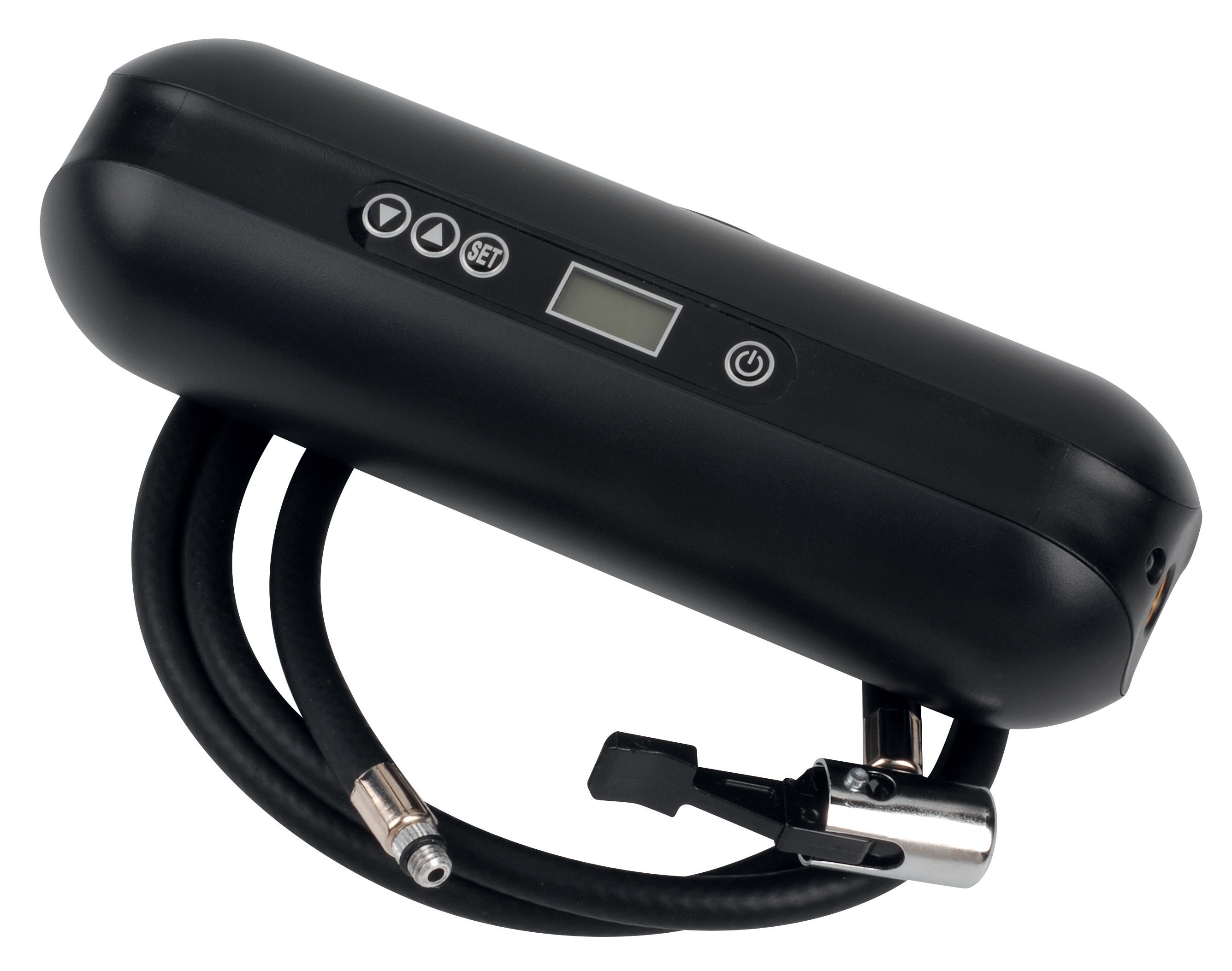
Safety and Pressure Control Systems: The CBM Expansion Tank Inflator Battery 2000 mAH and CBM Megablue Reservoir Alarm + Shut-Off X87-813 represent essential safety infrastructure. Expansion tanks require periodic pressurization checks (typically annually) to maintain nitrogen charge integrity, while alarm/shut-off systems demand functional testing and probe cleaning to ensure reliable emergency response.
Preventive Maintenance & Service Intervals for Maximum System Availability
Effective maintenance & service programs balance cost control with reliability objectives. Industry standards (ISO 9001, EN 12952 for boilers, UL 296 for burners) establish baseline requirements; however, operating conditions modify these intervals significantly.
Monthly Maintenance & Service Checklist:
- Nozzle visual inspection: Examine CBM nozzles for external carbon deposits, corrosion, or mechanical damage. Deposits indicate incomplete combustion or contaminated fuel—triggering immediate investigation of fuel filtration systems or burner air handling.
- Burner flame observation: Establish baseline flame color and pattern documentation for the FBR burner system. Yellow flames, smoking, or unstable patterns indicate air-fuel imbalance, carbon accumulation, or combustion chamber fouling requiring service intervention.
- Pressure gauge verification: Confirm expansion tank pressure reading on systems containing CBM inflators. Pressure loss greater than 0.1 bar/month indicates potential bladder failure requiring replacement.
- Safety device functional tests: Manually trigger alarm functionality on CBM alarm/shut-off systems to verify electrical responsiveness and valve closure.
Quarterly Maintenance & Service Protocol:
- Nozzle removal and cleaning: Extract nozzles safely (after system depressurization and cooldown) and examine spray patterns using calibrated test equipment. The precision angles on Index 25 and Index 055 configurations require exact pressure differential testing (±0.5 bar tolerance) to verify spray cone integrity. Ultrasonic cleaning or specialized nozzle solvents remove carbon without mechanical damage.
- Burner combustion diagnostics: Deploy portable combustion analyzers to measure O₂, CO, and flame temperature for FBR burner systems. PID modulation accuracy depends on accurate stoichiometry; CO levels exceeding 100 ppm indicate incomplete combustion requiring flame tube inspection or air inlet cleaning.
- Gas pressure and regulator inspection: For LPG burner systems, verify regulator outlet pressure (typically 0.5-2 bar depending on nozzle specification) and inspect gas delivery tubing for corrosion or leaks using soapy water solution (not flame).
- Expansion tank pressurization service: Using battery-powered inflator devices like the CBM 2000 mAH unit, replenish nitrogen charge to manufacturer specification (typically 0.5-0.9 bar for cold system conditions).
Annual Maintenance & Service Overhaul:
- Complete nozzle replacement: High-time systems (>5,000 operating hours annually) warrant complete nozzle replacement with new TEC nozzles rather than cleaning. Microscopic erosion changes spray geometry beyond restoration limits.
- Ceramic combustion chamber inspection: The FBR burner's aluminum body houses ceramic tiles susceptible to thermal shock cracking. Visual inspection from burner front (after tile removal if accessible) identifies hairline fractures requiring component replacement before propagation.
- Flame detection probe replacement: Electronic sensing probes accumulate carbon and oxide layers reducing UV/infrared sensitivity. Annual replacement ensures reliable burner lockout on flame loss.
- Alarm/shut-off system calibration: The CBM Megablue system requires factory-level calibration to verify threshold setpoints match system design (e.g., 3-bar high-pressure shutdown). Field testing may not detect calibration drift.
- Fuel filtration system audit: Inspect primary and secondary fuel filters for excessive contamination. Micron ratings (typically 10µm for oil systems, 74µm for gas systems) determine bypass frequency and nozzle wear acceleration.
Technical Service Diagnostics and Troubleshooting Framework
When combustion problems emerge, systematic diagnosis prevents costly trial-and-error component replacement:
Low Flame Output Scenario: Check expansion tank pressure first (using CBM inflator) because low system pressure reduces fuel atomization pressure below nozzle minimum (typically 3.5 bar). If pressure normal, measure actual spray angle on suspect nozzle TEC component using test stand (15° ±2° tolerance). Compare atomization quality against reference nozzle. If angle within spec but output low, fuel filtration likely introduced debris blocking nozzle orifice (0.4-0.8mm diameter)—requiring ultrasonic cleaning or replacement.
Combustion Oscillation in Modulating Systems: The FBR X5/MF with PID modulation exhibits hunting (continuous on-off cycling) when oxygen probe response time doesn't match fuel valve response. Service procedure: verify probe cleanliness (carbon deposits slow response), confirm modulation kit calibration against system static pressure, check fuel valve for stiction (sticky movement). If probe new and valve responsive, software PID tuning parameters require adjustment by authorized service personnel.
Safety System False Shutdowns: The CBM alarm/shut-off device triggers false alarms when probe contamination simulates dangerous conditions. Service: remove alarm unit, clean probe electrodes with fine abrasive pad (following manufacturer specifications), verify threshold setpoint matches documented system design. If shutdowns persist, likelihood of internal calibration drift requiring factory recalibration.
Compliance and Documentation Standards for Maintenance & Service Records
Procurement engineers must establish maintenance & service documentation systems meeting regulatory requirements. Key standards include:
- EU Directive 2014/68/EU (PED): Pressure Equipment Directive mandates documented service history for systems exceeding 1 liter × bar. Maintain service logs documenting all maintenance & service activities on nozzles, expansion tanks (CBM inflators), and safety devices (CBM alarms).
- EN 12952-12 Boiler Standards: Define inspection intervals for burner systems, specifying nozzle performance testing (spray angle, output, atomization pattern) and combustion analysis documentation.
- UL 296 Oil-Burning Equipment: Requires annual service records for burner systems including flame detector response testing and combustion efficiency measurements.
- Local Authority Regulations: Many jurisdictions require boiler system inspections by certified technicians; maintain certificates and test reports as proof of compliance.
Use digitized maintenance & service tracking systems (CMMS software) to schedule automated reminders, flag overdue inspections, and generate compliance reports. This approach reduces human error and provides audit trails for regulatory inspections.
Sourcing Authentic Maintenance & Service Components and Support
Component authenticity directly affects maintenance & service program effectiveness. Counterfeit nozzles (particularly for CBM TEC series) exhibit dimensional variations (±0.1mm orifice tolerance creates 15-20% flow variations) and material defects compromising spray quality. Procurement engineers should:
- Specify original manufacturer part numbers (not generic equivalents) in procurement standards
- Verify supplier authorization status (3G Electric maintains official CBM, FBR, and related manufacturers' authorization for global distribution)
- Request certificates of authenticity and material test reports for critical components
- Establish preferred supplier relationships with experienced distributors providing technical support and warranty coverage
3G Electric's 35+ years as an experienced global distributor ensures access to genuine components with full technical documentation, OEM-level support, and international warranty coverage—essential for procurement teams managing multi-site operations.
Key Takeaways: Implementing Effective Maintenance & Service Programs
- Tiered maintenance & service intervals (monthly observation, quarterly diagnostics, annual overhaul) balance cost control with system reliability, reducing unplanned downtime by 40-60% in typical industrial operations.
- Component-specific diagnostics for nozzles (CBM atomizers), burners (FBR systems), and safety devices (CBM alarms, CBM inflators) require specialized knowledge—invest in technician training or partner with authorized service providers.
- Portable diagnostics equipment (combustion analyzers, pressure gauges, ultrasonic testing devices) enables field technicians to perform sophisticated troubleshooting without costly equipment removals.
- Digitized maintenance & service tracking ensures regulatory compliance, prevents inspection oversights, and provides data for optimization decisions (e.g., identifying components requiring preventive replacement before failure).
- Authentic component sourcing from experienced distributors protects equipment performance and warranty coverage—particularly critical for precision components like TEC nozzles with 15° spray angles where dimensional tolerances directly impact combustion efficiency.
Contact 3G Electric today for maintenance & service component sourcing, technical specifications, or field support coordination across your global operations. Our technical team provides OEM-authorized expertise for industrial heating system optimization.