How to Inspect and Service Gas Valves & Regulators in Singapore: A Maintenance Team's Step-by-Step Handbook
Gas valves and regulators are critical safety components in industrial heating, combustion, and process applications across Singapore. Whether you manage manufacturing plants, food processing facilities, or institutional heating systems, maintaining these components at peak performance is non-negotiable. This comprehensive guide equips your maintenance team with practical inspection protocols, service procedures, and troubleshooting strategies to keep your gas regulation systems operating safely and efficiently.
Understanding Gas Valve and Regulator Function in Industrial Systems
Gas valves and regulators work in concert to control fuel delivery, maintain consistent pressure, and ensure safe operation of industrial combustion equipment. Regulators reduce high inlet pressures to stable working pressures, while solenoid and isolation valves manage on-off functions and emergency shut-off capability. In Singapore's tropical climate with high humidity and salt-air exposure (particularly near coastal facilities), these components face accelerated corrosion and seal degradation.
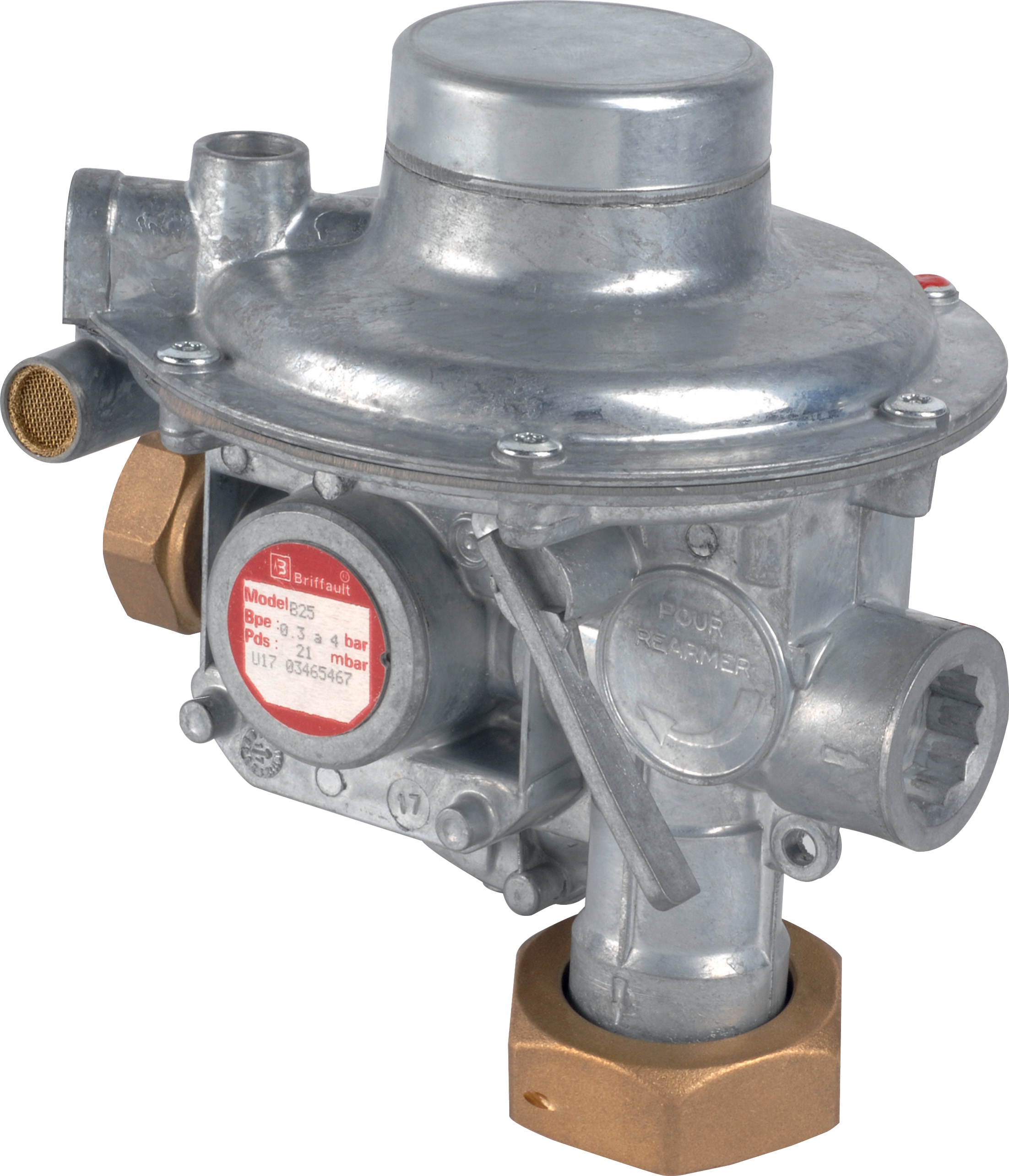
The two primary regulator types encountered in industrial settings are pressure-reducing regulators and modulating controls. Pressure-reducing models like the Francel B25/37mb maintain constant outlet pressure regardless of inlet fluctuations, delivering precise 37 mbar output for safe downstream equipment operation. Modulating regulators adjust flow in response to load demand, critical for systems with variable heating requirements.
Safety relief functionality is integrated into modern regulators to protect against dangerous pressure buildup. When inlet pressure exceeds safe limits, the relief valve vents excess gas, preventing system rupture and potential explosions. Understanding these functions is essential before attempting any inspection or service work. Never attempt to service pressurized components—always isolate and depressurize the system before beginning maintenance.
Environmental factors unique to Singapore affect regulator performance. High ambient temperatures (regularly exceeding 32°C) stress seals and internal springs. Humidity promotes corrosion on ferrous components despite protective coatings. Industrial dust and salt spray from nearby coastal operations clog filter elements and corrode external surfaces. Regular inspection identifies degradation before catastrophic failure occurs.
Technical Inspection Procedures for Gas Valves and Regulators
Proper inspection begins with visual assessment and pressure testing, followed by detailed component evaluation. Before starting any inspection work, confirm that the gas supply is isolated at the isolation cock and that residual pressure has been safely vented. Post a lockout/tagout notice on isolation valves to prevent unauthorized system restart during maintenance.
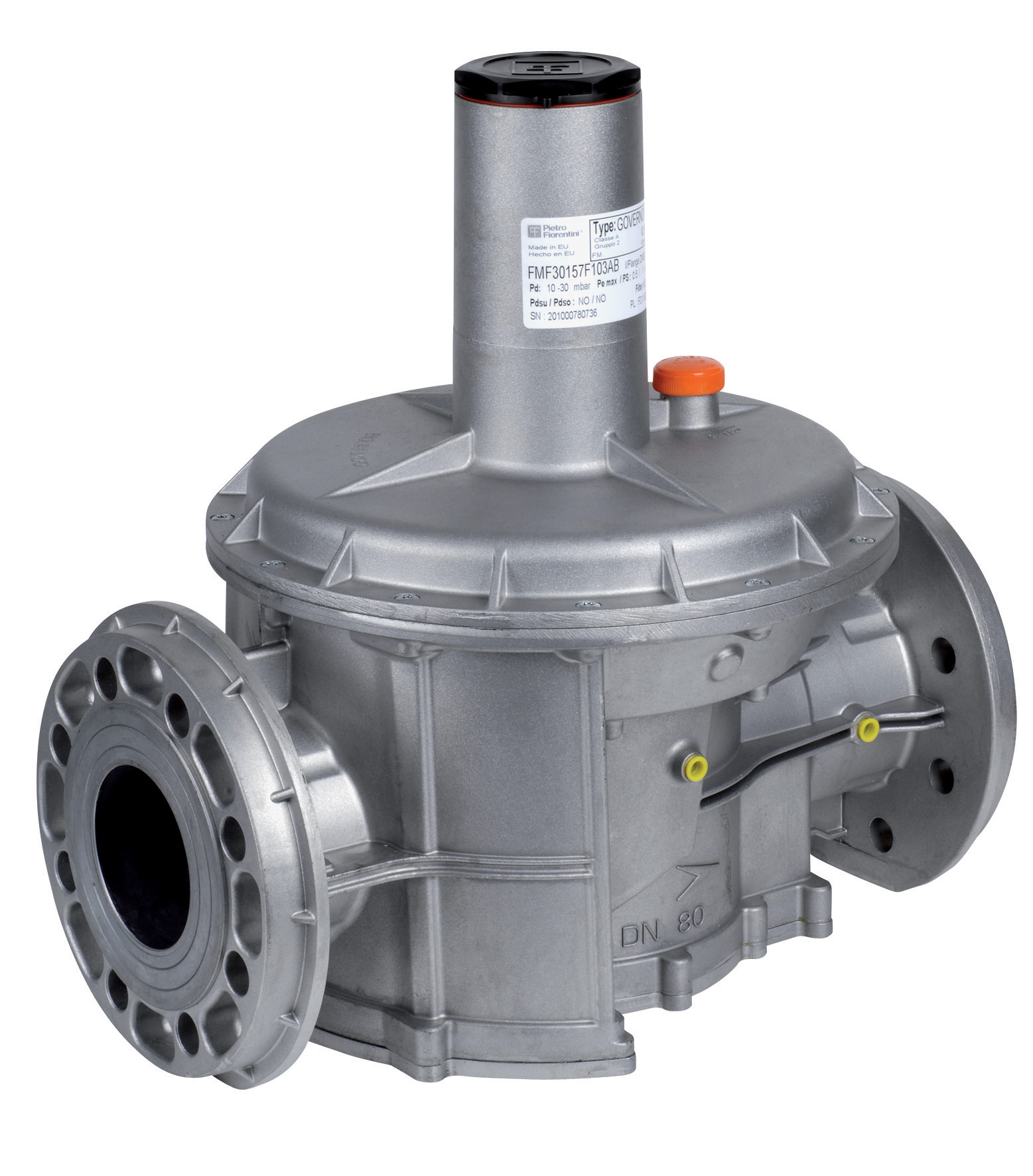
Start your inspection by documenting the regulator model and pressure rating. The Dungs MVD 515/5 operates at 200 bar maximum with 1 mm integrated filtration and <1 second opening time, typical specifications requiring precise checking. Visually inspect the body for corrosion, cracks, or physical damage. In Singapore's humid environment, reddish discoloration or white deposits indicate active corrosion requiring immediate replacement of affected components.
Examine all external connections for leaks using soapy water solution. Apply a foam-generating leak detector around inlet and outlet connections, around the relief vent line, and at all access ports. Bubbles indicate gas escape—small weeps may indicate worn seals requiring servicing, while substantial leaks demand component replacement. Document leak locations with photographs for your maintenance records.
Pressure testing follows visual inspection. Using a calibrated test gauge rated for the system's maximum operating pressure, measure inlet and outlet pressures under normal operating conditions. Compare readings against the regulator's nameplate specifications. The Elektrogas VMM 20-25 is rated for 6 bar operation per EN 161 standard—readings exceeding specifications indicate internal seal degradation requiring disassembly or replacement.
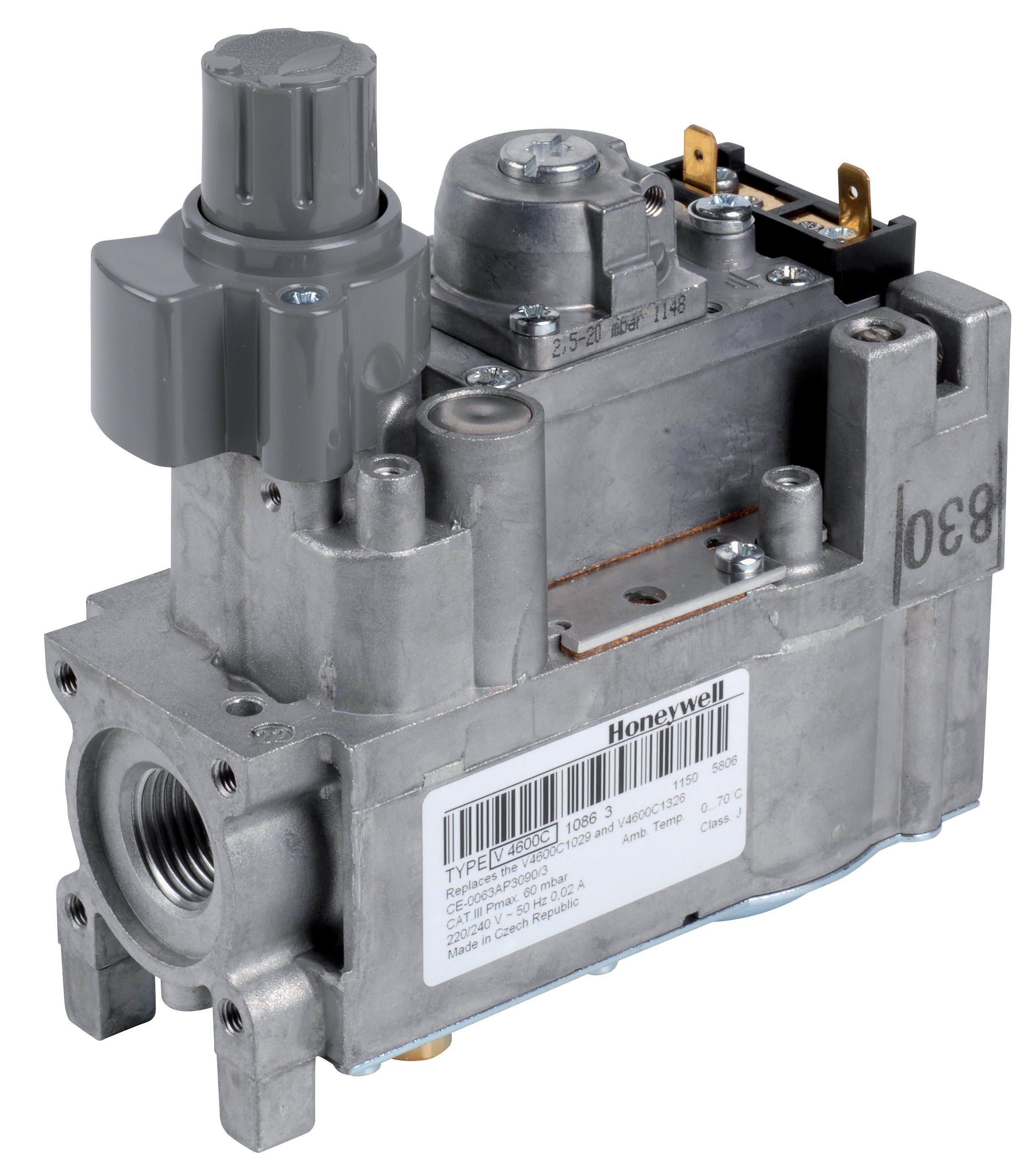
For modulating regulators like the Honeywell VK 4105 C 1041 U, verify that pressure feedback signals are responding correctly to load changes. With a precision manometer connected to the pilot feedback port (M5 threaded hole), confirm that pressure modulation occurs smoothly across the operating range without hunting (rapid cycling) or lag. Erratic response indicates sensor or pilot linkage issues requiring component servicing.
Inspect solenoid coil seating on shut-off valves by measuring resistance with a calibrated multimeter. Most solenoid coils should read 20-40 ohms at ambient temperature. Out-of-specification readings indicate winding degradation from moisture ingress—common in tropical climates. Store replacement coils in sealed containers with desiccant packs to prevent this failure mode during inventory.
Step-by-Step Service and Maintenance Procedures
Step 1: System Isolation and Safety Preparation Close the isolation cock upstream of the regulator and wait 5 minutes for residual pressure dissipation. Open the manual vent screw (typically a 2-3 mm hex socket) to confirm pressure release—you should hear no hissing. Only after confirmed depressurization should you proceed. Apply lockout/tagout devices to isolation cocks with a maintenance hold tag.
Step 2: Filter Element Inspection and Replacement Locate the strainer bowl or filter housing downstream of the regulator inlet. On the Dungs MVD 515/5, the 1 mm integrated mesh filter requires regular cleaning to maintain <1 second opening response. Gently unscrew the strainer bowl (usually hand-tightened) and inspect the filter element. If discolored, black, or clogged with debris, replace it immediately—filter blockage causes slow pilot response and erratic pressure control.
Step 3: Seal and Diaphragm Assessment For direct-acting regulators like the Francel model, remove the bonnet (upper cap) by unscrewing 3-4 bolts in a cross pattern. Visually inspect the main diaphragm for cracks, tears, or hardening—common in systems exposed to vibration or thermal cycling. Replace diaphragms if any damage is evident; a degraded diaphragm allows uncontrolled pressure escalation. Inspect the cone/seat for debris or corrosion, using a soft brush to gently clean if necessary.
Step 4: Spring Inspection and Adjustment With the bonnet removed, examine the regulator's main spring. Springs exposed to continuous pressure cycling and thermal stress lose tension over time, causing creeping outlet pressure (slow, uncontrolled pressure increase). If outlet pressure has drifted beyond 10% of the regulator's nominal setting, the spring requires replacement. Document the original spring part number before ordering replacements to ensure correct pressure rating.
Step 5: Closure and Recommissioning Reassemble the bonnet bolts in cross pattern, applying firm but not excessive torque (typically 5-8 Nm for small regulators). Carefully open the isolation cock, listening for unusual sounds. Recheck outlet pressure against the nameplate rating. If pressure stabilizes within specification, the service is complete. Record the service date, technician name, components replaced, and final pressure readings in your maintenance log. These records prove compliance with gas safety regulations and provide evidence of diligent care.
Practical Troubleshooting for Common Gas Valve Issues in Singapore Plants
Symptom: Outlet pressure drifting upward over days or weeks Root cause: Worn main diaphragm or degraded spring tension. Solution: Remove bonnet and inspect diaphragm for wear patterns or micro-cracks. Replace if damage is evident. Perform spring load test using calibrated compression gauge. If spring cannot be adjusted to restore nominal outlet pressure, replace the spring assembly.
Symptom: Slow or delayed solenoid valve response (>2 seconds to open) Root cause: Clogged pilot filter or obstructed pilot orifice. Solution: For isolation valves with integrated filters, replace the strainer element immediately. For modulating controls, check that pilot tubing is not kinked or compressed. Blow out pilot lines with dry compressed air (never moisture-laden) to clear minor obstructions.
Symptom: Visible gas leakage from vent line during normal operation Root cause: Safety relief valve lifting due to inlet pressure exceeding regulator setpoint. This is normal during high-demand periods but persistent venting indicates an oversized regulator or undersized supply line. Solution: Verify inlet pressure is not exceeding regulator maximum rating. If inlet pressure is correct, the safety relief may be stuck open—order a replacement relief cartridge.
Symptom: Audible chattering or oscillation in regulator outlet pressure Root cause: Instability caused by worn seals, incorrect pilot tuning, or downstream restriction. Solution: For pilot-operated regulators, adjust the pilot bias adjustment screw (typically ¼ turn clockwise to increase stability). If oscillation continues, the pilot diaphragm likely requires replacement. Never over-adjust—consult the manufacturer's technical documentation for guidance.
For industrial burner systems like the FBR GAS XP 60/2 CE TC EVO, gas regulation problems manifest as unstable flame, poor modulation between 116 kW minimum and 630 kW maximum power output, or intermittent ignition failures. These two-stage burners demand consistent pressure delivery at their inlet—gas valve problems will cause immediate performance degradation and potential safety shutdown.
Best Practices and Regulatory Compliance for Singapore Operations
Singapore's gas safety regulations require documented maintenance records for all industrial gas equipment. The Code of Practice for Gas Installations (SS 639) mandates annual inspections by qualified gas technicians for systems exceeding 70 kW. Maintain a detailed logbook recording inspection dates, component replacement history, pressure readings, and corrective actions. These records demonstrate due diligence and support insurance claims if incidents occur.
Establish preventive maintenance intervals based on equipment age and operating hours. For regulator components exceeding 5 years of service, implement annual inspections regardless of apparent condition. For newer equipment in less-demanding applications, biennial inspection is acceptable. High-temperature burner systems like those using the FBR GAS XP burner require semi-annual inspection due to accelerated thermal cycling effects on seals and springs.
Train your maintenance team on the specific gas valve types in your facility. Generic experience with one brand does not transfer reliably to others—pressure settings, adjustment procedures, and seal orientations vary considerably. Maintain manufacturer technical manuals at each service location, indexed by equipment serial number. Dedicate one team member as the "gas systems specialist" responsible for these components, with regular refresher training on regulatory updates and new product features.
Source replacement components through established industrial suppliers like 3G Electric who stock genuine OEM parts and can verify compatibility with your system configuration. Counterfeit or mismatched components introduce safety risks and void manufacturer warranties. When ordering replacement regulators or valve components, always provide the complete nameplate information—model, pressure rating, connection size, and any special certifications required by your facility.
Document any unsafe conditions discovered during inspection. If a regulator cannot be adjusted to within specification, immediately isolate it from service and post warning notices. Do not attempt temporary fixes or workarounds that defer proper repair. Gas system failures endanger personnel and facility assets—proper maintenance discipline is non-negotiable.
Conclusion: Ensuring Reliability and Safety Through Systematic Inspection
Inspecting and servicing gas valves and regulators is skilled maintenance work requiring mechanical aptitude, attention to detail, and commitment to safety protocols. By following the step-by-step procedures outlined in this guide, your maintenance team can identify problems before they escalate into dangerous failures or shutdowns. Regular inspection intervals, proper documentation, and timely component replacement are the pillars of reliable gas system operation in Singapore's demanding industrial environment.
Every valve inspection completed, every pressure reading recorded, and every worn component replaced represents a commitment to protecting your facility, your personnel, and your operational reliability. If you encounter components beyond your team's expertise or discover unusual conditions requiring specialist evaluation, contact 3G Electric for technical guidance and genuine replacement parts. Our experienced team has served Singapore's industrial sector since 1990 and stands ready to support your gas systems maintenance program with expert advice, genuine components, and technical resources you can trust.