How to Perform Preventive Maintenance on Industrial Vacuum Pumps: A Global Technical Guide for Engineers
Industrial vacuum pumps are critical components in HVAC/R systems, laboratory operations, and manufacturing processes worldwide. Unlike reactive maintenance approaches that address failures after they occur, preventive maintenance protocols significantly extend equipment lifespan, reduce operational costs, and prevent catastrophic system failures. This technical guide provides procurement and purchase engineers with data-driven procedures for maintaining vacuum pump systems globally, with emphasis on oil management, performance monitoring, and component inspection routines that comply with international standards. By implementing these maintenance practices, your facility can achieve consistent evacuation performance, minimize downtime, and optimize asset reliability across diverse climatic and operational environments.
Understanding Vacuum Pump Maintenance Requirements and System Dependencies
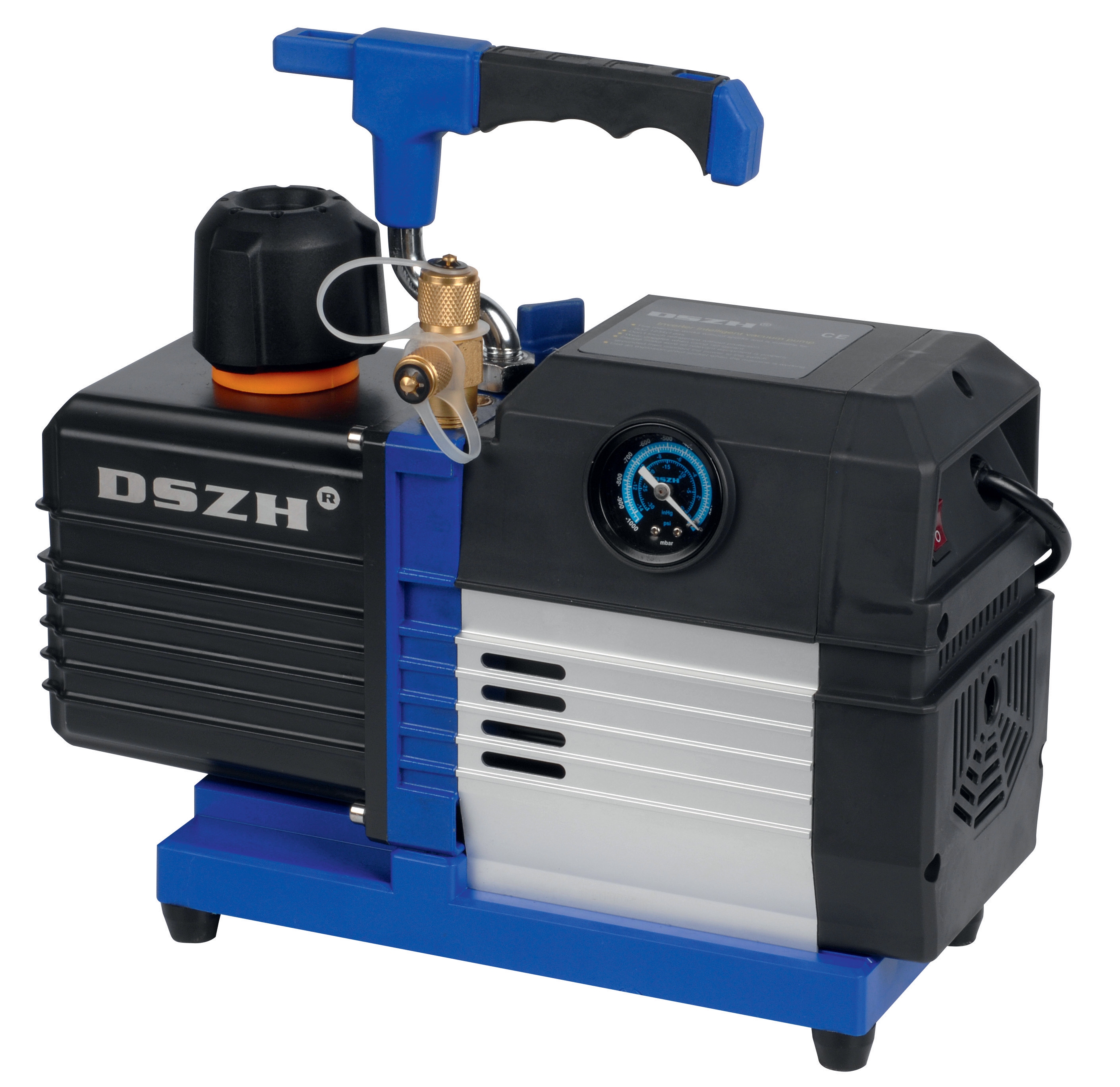
Industrial vacuum pumps operate by removing air and moisture from sealed systems, requiring precise mechanical tolerances and clean operating fluids to maintain efficiency. The primary maintenance challenge stems from oil degradation—vacuum pump oils absorb moisture and contaminants during operation, reducing lubrication effectiveness and accelerating internal wear. Performance degradation typically manifests as reduced evacuation speed (measured in liters per minute), increased noise levels, or inability to achieve specified vacuum depths measured in millibars or microns.
Modern intelligent vacuum pump designs incorporate safety features and performance indicators that alert operators to maintenance requirements before critical failure occurs. The evacuation rate—expressed in flow capacity like 71 L/min for standard systems—represents the pump's ability to remove a specific volume of gas per minute under specified pressure conditions. As internal components wear and oil degrades, actual flow rates decline, directly impacting system commissioning timelines and overall operational efficiency. Understanding these interdependencies between oil condition, mechanical wear, and evacuation performance is fundamental to establishing effective preventive maintenance intervals. Global industrial environments present additional challenges: tropical humidity accelerates moisture absorption in pump oils, high ambient temperatures increase thermal stress on seals and gaskets, and dust-laden atmospheres contaminate inlet filters more rapidly than temperate regions experience.
Critical Maintenance Components and Technical Specifications
Effective vacuum pump maintenance requires monitoring and servicing several interdependent systems. The oil reservoir—typically containing 600 milliliters in standard units—serves as both lubricant and heat dissipation medium. Oil degradation occurs through three primary mechanisms: oxidation from air exposure, hygroscopic absorption of atmospheric moisture, and thermal breakdown from elevated operating temperatures. Regular oil sampling and analysis provides quantitative data on acid number, moisture content, and viscosity retention, enabling data-driven maintenance scheduling rather than time-based guessing.
Inlet filtration systems protect the pump from particulate contamination but require regular replacement, particularly in industrial environments where atmospheric dust loads exceed 5 mg/m³. The pump's inlet ports—typically sized at 1/4" and 3/8" connections—must remain unobstructed to achieve rated flow capacity. Discharge lines should be evaluated for backpressure restrictions, as excessive resistance reduces evacuation efficiency and increases internal operating temperatures.
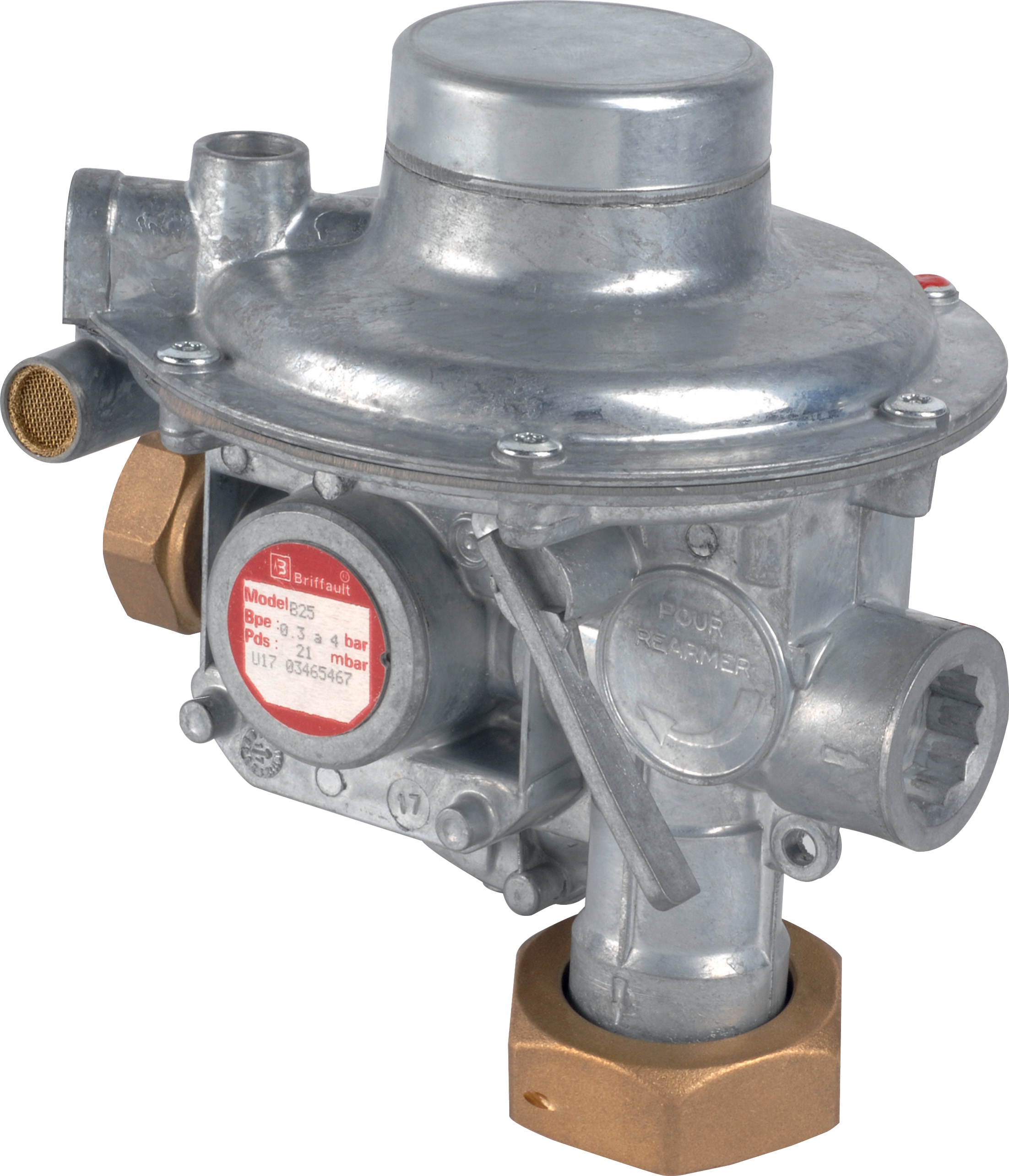
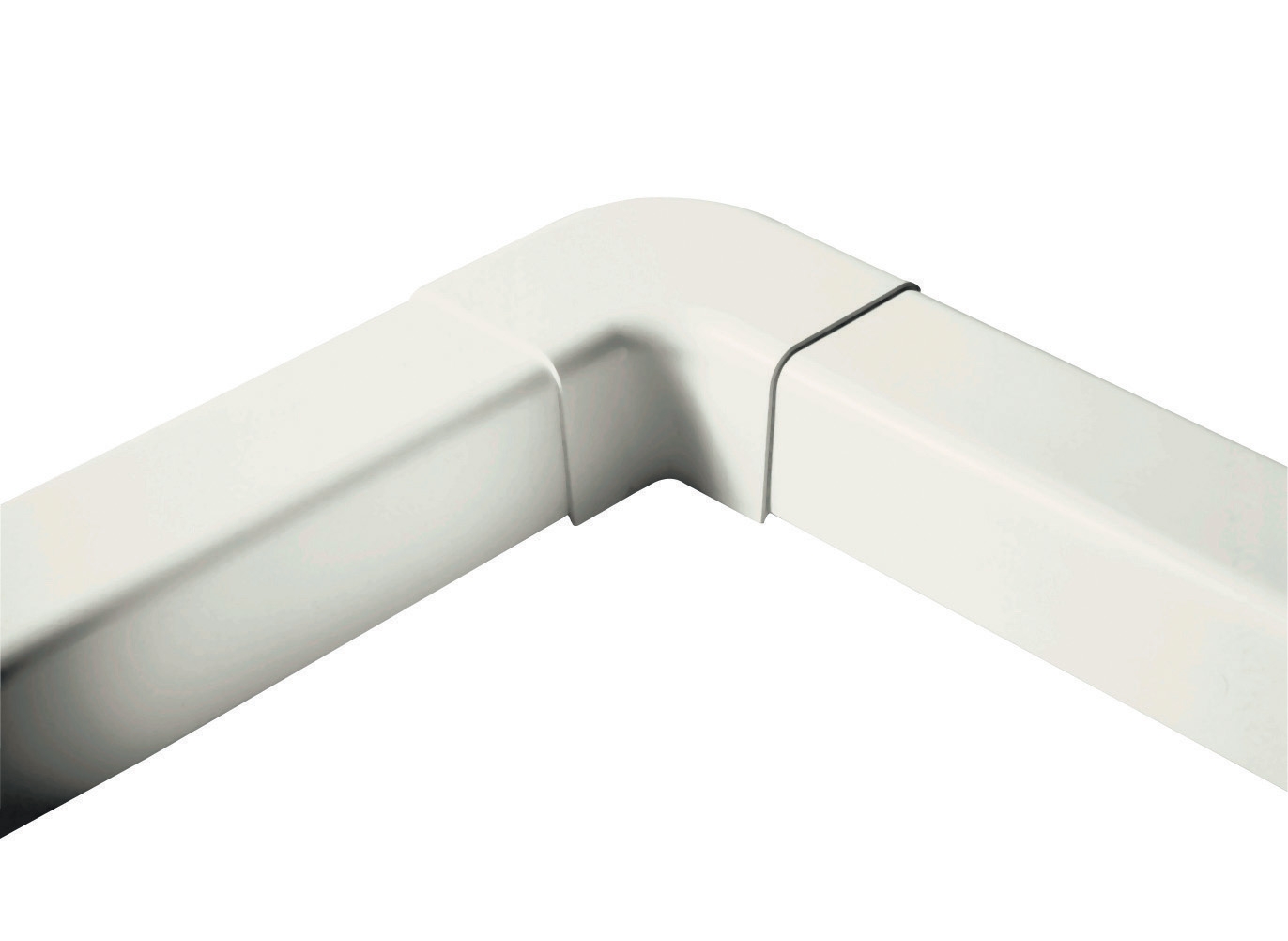
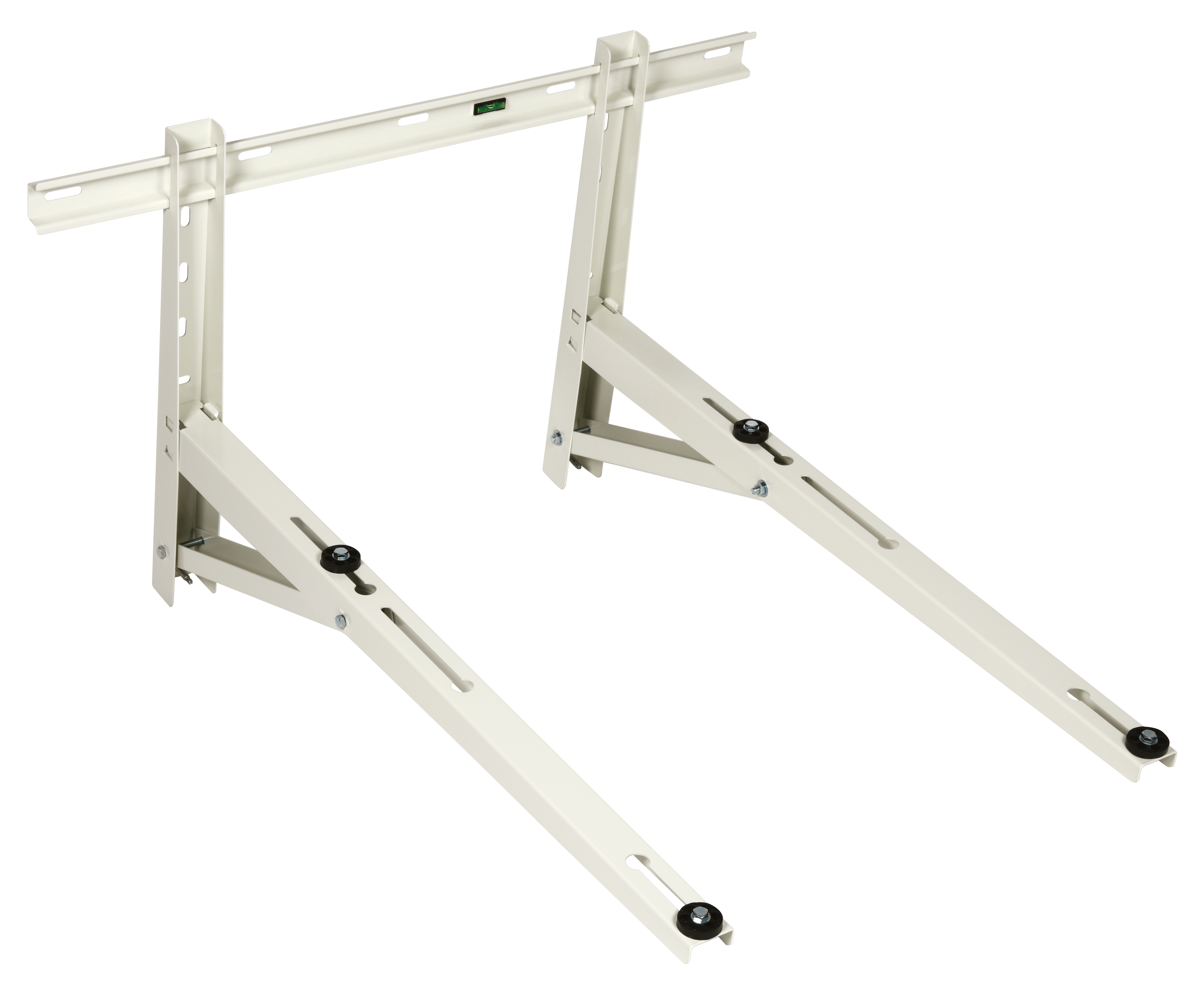
Measurement instrumentation is essential for monitoring system performance. A CBM Automatic Multimeter MM420 enables electrical continuity testing of motor windings and verification of power supply voltage stability. For pressure-side diagnostics, a glycerin-filled pressure gauge with 4 bar maximum range provides reliable visual indication of discharge pressure without needle flutter. Connect the gauge at system discharge points using 90-degree flat elbow fittings (60mm) to ensure clean flow paths and accurate readings. Wall-mounted support systems like the CBM Wall Bracket 1000 with 200 kg load capacity securely anchor gauge assemblies and manifold equipment above workbenches, preventing accidental damage and improving accessibility during diagnostic procedures.
Step-by-Step Preventive Maintenance Procedures
1. Pre-Maintenance Inspection and Safety Assessment
Before servicing begins, isolate the vacuum pump from electrical supply using a lockout/tagout procedure. Allow the system to cool for minimum 30 minutes after shutdown. Inspect visible hose connections, filter cartridges, and mounting hardware for signs of deterioration, oil seepage, or physical damage. Document baseline operational data: evacuation time to 500 microns, discharge pressure reading, and ambient temperature.
2. Oil Analysis and Condition Assessment
Extract a 50 milliliter sample of pump oil using a clean syringe from the reservoir drain plug. Analyze the sample for color (clear amber indicates acceptable condition; dark brown or black signals degradation), odor (burnt smell indicates thermal stress), and viscosity consistency. Compare actual flow rate against manufacturer specifications—a decline exceeding 15% indicates the need for immediate oil replacement. Measure discharge pressure with your multimeter set to DC voltage mode to verify motor current draw remains within rated specifications.
3. Filter Cartridge Replacement and Inlet Port Cleaning
Remove the inlet filter cartridge and inspect for particulate loading. If more than 50% of the filter surface appears darkened with dust, replace immediately. Clean the inlet port threads with a lint-free cloth and apply a thin layer of clean vacuum pump oil to prevent corrosion. Reinstall the filter cartridge, ensuring the seal gasket sits fully in the groove.
4. Oil Replacement and System Flushing
Drain all used oil into a certified waste container. Flush the internal reservoir with fresh vacuum pump oil (600 milliliter capacity)—rotate the pump shaft manually 5-10 times to distribute flushing oil throughout bearing surfaces. Drain the flushing oil completely. Fill the reservoir with new oil to the marked level line.
5. Performance Verification and Documentation
Reconnect power and operate the pump under load. Measure evacuation time to 500 microns and record discharge pressure. Compare against baseline data—restored performance confirms successful maintenance. If flow rate improvement is less than 10%, investigate inlet or discharge line restrictions using your multimeter to verify motor current draw consistency.
Maintenance Scheduling and Best Practices for Global Operations
Establish maintenance intervals based on operating hours rather than calendar time, as continuous-duty pumps accumulate degradation faster than intermittent-use equipment. Standard recommendation: perform oil analysis every 250 operating hours for industrial applications, complete oil replacement every 1,000 hours or annually (whichever occurs first), and filter cartridge replacement every 500 hours or when visual inspection indicates 50% loading.
Geographic considerations significantly impact maintenance frequency. Facilities operating in high-humidity tropical environments (>80% relative humidity) should reduce oil replacement intervals to 750 hours due to accelerated moisture absorption. Dust-laden industrial zones warrant filter replacement every 300 hours. Conversely, climate-controlled laboratory environments in temperate zones can extend intervals to 1,200 hours with acceptable risk margins.
Maintain detailed service logs documenting: date, operating hours, oil condition observations, filter condition, evacuation performance metrics, discharge pressure readings, and personnel performing maintenance. This data enables predictive maintenance modeling and justifies capital requests for spare equipment. For distributed global operations, establish standardized checklists that ensure consistency across multiple facilities.
Partner with experienced equipment distributors who maintain inventory of genuine spare parts and can verify component compatibility. Incorrect replacement filters or non-specification oils void manufacturer warranties and compromise evacuation performance.
Closing and Next Steps
Preventive maintenance of industrial vacuum pumps requires systematic monitoring of oil condition, filter integrity, and evacuation performance using documented procedures and reliable measurement tools. By implementing these global best practices—adapted to your specific climatic conditions and operational intensity—you can extend equipment lifespan by 30-50%, reduce emergency service calls, and maintain consistent system performance across your facilities.
3G Electric supplies a comprehensive range of measurement instruments, mounting hardware, and diagnostic tools essential for professional vacuum pump maintenance. Our technical team can assist with spare parts selection, maintenance procedure customization for your operational environment, and training programs for your maintenance staff. Contact 3G Electric today to discuss preventive maintenance strategy for your industrial systems and access expert guidance on equipment selection and maintenance optimization across global operations.