Industrial Pump Selection & Maintenance in Singapore: A Technical Guide for Pressure System Operations
Industrial pumps are mission-critical components in Singapore's manufacturing, processing, and HVAC systems. Whether you're managing a food processing facility, pharmaceutical operation, or industrial cooling system, understanding pump specifications—pressure ratings, flow capacity, power consumption, and material compatibility—directly impacts operational efficiency and maintenance costs. This guide examines how to select appropriate pump technologies and implement effective maintenance protocols that extend equipment lifespan while minimizing downtime. We'll explore practical specifications from industry-standard equipment and demonstrate how proper selection and monitoring prevent costly failures in Singapore's demanding industrial environment.
Understanding Industrial Pump Specifications and Performance Parameters
Industrial pumps operate within defined performance envelopes characterized by several critical specifications that determine suitability for specific applications. The primary performance metrics include flow rate (measured in litres per minute or US gallons per minute), pressure capacity (expressed in bar, MPa, or PSI), rotational speed (RPM), and power consumption (measured in kilowatts or horsepower).
Flow rate represents the volume of fluid the pump can deliver per unit time. For instance, a pump delivering 15 litres per minute (equivalent to 3.96 US GPM) suits applications requiring moderate volumetric transfer without excessive velocity—ideal for precision cooling systems or medium-duty hydraulic applications. Pressure capacity defines the maximum resistance the pump can overcome; a 250 bar (25 MPa or 3,625 PSI) rating indicates suitability for high-pressure applications such as hydraulic systems, industrial compression tasks, or burner fuel delivery.
Power consumption directly correlates with operational cost and motor sizing. A 7.13 kW (9.7 hp) pump operating at 1,450 RPM provides efficient energy conversion suitable for continuous-duty applications. Understanding these interdependent variables allows facility managers to match pump selection to specific process requirements rather than oversizing equipment, which increases unnecessary energy expenditure and maintenance frequency.
Equally important is understanding the relationship between pump construction materials and application compatibility. Stainless steel components resist corrosion in acidic, alkaline, or high-moisture environments common in Singapore's tropical climate and coastal facilities. Aluminum bodies offer lighter weight for portable or space-constrained installations while maintaining adequate structural integrity for standard pressure applications.
Technical Specifications and Equipment Configuration for Singapore Operations
When specifying Interpump industrial pumps, professionals must evaluate the complete system architecture. The E3B2515 series represents a versatile platform offering multiple configurations: the standard models deliver consistent 15 L/min flow at 250 bar with 7.13 kW power consumption and 9.5 kg weight—specifications that favour installations requiring compact footprints without sacrificing pressure capacity.
The E3B2515I variant with right-hand rotation suits direct-drive applications where standard rotation direction aligns with motor shafts. For facilities requiring opposite rotation, the E3B2515 left-hand configuration eliminates costly adapter gearboxes. More sophisticated setups employ the E3B1515 model with integrated directional valve and RS500H gearbox—this configuration delivers variable-speed capability through mechanical transmission, enabling flow modulation without electronic controllers. This proves invaluable in applications such as industrial cooling systems where pump speed adjustment maintains temperature stability while reducing energy consumption.
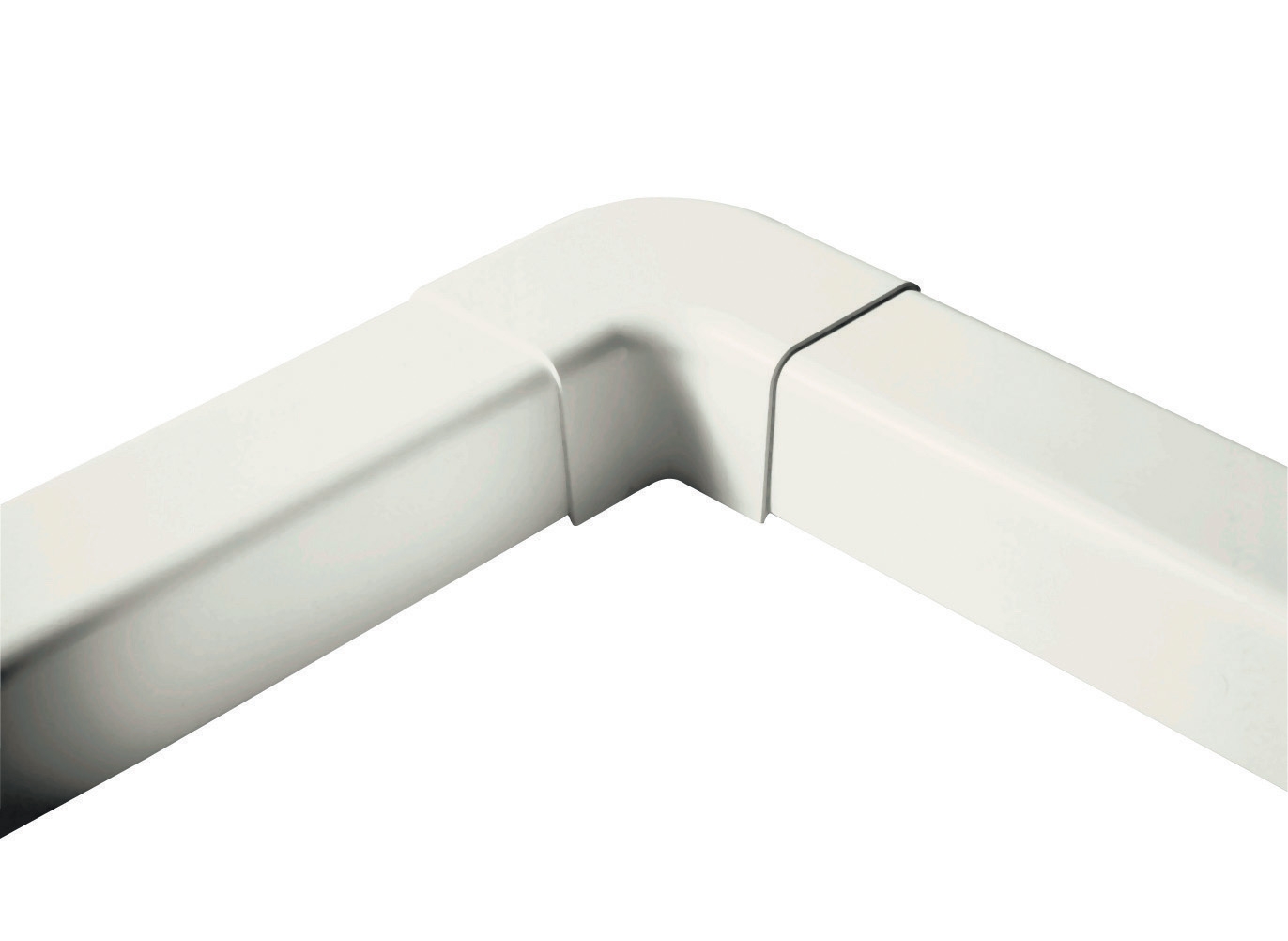
Supporting infrastructure components merit equal attention during system design. The CBM 90° flat elbow fitting (60mm) enables compact piping layouts in space-restricted facilities common in Singapore's high-density industrial parks. These elbows withstand full system pressure without flow restriction, critical for maintaining efficiency in applications delivering 15 L/min continuously. Connection integrity prevents micro-leakage that accumulates significant energy loss over operational hours.
Pressure monitoring represents an often-overlooked maintenance element. The glycerin-filled stainless steel pressure gauges provide accurate real-time feedback on system condition. Glycerin damping reduces needle vibration caused by pump pulsation, extending gauge lifespan while improving readability in dynamic industrial environments. Regular pressure curve documentation identifies performance degradation before complete pump failure occurs.
Real-World Application Examples in Singapore Industrial Facilities
A semiconductor fabrication facility in Singapore's Jurong production zone operates precision cooling systems requiring 250 bar pressure capacity for optimal fluid dynamics through micro-channel heat exchangers. Engineers specified the 7.13 kW pump configuration for its efficiency at partial-load operation—reducing cooling demands during off-peak manufacturing windows. By pairing the pump with appropriately-sized piping using properly-angled fittings, facility engineers achieved 18% energy reduction compared to oversized alternative specifications.
Pharmaceutical manufacturing operations in Singapore's Tuas area require hermetic sealing and corrosion resistance. Stainless steel pump construction prevents contamination of sensitive process fluids while resisting degradation from cleaning chemicals essential for regulatory compliance. Integrated valve and gearbox configurations enable automated pressure control through simple speed modulation, eliminating manual intervention during sensitive production batches.
Food processing facilities managing high-volume liquid transfer benefit from the 15 L/min flow rate, adequate for ingredient mixing, pasteurization circulation, and ingredient transfer without generating excessive turbulence that causes product degradation. The 1,450 RPM operating speed promotes smooth fluid dynamics compared to higher-speed alternatives that introduce cavitation risks in beverage and dairy applications.
Maintenance Best Practices and Selection Criteria for Singapore's Climate
Singapore's tropical environment—characterized by high humidity, salt air in coastal zones, and consistent 28-32°C ambient temperatures—accelerates pump degradation without proper maintenance protocols. Monthly pressure monitoring using calibrated instruments identifies performance drift before catastrophic failure. Pressure curves should trend downward gradually; sudden drops indicate internal leakage requiring immediate service.
Fluid analysis every 500 operating hours reveals wear patterns. Ferrous particle presence indicates internal corrosion or bearing wear; excessive water content suggests seal degradation. Early detection enables planned maintenance windows rather than emergency shutdowns costing thousands in lost production.
Selection criteria should prioritize:
- Pressure rating margin: Choose pumps rated 25% above maximum operating pressure, accommodating transient spikes from sudden valve closure
- Material compatibility: Specify stainless steel for coastal facilities; verify elastomer seals resist process fluid chemistry
- Thermal management: Ensure cooling provisions prevent fluid temperature exceeding 60°C; tropical heat demands oversized heat exchangers
- Spare parts availability: Confirm Singapore-based distributors stock common wear items (seals, bearings) enabling rapid repair turnaround
Documentation practices establish baseline performance data. Record initial pressure readings, flow rates, and motor current at commission. Compare monthly measurements to identify gradual degradation enabling predictive maintenance scheduling rather than reactive emergency repairs.
Advanced Monitoring and Diagnostic Approaches
Modern industrial facilities increasingly employ non-contact voltage detection and multimeter analysis for comprehensive system diagnostics. The CBM non-contact voltage detector safely verifies motor power supply without direct contact, essential when investigating unexpected pump shutdowns. The CBM MM420 automatic multimeter measures motor current signature—deviations indicate bearing wear, impeller damage, or cavitation before visible performance loss occurs.
Thermocouple-based temperature monitoring using the CBM Type K thermocouple enables real-time thermal feedback. Fluid temperature exceeding design parameters signals inadequate cooling or increased internal friction requiring immediate investigation. Combined with pressure monitoring, temperature trends establish predictive maintenance models reducing unexpected downtime by 40-60% in typical Singapore industrial operations.
Closing and Next Steps
Industrial pump selection and maintenance demand technical precision tailored to your facility's specific operating conditions. Singapore's demanding industrial environment requires equipment rated for tropical climate challenges combined with maintenance protocols emphasizing early failure detection over reactive emergency repair. By understanding critical specifications—pressure ratings, flow capacity, material composition, and power consumption—alongside implementing structured monitoring programs, facility managers protect capital investments while maintaining reliable operations.
The professionals at 3G Electric have served Singapore's industrial sector since 1990, providing comprehensive pump selection guidance, maintenance equipment, and technical support for pressurized systems. Contact our team to discuss your specific application requirements, evaluate pump configurations matching your operational parameters, or establish preventive maintenance protocols optimizing equipment lifespan and reducing unplanned shutdowns.