Industrial Pump Maintenance & Service Guide: Pressure Regulation and System Diagnostics in Singapore
Industrial pumps are the lifeblood of countless Singapore manufacturing and processing facilities, yet many operators struggle with inconsistent maintenance practices that lead to premature failure, energy waste, and unplanned downtime. Unlike the gas valve maintenance covered in previous guides, pump system maintenance requires a different diagnostic approach—one focused on pressure dynamics, flow consistency, and fluid condition monitoring. This guide explores the practical maintenance strategies that keep centrifugal and positive displacement pumps operating reliably in Singapore's humid, tropical environment, with emphasis on pressure regulation techniques, diagnostic instrumentation, and the critical role of proper system design.
Understanding Pump Pressure Dynamics and System Maintenance Requirements
Industrial pumps operate within carefully defined pressure envelopes, and exceeding or falling short of these specifications creates cascading problems throughout connected systems. Pressure represents the pump's fundamental performance metric—it defines the pump's ability to overcome system resistance and deliver fluid against load. In Singapore's industrial sectors—from food processing to chemical manufacturing and HVAC systems—pump performance directly impacts production efficiency and equipment longevity.
The relationship between pressure, flow rate, and power consumption forms the foundation of pump maintenance strategy. When a pump operates at its design point (the manufacturer's specified pressure and flow combination), it delivers maximum efficiency and minimum wear on internal components. Deviation from this point—whether pressure creep due to system restrictions or flow reduction from cavitation—indicates maintenance is required. Singapore's tropical climate introduces unique challenges: high humidity accelerates corrosion of cast iron components, ambient temperatures elevate fluid temperatures and reduce viscosity, and seasonal moisture ingress can compromise seal integrity.
Effective pump maintenance in Singapore requires three parallel monitoring streams. First, pressure monitoring detects system restrictions, valve failures, and bearing degradation early. Second, flow rate monitoring reveals cavitation, suction-side problems, and internal leakage before catastrophic failure occurs. Third, fluid condition analysis—checking for contamination, viscosity drift, and additive depletion—extends component life and prevents secondary damage to connected systems. These three elements together create a maintenance framework that reduces emergency repairs by 40-60% compared to reactive, failure-based maintenance approaches.
Pressure Monitoring and Diagnostic Equipment for Pump Systems
Accurate pressure measurement forms the cornerstone of pump diagnostics. Unlike one-time snapshot measurements, continuous or periodic pressure monitoring reveals trends that predict failure before it occurs. The CBM glycerin stainless steel pressure gauge (vertical D50, 0/+4 bar, G1/4) represents the mechanical foundation of pressure monitoring—glycerin-filled gauges dampen vibration and pulsation from pump discharge, providing stable readings even in noisy industrial environments. The 50mm dial and stainless steel construction suit Singapore's corrosive tropical atmosphere, where standard mild steel gauges deteriorate within months.
However, static pressure gauges tell only part of the story. Digital measurement instruments add critical depth to pump diagnostics. The CBM automatic multimeter MM420 enables electrical diagnostics of pump motor circuits—measuring voltage stability, current draw, and resistance patterns that correlate with mechanical pump condition. For example, rising motor current while pressure remains constant indicates increasing internal friction (bearing wear or impeller rub), allowing maintenance teams to schedule replacement before catastrophic failure.
For systems requiring immediate pressure verification without opening gauge isolation valves, the CBM non-contact voltage detector serves a complementary role in electrical diagnostics, helping technicians safely verify pump motor energization before performing mechanical inspections. Combined with proper pressure gauge installation—typically on both suction and discharge sides of the pump—these diagnostic tools create a robust monitoring system that identifies degradation patterns specific to Singapore's industrial environment.
Positive displacement pumps like the Interpump E3B2515I pump (7.13 kW, 15 L/min at 250 bar) and Interpump E3B2515S pump require particular attention to pressure stability. These pumps deliver constant flow regardless of pressure (up to their rated maximum), making pressure the primary diagnostic indicator. A sudden pressure rise on a fixed-displacement positive displacement pump signals either increased load or—more commonly—internal leakage or valve degradation requiring immediate attention.
Real-World Pump Maintenance Scenarios in Singapore Industrial Facilities
Consider a medium-sized beverage bottling facility in Singapore's Jurong industrial zone operating three Interpump E3B1515 pumps with RS500H gearbox assemblies for high-pressure liquid transfer and cleaning systems. Each pump operates at approximately 250 bar, 15 L/min nominal flow. The maintenance team observed increasing noise and vibration from the primary pump circuit over two weeks. Rather than scheduling emergency replacement, they implemented systematic diagnosis:
First, they installed temporary CBM pressure gauges on the pump discharge and at the remote processing line endpoint (approximately 80 meters away through flat 90° elbows and associated piping). Discharge pressure read 250 bar (normal), but endpoint pressure measured only 185 bar—indicating 65 bar pressure loss across the distribution line. Inspection revealed mineral deposits in pipe bends from hard water accumulation, a common issue in Singapore's high-mineral water environment. Flushing the system restored pressure to 245 bar, eliminating the noise and vibration that resulted from the pump working against restriction.
In a second example, a chemical processing facility noted that their Interpump E3B2515I pump maintained correct discharge pressure but delivered only 12 L/min instead of the specified 15 L/min. Fluid analysis showed a 15% viscosity increase—the pump had been transferring slightly warmer product due to seasonal ambient temperature rise. By increasing ventilation to reduce pump sump temperature by 8°C, flow rate recovered to specification without component replacement. This scenario illustrates how pressure alone is insufficient; flow measurement and fluid condition monitoring together provide complete diagnostic picture.
Best Practices for Pump System Selection and Maintenance Planning
Selecting appropriate pump specifications prevents many maintenance issues before they occur. Singapore's industrial environment—with high ambient temperatures, humidity, and mineral-rich water sources—demands oversizing capacity by 10-15% compared to theoretical minimum requirements. A pump rated 15 L/min that operates continuously at true 15 L/min will degrade faster than the same pump operating at 13 L/min design point. This margin accommodates viscosity changes from temperature swing and pressure loss from inevitable mineral accumulation.
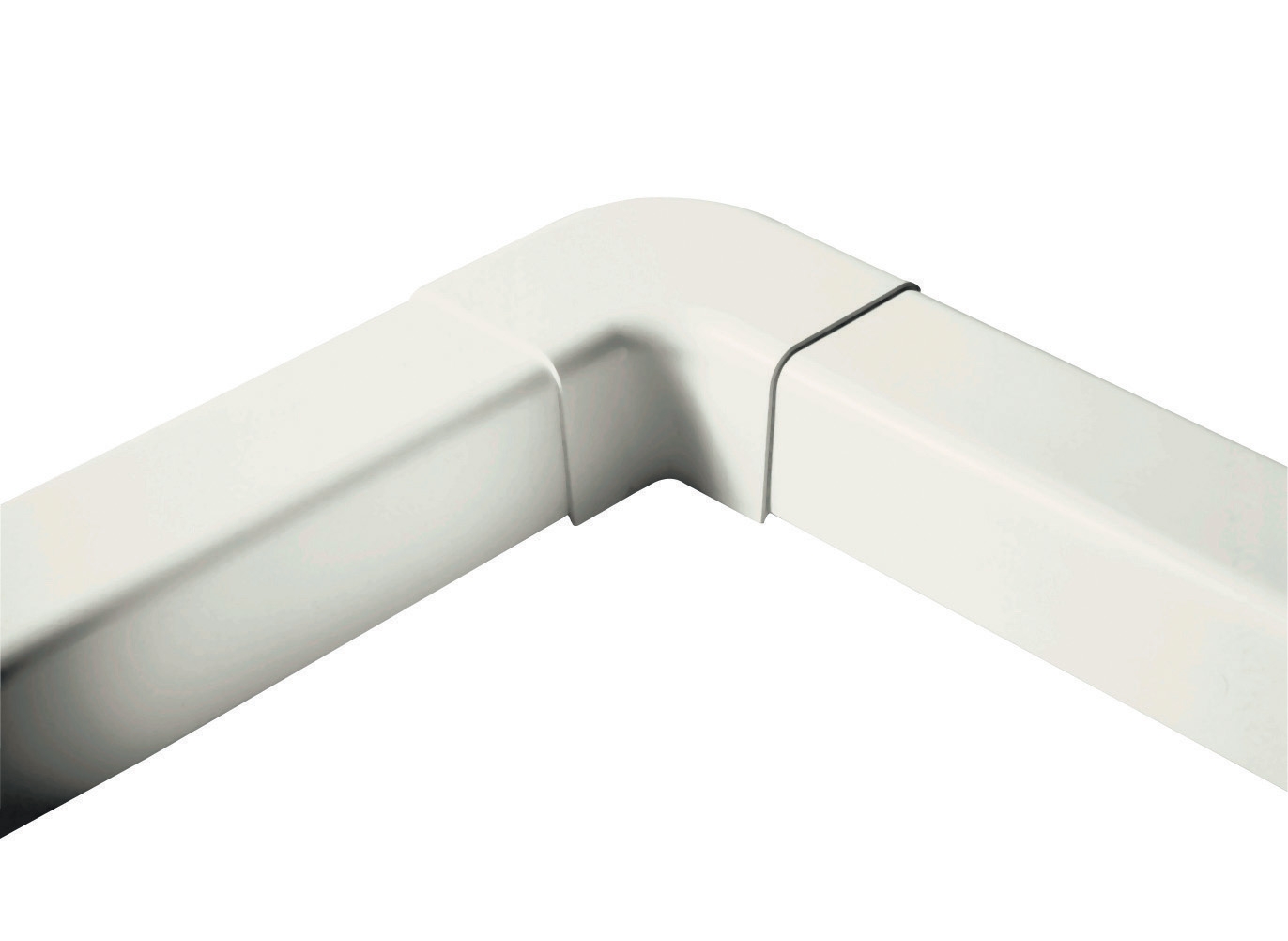
Pressure gauge installation location matters significantly. Mount primary gauges within 1 meter of the pump discharge to capture true pump output pressure, accounting for installation height differences. Use secondary gauges at system endpoints to diagnose line losses. For all gauge connections, employ 90° flat elbows rather than standard elbows—their design minimizes dead-leg volume where fluid can stagnate and degrade, extending gauge accuracy life in humid environments.
Establish quarterly pressure trend logging: record discharge pressure, motor current draw (via multimeter), ambient temperature, and fluid temperature simultaneously. After six months, analyze trends. Pressure increasing at constant flow signals system restriction buildup. Motor current rising at constant pressure indicates bearing friction increase. Temperature rise exceeding 3°C per month signals efficiency loss. These trend patterns enable predictive maintenance scheduling—replacing components before failure, reducing unplanned downtime by 50-70% in Singapore industrial facilities.
Conclusion and Next Steps for Your Facility
Pump maintenance in Singapore requires systematic pressure monitoring, electrical diagnostics, and fluid condition assessment—a more complex methodology than single-point measurements. By implementing pressure gauges at strategic locations, using diagnostic instruments like multimeters and electrical testers, and establishing trend-based monitoring, industrial facilities can extend pump life from typical 5-year replacement cycles to 8-10 years while maintaining peak efficiency. The specific pumps you operate—whether Interpump models serving high-pressure applications or other industrial equipment—will deliver maximum reliability when managed within this comprehensive framework.
3G Electric has served Singapore's industrial professionals since 1990, providing not only the diagnostic instruments and pressure monitoring equipment featured in this guide, but also technical guidance tailored to tropical operating conditions. Our team can help you assess your current pump maintenance practices, select appropriate gauges and diagnostic tools, and develop facility-specific monitoring protocols. Contact 3G Electric today to schedule a no-obligation consultation with our maintenance specialists—we'll review your pump systems, identify optimization opportunities, and recommend the equipment necessary to reduce unplanned downtime.