HVAC System Evacuation Troubleshooting: Vacuum Pump Performance & Air Removal Diagnostics for Industrial Maintenance
Proper refrigerant evacuation is critical to the longevity and efficiency of industrial HVAC systems across global operations. When evacuation procedures fail or vacuum pumps underperform, moisture and non-condensable gases remain in the system, leading to compressor failure, reduced cooling capacity, and costly downtime. This troubleshooting guide provides procurement and purchase engineers with systematic diagnostic procedures to identify vacuum pump failures, assess evacuation system performance, and implement preventive maintenance strategies. Understanding the root causes of evacuation problems—from pump oil degradation to connection leaks—enables faster problem resolution and better equipment selection for maintenance operations.
Understanding HVAC Evacuation System Fundamentals
The evacuation process in HVAC systems removes air, moisture, and non-condensable gases from refrigerant lines and components before charge installation. This procedure is essential because even small amounts of atmospheric moisture cause hydrochloric and hydrofluoric acid formation when mixed with synthetic or mineral oil refrigerants, corroding internal components and damaging compressors. A properly functioning evacuation system achieves vacuum levels between 500–1000 microns of mercury (µm Hg) depending on system size and refrigerant type.
The vacuum pump is the heart of this process, drawing air and moisture out of the system through low-pressure suction. However, several factors compromise evacuation performance: pump oil contamination from previous jobs, inadequate flow rates for system volume, connection leaks in hoses or fittings, and motor performance degradation. Tropical climates—common in Global industrial regions including Singapore—accelerate oil degradation and moisture absorption, requiring more frequent maintenance intervals and careful monitoring of pump condition. Understanding when a pump can be restored versus when replacement is necessary prevents expensive system contamination and ensures compliance with refrigerant handling regulations.
Diagnostic Procedures for Vacuum Pump Performance Assessment
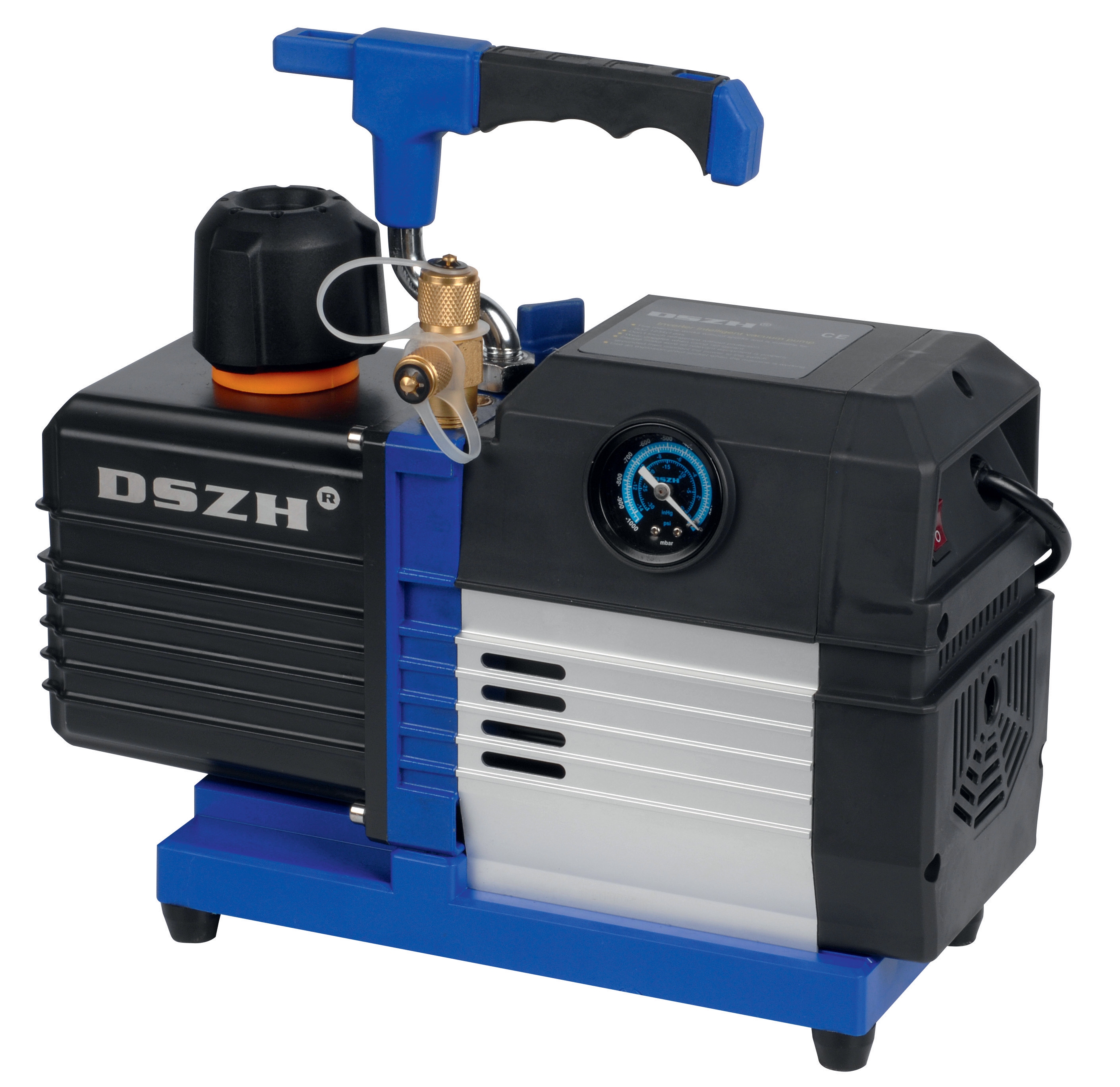
Systematic diagnosis begins with measuring actual vacuum levels achieved by the pump over time. The two key performance metrics are ultimate vacuum (the lowest pressure the pump can achieve) and pumping speed (volume evacuation rate, typically expressed in liters per minute). For industrial applications, the CBM Vacuum Pump 71 L/MIN represents a high-capacity solution with an intelligent pump design and flow rate of 71 liters per minute at standard operating conditions. This specification means the pump can remove 71 liters of gas at atmospheric pressure per minute, though actual performance depends on inlet port condition, oil quality, and system design.
To diagnose pump performance issues, connect a calibrated micron gauge to the evacuation circuit and observe vacuum decay over a 30-minute period. A properly functioning pump should reach 500–1000 µm Hg within 15–20 minutes, then maintain or improve that level. If vacuum rise (gradual pressure increase) occurs, this indicates a system leak, pump valve failure, or oil deterioration preventing proper sealing. Common diagnostic findings include:
- Slow vacuum achievement: Indicates reduced pump speed due to worn inlet valves, low oil level, or motor speed degradation. Check pump oil level (typically 600 ml capacity in quality units like the CBM Vacuum Pump) and inspect for milky or dark discoloration indicating moisture or contamination.
- Inability to achieve target vacuum: Suggests pump valve leakage or internal seal failure. Motor operation normal but pump cannot compress gas adequately. Typically requires pump replacement or factory service.
- Rapid vacuum decay: Points to external system leaks, valve leakage at hose connections, or pump discharge valve failure. Use a helium leak detector or soap solution to identify leaks before proceeding.
- Noise or vibration during operation: May indicate motor bearing wear, cavitation (air pockets in oil), or internal component damage. Inspect oil level and color; operating with low or contaminated oil accelerates damage.
For systems equipped with measuring instruments, the CBM Automatic Multimeter MM420 can assist in verifying motor continuity and voltage supply, helping isolate electrical issues from mechanical pump failures. This diagnostic separation is crucial for procurement decisions—a motor supply problem may only require electrical correction, while pump compression failure necessitates equipment replacement.
System Components and Connection Diagnostics
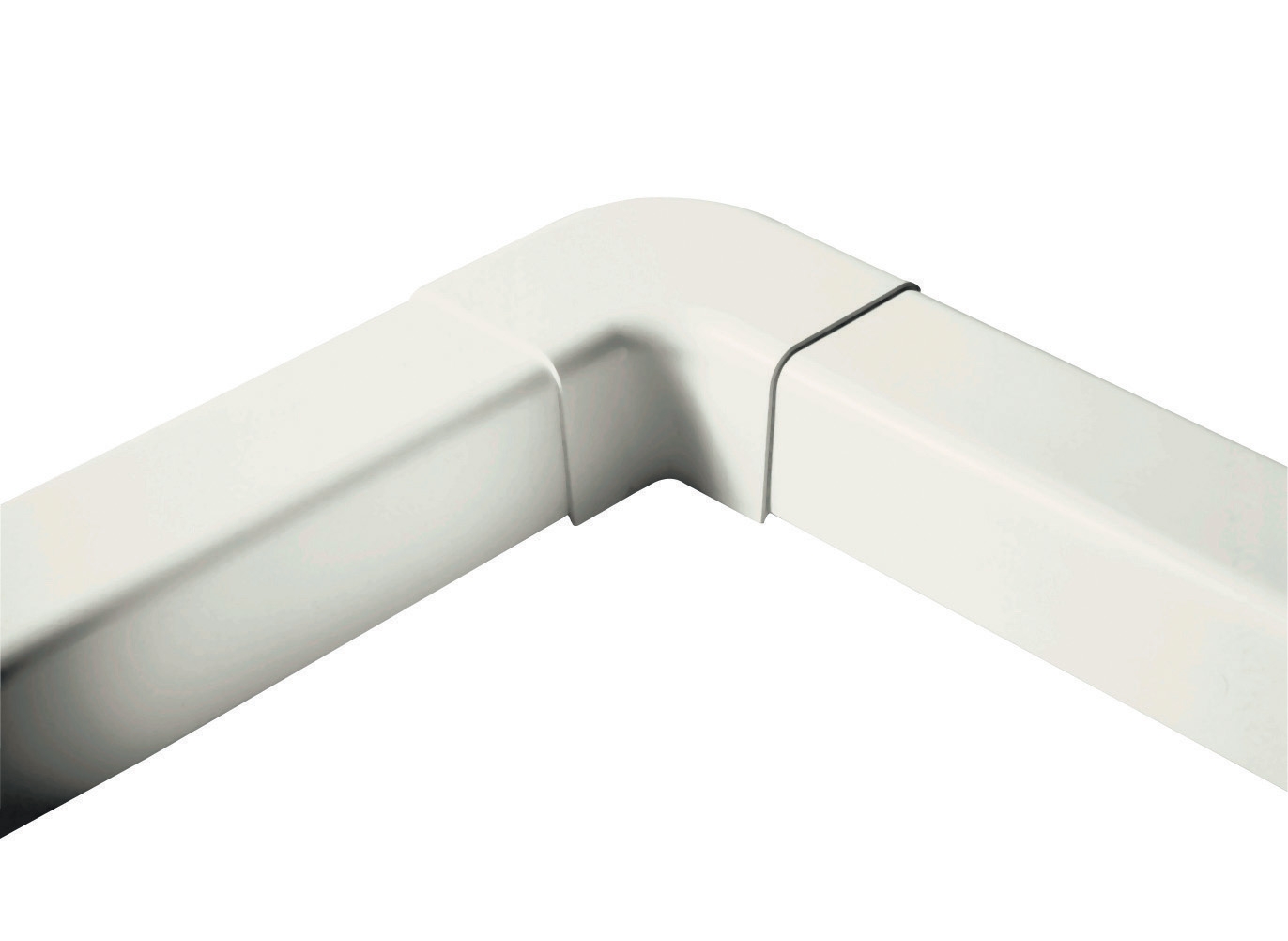
Evacuation system integrity depends on proper connections and component selection. Even minor leaks compromise evacuation effectiveness, allowing atmospheric moisture back into the system during evacuation or subsequent idle periods. High-quality fittings and hoses rated for vacuum operation are essential. The CBM Flat Elbow 90° 60mm represents proper fitting engineering for refrigerant line connections, providing reliable leak-free joints when properly installed with appropriate flaring or brazing techniques.
Diagnostic procedures for connection integrity include:
- Visual inspection: Check all hose connections for oil residue, corrosion, or physical damage indicating previous leakage. Inspect hose condition for cracks, brittleness, or clouding—signs of oil degradation or age-related failure.
- Pressure decay test: Isolate a section of the evacuation circuit using ball valves and monitor for vacuum rise over 1–2 hours. Decay exceeding 100 µm Hg/hour indicates a leak requiring identification and repair before continuing evacuation.
- Connection load assessment: Ensure evacuation hoses and manifolds are properly supported and not stressing connection points. Vibration from pump operation can gradually loosen hand-tight fittings—use appropriate wrenches to secure connections with correct torque specifications.
For pressure measurement and monitoring during evacuation, quality instruments provide real-time feedback. A glycerin-filled manometer designed for vacuum measurement helps visualize pump performance trends. For systems requiring pressure readings during operation or charging procedures, specialized pressure gauges rated for the specific refrigerant and pressure range ensure accurate diagnostics and prevent equipment damage from over-pressure conditions.
Real-World Evacuation Troubleshooting Scenarios
Scenario 1: Large Central Air Conditioning System—Slow Evacuation
An industrial facility in a tropical region operates a 50-ton central air conditioning system requiring evacuation before refrigerant charge. Initial vacuum achievement targets 500 µm Hg within 30 minutes, but the system reaches only 2000 µm Hg after one hour. Diagnosis reveals the facility is using a single-stage pump with 30 L/min capacity, undersized for the 1500-liter system volume. The pump must circulate 50 system volumes to achieve adequate dehydration. Upgrading to the CBM Vacuum Pump 71 L/MIN reduces evacuation time from 4 hours to 90 minutes while achieving superior vacuum levels, reducing contamination risk and improving system startup performance.
Scenario 2: Pump Performance Degradation Over Time
A maintenance team notices their vacuum pump achieves 800 µm Hg on first use each day but only 1500 µm Hg after 3–4 continuous evacuation jobs. Inspection reveals pump oil has changed from clear to brown, indicating moisture absorption and oxidation. The solution involves immediate oil replacement following manufacturer procedures, cleaning or replacing inlet filters, and reducing ambient humidity exposure. Regular oil analysis or replacement every 25–50 operating hours prevents this degradation, particularly in humid tropical environments where moisture ingress accelerates oil degradation.
Scenario 3: Intermittent Vacuum Loss in Small HVAC Units
Evacuation of several small split-system air conditioners shows erratic performance: initial vacuum achievement near target, then gradual rise of 200–300 µm Hg over 2 hours. Investigation identifies a slightly loose connection at the flat elbow fitting where suction lines join the evacuation manifold. Proper tightening and inspection of all connection points resolves the issue, preventing repeated re-evacuation and associated moisture reintroduction.
Vacuum Pump Selection & Maintenance Best Practices
Selecting the appropriate vacuum pump requires matching pumping speed to system volume and evacuation time targets. Industrial guidelines recommend 3–5 minutes minimum evacuation time per system volume cycle; undersized pumps result in excessively long evacuation periods, increasing moisture reabsorption risk and operational costs. The CBM Vacuum Pump's 71 L/min capacity suits systems ranging from 200–500 liters requiring 15–25 minute evacuation cycles.
Preventive maintenance intervals extend pump life and ensure reliable performance:
- Oil replacement: Change pump oil every 25–50 operating hours or when discoloration appears. Use only manufacturer-approved vacuum pump oil; incompatible oils reduce lubrication effectiveness and accelerate wear.
- Inlet filter inspection: Check foam or mesh inlet filters monthly; clean or replace as contamination accumulates. Restricted inlet reduces pumping speed and increases internal pressure, causing premature valve failure.
- Hose and connection assessment: Inspect hoses quarterly for cracks, brittleness, or internal restrictions. Replace hoses showing age-related degradation; old rubber absorbs moisture and releases it during evacuation.
- Performance baseline: Record ultimate vacuum and pumping speed during installation; compare quarterly to establish degradation trends. When performance drops 20% below baseline, schedule servicing or replacement before failures occur in critical applications.
Documentation of evacuation procedures—pump used, evacuation time, final vacuum level, and ambient conditions—enables trend analysis and supports regulatory compliance for refrigerant handling certifications common in Global industrial operations.
Electrical and Safety Considerations
Vacuum pump motors operate at 110V or 220V depending on regional standards and application requirements. Before troubleshooting electrical issues, verify proper supply voltage using a reliable test instrument. The CBM Non-Contact Voltage Detector enables safe, quick verification of supply presence without direct contact, protecting technicians from accidental shock while diagnosing motor operation faults.
Motor overload protection trips when pump inlet is restricted, oil is low, or internal friction increases. If overload tripping occurs repeatedly, address the underlying mechanical issue rather than bypassing safety features. Operating a overloaded pump damages internal components and creates safety hazards.
Conclusion and Next Steps
Effective HVAC evacuation requires systematic diagnosis, proper equipment selection, and consistent maintenance procedures. By understanding vacuum pump performance metrics, implementing connection diagnostics, and following preventive maintenance schedules, procurement and purchase engineers can significantly reduce system contamination risks and extend equipment life across industrial air conditioning operations globally.
When evacuation problems persist despite diagnostic efforts, consulting with equipment specialists ensures correct root cause identification and appropriate solutions. 3G Electric supplies industrial HVAC maintenance equipment and can assist with equipment selection, troubleshooting support, and access to specialized diagnostic tools for your facility's specific requirements. Contact our team at 3G Electric to discuss your evacuation system challenges and identify the right solutions for your operational needs. With over 30 years of industrial equipment distribution experience, we understand the maintenance demands of global operations and can recommend equipment and procedures tailored to your facility's capacity and environmental conditions.