HVAC/R System Diagnostics and Measurement: A Complete Maintenance & Service Guide for Global Industrial Operations
Effective maintenance of HVAC/R (heating, ventilation, air conditioning, and refrigeration) systems depends fundamentally on accurate diagnostics and precise measurement. For procurement and maintenance engineers managing industrial cooling and refrigeration infrastructure globally, understanding the diagnostic protocols, measurement tools, and best practices is essential to preventing costly failures and extending equipment lifespan. This guide explores the technical foundations of HVAC/R system diagnostics, the specialized instruments required, and practical methodologies that ensure system reliability across diverse climatic and operational environments.
Core Principles of HVAC/R System Diagnostics
HVAC/R system diagnostics encompasses a systematic approach to identifying operational faults, performance degradation, and potential failures before they escalate into major breakdowns. Unlike reactive maintenance, diagnostic-driven approaches rely on measurable parameters—pressure differentials, vacuum levels, electrical continuity, and temperature profiles—to establish a baseline performance signature for each installed system. This baseline becomes the reference point for ongoing condition monitoring.
The diagnostic process typically progresses through three interconnected phases: visual and mechanical inspection, pressure and vacuum testing, and electrical system validation. Visual inspection identifies leaks, corrosion, vibration damage, or structural misalignment. Pressure and vacuum testing quantifies the system's ability to maintain sealed conditions and refrigerant charge integrity. Electrical diagnostics confirm proper motor function, control circuit operation, and safety interlock performance.
In tropical and high-humidity environments—common across Singapore and Southeast Asia—moisture ingress represents a critical diagnostic concern. Refrigeration systems exposed to humid conditions face accelerated corrosion, oil degradation, and acid formation within the refrigerant circuit. Diagnostic protocols in these regions therefore emphasize moisture detection and system drying procedures more rigorously than in temperate climates. Global operations must account for these environmental variations when standardizing maintenance schedules and diagnostic frequency.
The foundation of accurate diagnostics is understanding what normal system performance looks like for your specific installation. Manufacturers provide baseline specifications—operating pressures, superheat values, subcooling parameters—that define healthy operation. Deviations from these specifications signal underlying issues that require investigation. Temperature, pressure, and electrical measurements form the triad of diagnostic data that guides troubleshooting logic and repair prioritization.
Specialized Measurement Tools and Technical Specifications
Precision measurement is impossible without appropriate instrumentation. HVAC/R diagnostics rely on several categories of specialized tools, each designed to capture specific parameters with the accuracy required for reliable decision-making.
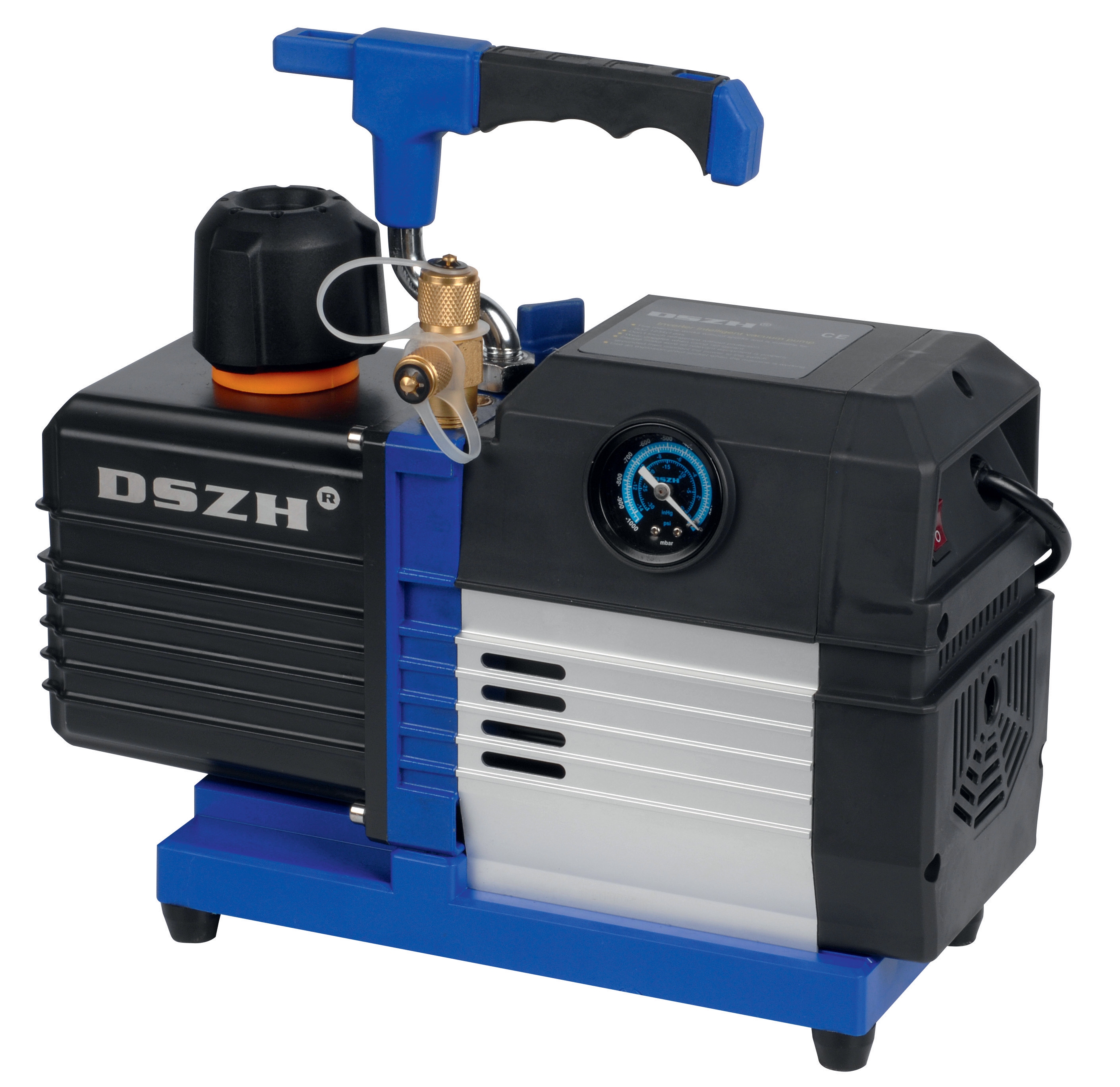
Vacuum Pumps and Evacuation Protocol: Before charging a refrigeration system or after performing repairs, the system must be evacuated to remove moisture and non-condensable gases. The CBM Vacuum pump 71 L/MIN represents a critical tool in this process. With a flow rate of 71 liters per minute and dual inlet ports (1/4" and 3/8"), this pump accommodates systems ranging from small residential units to mid-scale commercial installations. The 600 ml oil capacity ensures adequate lubrication during extended evacuation cycles. Proper evacuation requires achieving a deep vacuum—typically 500 microns or lower—which prevents moisture-related acid formation and extends system lifespan. The intelligent pump design enables operators to manage evacuation time efficiently, reducing downtime while ensuring system integrity.
Pressure Measurement and System Monitoring: Accurate pressure reading is fundamental to HVAC/R diagnostics. The CBM Glycerin stainless steel pressure gauge vertical D50 0/+4bar G1/4 provides reliable pressure indication across the operating envelope of most commercial refrigeration systems. The glycerin-filled gauge dampens pressure fluctuations caused by compressor cycling, delivering stable readings that prevent misinterpretation of transient pressure spikes. The stainless steel construction ensures corrosion resistance in humid environments, while the 50mm dial provides visibility in industrial settings. The 0 to +4 bar range (0 to 58 PSI) covers typical operating pressures for low-temperature refrigeration applications. Integration with standardized G1/4 ports enables quick connection to system service points without adapter complexity.
Electrical Diagnostics and System Safety: Beyond refrigerant and pressure systems, HVAC/R installations incorporate electrical controls, compressor motors, and safety interlocks that require independent verification. The CBM Automatic multimeter MM420 serves as the primary diagnostic tool for electrical system validation. With dual range capability for both AC and DC current (up to 400 mA on low range, 10 A on high range), this multimeter accommodates compressor motor circuits, control transformers, and solenoid valve coils. The 400 mA/250 V fuse rating ensures protection against overload conditions. For technicians working in international installations, automatic range selection simplifies use and reduces measurement error, particularly when circuit specifications vary across regional electrical standards.
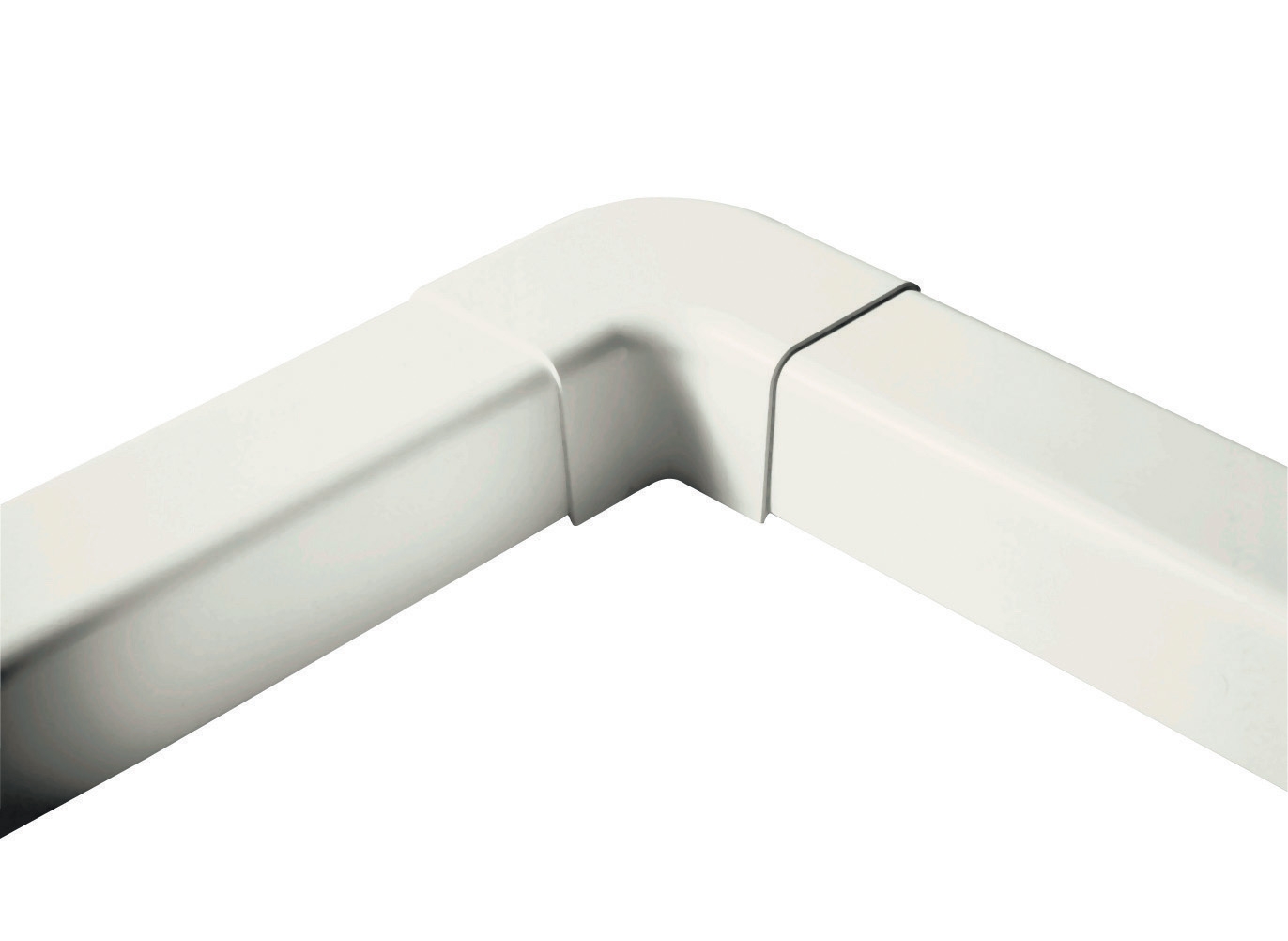
Mechanical Integration and System Architecture: Proper diagnostics requires understanding how individual components integrate within the larger system. Connection fittings like the CBM Flat elbow 90° 60mm ensure clean, low-restriction connections between evacuation pumps, manifold gauges, and refrigerant charging equipment. The 60mm dimension corresponds to standard hose couplings used in HVAC/R service manifolds, enabling flexible system configuration during diagnostic procedures.
Real-World Diagnostic Application Scenarios
Scenario 1: Post-Repair System Commissioning: A commercial refrigeration unit has undergone compressor replacement due to mechanical failure. Following repair, the system must be evacuated, charged, and validated before returning to service. Technicians connect the vacuum pump to the system service ports, typically using the 1/4" inlet for smaller suction lines and the 3/8" inlet for larger diameter connections. The evacuation process continues until a vacuum below 500 microns is achieved, typically requiring 30–45 minutes for a 5-ton system. Once evacuation is complete, the system is charged with fresh refrigerant. The pressure gauge is connected to the low-side service port to monitor system pressure during initial startup. Expected operating pressures depend on the refrigerant type and ambient temperature; for R-410A systems in a 25°C environment, low-side pressure typically reads 95–115 PSI. If actual readings deviate significantly, the technician uses the multimeter to verify compressor motor current draw and control circuit voltage, confirming that electrical systems are functioning correctly.
Scenario 2: Preventive Maintenance and Condition Monitoring: In Southeast Asian operations, monthly pressure readings establish a baseline for comparison. If low-side pressure gradually increases over successive readings while high-side pressure remains stable, this pattern suggests refrigerant migration or internal leakage. Conversely, if both pressures drop together, a system leak may be responsible. By recording pressure data systematically, procurement engineers can predict when repair is likely needed, enabling planned maintenance rather than emergency intervention.
Diagnostic Best Practices and Selection Criteria
Effective diagnostics demands standardized protocols and appropriate tool selection. For global operations, establish baseline measurements immediately after system installation or major repair. Record ambient temperature, system pressures (both high and low sides), compressor motor current, and control voltage. These baseline values become the reference for future comparison.
Tool selection should prioritize accuracy and environmental durability. In humid regions like Singapore, glycerin-filled gauges resist corrosion better than alcohol-filled alternatives. Vacuum pumps with oil-sealed designs (such as the intelligent pump design) outperform dry vane pumps in extended evacuation applications. Digital multimeters with automatic range selection reduce operator error compared to manual range instruments.
Maintenance frequency should correlate with operational intensity and environmental conditions. High-humidity tropical installations warrant monthly pressure monitoring during peak seasons, while temperate-climate systems may require quarterly checks. Air-cooled condenser units in dusty environments benefit from visual inspection every six weeks to detect refrigerant oil accumulation—a sign of system sweating or leakage.
Training is equally critical. Technicians must understand normal operating pressures for specific refrigerant types, recognize pressure trends that signal incipient failure, and safely handle diagnostic equipment. Certification programs emphasizing both theoretical knowledge and hands-on equipment operation ensure consistent, reliable diagnostics across your maintenance organization.
Conclusion and Next Steps
HVAC/R system diagnostics and measurement represent the foundation of reliable, cost-effective industrial refrigeration maintenance. By implementing systematic pressure monitoring, proper evacuation protocols, and electrical system verification, procurement and maintenance engineers can extend equipment lifespan, reduce unexpected failures, and optimize energy consumption across global operations.
Success requires the right combination of technical knowledge, appropriate instrumentation, and standardized procedures. Whether you are commissioning new refrigeration capacity, managing tropical climate installations in Singapore, or maintaining legacy systems across multiple geographic regions, the diagnostic frameworks described in this guide provide a practical roadmap.
3G Electric is your authorized partner for HVAC/R diagnostic equipment, specialized measurement tools, and expert guidance on maintenance & service best practices. Our team of industrial equipment specialists understands the unique challenges of global operations—from humidity-driven corrosion in Southeast Asia to the electrical standards variations across international markets. We stock premium diagnostic instruments, provide technical documentation, and offer procurement support to ensure your maintenance program meets the highest reliability standards. Explore our complete range of measurement and diagnostic tools, or contact our procurement specialists to discuss your specific HVAC/R maintenance requirements. For air conditioning system maintenance in Singapore and beyond, visit our air conditioning maintenance section. Learn more about our comprehensive maintenance & service solutions designed for industrial operations worldwide.