Complete Guide to Gas Valves and Solenoid Valve Maintenance & Service in Singapore
Proper maintenance and service of gas valves and solenoid valve systems are critical for ensuring operational safety, efficiency, and longevity in industrial applications across Singapore. Whether you operate commercial burner systems, oil supply equipment, or pneumatic installations, understanding the maintenance requirements and service protocols for these components directly impacts equipment reliability and regulatory compliance. This comprehensive guide provides industrial professionals with the technical knowledge needed to implement effective maintenance schedules, diagnose common issues, and select appropriate replacement components for their specific operational requirements.
Understanding Gas Valves and Solenoid Valve Systems
Gas valves and solenoid valves represent two fundamental control technologies in industrial fluid and gas handling systems. Solenoid valves operate using electromagnetic principles to control fluid or gas flow, making them ideal for automated systems requiring rapid response times and precise control. These devices consist of an electromagnetically-actuated plunger that opens or closes internal passages, allowing or blocking flow based on electrical signal inputs. Gas valves, particularly those used in burner systems and fuel management, incorporate multiple control mechanisms including pressure regulation and safety shut-off functions.
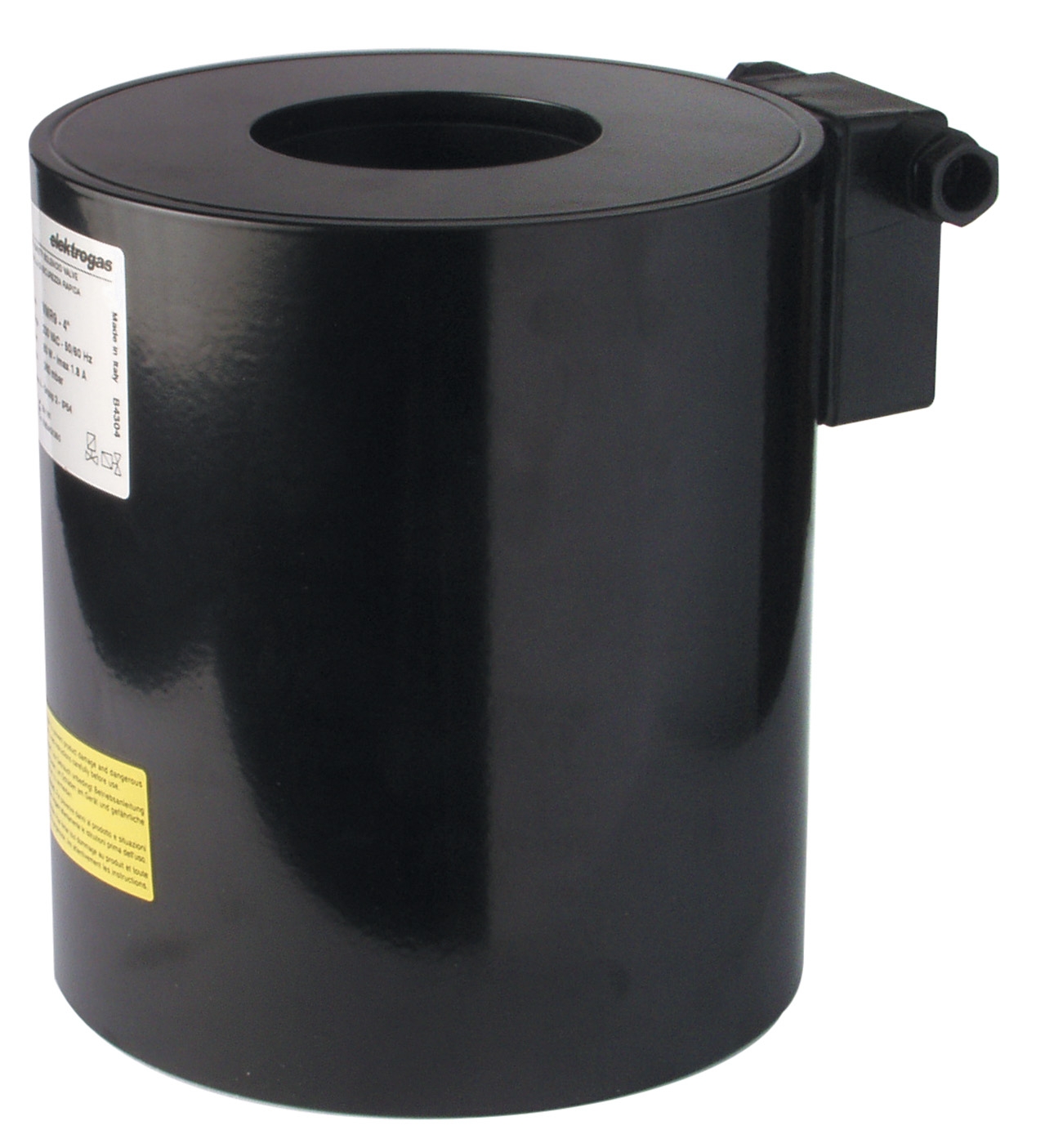
The integration of solenoid coils (such as the CBM Coil 24V AC for ELV series with specifications of 24V operation) with valve bodies creates complete control systems capable of managing complex fluid dynamics. In Singapore's industrial environment, where equipment operates continuously in demanding conditions, these systems require systematic maintenance protocols to prevent failures that could result in safety incidents, environmental violations, or costly downtime.
Proper maintenance involves regular inspection of electrical connections, pressure verification using calibrated instrumentation, functional testing of solenoid response times, and preventive replacement of wear components. The technical complexity of modern valve systems demands that maintenance personnel understand both the mechanical and electrical aspects of operation, pressure characteristics across various flow conditions, and the interaction between valve components and the media they control.
Technical Specifications and Component Maintenance
Effective maintenance of gas valve and solenoid valve systems requires detailed understanding of operational parameters and component specifications. The CBM Coil 1930.1814 230V VML represents a standard solenoid coil application operating at 230V with pressure ratings of 200mbar, suitable for larger valve body sizes ranging from 2½ to 3 inches. This specification indicates a medium-pressure solenoid valve application typical in oil supply systems and burner control configurations. Maintenance of such coils includes annual electrical testing, insulation resistance verification, and thermal cycling validation to ensure the electromagnetic field strength remains adequate for reliable valve actuation.
Pressure measurement represents a critical maintenance function in valve systems. The CBM Stainless Steel Axial Manometer D63 provides accurate pressure readings across low-pressure pneumatic systems with a range of 0-400mbar and accuracy of ±1.6% of full scale. Regular pressure monitoring using properly calibrated instruments identifies abnormal system conditions before they develop into equipment failures. Manometer maintenance includes quarterly verification against certified reference standards and visual inspection for case integrity and seal condition.
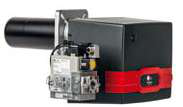
The FBR X GAS XP 60 CE TC EVO burner system operating with natural gas (metano) demonstrates the integration of multiple valve and control components. This system operates at maximum power output of 630 kW with minimum output of 232 kW, requiring precision control through properly maintained solenoid valve assemblies. The system's 250mm nozzle and three-phase electrical supply necessitate regular inspection of fuel supply pressure, solenoid response timing, and combustion efficiency parameters. Service protocols should include annual cleaning of nozzles, verification of fuel line pressures using calibrated gauges, and functional testing of safety shutdown circuits under simulated emergency conditions.
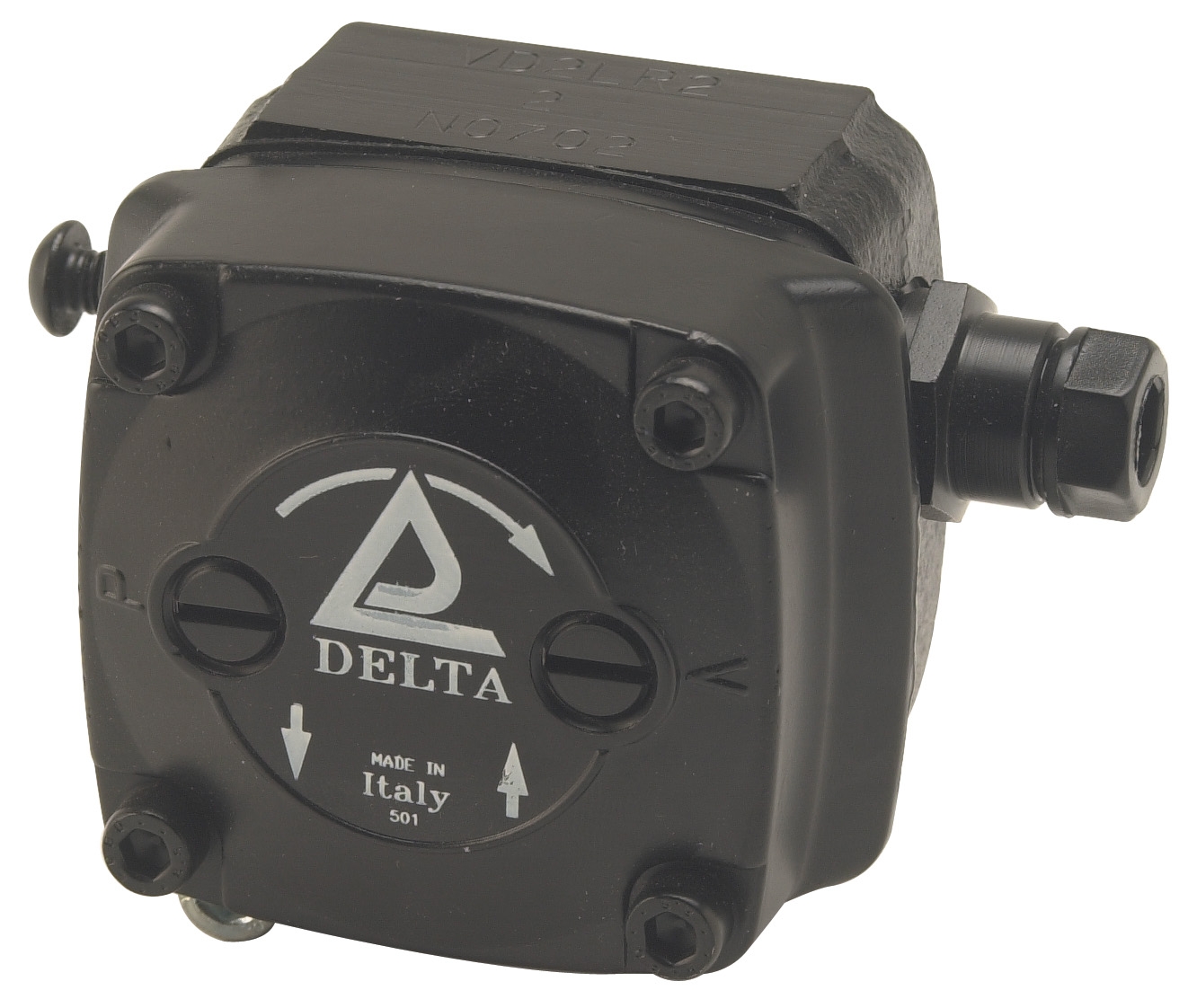
For oil supply systems, the CBM VD2 LR-2.2 low pressure pump operates as the fuel delivery component working in concert with pressure-regulating valve assemblies. This pump features high suction capability and self-priming operation, suitable for both single and two-pipe fuel system installations complying with EN 225 international standards. Maintenance of these pumps requires regular oil analysis to detect contamination, filter replacement at manufacturer-specified intervals (typically 500-1000 operating hours), and functional pressure testing to verify pump output specifications remain within acceptable tolerances.
Real-World Application Examples: Singapore Industrial Environments
Industrial facilities across Singapore employ gas valve and solenoid valve systems in diverse applications, each with specific maintenance requirements and operational challenges. Commercial heating facilities utilize solenoid-controlled gas burners for consistent thermal output, requiring daily visual inspections and weekly functional testing of valve response. The high ambient humidity and saline air conditions characteristic of Singapore's coastal industrial zones necessitate enhanced corrosion protection and more frequent electrical contact cleaning compared to inland facilities.
Manufacturing plants with precision heating requirements depend on closed-loop control systems where solenoid valves maintain target temperatures within tight tolerances. In these applications, maintenance intervals often extend to quarterly comprehensive inspections including oscilloscope verification of solenoid coil electrical waveforms, response time measurement (typically 80-150 milliseconds for solenoid-actuated valves), and pressure stability testing across the full operating range.
Oil-fired industrial boilers represent another critical application where maintenance directly impacts efficiency and regulatory compliance. These systems integrate fuel pumps, pressure regulation valves, solenoid-operated safety shut-offs, and combustion control electronics. Regular maintenance includes monthly fuel line inspection for leakage, quarterly cleaning of fuel filters, biannual calibration of pressure regulators, and annual complete system testing simulating all operational modes and emergency conditions. Facilities in Singapore frequently experience rapid humidity fluctuations that accelerate electrical connector corrosion, making quarterly inspection and treatment of electrical connections particularly important.
Selection Criteria and Best Practices for Maintenance & Service
Voltage and Power Requirements: Solenoid coils operate at specific voltages (24V AC, 230V AC, or other designated values). Maintenance procedures must verify actual supplied voltage matches coil specifications using calibrated digital multimeters. The CBM Coil 24V AC for ELV7 series requires confirmation that control transformers supply properly stabilized 24V AC power within ±10% tolerance. Voltage variations outside specification range reduce solenoid holding force, resulting in erratic valve operation or complete failure to maintain position.
Pressure Rating Verification: Each valve and solenoid assembly carries maximum and minimum operating pressure specifications. For example, the CBM Coil 1930.1814 operates within a 200mbar pressure range, requiring system gauges capable of reading this low-pressure spectrum with accuracy. Maintenance protocols should include pressure measurement at multiple system points to identify losses indicating seal deterioration or internal leakage.
Preventive Replacement Schedules: Rather than reactive replacement following failure, establish component replacement schedules based on manufacturer recommendations and actual operating conditions. High-duty-cycle applications may warrant solenoid coil replacement every 5-7 years, while low-cycle applications may extend replacement intervals to 10+ years. Filter and seal replacement should follow equipment manufacturer specifications, typically every 500-2000 operating hours depending on fuel quality and system design.
Documentation and Compliance: Maintain detailed maintenance logs recording inspection dates, measured parameters, component replacement dates, and any observed abnormalities. This documentation supports regulatory compliance verification and provides historical data enabling predictive maintenance planning. Singapore's industrial safety regulations (PSB Safety Code of Practice for Pressure Equipment) require documented maintenance evidence for pressure equipment installations.
Advanced Monitoring and Diagnostic Techniques
Modern maintenance approaches increasingly incorporate advanced diagnostic equipment. The CBM Digital Vacuum Gauge BluVac enables precise vacuum measurement in low-pressure systems, supporting maintenance verification of pump suction conditions and system evacuation procedures. Digital instrumentation provides superior accuracy and data logging capabilities compared to mechanical gauges, enabling trend analysis and early warning detection of performance degradation.
High-pressure applications benefit from systems like the Interpump PUMP 5015 R ATEX, which delivers 500 bar pressure at 15 L/min with 20 HP power output and ATEX certification for hazardous area operation. Maintenance of such systems requires pressure testing to verify the full 500 bar rating, flow measurement confirmation, and rotation regime verification at 1450 rpm. The 19.5 kg weight and compact dimensions (351.5 × 242.5 × 195.5 mm) facilitate component replacement while maintaining spatial efficiency in equipment layouts.
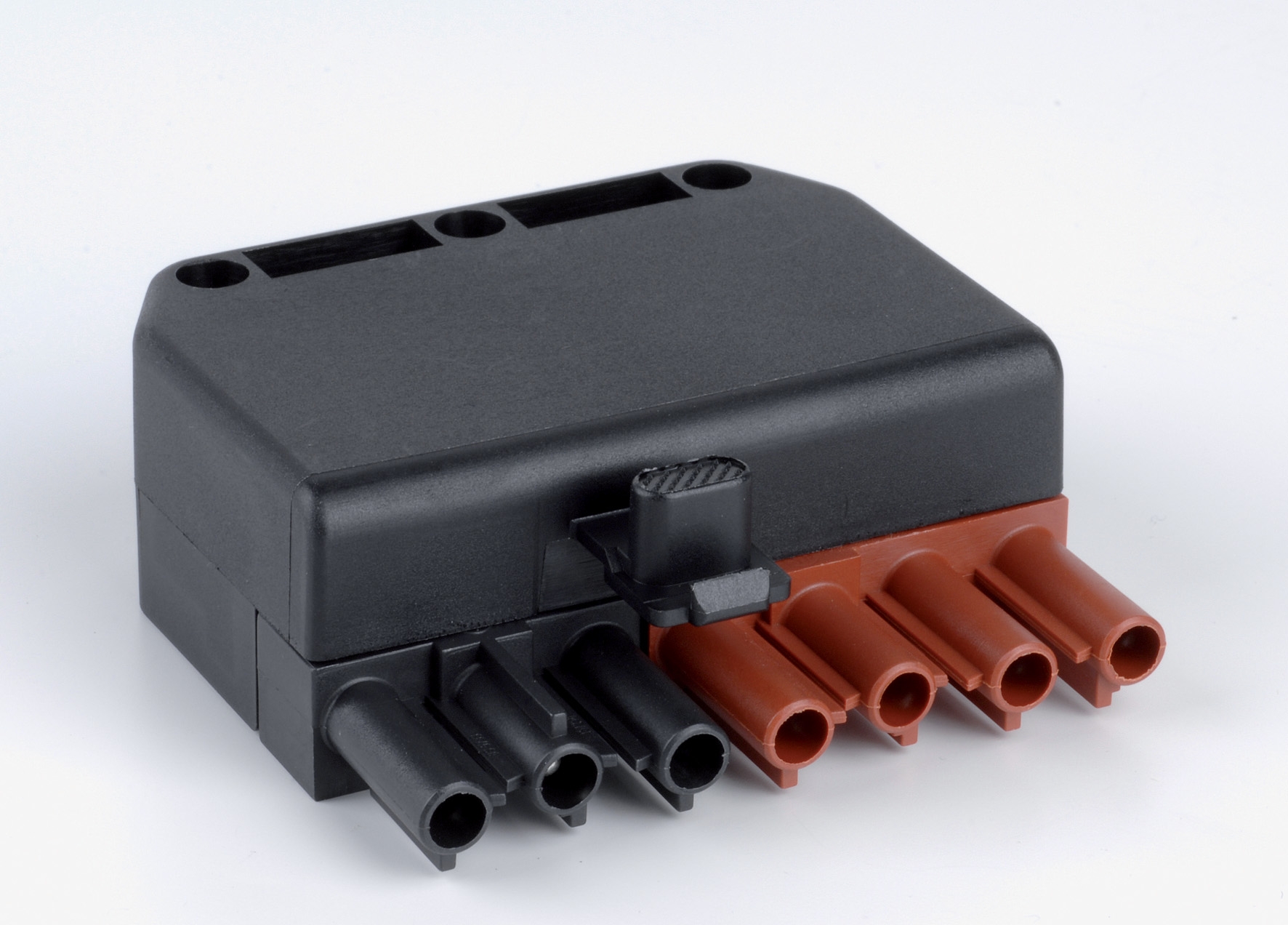
Solenoid connector maintenance should not be overlooked, as electrical connection quality directly impacts solenoid reliability. The CBM 7 Pole Male Connector represents standard industrial electrical interfacing, requiring periodic cleaning with contact cleaner and verification of secure connections. Corrosion at connector interfaces, particularly in Singapore's humid coastal environment, represents a common failure cause preventable through systematic maintenance.
Implementing these maintenance practices ensures consistent performance, extends component service life, and maintains compliance with Singapore's industrial safety standards. Regular review of maintenance effectiveness against system performance metrics enables continuous refinement of maintenance protocols to match specific operational requirements and environmental conditions.
For comprehensive gas valves and solenoid valve solutions tailored to your specific industrial application in Singapore, contact the technical specialists at 3G Electric. Our team provides maintenance consulting, component selection guidance, and emergency service support to ensure your industrial systems operate at peak efficiency. We maintain extensive inventory of replacement components and can assist with establishing customized maintenance and service protocols for your facility. Reach out to 3G Electric today to discuss your valve system maintenance requirements.