Gas Burner Maintenance & Service: Pressure Systems, Combustion Control & Field Diagnostics for Global Industrial Operations
Gas burner systems are among the most critical infrastructure components in industrial facilities worldwide, yet their maintenance and service protocols are often overlooked until catastrophic failure occurs. For procurement and purchase engineers responsible for facility operations, understanding the technical fundamentals of burner maintenance—from pressure regulation to combustion diagnostics—is essential for preventing downtime, ensuring safety compliance, and optimizing energy efficiency. This guide explores the technical architecture of modern gas burner systems, diagnostic methodologies, and the specialized tools and components required to maintain peak performance across diverse industrial environments.
Core Technical Architecture: Pressure Regulation and Combustion Control Systems
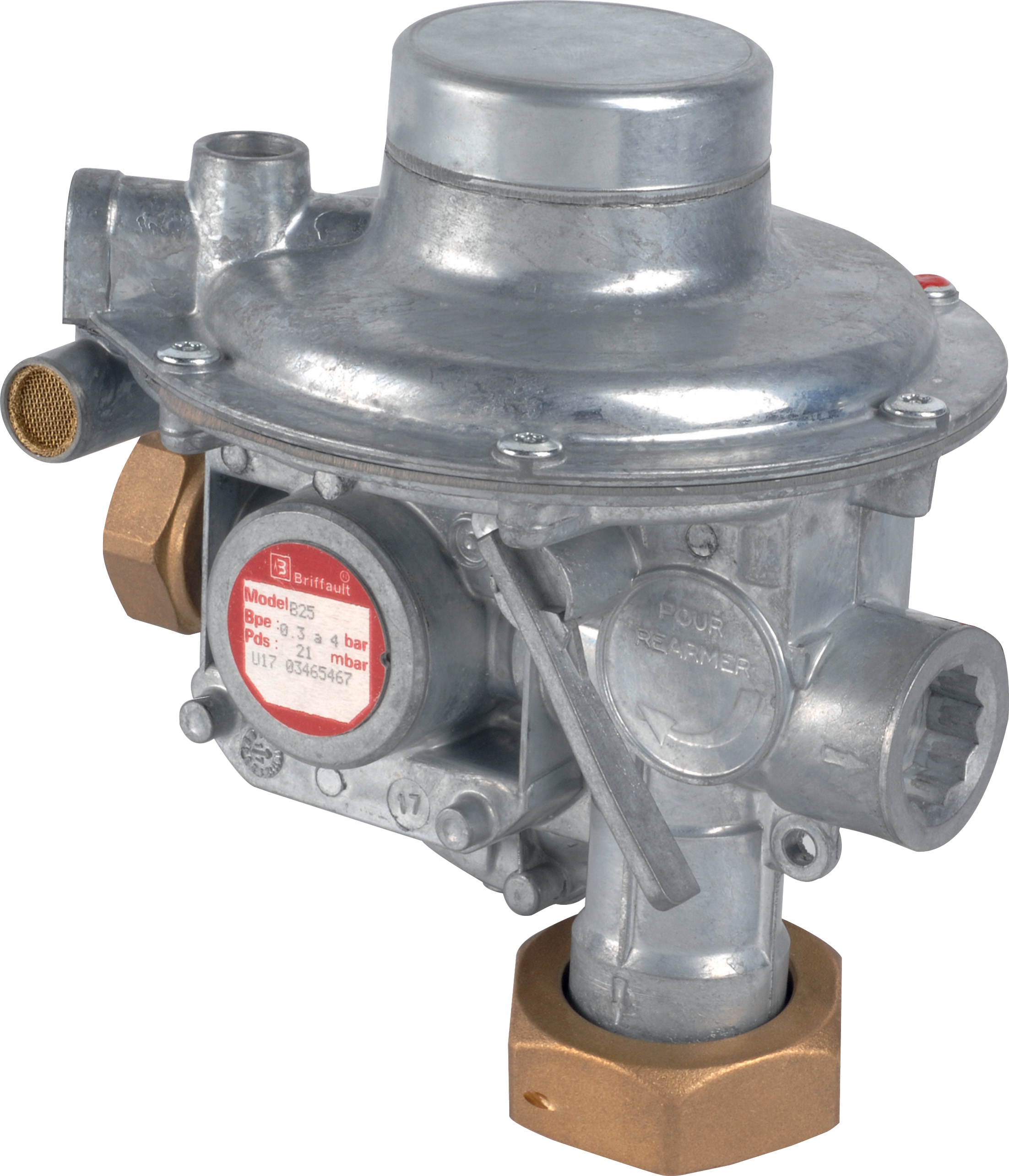
Modern gas burner systems operate on a fundamental principle: precise control of fuel delivery and air mixture to achieve stable, efficient combustion. The system architecture consists of several interconnected subsystems, each demanding specific maintenance protocols. The gas supply train represents the first critical stage—fuel enters through a pressure regulation network that maintains consistent delivery across varying operational demands. Unlike oil-fired systems, gas burners must manage variable pressure conditions depending on fuel source (natural gas, LPG, or mixed gas categories), necessitating precision regulators calibrated to specific pressure bands.
The combustion head represents the operational core, where fuel and air converge under controlled conditions. Advanced burner designs employ high-efficiency combustion chambers with adjustment mechanisms that optimize flame stability across turndown ratios—the range between minimum and maximum firing rates. This is critical because incomplete combustion at low firing rates reduces efficiency and increases emissions, while excessive pressure at high rates can cause flashback or instability. The fan pressurization system delivers combustion air under controlled velocity, requiring regular inspection for bearing wear, blade degradation, and housing obstruction.
Electronic control systems—including modulation kits with PID (Proportional-Integral-Derivative) controllers—enable dynamic adjustment of fuel delivery in response to system demand. These systems rely on feedback from pressure sensors and temperature probes to maintain setpoint conditions. For procurement engineers, understanding this architecture is essential because maintenance decisions at one system level cascade through others. A failing pressure regulator doesn't merely reduce burner output; it destabilizes combustion control, increases emissions, and accelerates wear on mechanical components downstream.
Diagnostic Tools and Pressure System Components: Technical Specifications and Applications
Field diagnostics of gas burner systems requires specialized instrumentation that goes beyond basic pressure gauges. Modern diagnostic protocols employ multiple measurement points across the gas supply train, combustion chamber, and flue gas pathway. The CBM Glycerin Stainless Steel Pressure Gauge (0/+4 bar) provides the foundational measurement capability for low-pressure gas train verification—critical for confirming supply pressure compliance with equipment specifications. The glycerin-filled design dampens pressure fluctuations inherent in pulsating gas flows, providing stable readings essential for regulatory compliance documentation.
However, complete diagnostic assessment requires multi-point instrumentation. The CBM Automatic Multimeter MM420 enables measurement of AC/DC current across control circuits, voltage supply integrity, and resistance characteristics of modulation solenoids and ignition systems. For burners equipped with modulating controls, this multimeter identifies failing solenoid coils that prevent proper fuel modulation, causing hunting behavior (oscillating between high and low fire) that stresses equipment and increases energy consumption. The CBM Non-Contact Voltage Detector provides safe preliminary verification of live circuits before contact measurements, critical for LOTO/TAGOUT compliance in facility maintenance protocols.
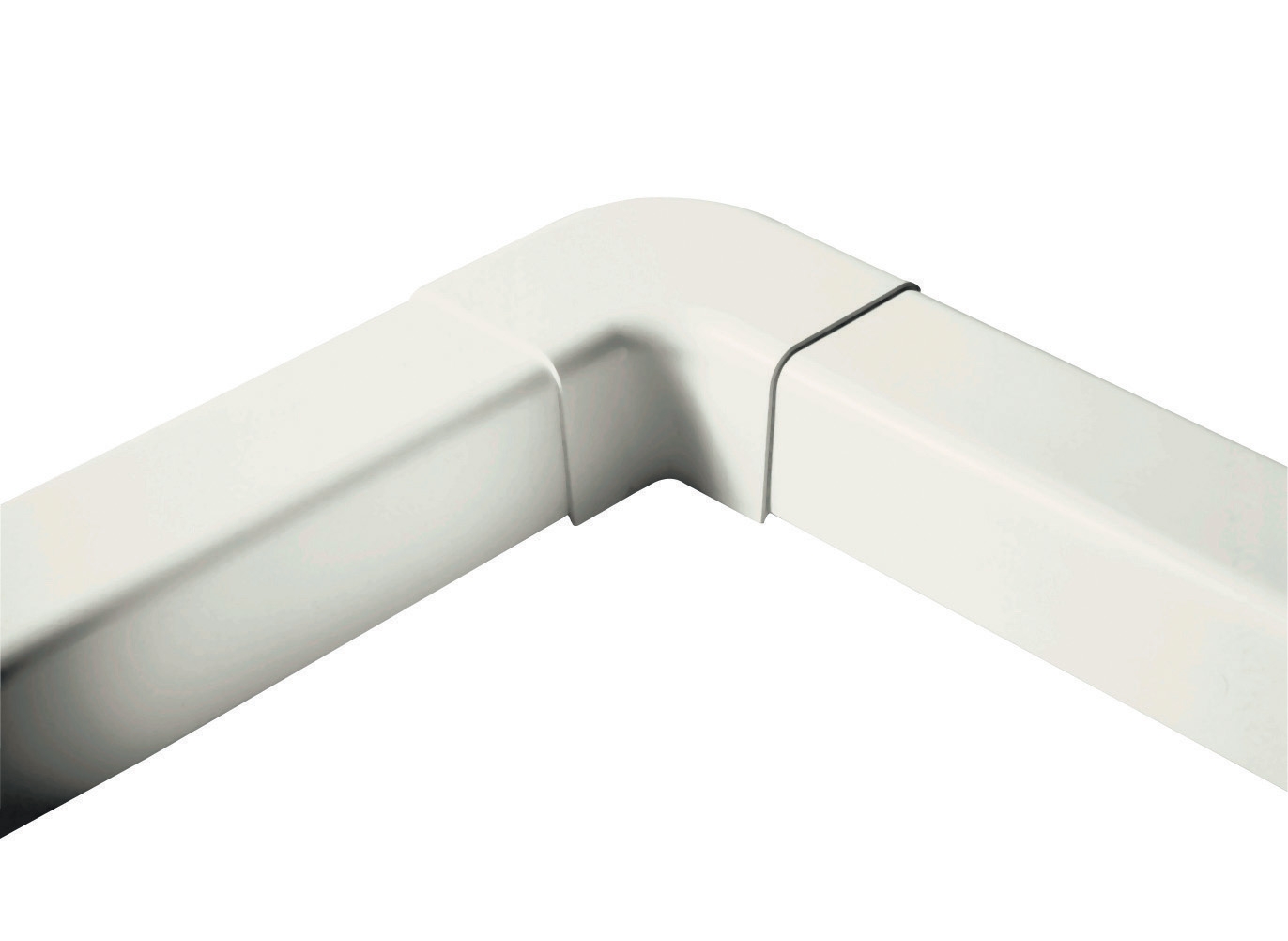
Pressure regulation in gas systems demands precision components that interface directly with the burner fuel train. The CBM Flat Elbow 90° (60mm) represents the class of specialized fittings required when reconfiguring gas supply manifolds during maintenance interventions. These components must maintain pressure integrity while accommodating spatial constraints in equipment layouts. For burners operating on variable fuel sources or requiring modulation, auxiliary pressure sensing systems employ thermocouple technology. The CBM Type K Thermocouple for Infrared Thermometer enables non-contact combustion temperature measurement, providing diagnostic confirmation of proper fuel-air mixture ratios without disrupting burner operation.
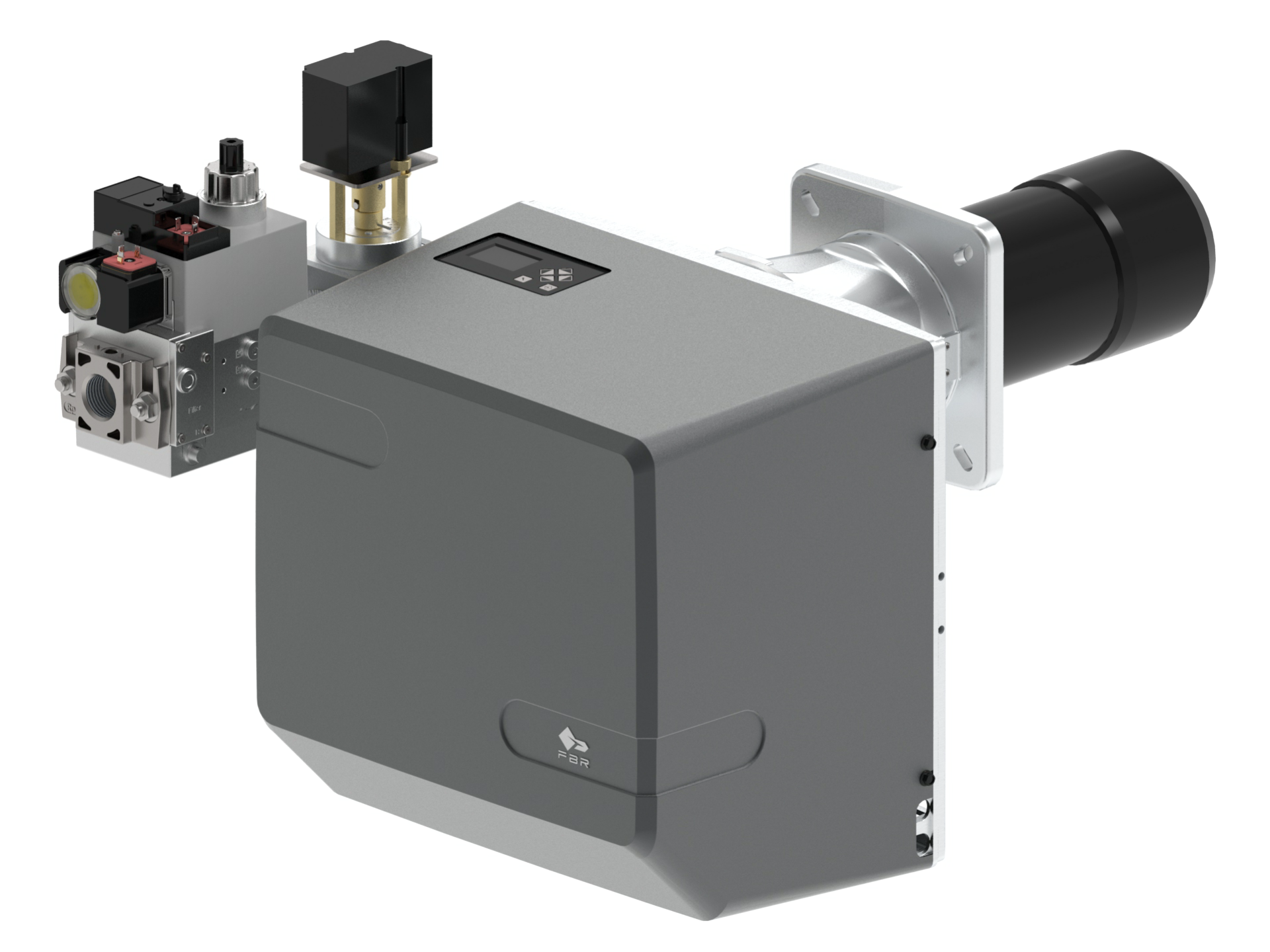
The FBR GASP X5 Gas Burner (modulating configuration) exemplifies modern burner engineering, featuring die-cast aluminum construction with integrated high-pressurization fan and precision combustion head. Specifications indicate maximum output of 349 kW with turndown capability to 69.8 kW minimum, enabled through modulation kits that interface with external PID controllers. The 370W fan motor, coupled with IP40 electrical enclosure protection, operates across multiple gas categories (I2R, I2H, I2L, I2E, I3B/P classifications), requiring maintenance personnel to verify fuel category compliance during service intervals.
Real-World Application: Integrated Pressure System Diagnostics in Multi-Burner Facilities
Consider a European food processing facility operating multiple parallel heating circuits, each with independent FBR GASP X5 burners controlled by integrated management systems. During routine maintenance, facility engineers discovered uneven heat distribution across process vessels, indicating potential burner performance degradation. Systematic diagnosis using the CBM pressure gauge revealed that one burner circuit exhibited pressure fluctuation between 28-35 mbar—outside the specified 27/33 mbar range for natural gas operation.
Secondary investigation with the CBM multimeter identified high resistance (>500Ω) in the modulation solenoid control circuit, preventing proper valve opening. Root cause analysis traced the failure to inadequate combustion air filtration, allowing particulate accumulation in solenoid valve passages. Rather than replacing the entire burner assembly (substantial capital cost), maintenance engineers implemented enhanced air filter monitoring and replaced only the solenoid valve component. Post-repair verification using both pressure gauge and multimeter confirmed restoration to specification, reducing heat distribution variance to ±2% across all circuits.
This example demonstrates why procurement engineers must understand pressure system diagnostics: apparent burner failures often originate in peripheral subsystems, and precise measurement capability prevents unnecessary capital expenditure while maintaining operational reliability. Documentation of these diagnostic measurements creates maintenance history essential for warranty claims and regulatory compliance audits.
Maintenance Best Practices and Component Selection Criteria
Effective gas burner maintenance requires structured protocols aligned with manufacturer specifications and operational context. Establish baseline pressure and electrical measurements during commissioning, documented in equipment files for comparison during subsequent service intervals. Pressure gauge selection must account for operating pressure range (avoid operating instruments below 25% or above 75% of full scale, where accuracy degrades) and fluid compatibility with gas supply contaminants. The glycerin-filled design of the CBM gauge provides superior performance in pulsating gas systems compared to dry gauges prone to needle flutter.
For multi-circuit facilities or burners with modulation, implement quarterly multimeter verification of solenoid coil resistance and control voltage supply stability. This preventive approach identifies failing components before catastrophic loss of burner control. Temperature monitoring via infrared thermometry or contact thermocouples provides non-invasive assessment of combustion efficiency—properly tuned burners exhibit consistent flue gas temperatures within ±5°C across firing rate variations.
Component standardization across multiple burner installations reduces spare parts inventory and accelerates troubleshooting. When selecting replacement pressure regulators, solenoid valves, or sensing components, verify compatibility across gas categories and pressure ranges relevant to your facility's fuel sources. Engage distributors experienced in industrial gas burner systems who can provide technical documentation supporting regulatory compliance and warranty administration.
Advancing Your Maintenance Capability
Gas burner maintenance excellence requires integration of technical knowledge, precise instrumentation, and documented protocols. Whether you operate single burners in process heating applications or complex multi-circuit systems supporting facility-wide thermal loads, understanding pressure regulation, combustion control, and diagnostic methodologies directly impacts operational safety, energy efficiency, and maintenance cost management. At 3G Electric, we partner with industrial professionals globally to provide not only the specialized components and diagnostic tools your operations demand, but also the technical expertise required to implement effective maintenance programs. Contact our technical team today to discuss your specific burner system requirements, diagnostic challenges, or component sourcing needs. Our engineers can help you develop customized maintenance protocols and identify the right instrumentation for your facility's operational context.