Gas Burner Selection & Maintenance in Southeast Asia: A Technical Comparison Guide for Industrial Procurement
Industrial procurement engineers across Southeast Asia face critical decisions when selecting combustion equipment and maintenance systems for their operations. The choice between different gas burner models—particularly when evaluating dual-fuel capabilities and modulation systems—requires understanding both technical specifications and long-term maintenance requirements. This guide compares modern gas burner technologies and their essential maintenance components, providing the technical depth procurement teams need to make informed purchasing decisions. Whether you're upgrading existing systems or specifying new installations in Singapore, Malaysia, or across the region, understanding the relationship between burner performance characteristics and supporting maintenance infrastructure is essential for operational reliability and cost efficiency.
Understanding Modern Industrial Gas Burners and Their Maintenance Needs
Industrial gas burners represent a critical investment in any combustion system, and their performance directly impacts operational efficiency, emissions compliance, and maintenance costs. Modern burner technology has evolved significantly, with manufacturers now offering sophisticated modulation systems, multi-fuel compatibility, and integrated safety features that demand proper maintenance protocols and support components.
In Southeast Asia's tropical climate and demanding industrial environment, the relationship between burner selection and maintenance becomes even more critical. High humidity, temperature variations, and often-continuous operational schedules mean that burners must be paired with appropriate support systems—from ductwork and installation brackets to replacement components and monitoring accessories.
When evaluating burner systems for procurement, engineers must consider several interconnected factors: the fuel type availability in your region (natural gas, LPG, or dual-fuel capability), the required power range for your application, electrical specifications compatible with local standards, and crucially, the availability of maintenance components and technical support. A burner selected without consideration for regional maintenance infrastructure may become a liability rather than an asset.
Modern burners often incorporate features like PID modulation (fully modulating combustion control), noise reduction systems, high-efficiency combustion heads, and protective covers. However, these advanced features require corresponding maintenance components—replacement cells, adapters, mounting systems, and ductwork—to function optimally over their operational lifetime.
Technical Specifications: Comparing Key Burner Models and Support Systems
Two primary burner configurations dominate industrial applications across Southeast Asia: fixed-output burners optimized for consistent high-load applications, and fully modulating burners designed for variable-load systems with precise combustion control.
The FBR GM X4 TC (metano variant) represents the fixed-output class, delivering a power range from 116 kW to 232 kW. This model features a 160mm nozzle and operates on single-phase electrical supply (1Ph), making it suitable for facilities with standard electrical infrastructure. The fixed-output design makes this burner ideal for applications with consistent thermal load requirements, such as continuous process heating or steam generation where load variation is minimal. The primary maintenance consideration for fixed-output burners involves routine inspection of the combustion head, nozzle cleaning, and verification of fuel pressure—tasks that can be performed on a scheduled basis without the complexity of modulation system diagnostics.
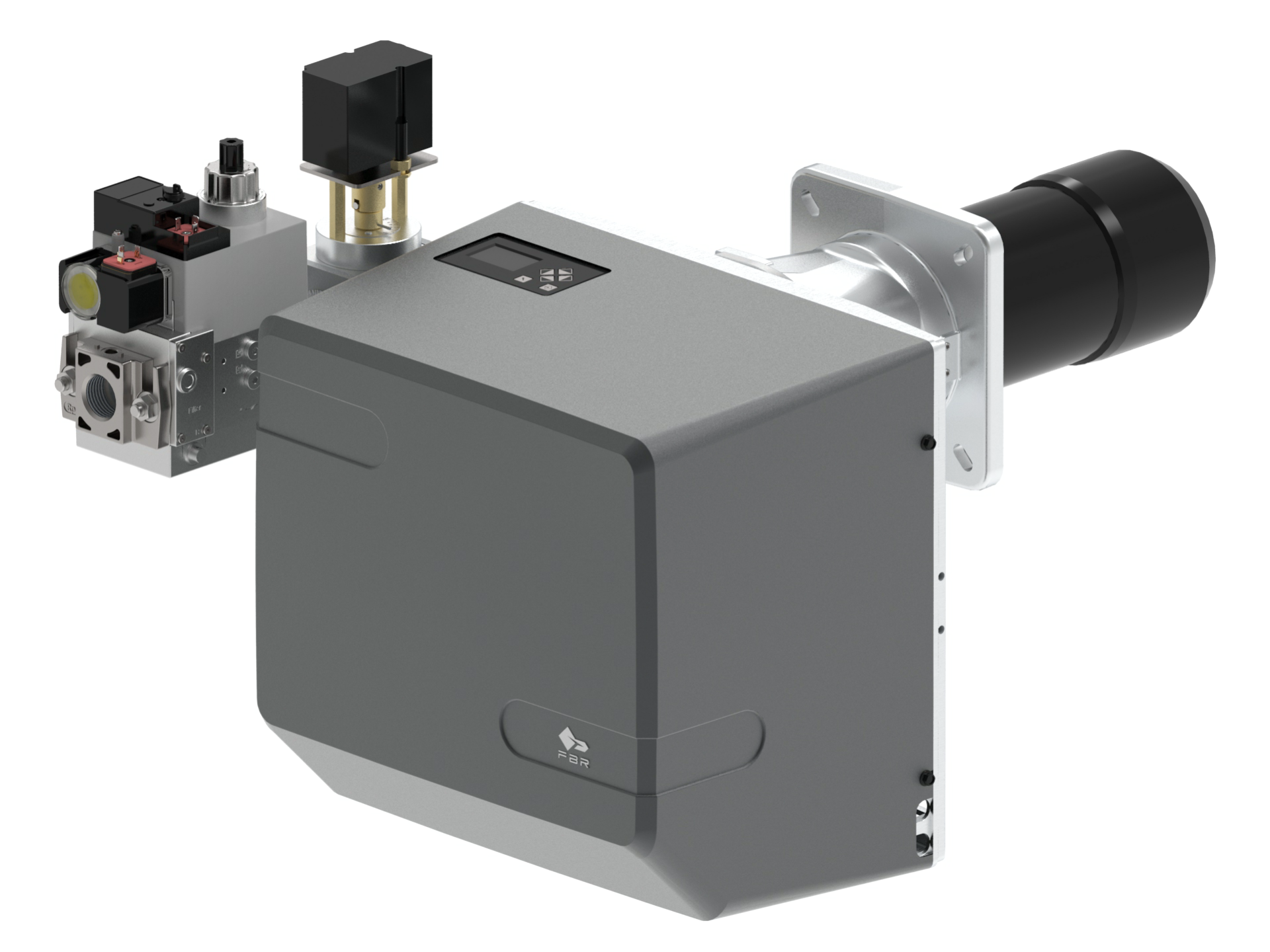
In contrast, the FBR BURNER GAS X5/MF TL EL VC LPG represents state-of-the-art modulating combustion technology. This model delivers exceptional flexibility with a power range of 69.8 kW to 349 kW—a 5:1 turndown ratio that allows it to operate efficiently across variable load conditions. The X5/MF features die-cast aluminum construction, high-pressure fan systems, and advanced combustion head design with efficiency and flame-stability optimization. Critically, it includes a noise reduction plate, making it suitable for installations where acoustic impact is a concern. The electrical protection rating of IP 40 provides robust defense against industrial environments, while its compatibility with natural gas and LPG (with minimum pressure specifications of 27 mbar for natural gas and 33 mbar for LPG) makes it highly adaptable across Southeast Asian installations where fuel availability varies by region.
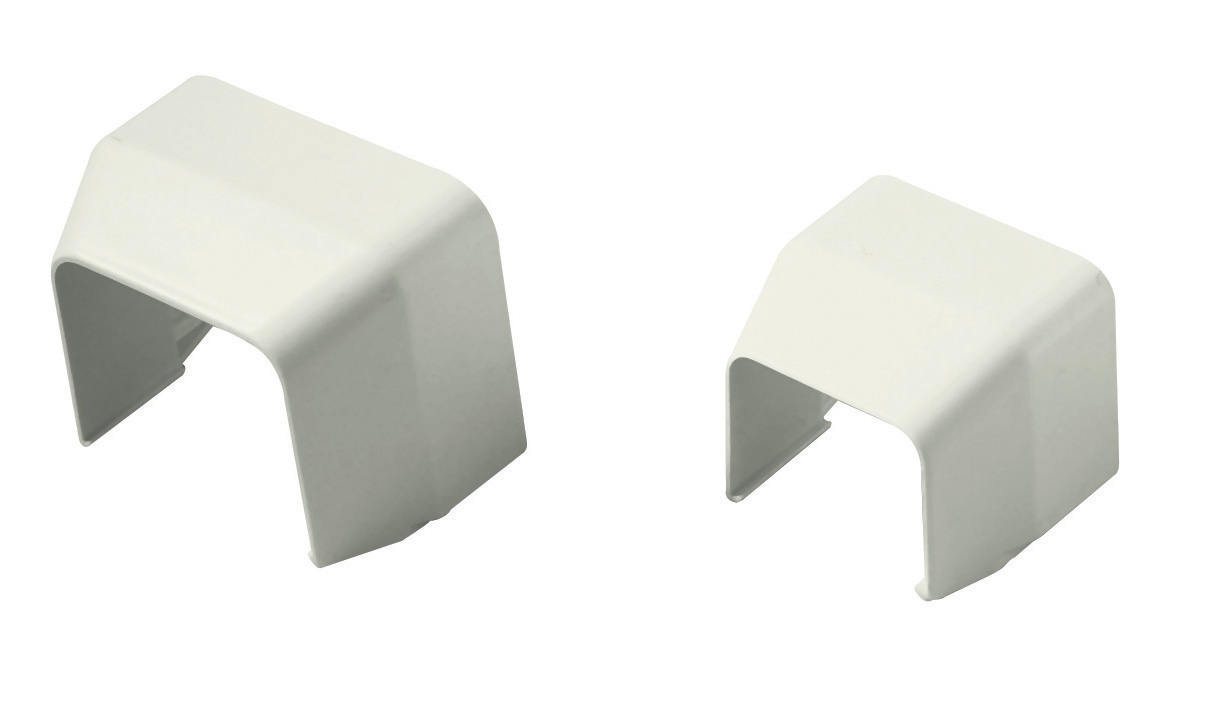
Supporting these primary burner systems are essential maintenance components. The CBM Reduction 80-60 and CBM Flat Elbow 90° 60mm provide critical ductwork adaptation, allowing proper integration of burner exhaust systems with existing facility infrastructure. The CBM 60mm Tip completes the ductwork system, ensuring proper exhaust termination. These components, while seemingly simple, are essential for maintaining proper draft characteristics, combustion air flow, and overall system efficiency. A poorly configured ductwork system can compromise even the most advanced burner's performance.
Real-World Application Examples Across Southeast Asian Industries
Consider a pharmaceutical manufacturing facility in Singapore requiring precise temperature control for steam sterilization processes. Load conditions vary throughout the day based on production schedules, making the FBR X5/MF modulating burner ideal. Its 5:1 turndown capability allows the system to maintain combustion efficiency even during low-load periods. The facility's procurement team would specify not only the primary burner but also the complete support infrastructure: proper ductwork sizing using reduction and elbow components, secure mounting systems, and readily available replacement cells for the monitoring systems.
Alternatively, a food processing facility in Malaysia operating a continuous rendering process might select the FBR GM X4 TC for its robust, straightforward operation. The consistent thermal load of rendering operations means modulation complexity offers diminishing returns. Instead, the facility prioritizes reliability and ease of maintenance. Procurement decisions focus on establishing reliable supply chains for combustion-critical components and ensuring technicians can quickly access replacement parts.
In the petrochemical sector across the region, where both natural gas and LPG availability varies by facility and location, the dual-fuel compatibility of the FBR X5/MF provides operational flexibility. Facilities can maintain continuous operations even if one fuel source becomes temporarily unavailable, a critical consideration in regions where supply chain disruptions do occur.
Maintenance Infrastructure and Support Component Comparison
| System Component | Fixed-Output Burners (GM X4 TC Class) | Modulating Burners (X5/MF Class) | Regional Availability Considerations |
|---|---|---|---|
| Combustion Control System | On/off or proportional control with manual adjustment | PID fully modulating with optional electronic probe | Southeast Asia: Modulating systems require calibrated technician support; ensure vendor service accessibility |
| Ductwork Requirements | Standard 60-80mm configurations, reductions and elbows for adaptation | Flexible ductwork options; requires acoustic consideration with noise reduction integration | High-humidity tropical climate demands corrosion-resistant ductwork; stainless or powder-coated options recommended |
| Mounting & Installation | Standard brackets, wall-mounted or pedestal options | Vibration isolation critical; anti-vibration components essential | Southeast Asia vibration isolation products: anti-vibration pouches and specialized brackets required for noise-sensitive facilities |
| Monitoring & Safety Components | Flame supervision through standard photocell detection | Advanced emission control, variable air supply, modulation probes | Detector cells (like CLI20240 replacements) should be maintained in inventory; 2-3 year replacement cycles typical |
| Routine Maintenance Frequency | Quarterly inspection, annual professional service | Monthly parameter verification, quarterly combustion analysis, semi-annual professional service | Tropical climate accelerates component degradation; increase service frequency by 25-30% in high-humidity installations |
| Typical Component Lifecycle | 5-7 years under proper maintenance (40,000+ operating hours) | 4-6 years under proper maintenance (30,000+ operating hours); modulation components more susceptible to control drift | Southeast Asia operational reality: Aggressive maintenance schedules essential; budget for component replacement every 18-24 months in critical systems |
Procurement Strategy: Integrating Burners with Maintenance Systems
Effective procurement goes beyond selecting a primary burner unit. Successful industrial operations across Southeast Asia require integrated thinking about the entire combustion system lifecycle. This means specifying not just the primary burner, but also the ductwork adapters and connections, vibration isolation components, and readily-available replacement parts that keep systems operating efficiently.
Southeast Asia's industrial landscape—with its combination of tropical climate challenges, varying fuel availability across countries, and often-distributed supply chains—demands that procurement engineers develop partnerships with regional distributors who understand local conditions and maintain local inventory. Specifying equipment that can be readily serviced and maintained regionally ensures that unexpected failures don't cascade into extended downtime.
When evaluating burner proposals, procurement teams should explicitly request information about regional service infrastructure, spare parts availability, and maintenance support. A burner that performs excellently but requires 4-6 week component lead times from Europe or Asia Pacific hub ports represents hidden operational risk.
Key Procurement Checkpoints for Gas Burner Systems
Fuel Compatibility Verification: Confirm that specified burners are rated for the exact fuel type and pressure available at your facility. The FBR X5/MF LPG variant requires minimum 33 mbar LPG pressure; if your facility operates at lower pressures, alternative specifications may be required.
Electrical Standards Compliance: Verify that burner electrical specifications (voltage, phase, protection ratings) match facility electrical infrastructure and local Southeast Asian standards. The FBR GM X4 TC single-phase requirement suits many mid-sized installations but may not match all facility designs.
Thermal Load Matching: Ensure the burner's power range (kW minimum and maximum) properly covers your actual load variation. Undersizing creates constant maximum-load operation; oversizing creates inefficient part-load operation and increased emissions.
Installation Space and Ductwork Planning: Specify necessary reduction adapters, directional elbows, and exhaust tips as part of your procurement package. Avoid post-installation improvisation that compromises performance.
Vibration and Noise Isolation: For sensitive applications, budget for anti-vibration isolation components and proper mounting systems as part of the initial specification, not as afterthoughts.
Closing: Making the Right Choice for Your Southeast Asian Operation
Selecting appropriate gas burner technology and supporting maintenance infrastructure represents one of the most consequential procurement decisions industrial facilities make. The choice between fixed-output and modulating systems, fuel type specifications, and regional maintenance considerations directly impacts operational efficiency, reliability, and total cost of ownership over 5-10 years.
Southeast Asian industrial environments present unique challenges—tropical climate conditions, varying fuel availability, distributed supply chains—that demand procurement strategies emphasizing regional support infrastructure alongside primary equipment specifications. Whether you're evaluating the robust simplicity of fixed-output systems like the FBR GM X4 TC or the sophisticated efficiency of fully modulating platforms like the FBR X5/MF, the decision must include consideration of ductwork components, maintenance systems, spare parts availability, and technical support.
3G Electric has served Southeast Asian industrial procurement teams since 1990, maintaining inventory and expertise in both primary combustion equipment and the complete range of supporting maintenance components. Our team understands the regional challenges that procurement engineers face—from tropical climate impacts on equipment longevity to the importance of local parts availability and service accessibility.
Contact 3G Electric today to discuss your specific burner and maintenance system requirements. Our technical team can help you evaluate fuel type options, load matching, installation requirements, and regional maintenance strategy to ensure your combustion systems deliver reliable, efficient performance throughout their operational lifetime. Reach out to our procurement support team or explore our complete range of industrial burner and combustion maintenance products designed for Southeast Asian operations.