Understanding Burners & Combustion: Dual-Fuel vs. Single-Fuel Systems
Burners & combustion equipment represents one of the most critical decisions HVAC contractors face when specifying industrial heating systems. The choice between dual-fuel and single-fuel burner configurations directly impacts operational flexibility, maintenance complexity, and long-term cost of ownership. With over 35 years of experience as a distributor of industrial equipment, 3G Electric has supported thousands of installations across Asia-Pacific, and we've observed that this fundamental decision often determines whether a facility can adapt to energy market fluctuations or remains locked into a single supply source.
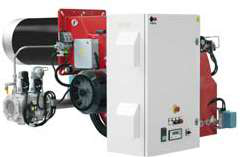
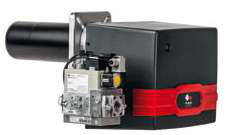
Dual-fuel burners like the FBR KN 1300/M TL EL provide seamless switching between heavy oil and gas, delivering thermal power ranging from 1700 to 11500 Mcal/h with modulating control across two operating stages. Single-fuel systems, including dedicated gas burners such as the FBR GAS XP 60/2 CE TC EVO, operate exclusively on one fuel type while offering simplified controls and often superior efficiency within their specific fuel domain. For Singapore HVAC contractors managing diverse industrial facilities—from petrochemical plants to food processing operations—understanding these distinctions shapes everything from initial procurement through five-year maintenance planning.
Thermal Output, Modulation, and Operational Flexibility
The thermal capacity of your selected burner must match your facility's heating demands while accounting for future expansion. Single-fuel gas burners like the FBR GAS XP 60/2 CE TC EVO deliver 116–630 kW (approximately 100–540 Mcal/h) with two-stage firing control, making them ideal for applications with relatively stable, predictable heat requirements. The narrower power band simplifies equipment sizing and reduces the likelihood of oversizing—a common issue that drives energy waste and increases operating costs.
Dual-fuel heavy oil burners introduce substantially greater capacity ranges. The FBR KN 1300/M TL EL spans 1700–11500 Mcal/h across two stages with modulating control, providing contractors with exceptional flexibility for large industrial operations where heating demands fluctuate seasonally or due to production schedules. This modulation capability—the ability to continuously adjust flame intensity rather than cycling on/off—delivers three critical advantages: improved thermal efficiency (typically 3–5% better than two-stage fixed operation), reduced mechanical stress on combustion chambers and exhaust systems, and more stable discharge temperatures that protect downstream equipment.
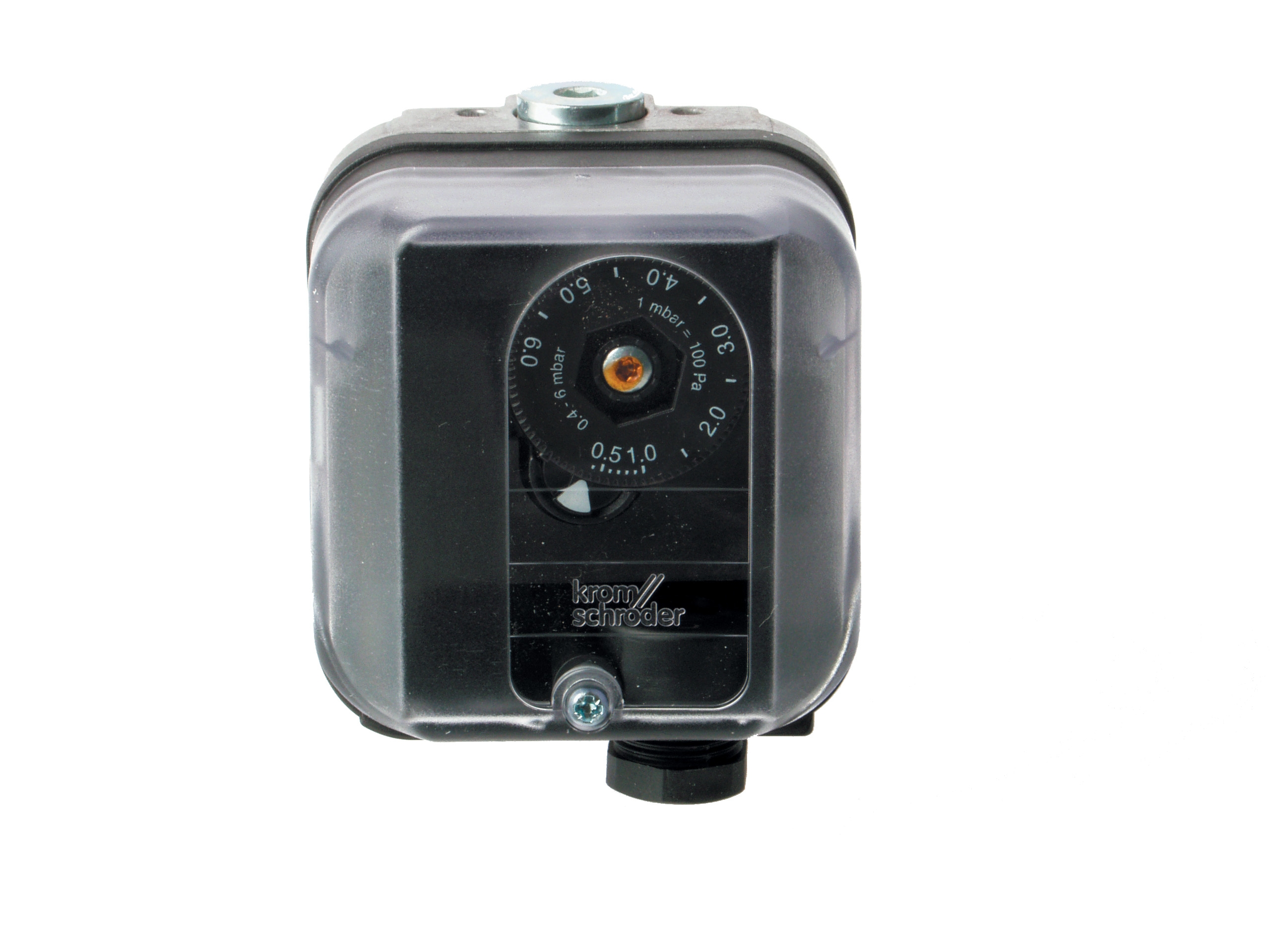
However, this flexibility demands more sophisticated control architecture. Dual-fuel systems require Siemens Relay LFL 1.622 safety control units capable of managing dual ignition sequences, fuel valve sequencing, and flame monitoring across both gas and oil modes. Single-fuel gas-only systems often operate effectively with simpler pressure-switch-based controls like the Kromschroder DG 50U/6, which meet SIL 3 and Performance Level e requirements while reducing control panel complexity and commissioning time.
Control Architecture and Maintenance Complexity
Single-fuel burner systems simplify your technical maintenance protocols significantly. A dedicated gas burner requires technicians to master one fuel's atomization principles, one ignition sequence, and one set of flame-monitoring parameters. The Kromschroder DG 50U/6 pressure switch—rated SIL 3 with FM, UL, AGA, and GOST-TR certifications—provides straightforward diagnostic capability: pressure readings directly indicate burner firing status and fuel delivery integrity. Your maintenance teams can perform routine inspections, electrode cleaning, and nozzle replacement using standardized procedures that scale across multiple identical installations.
Dual-fuel systems demand substantially broader technical competency. Technicians must understand oil atomization (typically 2.5–4.5 bar pressure differentials), gas flow metering (cubic meters per hour calculations), dual ignition electrode positioning (critical for reliable flame establishment in both modes), and the sequencing logic that determines fuel changeover decisions. The Siemens LFL 1.622 incorporates UV and ionization flame monitoring to handle both fuel types' combustion signatures, but this dual capability requires technicians to diagnose and adjust two independent flame-sensing channels.
Control relay selection illustrates this complexity clearly. The Kromschroder Relay BCU 570WC1F1U0K1-E supports both direct ignition and intermittent/continuous pilot modes per EN 746-2 and EN 676 standards, accommodating either single-stage or two-stage firing across multiple fuel combinations. Commissioning dual-fuel burners typically requires 6–8 hours of specialist technician time (compared to 2–3 hours for single-fuel gas systems), and spare parts inventory must include burner-specific components for both operating modes.
Energy Supply Economics and Long-Term Procurement Strategy
Singapore's energy landscape presents unique considerations for fuel selection. Natural gas availability through the national grid provides predictable pricing and minimal supply chain risk for gas-only burners. Single-fuel gas systems like the FBR GAS XP 60/2 eliminate the procurement complexity of maintaining dual fuel storage, supply line redundancy, and seasonal supply contracts. For facilities with stable year-round heating requirements, this translates to lower capital costs (no dual fuel storage systems), reduced operational overhead, and simpler environmental compliance documentation.
Dual-fuel burners address a critical vulnerability: fuel supply disruption risk. While Singapore's gas infrastructure is robust, industrial facilities subject to critical-process constraints (pharmaceutical manufacturing, semiconductor fabrication, food processing) may require operational continuity guarantees. Heavy oil provides a stored-fuel alternative if gas supply disruptions occur due to grid maintenance, infrastructure failures, or supply constraints during peak-demand periods. The FBR KN 1300/M TL EL's dual-fuel capability allows facilities to maintain production schedules even if primary fuel sources become temporarily unavailable.
Capital cost analysis reveals predictable trade-offs: dual-fuel burners cost 35–50% more than equivalent single-fuel gas systems due to dual atomization equipment, redundant ignition systems, and modulating control complexity. However, facilities operating continuous heating loads (>5000 annual operating hours) often recover this premium through improved modulation efficiency and avoided production losses from fuel supply disruptions. For facilities with seasonal or intermittent heating demands, single-fuel gas systems deliver superior economic returns.
Practical Selection Criteria for Singapore HVAC Contractors
Your facility selection should weight five interconnected factors:
1. Thermal Load Stability: Predictable, steady-state heating demands favor single-fuel gas burners. Variable, wide-range loads (200–5000 kW swings) benefit from dual-fuel modulating systems that maintain constant outlet temperatures despite production fluctuations.
2. Fuel Supply Security: Critical-process facilities should specify dual-fuel capability. Standard industrial operations with grid gas access can safely specify gas-only systems.
3. Technical Service Availability: Larger facilities with dedicated maintenance teams can manage dual-fuel complexity. Facilities relying on third-party service providers benefit from single-fuel systems' simpler diagnostic and repair protocols.
4. Capital Budget vs. Operating Budget: Constrained capital budgets favor gas-only systems (lower initial cost). Facilities with strong operating budgets and long service lives (10+ years) can justify dual-fuel premium costs through modulation efficiency and supply security.
5. Environmental Compliance Trajectories: Singapore's tightening emissions standards favor gas burners (lower NOx and particulate emissions). Facilities planning phase-outs of heavy fuel oil over 5–10 years should specify gas-only systems today.
Supporting Infrastructure: Control Systems and Safety Integration
Your selected burner drives control system specifications. Single-fuel gas burners integrate effectively with pressure-switch-based safety chains. The Kromschroder DG 50U/6—meeting EN 1854 standards—provides the sensing and diagnostic capability single-fuel systems require at 40–50% lower installed cost than relay-based systems.
Dual-fuel installations demand relay-based architecture. The Kromschroder BCU 570WC1F1U0K1-E and Siemens LFL 1.622 both support the fuel sequencing, ignition timing, and flame monitoring dual-fuel operation requires. Budget 15–25% additional control panel costs for dual-fuel systems due to dual fuel solenoid valves, modulating air damper actuators, and multi-channel flame sensing.
With 35+ years of experience distributing industrial combustion equipment, 3G Electric recommends specifying modular control architectures that allow future burner replacement without complete control system redesign. This flexibility becomes critical as Singapore's facility landscape evolves and retrofit opportunities emerge.
Conclusion: Making the Optimal Selection for Your Facility
The dual-fuel versus single-fuel decision fundamentally shapes your facility's thermal management strategy, maintenance demands, and economic trajectory. Single-fuel gas burners offer superior cost-efficiency, simplified maintenance, and rapid commissioning for facilities with stable heating loads and secure gas supply access. Dual-fuel systems provide operational flexibility, supply security, and modulating efficiency advantages justified for large, critical-process facilities with variable heating demands.
Your selection should reflect honest assessment of load variability, fuel supply security requirements, available maintenance expertise, and economic constraints. 3G Electric's 35+ years of experience supporting Singapore's industrial operations ensures we can provide equipment selections, control architecture guidance, and commissioning support aligned with your facility's specific requirements—whether you ultimately select dedicated single-fuel systems or dual-fuel flexible combustion platforms.