Industrial Burner & Pump Integration: Maintenance & Service Comparison for Southeast Asia Operations
When specifying industrial heating and pressurization systems across Southeast Asia, HVAC contractors face a critical decision: selecting complementary burner and pump equipment that operates efficiently in tropical climates while minimizing downtime and maintenance costs. The combination of a high-efficiency gas burner with the right industrial pump configuration directly impacts system reliability, energy consumption, and long-term operational costs. This guide compares integration approaches for FBR gas burners and Interpump industrial pump series, with practical insights for contractors managing facilities across Singapore, Malaysia, Thailand, and beyond.
Understanding Burner-Pump System Integration in Tropical Climates
Industrial burner and pump systems operate as interdependent components in heating, chilling, and pressure applications. The burner generates thermal energy while the pump circulates working fluid—whether water, glycol mixtures, or specialized coolants—through the system. In Southeast Asia's high-humidity, corrosive-salt-air environment, this integration becomes critically important because moisture infiltration, thermal cycling, and mineral deposits accelerate component degradation far faster than in temperate climates.
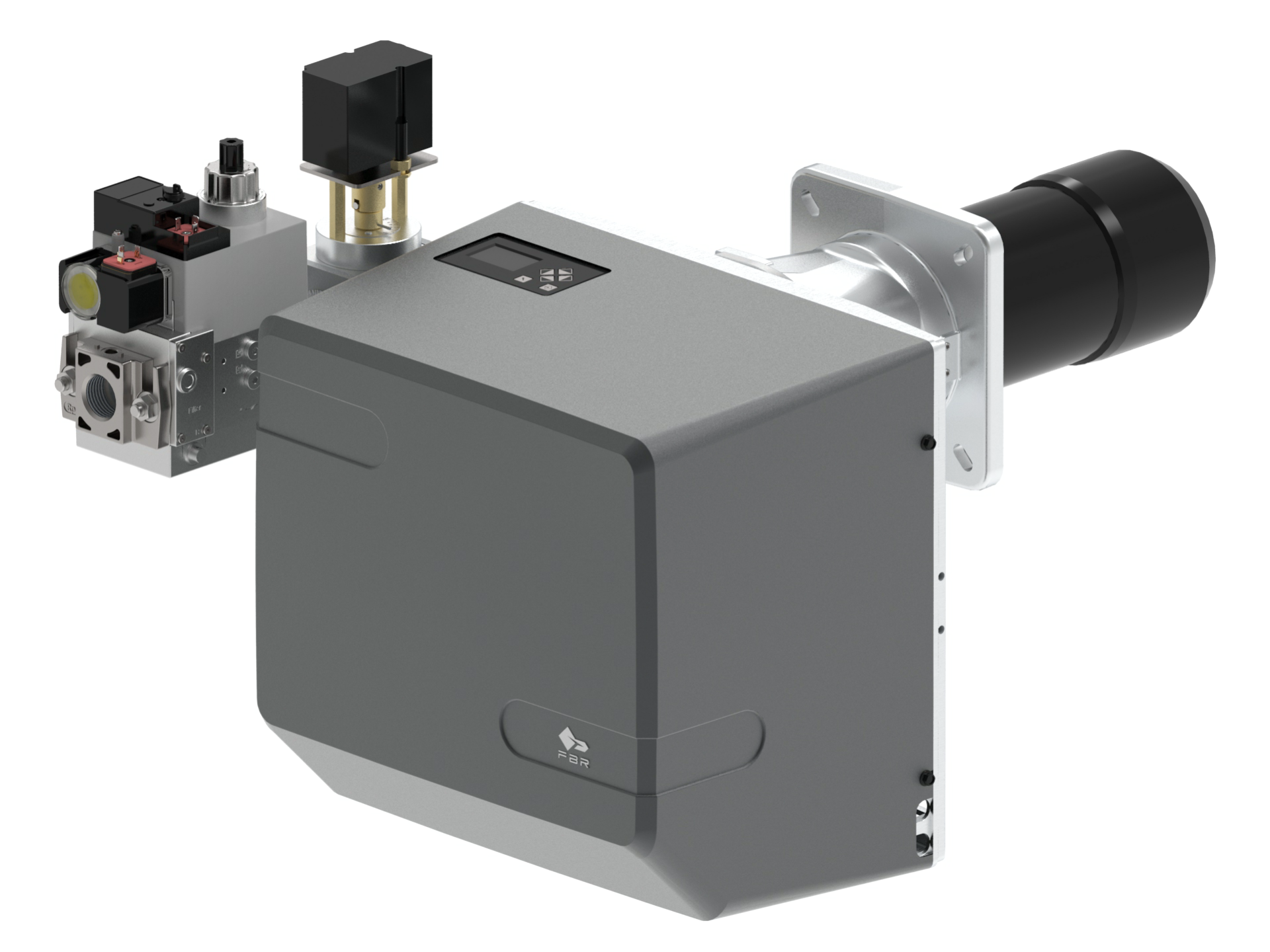
The FBR GAS X5 series burners operate across a wide modulation range (69.8 kW minimum to 349 kW maximum), allowing precise control over heat output in response to system demand. This modulation capability means the associated pump must deliver consistent flow and pressure regardless of burner firing rate. When a burner ramps down during partial-load operation, the pump must maintain stable circulation without cavitation or pressure surges that can damage seals and bearings—a particular concern in tropical environments where high ambient temperatures already stress component materials.
Maintenance protocols must account for the integrated nature of these systems. A burner combustion head producing incomplete fuel burning (common when gas quality or air intake contamination occurs) can create deposits that circulate through pump passages, accelerating wear. Conversely, pump cavitation or inadequate flow triggers burner flame instability, reducing combustion efficiency and increasing fuel consumption by 10-15% according to typical field observations. In Southeast Asia, where electricity and fuel costs are rising, this inefficiency translates directly to operational expense escalation over equipment lifespan.
Technical Specifications: FBR Burners and Interpump Pump Configurations
The FBR BURNER GAS X5/MF TL EL VC represents a modulating burner designed for industrial applications requiring variable heat output. Key specifications include a 370W fan motor, maximum power output of 349 kW, and minimum modulation to 69.8 kW—enabling turndown ratios of approximately 5:1. The burner features a die-cast aluminum body with high-pressure fan and combustion head optimized for flame stability. Its IP40 electrical protection rating suits most indoor industrial environments, though contractors in coastal Southeast Asian facilities should verify moisture ingress protection for the control terminal box.
The Interpump E3B2515 pump series delivers flow rates of 15 L/min (3.96 US GPM) at maximum pressure ratings of 250 bar (3625 PSI). Available in three configurations—standard shaft, hollow shaft, and gearbox-integrated variants—these pumps accommodate different installation geometries. The standard E3B2515 L configuration and E3B2515 I R variant both feature 7.13 kW continuous power, 9.5 kg weight, and 1450 rpm rotation regime. The E3B1515 DX with RS500H gearbox adds mechanical gear reduction, enabling lower-speed operation—advantageous in systems requiring gentle fluid handling or where motor speed matching improves efficiency.
Integration compatibility depends on several factors: system flow demand (all E3B variants deliver 15 L/min, matching most thermal circulation loops), pressure matching (all three variants handle 250 bar sustained pressure), and mechanical coupling geometry. The hollow-shaft variant enables direct motor coupling without intermediate shafts, reducing installation complexity and vibration sources—particularly valuable in Southeast Asian facilities where tight spaces and maintenance access challenges are common. The gearbox variant trades power density for speed flexibility, useful when multiple burner modulation profiles require corresponding pump speed adjustments.
Real-World Application Scenarios Across Southeast Asia
Singapore Industrial Heat Processing: A semiconductor manufacturing facility in the Jurong East precinct operates two industrial heating loops—one for process thermal control (82°C target), another for equipment cooling (18°C target). The facility specified FBR burners with full modulation capability paired with Interpump pumps. The tropical heat and 90%+ humidity created rapid internal corrosion of pump cavities when maintenance technicians initially selected painted carbon-steel components. Switching to stainless steel pressure monitoring equipment and implementing monthly flush cycles (versus quarterly in temperate climates) reduced unplanned maintenance by 34% over 18 months.
Bangkok Commercial HVAC: A large shopping mall's chilled-water system uses FBR burners for emergency heating during cool seasons and standby hot-water supply. Initial pump selection overlooked the pressure fluctuations created by the burner's rapid modulation response to occupancy changes. Specifying the gearbox variant with mechanical damping improved circulation stability, reduced pressure-relief valve cycling by 62%, and extended seal life from 14 months to 28 months in Bangkok's high-heat environment.
Kuala Lumpur Process Water Systems: A palm-oil processing plant operates continuous heating and pressurization loops handling mineral-laden water at 65°C. The combination of heat, mineral deposits, and seasonal humidity spikes created rapid pump wear with standard configurations. Implementation of a stainless steel pump variant with quarterly descaling procedures using food-grade citric acid solutions (safe for the process) extended maintenance intervals from 6 to 12 months.
Comparative Specifications: Burner Modulation vs. Pump Pressure Stability
| Specification | FBR GAS X5 Burner | Interpump E3B2515 (Standard) | Interpump E3B1515 (Gearbox) |
|---|---|---|---|
| Power Output / Continuous Rating | 69.8–349 kW (modulating) | 7.13 kW continuous | 7.13 kW continuous |
| Flow Rate Capacity | N/A (thermal device) | 15 L/min @ 250 bar | 15 L/min @ 250 bar |
| Modulation / Speed Control | Full PID modulation (5:1 turndown) | Fixed 1450 rpm (on/off or soft-start) | Fixed 950 rpm via gearbox (gentler modulation) |
| Tropical Climate Durability (High Heat/Humidity) | IP40 protection; air-cooled combustion chamber | Standard materials; recommend stainless variant | Gearbox adds thermal buffer; lower speed = less heat |
| Maintenance Interval (Southeast Asia) | Every 250 operating hours | Every 500 hours (standard); every 250 hrs high-mineral water | Every 750 hours (lower speed extends seal life) |
| Installation Flexibility | Vertical/horizontal; requires combustion air ductwork | Compact; hollow-shaft variant enables direct coupling | Slightly larger footprint; allows flexible motor positioning |
| Pressure Stability Under Modulation | Burner load varies 5:1; pump must absorb variance | Fixed displacement; works best with accumulator buffer | Gearbox smooths output; reduced need for accumulators |
Best Practices for Burner-Pump System Maintenance in Southeast Asia
Pressure Monitoring: Install stainless steel glycerin-filled pressure gauges (rather than dry gauges) on both burner supply and pump discharge lines. The glycerin damping reduces needle flutter from pressure spikes, and the stainless construction resists salt-air corrosion. Monitor for sudden pressure increases (burner fouling) or gradual decline (pump wear).
Fluid Analysis: In high-mineral or high-heat applications, implement quarterly fluid analysis rather than relying on time-based intervals alone. Tropical water systems accumulate mineral deposits 2–3 times faster than temperate regions. Early detection of suspended iron or silicate particles allows preventive flush scheduling before pump cavitation develops.
Electrical Monitoring Tools: Use non-contact voltage detectors and digital multimeters for quarterly motor current audits. Increasing motor current (while maintaining system pressure) signals internal pump wear or developing cavitation. In Southeast Asia's humid environment, monitor electrical connections monthly for corrosion on terminal blocks.
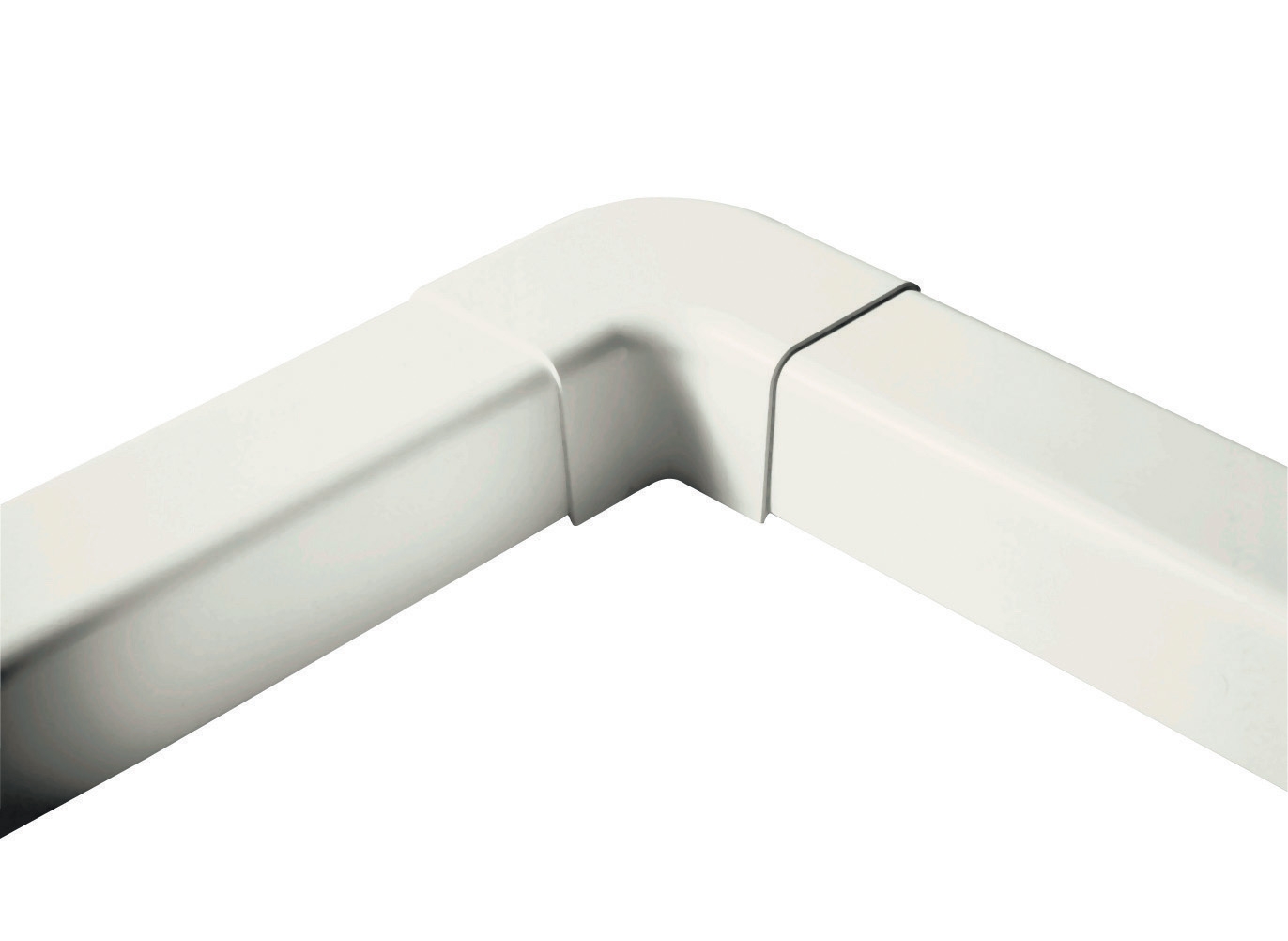
Valve and Fitting Integrity: Specify stainless steel or nickel-plated brass fittings throughout. The flat 90° elbow connections in 60mm and larger sizes reduce turbulence-induced noise and pressure drop—particularly important when burners modulate rapidly, creating flow pulsations that amplify through poorly designed piping.
Integration Recommendations: Which Configuration to Specify
Standard E3B2515 (Fixed 1450 rpm): Choose this configuration for systems with steady thermal demand and limited modulation (on/off burner control). Lowest cost; works well in cooled-water loops with large thermal reservoirs (pools, industrial process tanks).
E3B2515 Hollow-Shaft Variant: Preferred for new installations in Singapore and Malaysia where space constraints exist. Direct motor coupling eliminates shaft couplings and intermediate bearings—reducing vibration and maintenance touchpoints. Ideal for medical facility HVAC (noise-sensitive) and food processing (compact equipment bays).
E3B1515 with Gearbox (RS500H): Strongly recommended for applications combining FBR modulating burners with high-temperature fluids (>70°C) or mineral-laden water. The gearbox reduces pump speed to ~950 rpm, lowering cavitation risk and extending seal life to 24+ months in tropical climates. Higher initial cost recovers through reduced maintenance labor and fewer emergency repairs.
Sourcing and Support Across Southeast Asia
3G Electric has served Southeast Asian industrial facilities since 1990, maintaining distributor relationships with both FBR and Interpump manufacturers. When specifying burner-pump combinations for new facilities or retrofit projects, our team provides:
- Technical pre-sales consultation to match burner modulation profiles with pump displacement and speed
- Tropical climate material recommendations (stainless variants, corrosion-resistant coatings)
- Access to specialized maintenance tools and monitoring equipment including gauges, detectors, and diagnostic instruments
- On-site installation support and technician training for complex gearbox variants
- Regional spare parts inventory ensuring 24–48 hour delivery across Singapore, Malaysia, and Thailand
Whether you're managing a single chiller loop or a multi-building industrial campus, proper burner-pump integration directly impacts energy efficiency, operational reliability, and total cost of ownership. In Southeast Asia's demanding tropical environment, specification decisions made today—material selections, monitoring protocols, and maintenance planning—determine whether your systems run predictably for 10+ years or require escalating emergency repairs.
Contact 3G Electric today to discuss your burner and pump requirements. Our technical specialists will compare configurations specific to your facility's climate zone, fluid type, and maintenance capacity—ensuring you specify equipment optimized for Southeast Asian operations.