Burner Ignition & Startup Sequence Troubleshooting: Diagnosing Control Relay and Safety Interlock Failures in Industrial Combustion Systems
Industrial burner failures during startup represent a critical operational bottleneck, yet many procurement and maintenance teams lack structured diagnostic frameworks to isolate root causes. Unlike mid-combustion faults, ignition sequence failures involve multiple safety interlocks and sequential control logic that must function in precise coordination. This troubleshooting guide provides a systematic methodology for diagnosing control relay malfunctions, safety interlock failures, and electrical sensing problems that prevent burners from initiating the combustion sequence—covering applications globally where industrial heating systems demand high availability and predictable performance.
Understanding the Burner Ignition Sequence and Control Logic
The ignition and startup sequence in modern industrial burners involves a carefully orchestrated chain of events controlled by safety relays and interlocks. When a demand signal initiates a startup cycle, the control system must verify multiple preconditions: adequate air pressure, proper fuel gas pressure, intact flame detection capability, and electrical continuity across all safety circuits. Only after these conditions are met does the ignition transformer activate, followed by the main fuel solenoid opening to establish flame. If any single interlock fails to verify its condition, the burner lockout occurs—a protective mechanism that prevents dangerous fuel accumulation without ignition.
Control relays serve as the decision-making hardware in this sequence. Modern relay designs use non-volatile lock-out functions, meaning once a fault is detected, the relay remains in a locked state until manually reset or until a programmed recycle delay expires. This design protects against persistent unsafe conditions but can mask the actual fault if diagnostic testing is not methodical. The challenge for procurement and maintenance engineers lies in distinguishing between genuine safety conditions (low air pressure, blocked nozzle, defective ignition transformer) and relay or sensing faults that generate false lockout signals.
Ignition sequence failures typically manifest as immediate lockout (relay trips within 5–10 seconds of startup attempt), delayed lockout (burner ignites but flame is not confirmed within 3–4 seconds), or intermittent lockout (burner operates normally for periods then locks out unexpectedly). Each symptom pattern points to different fault categories and requires targeted electrical and mechanical verification.
Systematic Diagnostic Testing of Control Relays and Safety Interlocks
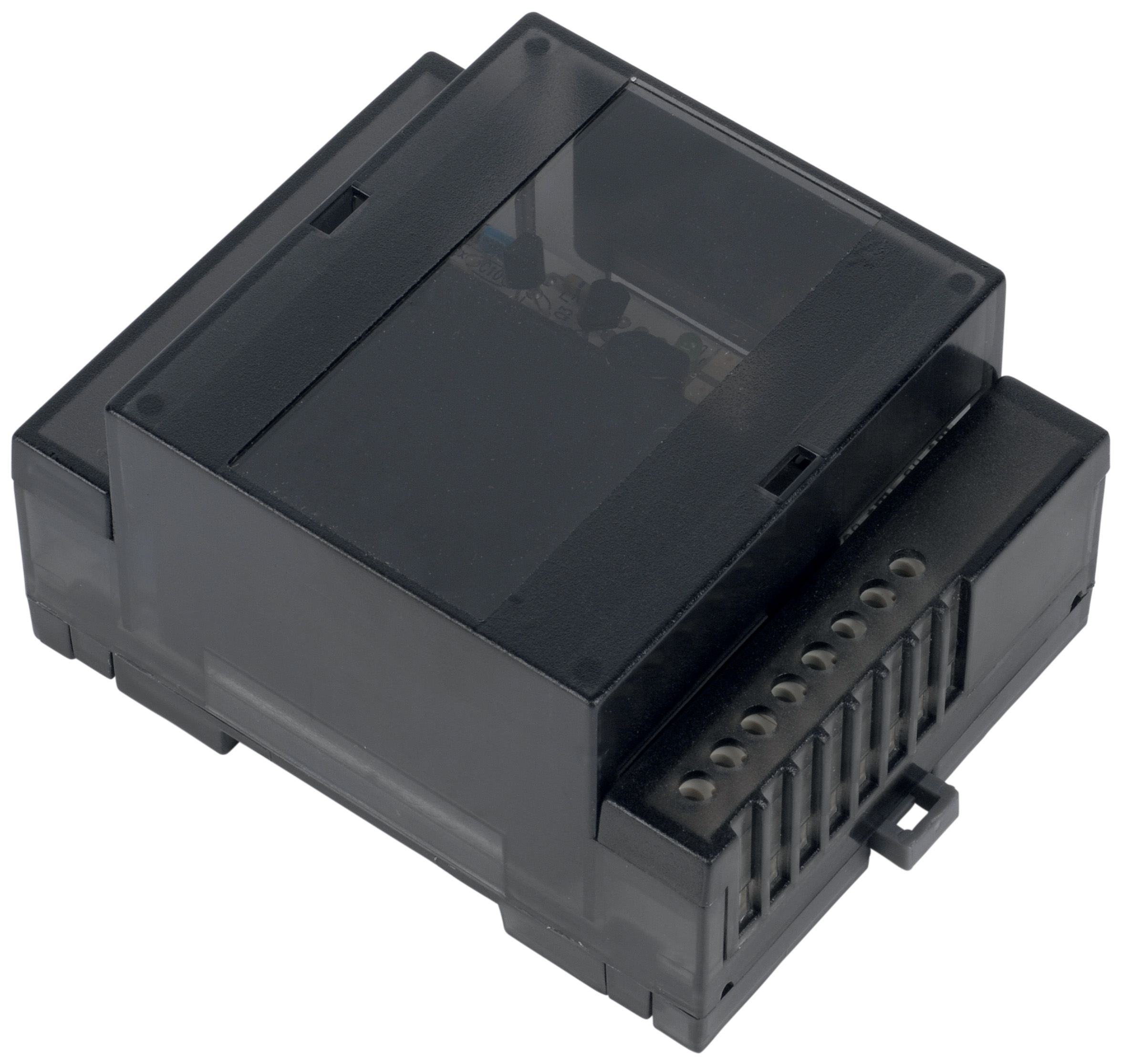
The CBM CM391.2 control relay represents a typical automatic gas burner control system used in industrial applications. This relay type is designed for intermittent operation on atmospheric and fan-assisted burners and includes non-volatile lock-out functionality. When testing such a relay for ignition faults, begin with electrical supply verification: confirm 220–240 VAC ±15% at 50/60 Hz reaches the relay input terminals. Use a calibrated multimeter to measure actual voltage during the startup attempt—voltage sag under load can prevent relay logic from functioning correctly.
Next, verify the integrity of flame detection circuits. The CBM IRD 1010 infrared flame detector is commonly paired with gas burner controls and operates across a spectral range of 800–1100 nm (950 nm with daylight filter). Measure the output signal from the flame sensor during a startup attempt using an oscilloscope set to AC coupling: a healthy flame signal should exceed 1.5 volts peak-to-peak within 2 seconds of ignition transformer activation. If signal is absent or below threshold, the fault lies in the detector itself, detector optics (fouling, misalignment), or detector wiring—not the relay.
For immediate lockout during startup, test the air pressure interlock circuit. Most gas burners require minimum gas inlet pressure of 27–33 mbar (depending on gas category I2 or I3) before allowing ignition. Verify gas pressure at the burner inlet using a digital manometer; if pressure is below specification, the fault is in the gas supply train (regulator failure, blockage), not the relay. If pressure is adequate, manually jumper the pressure switch terminals and attempt startup—if the burner then ignites normally, the pressure switch itself is defective.
The CBM flame relay CF1 handles UV detection with rated load capacity of 1 A @ 250 VAC and mechanical endurance rated at 15×10⁶ operations. When testing this relay type, measure contact resistance across the main flame detection terminals using a multimeter's ohm setting: reading should be <0.5 ohms when relay is energized (flame detected state) and >10 megohms when de-energized (no flame state). Values between these extremes indicate contact degradation requiring relay replacement.
Real-World Ignition Fault Scenarios
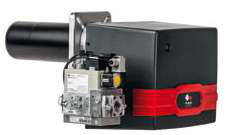
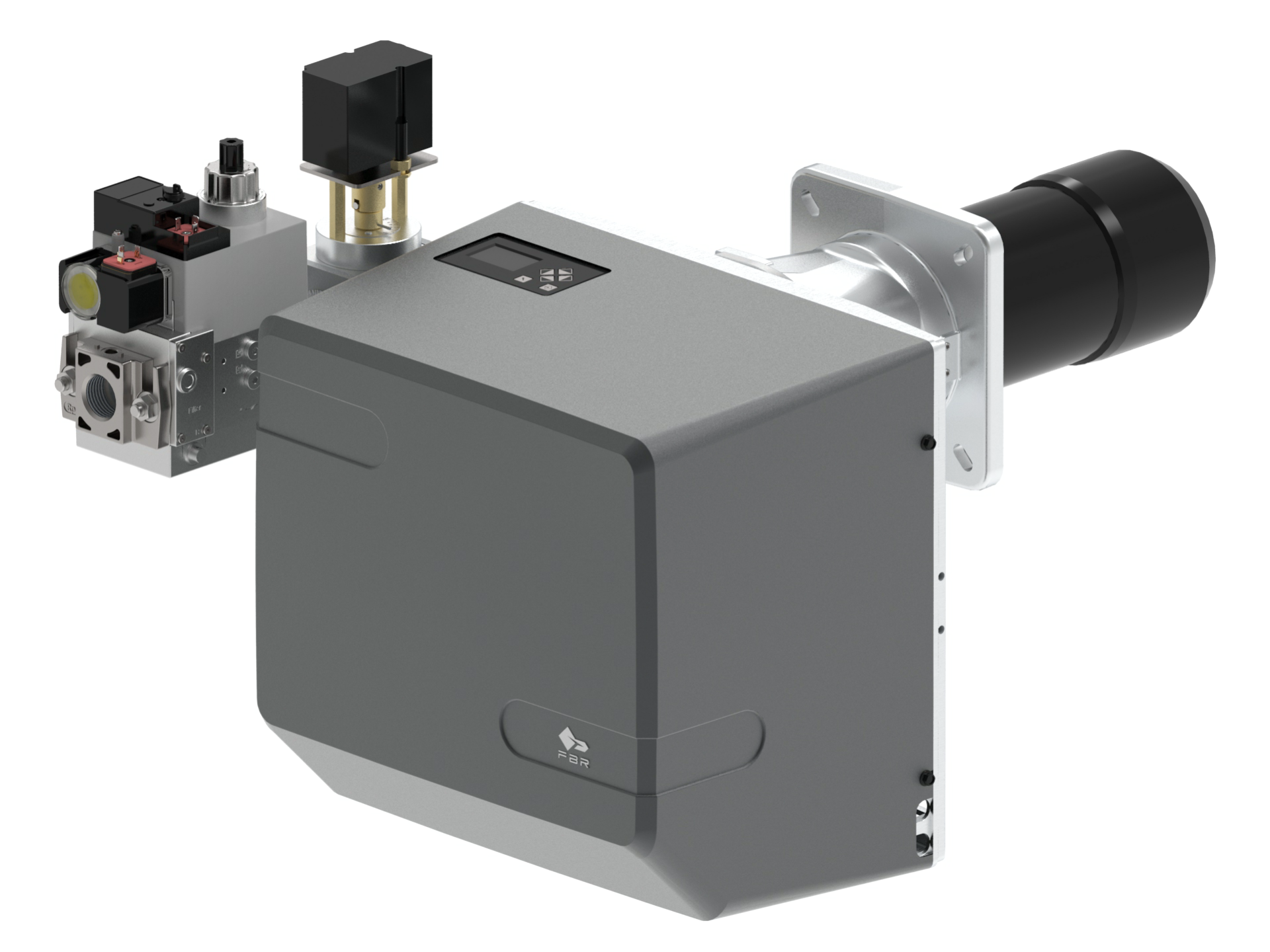
Scenario 1: A facility operating the FBR GAS X5 burner experiences lockout immediately upon startup demand. Initial checks confirm electrical supply and gas pressure are within specification. Systematic testing reveals that the flame detector output signal reaches only 0.8 volts peak—below the 1.5 volt detection threshold. Visual inspection of the detector lens shows heavy soot accumulation from previous combustion events. Cleaning the lens with compressed air and a soft cloth restores the signal to 3.2 volts, and the burner ignites normally on the next startup attempt. Root cause: detector fouling, not relay failure.
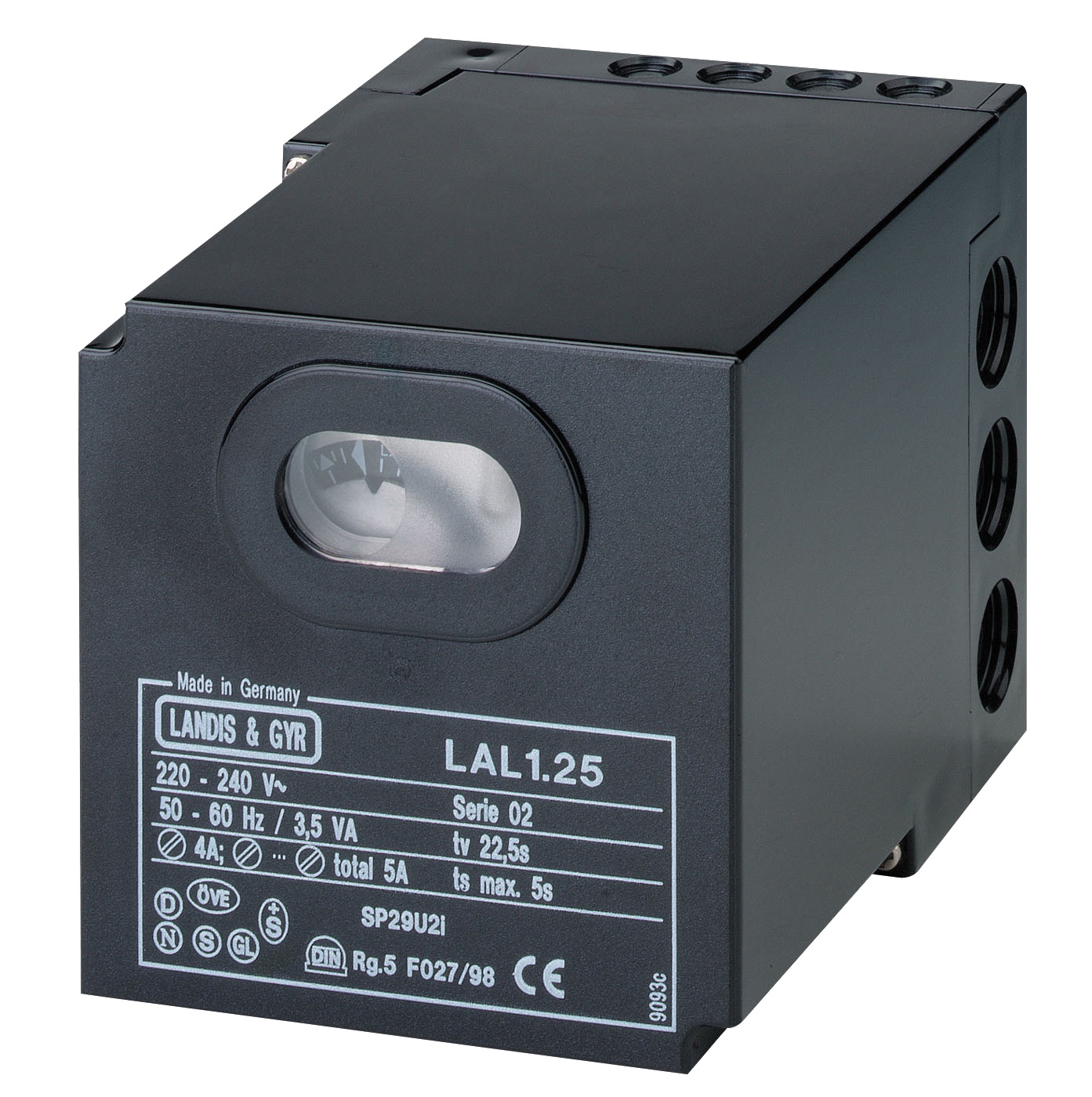
Scenario 2: A hot water boiler using a CBM LAL 2.14 safety control relay exhibits delayed lockout 8–10 seconds after successful ignition. The flame detection output is strong (4.1 volts), confirming the flame is present. However, testing the auxiliary air pressure switch shows intermittent contact closure. The pressure switch is cycled 50 times manually, and contact resistance remains above 5 ohms during several closures. Replacement of the air pressure switch resolves the intermittent lockout. Root cause: mechanical contact failure in interlock switch, not relay logic failure.
Scenario 3: A modulating burner with optional PID control experiences unpredictable lockout cycles during normal operation after 15 minutes. Electrical testing of the control relay shows correct voltage supply and proper flame detection signal. However, measurement of the modulation feedback signal reveals noise spikes exceeding ±2 volts. Rerouting the modulation probe wiring away from high-amperage solenoid control lines and adding shielded cable reduces noise to ±0.3 volts, eliminating lockout cycles. Root cause: electromagnetic interference in control wiring, not relay degradation.
Selection and Replacement Best Practices
When diagnosing a control relay failure, procure replacement relays matched to the original specification: fuel type (natural gas vs. LPG), operation mode (intermittent vs. continuous), and electrical supply voltage. Gas burner controls designed for intermittent service (3–4 second ignition attempts with 20–30 second off-cycles) differ fundamentally from non-permanent operation relays. Specification mismatch—such as installing a continuous-duty relay in an intermittent-service application—may pass initial testing but fail prematurely due to thermal stress.
Document baseline measurements before and after relay replacement: ignition delay time (target 2–3 seconds from demand to flame confirmation), lockout response time (relay should disconnect main solenoid <1 second after flame loss), and flame detection signal amplitude. These metrics establish a performance baseline and enable early detection of degradation trends across your burner fleet.
Closing paragraph: Systematic ignition sequence troubleshooting—isolating electrical faults from mechanical interlock failures—requires structured testing methodology and accurate specification data for your control relays and detectors. 3G Electric maintains comprehensive inventory of CBM and FBR combustion control systems and offers technical consultation to support your diagnostic process. Contact our team to discuss your specific burner application and access detailed control relay documentation for your equipment.