Burner Air Pressure & Fan Performance Troubleshooting: A Maintenance Guide for Industrial Combustion Systems
Air pressure stability and fan performance directly determine whether your industrial burner operates safely and efficiently. When air pressure fluctuates or fan motors underperform, the entire combustion process destabilizes—leading to incomplete combustion, excess emissions, flame instability, and potential safety shutdowns. Unlike nozzle selection or flame detection diagnostics, air pressure issues often go undetected until they trigger control system lockouts. This troubleshooting guide provides maintenance teams and service engineers with practical, hands-on procedures to diagnose and resolve air pressure faults before they escalate into costly downtime. We'll cover pressure measurement techniques, fan motor inspection protocols, and control relay response verification—all grounded in real-world industrial applications across multiple fuel types and burner configurations.
Understanding Air Pressure in Burner Systems: The Foundation of Stable Combustion
Air pressure in burner systems serves two critical functions: it ensures adequate oxygen supply for complete fuel combustion and it maintains proper air-to-fuel ratio during load variations. In forced-draught burners, pressurized air from the fan creates a positive pressure head that pushes air through the combustion chamber and into the flame zone. Any deviation from the design pressure range—whether too high or too low—disrupts this balance.
Most industrial gas burners operate with air pressures between 15 and 50 millibars, though specific requirements vary by burner model and application. Pressure below the minimum threshold starves the flame of oxygen, causing incomplete combustion, yellow flame characteristics, and carbon buildup. Pressure above the maximum specification forces excess air through the combustion chamber, cooling the flame, increasing NOx emissions, and wasting energy. Control systems monitor air pressure continuously via pressure sensors and manostat switches. When pressure deviates outside safe operating windows, safety relays trigger burner shutdown—a protective mechanism that prevents hazardous operating conditions but also signals underlying equipment faults.
The air pressure problem is often misdiagnosed as a flame detection failure or ignition issue because the symptoms overlap: both conditions result in flame loss and control system lockout. However, the root cause is mechanical—originating in the fan assembly, air inlet filter, combustion head restriction, or pressure measurement circuit itself. Understanding this distinction is essential for efficient troubleshooting and targeted repairs.
Diagnostic Procedures: Measuring, Testing, and Isolating Air Pressure Faults
Begin every air pressure diagnostic with three foundational measurements: static pressure at the fan discharge, dynamic pressure at the combustion chamber inlet, and voltage/amperage across the fan motor terminals. These measurements establish baseline conditions and help isolate whether the fault originates in the fan assembly, air ducting, or control sensing circuit.
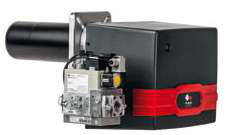
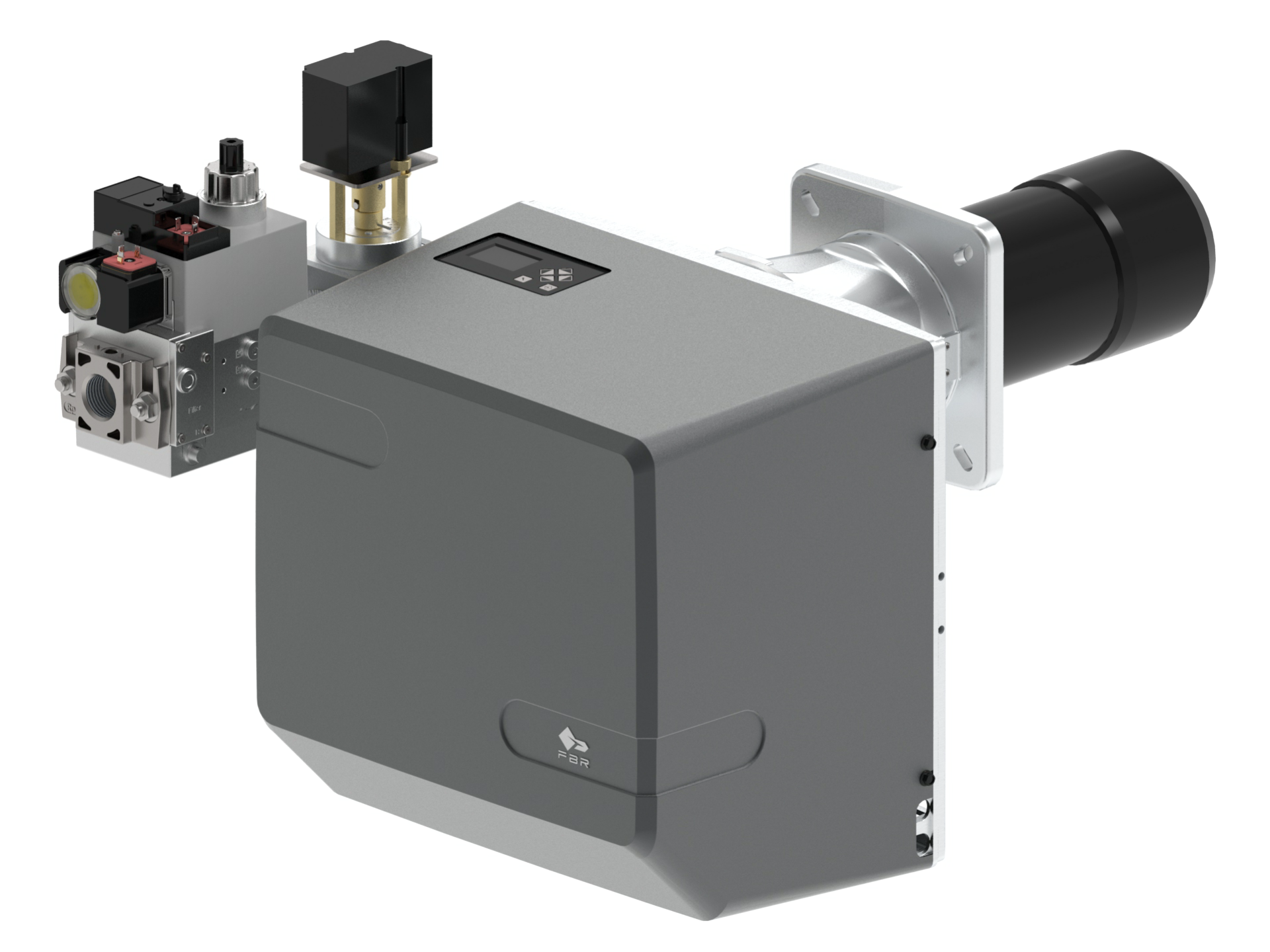
Static Pressure Testing: Connect a calibrated digital manometer (or analog gauge with 0–100 mbar range) to the pressure tap immediately downstream of the fan discharge. Record readings at three operational points: during fan pre-purge (before ignition), at low fire (minimum operating load), and at high fire (maximum load). Compare recorded values against the burner's technical specification sheet. For example, the FBR BURNER GAS X5/MF TL EL VC LPG operates with minimum pressure of 27 mbar for natural gas and 33 mbar for LPG. If measured pressure falls below these thresholds, the fault lies upstream—either in the fan motor performance or air intake obstruction.
Dynamic Pressure Measurement: With the burner in operation at stable load, measure pressure at the combustion head inlet (immediately before the burner block). This reading should be 3–7 mbar lower than static discharge pressure due to ducting friction losses. If dynamic pressure is significantly lower, inspect air ducting for internal blockages, dents, or improper installation. If it equals or exceeds static pressure, suspect combustion head carbon deposit buildup restricting airflow.
Fan Motor Electrical Testing: Using a clamp ammeter, measure current draw across the fan motor during operation. Most industrial burner fans draw between 2–8 amps depending on motor size and pressure resistance. If measured current is 30–50% below nameplate specification, the motor is not delivering full speed—indicating bearing wear, capacitor failure, or partial winding damage. If current exceeds nameplate rating, the motor is working against excessive load pressure, suggesting downstream restriction or motor fault itself.
Pressure Sensor Circuit Verification: Some air pressure faults are purely electrical—the fan and air path are healthy, but the control system receives false low-pressure signals. Disconnect the pressure sensor/manostat from the control relay and measure sensor output voltage directly. With burner running at stable load, sensor output should be proportional to measured air pressure. If sensor output remains constant regardless of pressure changes, the sensor has failed and requires replacement. Many modern control systems use proportional pressure transducers that output 4–20 mA or 0–10 V DC signals corresponding to 0–100 mbar ranges. Verify this signal path with a multimeter before condemning mechanical components.
Control Relays and Pressure Safety Interlocks: Verifying System Response
Industrial burner control relays continuously monitor air pressure and execute safety shutdowns when pressure deviates outside acceptable ranges. Understanding how these relays function—and how to test them—is essential for distinguishing between mechanical faults and control system malfunctions.
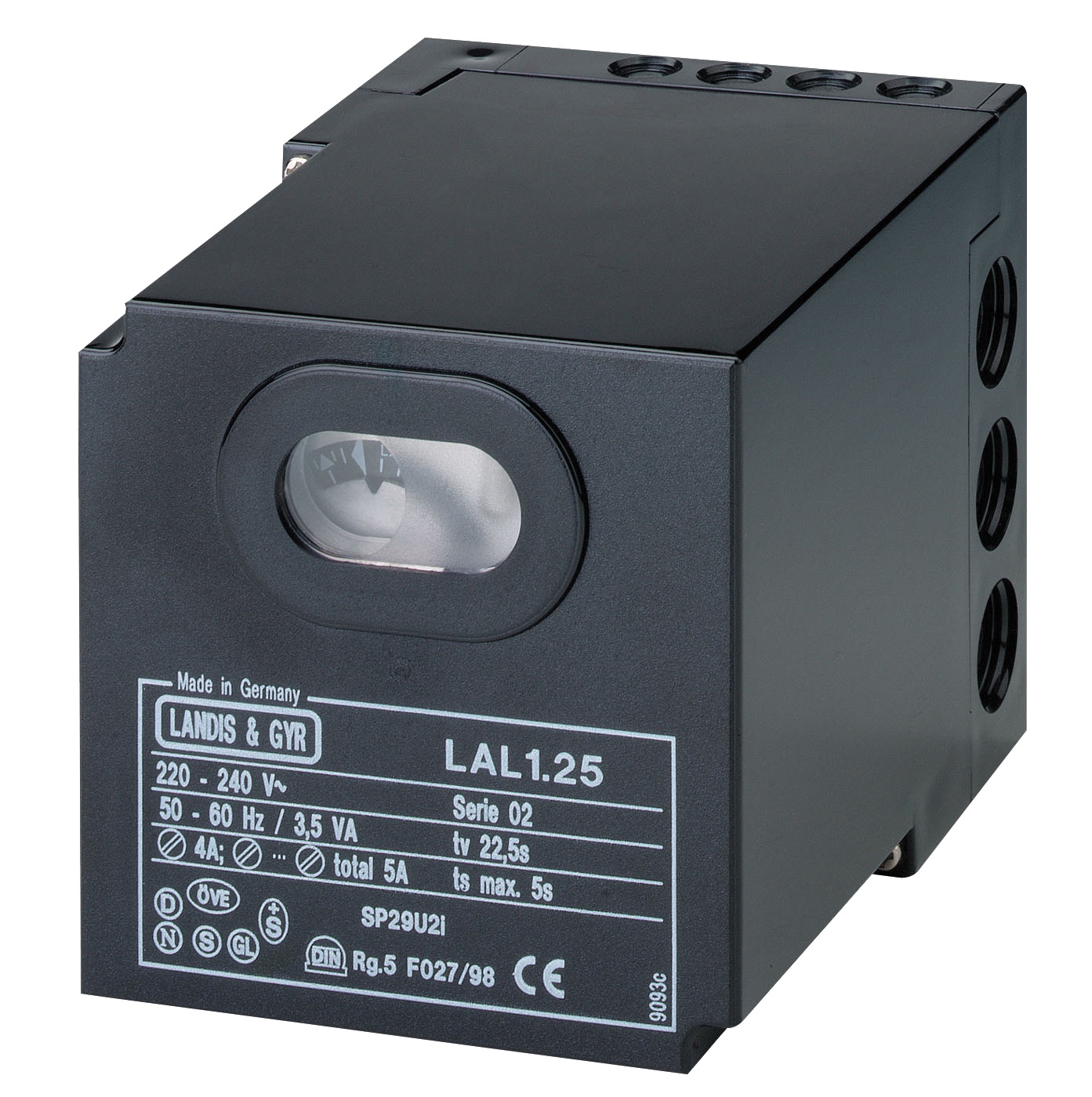
The CBM Relay LAL 2.14 and CBM Relay SM 592.2 TW1.5/TS10 are representative safety relay modules used in forced-draught burner applications. These relays include a manostat (air pressure switch) that opens or closes internal contacts based on pressure thresholds. The LAL 2.14, for instance, includes air pressure monitoring with adjustable setpoints typically ranging from 5–30 mbar for low-pressure alarm and 50–100 mbar for high-pressure limits. When pressure falls below the low-pressure setpoint, the relay de-energizes the ignition circuit and main fuel valve, terminating the burner cycle and logging a fault code in the control module.
To verify relay pressure setpoint accuracy, use a portable pressure test kit—a manual pump with gauge that connects to the pressure port on the relay. Slowly increase pressure from zero while listening for the relay click. Record the pressure at which the relay contacts change state (typically accompanied by an audible mechanical click or relay coil de-energization sound). If the actual setpoint differs more than ±2 mbar from the documented specification, the relay manostat has drifted and requires calibration or replacement.
In applications with CBM Base for GE 733 mounting arrangements, verify that the pressure port connections are secure and unobstructed. Debris, water condensation, or partial blockage in pressure sensing lines can cause false pressure readings even when actual burner air pressure is correct. Purge sensing lines with compressed air at low pressure (2–3 bar maximum) to clear any blockages. Do NOT use high-pressure spray cleaning, as this can damage internal relay components.
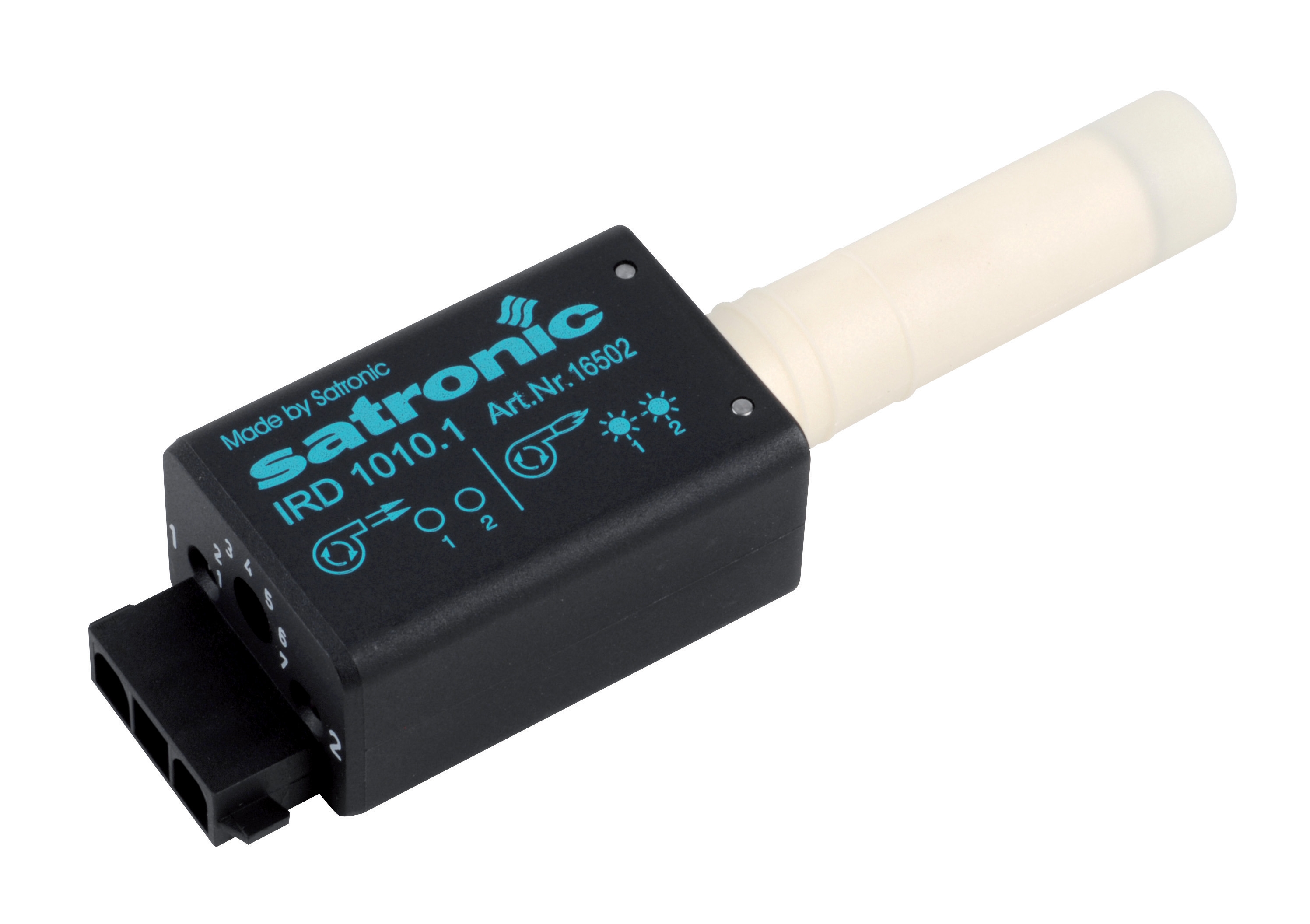
For proportional control systems with CBM IRD 1010 blue cell flame monitoring, verify that the pressure control feedback loop is functioning correctly. Many modern systems use proportional pressure control to modulate fan speed and match air pressure to fuel flow requirements. If the burner cycles between lockout and brief operation, suspect a feedback loop oscillation—often caused by sensor drift, relay delay misalignment, or loose pressure sensing connections. Tighten all pressure line connections and verify sensor calibration against a reference gauge before replacing any components.
Real-World Troubleshooting Scenarios: From Diagnosis to Resolution
Scenario 1: Low Pressure During High-Load Operation
A manufacturing facility operates an industrial heating system with a gas burner that runs reliably at 50% load but triggers low-pressure lockout when demand increases. Static pressure measurement at 100% load shows 22 mbar—below the 27 mbar minimum specification. Fan motor current draw is normal at 4.2 amps. Diagnosis: The air intake filter is partially blocked, creating excessive resistance. Solution: Replace the intake air filter and retest pressure. Pressure rises to 31 mbar at high load, and the burner operates stably. This scenario demonstrates why pressure measurement at multiple load points is critical—a burner that passes low-load testing can fail under realistic operating conditions.
Scenario 2: Intermittent Lockout with No Visible Flame Issues
A facility reports random burner shutdowns during stable operation with no flame loss visible. Static and dynamic pressures measure within specification (28 mbar static, 24 mbar dynamic at combustion chamber inlet). However, measuring sensor output reveals that the pressure signal drifts 3–4 mbar over a 10-minute period even though actual pressure remains stable. Diagnosis: The pressure transducer is experiencing thermal drift, sending false low-pressure signals that trigger intermittent lockouts. Solution: Replace the pressure sensor with a calibrated unit and add a pressure line isolation ball valve for future sensor replacement without full burner shutdown. This scenario illustrates why electrical testing of sensing circuits is as important as mechanical pressure measurement.
Scenario 3: High Pressure with Excessive Fan Motor Current
Static pressure reads 55 mbar (above 50 mbar maximum specification), and fan motor current is 7.8 amps (40% above nameplate). Burner operation is rough with visible flame turbulence and elevated NOx emissions. Dynamic pressure at combustion chamber inlet is nearly equal to static pressure, indicating minimal pressure drop. Diagnosis: Combustion head carbon deposits and restricted air passage are forcing the fan to work against excessive load resistance. Solution: Disassemble and chemically clean the combustion head and air passage. After cleaning, pressure drops to 32 mbar and motor current normalizes to 4.5 amps. Flame becomes smooth and stable. This scenario emphasizes the importance of periodic combustion head maintenance to maintain design air pressure performance.
Best Practices for Air Pressure System Maintenance and Monitoring
Implement a quarterly air pressure baseline testing program. Record static pressure, dynamic pressure, and fan motor current at multiple load points for each burner installation. Trend these measurements in a maintenance log. Pressure changes of more than 5% quarter-over-quarter indicate emerging problems—rising pressure suggests combustion head fouling; falling pressure suggests fan bearing wear or intake filter degradation.
Maintain pressure sensing lines with the same rigor as fuel lines. Keep sensing ports free of debris, condensation, and external contamination. Use stainless steel or copper tubing for pressure lines—never PVC or rubber hose, which can degrade and introduce false signals. Isolate pressure sensors with ball valves to enable replacement without full system depressurization.
Document control relay pressure setpoints and manostat calibration dates. Many facilities forget that pressure switches drift over time and require periodic recalibration. Establish a 24-month calibration cycle for critical safety relays like the LAL 2.14 series used in high-consequence applications. Store this documentation alongside burner commissioning records for reference during future troubleshooting.
Train maintenance teams to distinguish between air pressure faults and flame detection faults. Both trigger control lockout, but the diagnostic procedures are entirely different. Pressure troubleshooting begins with mechanical measurement and fan motor testing, not sensor replacement. This disciplined approach prevents expensive parts replacement and accelerates fault resolution.
Conclusion: Proactive Pressure Diagnostics Save Downtime and Extend Burner Life
Air pressure and fan performance are invisible until they fail—but their impact on burner reliability is profound. By implementing systematic pressure measurement, control relay verification, and preventive maintenance, maintenance teams can detect and resolve air pressure faults before they trigger protective shutdowns. The diagnostic procedures outlined in this guide—static and dynamic pressure measurement, fan motor electrical testing, and pressure sensor circuit verification—apply across all burner types and fuels, from small natural gas units to large industrial LPG installations.
If your facility experiences recurring low-pressure lockouts, unstable fan operation, or intermittent control shutdowns, contact 3G Electric for expert troubleshooting support and parts replacement. Our technical team has supported industrial maintenance operations globally since 1990, and we stock complete burner control system components including pressure relays, safety bases, and flame detection systems. Whether you need diagnostic consultation, parts replacement, or system commissioning, we're ready to help your team restore reliable burner operation. Reach out today for a no-obligation technical assessment.