Understanding Gas Valves & Regulation in Your Operation
Gas valves and regulation systems are critical infrastructure components that directly impact plant reliability, safety, and operational costs. As a plant manager, your responsibility extends beyond selecting equipment—you must ensure these systems perform consistently throughout their lifecycle. With over 35 years of distribution experience across industrial operations, 3G Electric understands the real-world challenges facilities face when managing pressure control, flow management, and safety relief systems.
The difference between facilities that experience frequent gas system failures and those that run smoothly often comes down to one factor: proactive performance monitoring. Rather than waiting for a regulator to drift out of specification or a valve to fail unexpectedly, successful plant managers implement monitoring strategies that catch degradation early.
Condition Monitoring: Building Your Baseline
Establishing Performance Benchmarks
Effective maintenance begins with understanding what "normal" looks like for your specific installation. Every gas valve and regulation system operates within a unique context—ambient temperature variations, pressure fluctuations, usage patterns, and environmental factors all influence performance characteristics.
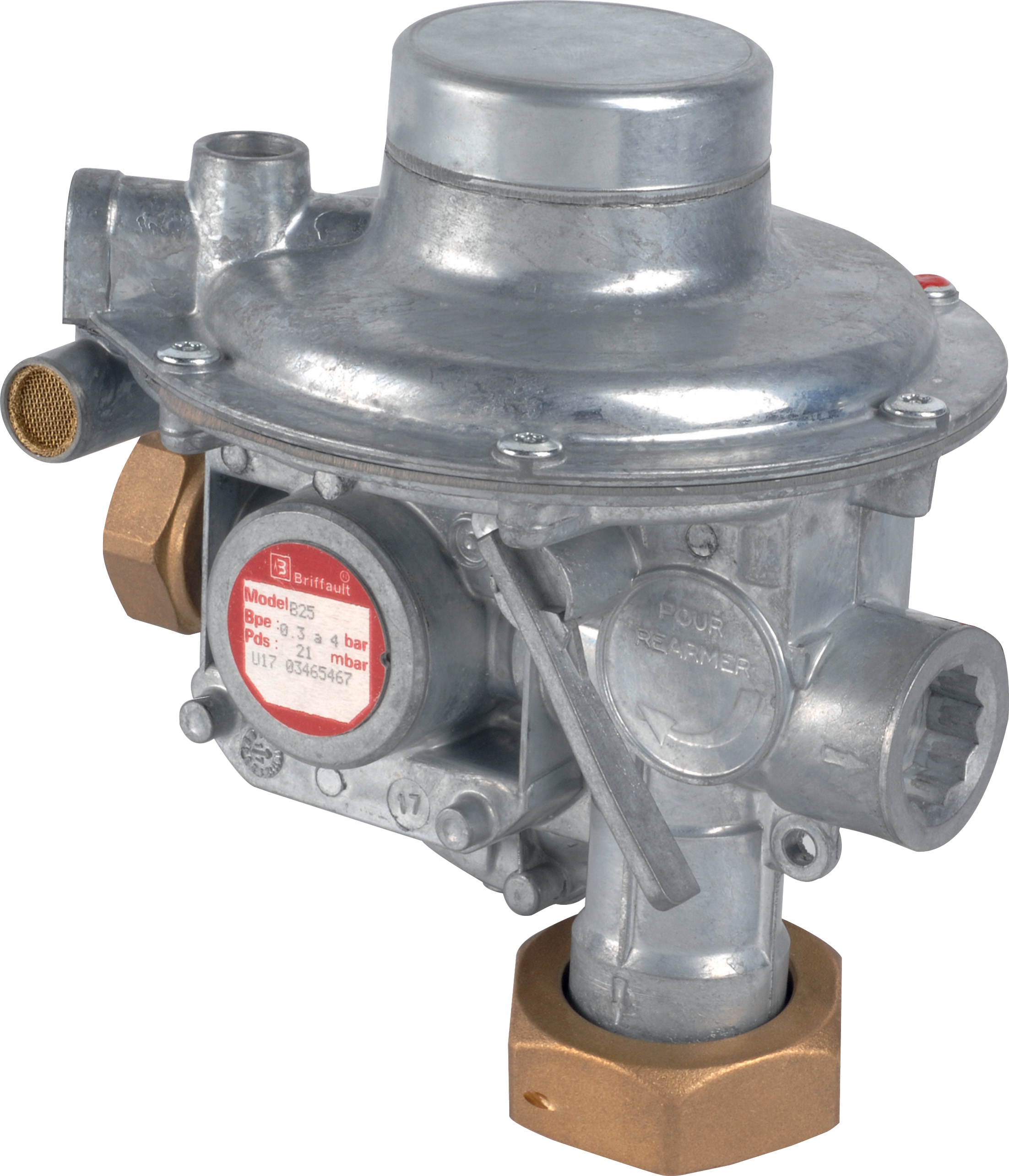
Start by documenting baseline readings when equipment is newly installed or after commissioned maintenance. For pressure regulators like the Francel B25/37mb with integrated safety relief, establish baseline outlet pressure readings under various load conditions. Record ambient temperature, inlet pressure, and outlet pressure simultaneously. This baseline becomes your reference point for detecting anomalies.
Implement a simple monitoring schedule:
- Daily visual checks: Look for visible corrosion, leaks, or unusual vibration patterns
- Weekly pressure readings: Use calibrated gauges to confirm outlet pressure consistency
- Monthly trend analysis: Plot pressure readings to identify gradual drift patterns
- Quarterly safety relief testing: Verify that safety relief valves respond correctly at specified pressure thresholds
Recognizing Degradation Patterns
Gas valve and regulation performance typically degrades gradually before catastrophic failure. Plant managers who recognize early warning signs can schedule maintenance during planned downtime rather than facing emergency shutdowns.
Common degradation patterns include:
Pressure Creep: Output pressure slowly increases over weeks or months, suggesting internal seal wear. A regulator specified for 37 mbar that begins outputting 38-39 mbar indicates increasing internal leakage. This pattern requires seal replacement before the valve exceeds acceptable operating ranges.
Pressure Instability: Output pressure fluctuates more than ±5% from setpoint, typically caused by diaphragm wear, spring fatigue, or contaminated inlet gas. Unstable pressure creates downstream problems—burner flame instability, equipment malfunction, and potential safety issues.
Response Lag: The system takes longer than usual to reach setpoint after load changes. This indicates internal component wear and suggests the regulator is reaching end-of-service life.
Audible Changes: New whistling, grinding, or chattering sounds indicate internal turbulence, seal degradation, or component movement. Never ignore acoustic changes—they're your system talking to you.
Temperature Deviation: If your regulator housing feels warmer than normal during operation, internal friction is increasing due to wear or contamination.
Document these observations systematically. A simple spreadsheet tracking date, observation, pressure readings, and ambient conditions becomes invaluable for identifying patterns and timing maintenance interventions.
Data-Driven Decision Making for Valve Management
Implementing Basic Instrumentation
Plant managers don't need expensive digital monitoring systems to collect meaningful data. Strategic placement of inexpensive pressure gauges and recording the readings weekly provides the information needed to make maintenance decisions.
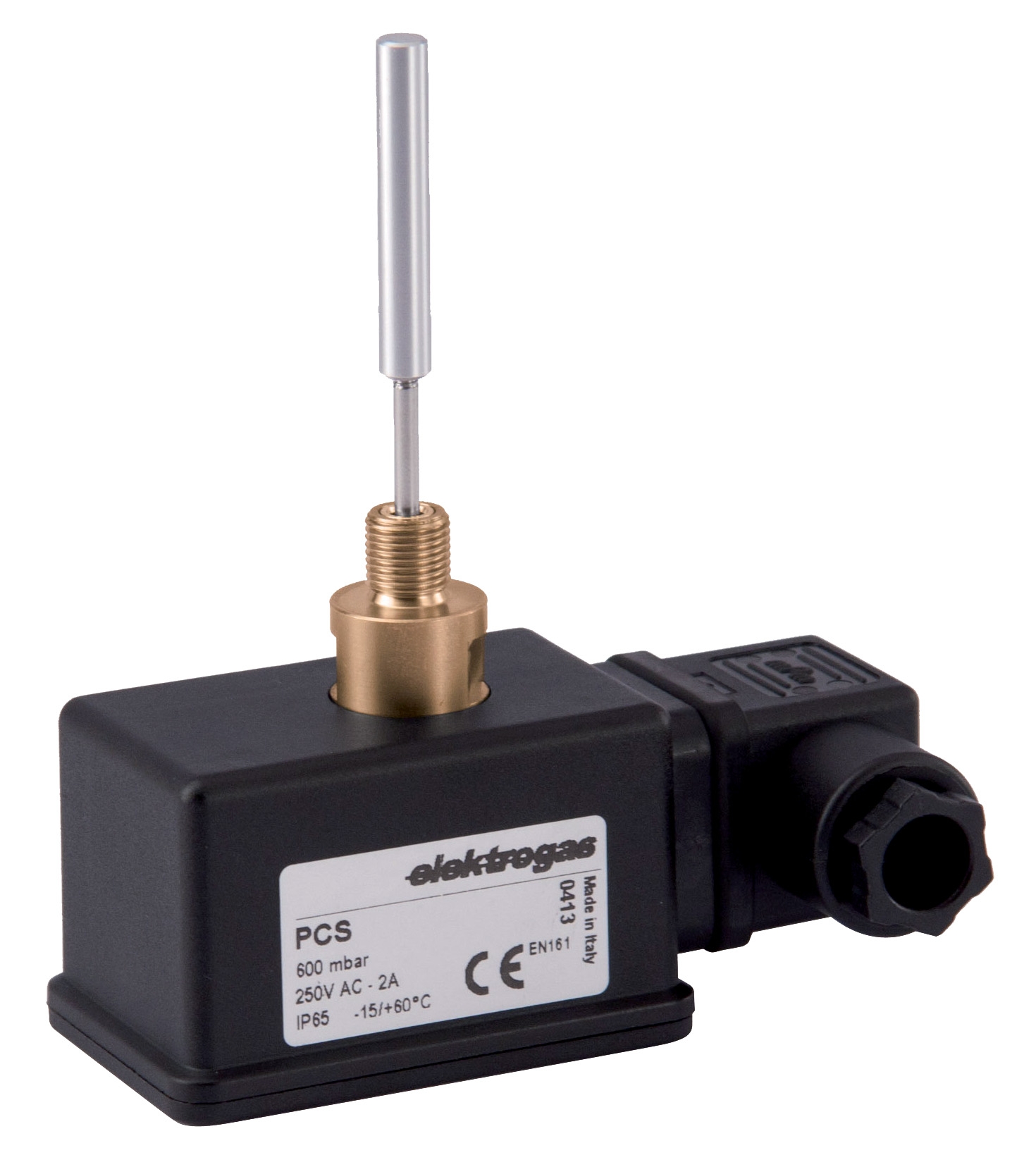
For critical pressure regulation points, consider installing Elektrogas VMM 20-25 end-of-stroke contact valves that provide both mechanical operation and electrical feedback. These EN 161-compliant devices deliver 6 bar rated pressure and enable basic automation of monitoring processes—the electrical contact closes when the valve reaches setpoint, allowing integration with simple alarm systems or building management systems.
When collecting pressure data:
- Standardize measurement time (e.g., always read at 10 AM) to minimize temperature variation effects
- Record ambient temperature alongside pressure readings
- Note any operational changes that occurred since the last reading
- Compare readings across multiple regulators on the same supply line to identify localized degradation
This straightforward approach creates a dataset that reveals trends invisible to individual readings.
Predictive Maintenance Intervals
Traditional maintenance strategies follow fixed intervals—service every 12 months or every 2,000 operating hours. Predictive maintenance instead adjusts intervals based on actual performance data.
For a regulator showing stable pressure readings with no drift over six months, extending the service interval from annual to biennial is justified. Conversely, a regulator showing increasing pressure creep at 0.5 mbar per month should be serviced immediately, regardless of scheduled intervals.
Calculate your own predictive intervals:
1. Establish normal degradation rate from your monitoring data (mbar change per month, for example)
2. Define your acceptable maximum drift before the valve goes out of specification
3. Divide acceptable drift by observed degradation rate to determine service interval
This calculation transforms maintenance from calendar-driven to condition-driven, eliminating unnecessary service of equipment that's performing well while ensuring problematic units receive attention before failure.
Integration and Safety Compliance
Regulatory Requirements in Singapore
Singapore's regulatory environment for gas systems emphasizes safety compliance and competent operation. The Gas Safety Act requires gas installations to be designed, installed, and maintained by competent persons. For plant managers, this means documenting all maintenance activities, maintaining calibrated test equipment, and ensuring personnel performing adjustments are properly trained.
When servicing pressure regulation equipment, use devices that meet Singapore's compliance framework. Safety relief valves must be tested and certified, with documentation retained for inspection. Products like the Francel B25/37mb regulator with integrated safety relief combine primary regulation and safety relief in a single certified component, simplifying compliance documentation and reducing failure points.
Maintain detailed records including:
- Date of installation and commissioning
- All measured pressure readings with timestamps
- Service and repair history with technician names
- Any deviations from specified operation
- Calibration certificates for test equipment used for verification
These records demonstrate due diligence and competent management to regulatory inspectors.
Integration with Broader Maintenance Systems
Gas valve and regulation maintenance shouldn't operate in isolation. Integrate your monitoring data with your facility's broader equipment management system.
When your pressure regulator monitoring shows increasing pressure, cross-reference facility logs to identify any corresponding changes in downstream equipment—burner performance, temperature control stability, or equipment shutdown events. Often, apparent regulator degradation actually indicates upstream contamination or downstream system changes that require different interventions.
For facilities using high-pressure systems with multiple valves (such as operations utilizing Pratissoli ZT06B1000353 or Pratissoli ZT03A0200152 high-pressure cleaning applications), implement a centralized logging system. Recording pressure readings across all system points reveals leakage, blockages, or localized equipment issues before they impact facility operations.
Practical Action Plan for Plant Managers
Month 1: Establish Your Baseline
Identify all critical pressure regulation points in your facility. For each regulator and pressure relief valve, record five consecutive daily readings at the same time. Document the date, time, ambient temperature, inlet pressure (if accessible), outlet pressure, and any operational observations.
Month 2-3: Identify Degradation Patterns
Continue daily readings while plotting them on a simple graph. Look for trends—is pressure rising, falling, or stable? Are there any spikes or unusual variations? Correlate any changes with operational events or environmental factors.
Month 4+: Implement Predictive Scheduling
Based on observed degradation rates, adjust your maintenance intervals. Equipment showing zero drift can safely extend service intervals. Equipment showing degradation approaching acceptable limits should be prioritized for maintenance before problems escalate.
Ongoing: Maintain the System
Continue regular monitoring, document everything, and treat maintenance decisions as data-driven processes rather than calendar-driven activities. This approach consistently delivers the best combination of reliability, safety, and cost effectiveness.
With over 35 years in industrial equipment distribution, 3G Electric works with plant managers who understand that investing time in monitoring today prevents costly emergencies tomorrow. Whether you're managing a single critical regulator or a complex multi-valve gas system, the principles remain constant: establish baseline performance, monitor consistently, recognize degradation patterns, and make maintenance decisions based on data rather than guesswork.
Your gas valve and regulation systems are investments in facility reliability. Manage them accordingly.