

Elco
SwitzerlandBurners & Combustion4
In Collection
12,386
Full Catalog
1 Day
Quote Response
Switzerland
Origin
Worldwide Shipping
Air & sea freight
Datasheets on Request
Technical specs & drawings
1-Day Quote Response
Singapore-based team
Show
Page 1 of 14 products




Frequently asked questions
Common questions about Elco from 3G Electric.
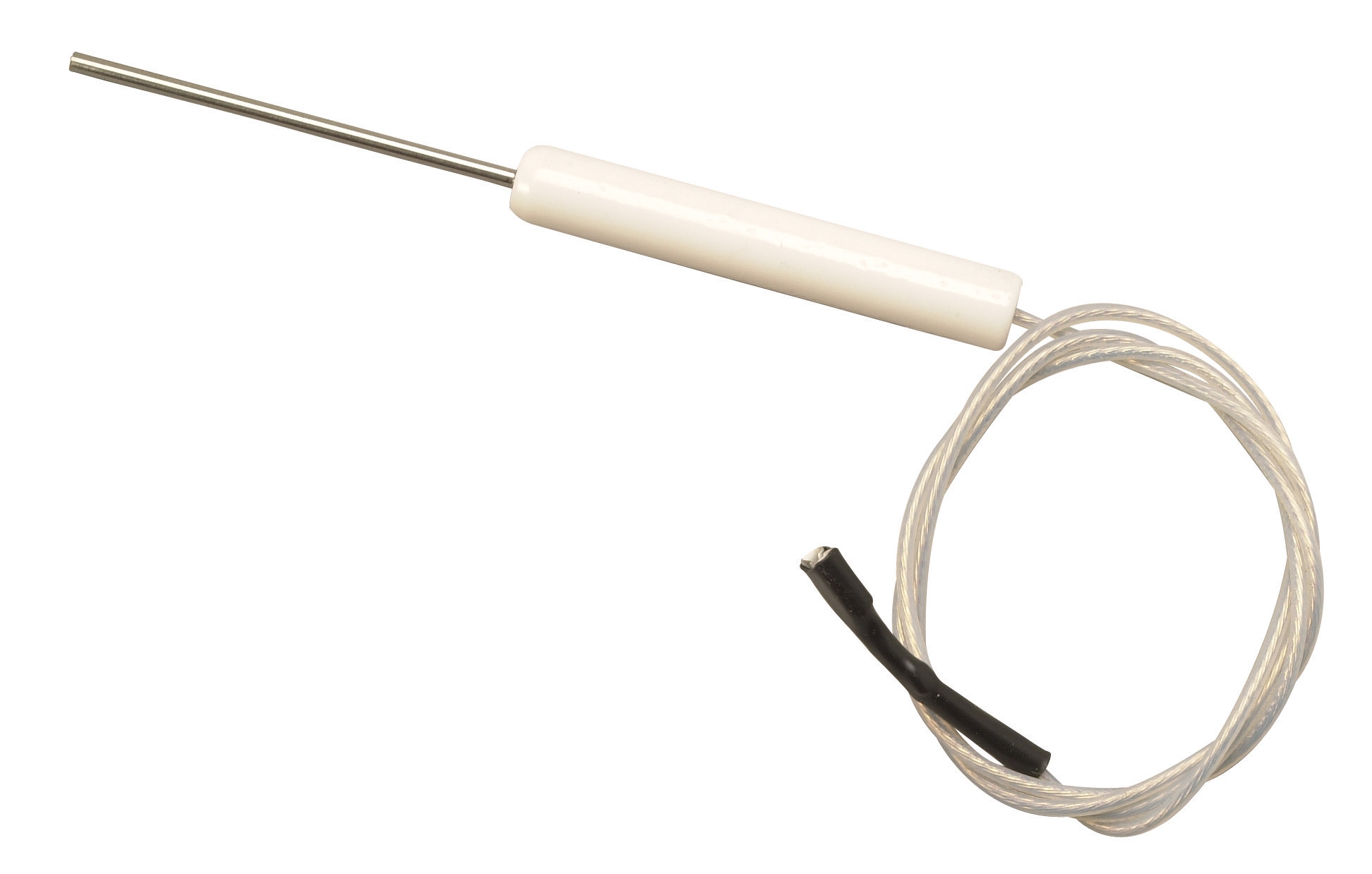
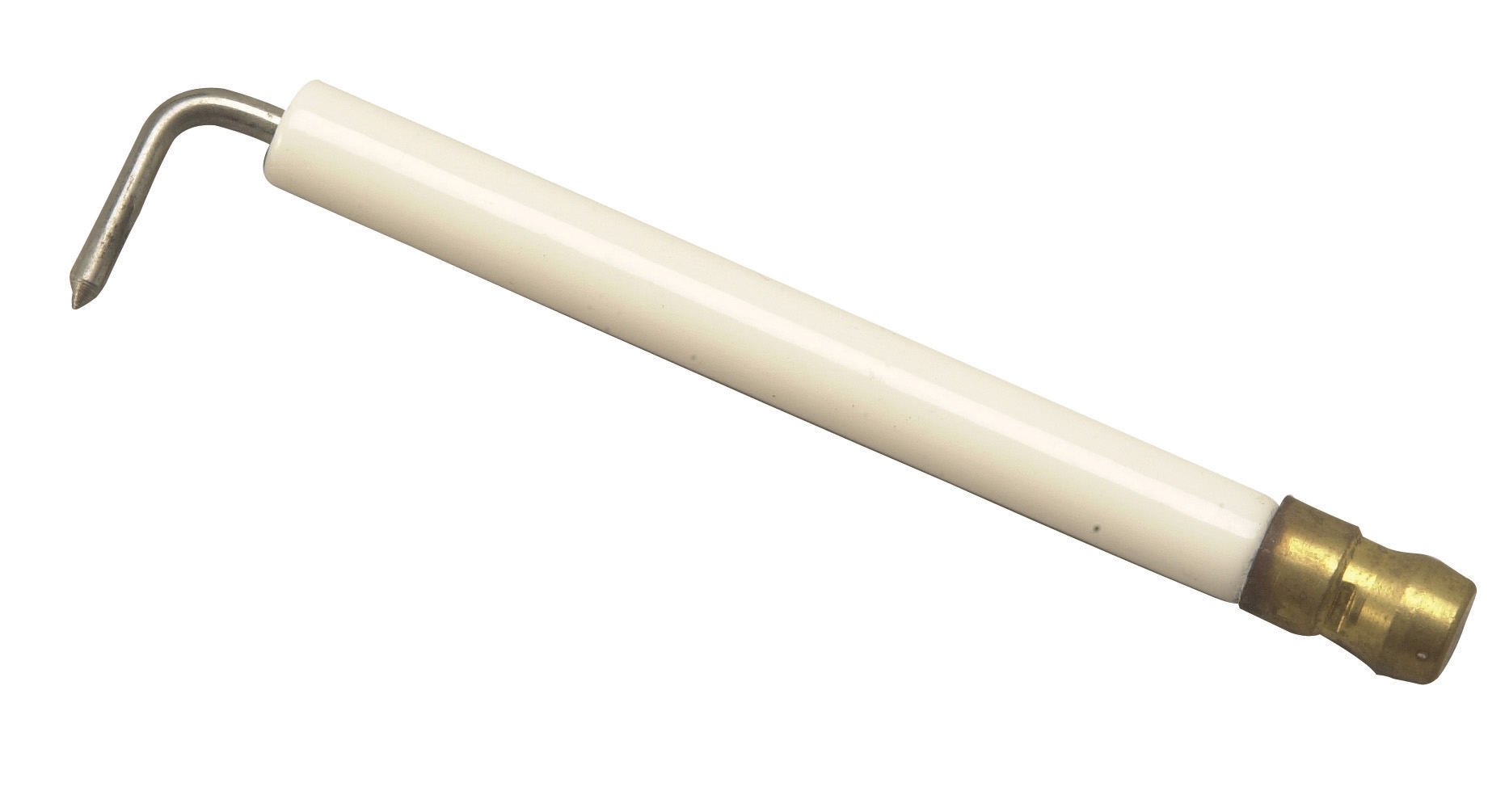
What is the difference between Elco block electrodes and ionization electrodes?
Elco block electrodes (EL 1 series) serve as stationary flame-detection probes mounted in the burner head, positioned to detect flame temperature and radiant energy. Ionization electrodes (EG01) detect the electrical conductivity of flame ions, enabling flame-failure cutoff in safety circuits. Block electrodes are typically used in UV-sensing or resistance-change designs; ionization electrodes respond to ion current during combustion and require a high-voltage (typically 200+ V) bias circuit. Choice depends on burner control architecture and fuel type.
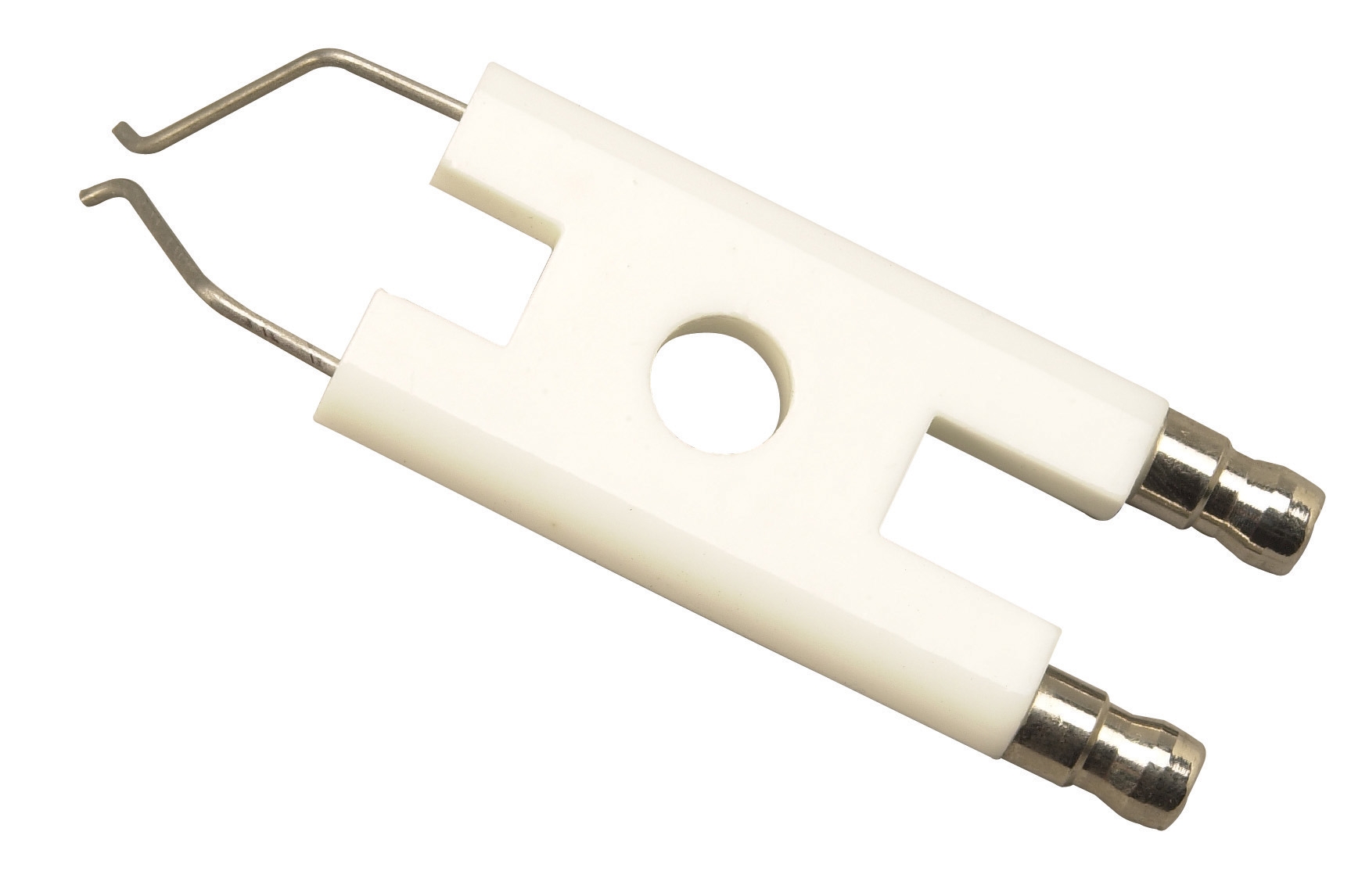
Are Elco ignition electrodes compatible with existing burner control modules?
Elco ignition electrodes (EG1 series) are designed for standard ignition transformer outputs (typically 10–15 kV spark voltage at 20–40 mA pulse current). Compatibility is determined by electrode gap, ceramic insulator design, and mounting geometry. Verify electrode dimensions, insulator rating, and gap specification against the control module's ignition circuit design. We can assist in cross-referencing part geometry with legacy and current burner control platforms.
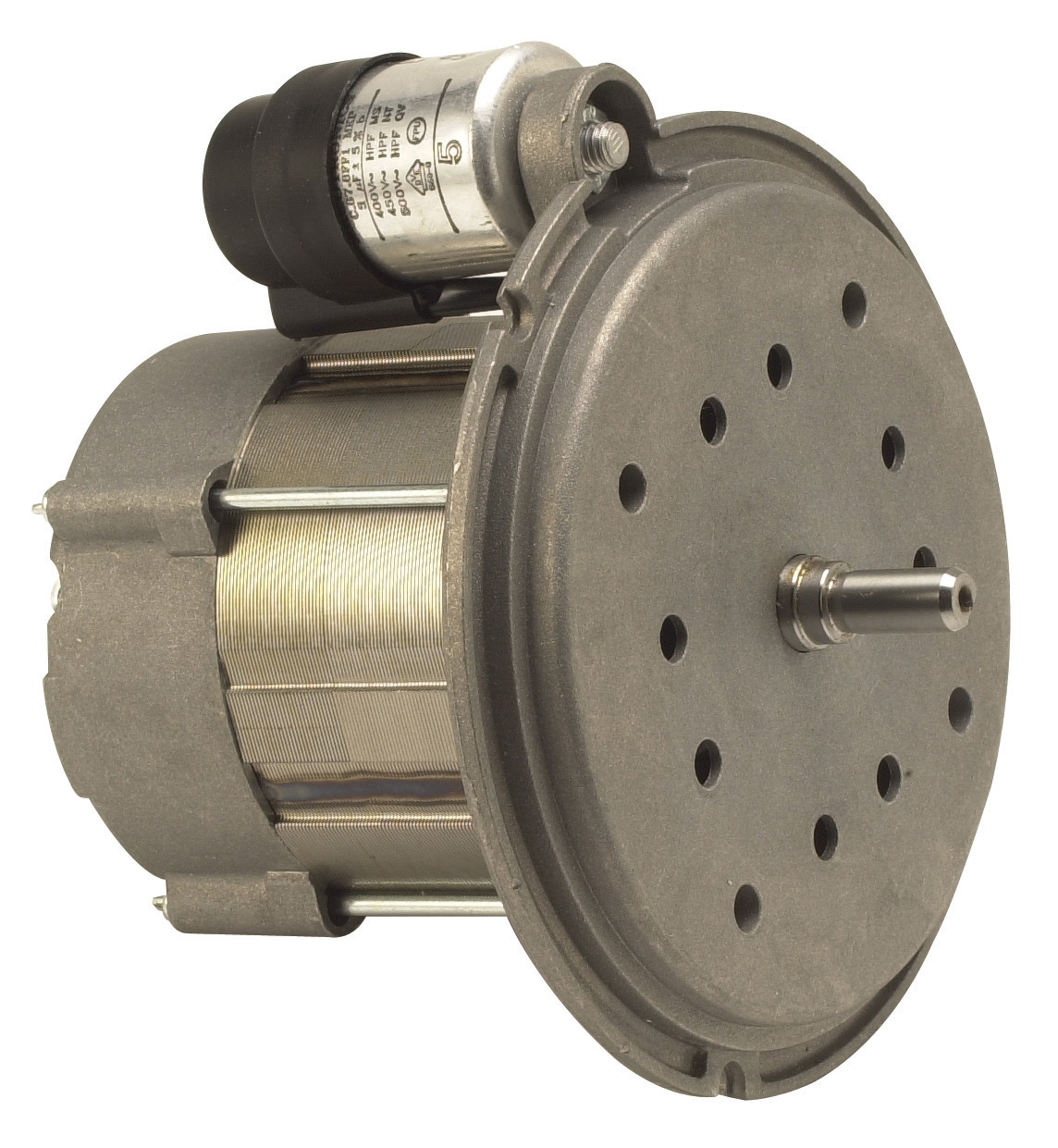
What operating temperature and electrical rating does the Elco EL EB 95 motor have?
The Elco EL EB 95 motor is rated for continuous duty in burner fuel-pump and blower-drive applications, typically operating at ambient temperatures up to 40–50 °C and in environments with vibration and thermal cycling. Electrical ratings are 230 V single-phase or 400 V three-phase (depending on variant), with power output and speed specified per unit. Consult the technical datasheet for exact power (W), speed (rpm), insulation class, and thermal-protection requirements.
How often should Elco electrodes be replaced in a burner system?
Electrode service life depends on firing frequency, flame temperature, fuel quality, and electrode condition. Ionization electrodes and block electrodes typically remain functional for 2–5 years in normal duty. Inspect electrodes annually for carbon fouling, ceramic cracking, or metal erosion. Replace if insulation resistance drops, spark gap widens, or flame detection becomes unstable. We maintain stock of replacement Elco electrode assemblies for rapid turnaround.
Does Elco provide documentation on electrode installation and gap settings?
Elco publishes technical datasheets and installation guides covering electrode gap, mounting orientation, and insulator placement. Gap specification varies by electrode type (EL 1, EG01, EG1) and control module design. Incorrect gap leads to unreliable ignition or flame detection. We can supply or reference the relevant datasheet upon request to confirm gap and thermal-insulation requirements before installation.
What certifications or standards apply to Elco burner electrodes and motors?
Elco electrodes and motors are manufactured to ISO and European safety standards relevant to burner controls (EN 298, EN 12952 for boilers, EN 60730-1 for electrical safety). Specific certification depends on the burner application and regional regulations. Industrial burner installations in EU and ASEAN markets typically reference EN and ISO standards. Confirm applicable standards with your burner OEM or local authority before procurement.