Troubleshooting Gas Detection and Pressure Measurement Systems in Singapore Industrial Facilities
Industrial measurement and detection systems are critical infrastructure in Singapore's manufacturing, petrochemical, and process industries. These systems monitor pressure levels and detect hazardous gases, protecting personnel and equipment from costly downtime and safety incidents. However, when measurement accuracy degrades or detection systems malfunction, diagnostic procedures become essential. This troubleshooting guide addresses the most common issues encountered in gas detection and pressure measurement applications, providing industrial professionals with data-driven solutions to restore system reliability and compliance with Singapore's stringent industrial safety standards.
Understanding Gas Detection and Pressure Measurement System Architecture
Modern industrial measurement and detection systems operate on integrated principles combining multiple sensing technologies. Gas detection systems typically comprise a central control unit, remote probes with catalytic or electrochemical sensors, interconnecting cabling, and relay modules for alarm signaling. Pressure measurement systems rely on mechanical or electronic transducers that convert fluid or gas pressure into readable gauge displays or electronic signals.
The reliability of these systems depends on understanding their operational framework. Detection units process signals from probes monitoring for combustible gases, toxic gases, or oxygen depletion. These systems must meet electromagnetic compatibility (EMC) standards, particularly CEI-EN50270:2015, which specifies performance requirements for apparatus used in industrial environments. Pressure measurement devices, conversely, rely on mechanical capsule gauges or electronic sensors calibrated to specific measurement ranges—typically from near-vacuum conditions through to several hundred bar.
System failures rarely occur randomly; they follow predictable patterns based on environmental exposure, component age, and calibration drift. In Singapore's humid tropical climate, corrosion represents a significant degradation factor. Similarly, pressure gauge accuracy—typically ±1.6% of full scale for standard capsule gauges—degrades over time through mechanical wear and elastic hysteresis in the measurement element. Understanding these degradation mechanisms enables proactive troubleshooting before critical failures occur.
Diagnostic Procedures for Detection Units and Probe Systems
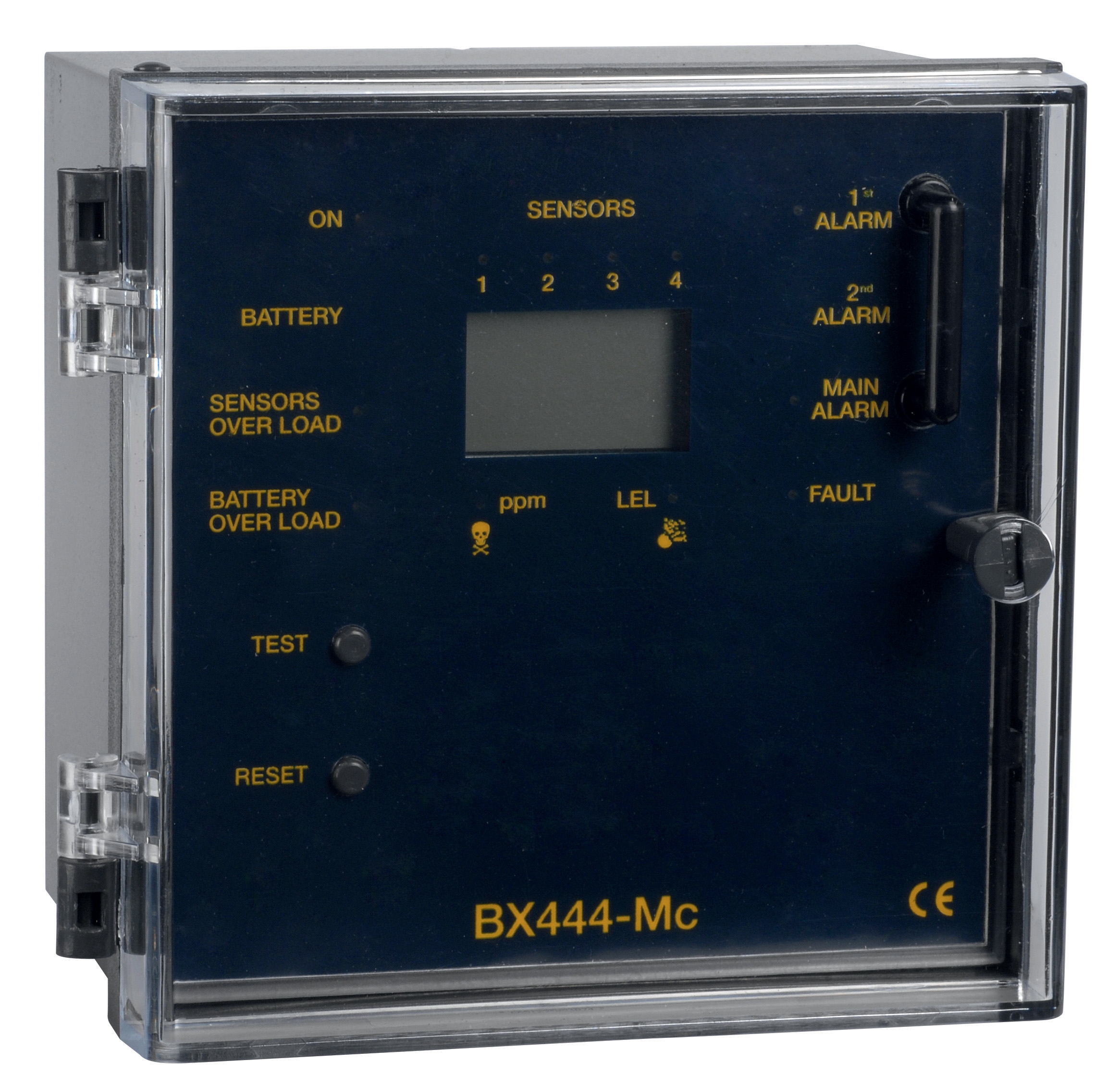
Detection system troubleshooting begins with functional verification of the central control unit. The CBM DTK Detection Unit 4 Probes represents a conventional four-zone control system designed for gas leak detection in industrial applications. Initial diagnostics should verify: (1) power supply voltage stability at the control unit terminals, (2) all indicator lights responding to test inputs, and (3) relay activation during alarm conditions.
[PRODUCT_IMAGE:DTK08006]
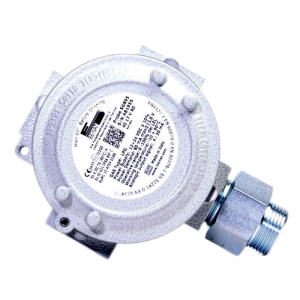
When detection units fail to respond to known gas concentrations, the issue typically originates in the probe assembly rather than the central controller. ATEX-certified probes such as the Diesel Probe employ catalytic sensor technology to detect explosive and toxic gases. These sensors require regular calibration verification, typically performed monthly in compliance with CEI-EN50270:2015 standards.
[PRODUCT_IMAGE:DTK18012]
Probe diagnostic sequence:
- Visual Inspection: Examine probe heads for physical damage, corrosion, or sensor element discoloration. Catalytic beads should appear intact without visible scaling.
- Continuity Testing: Measure resistance across probe terminals using a digital multimeter. Values exceeding manufacturer specifications indicate sensor degradation or internal wiring failure.
- Signal Output Verification: Apply calibrated test gas (typically 50% LEL for combustible detection) and verify millivolt output at the probe connector matches calibration certificates.
- Response Time Measurement: Document time elapsed from gas introduction to alarm activation. Degraded sensors typically exhibit 30-50% slower response times before complete failure.
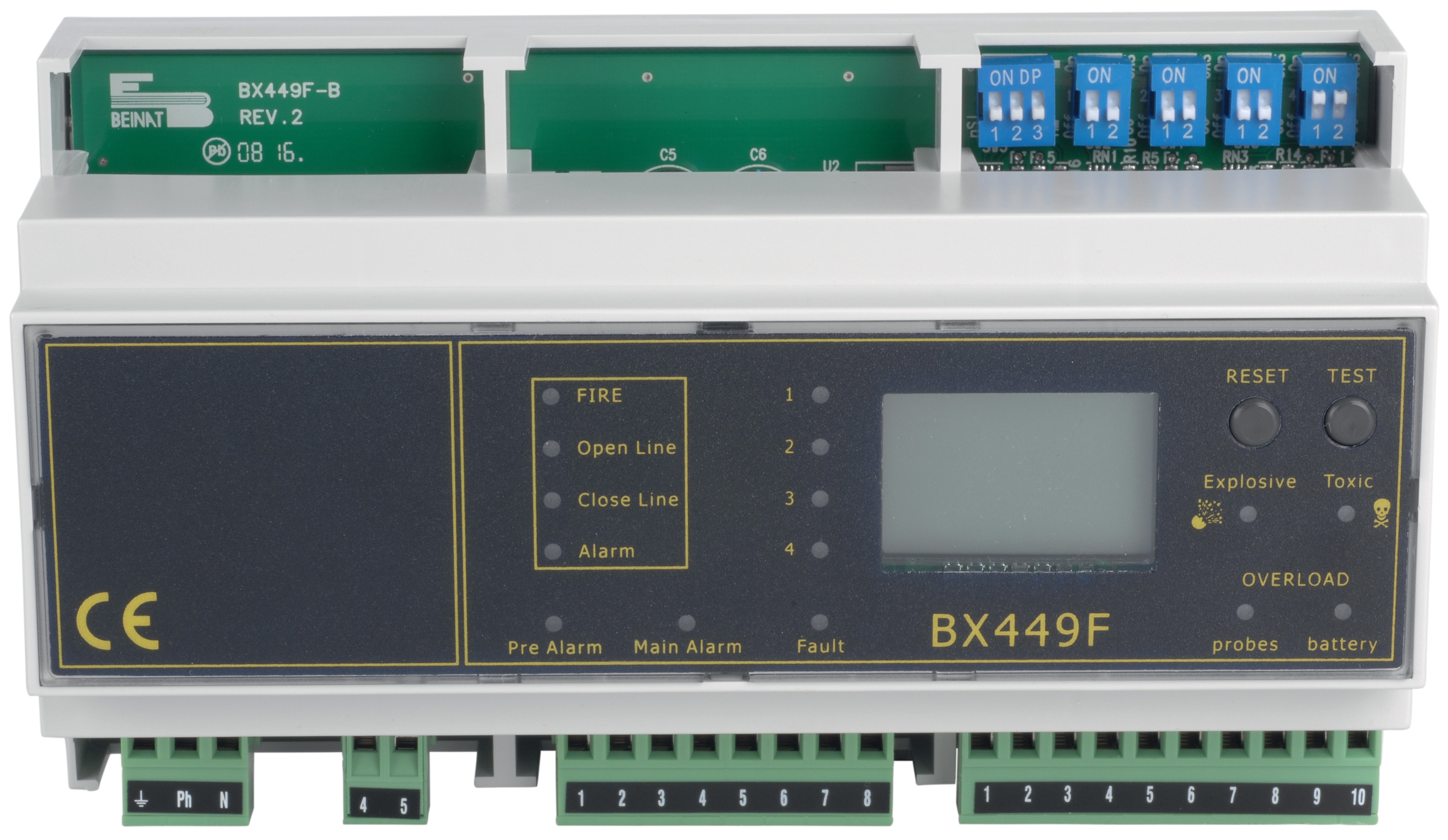
The modular architecture of systems like the Gas Detection Center DIN Rail 4 Probes allows individual probe replacement without system decommissioning. When replacing probes, document the original calibration date and gas type configuration to prevent installation errors.
[PRODUCT_IMAGE:DTK08014]
Pressure Measurement System Diagnostics and Accuracy Verification
Pressure measurement troubleshooting addresses mechanical gauge accuracy, electronic transducer calibration, and installation-related errors. The CBM Stainless Steel Axial Manometer D63 0/+400Mbar represents a precision capsule gauge commonly deployed in pneumatic and low-pressure hydraulic systems.
[PRODUCT_IMAGE:ROS23014]
Accuracy specifications for this gauge class: ±1.6% of full scale. For a 400 mbar gauge, this translates to ±6.4 mbar maximum acceptable error. When readings drift beyond these limits, systematic diagnostics are required:
Installation Verification: Incorrect installation introduces measurement errors exceeding component accuracy limits. Verify: (1) gauge orientation matches application requirements (axial vs. vertical mounting), (2) isolation ball valves are fully open, (3) no kinks or blockages exist in connecting tubing, and (4) gauge mounting threads engage fully without cross-threading damage.
Mechanical Inspection: Pressure gauge failures typically manifest as: stuck needle position, erratic needle movement, or slow response to pressure changes. These symptoms indicate internal capsule deformation or mechanical linkage wear. Glycerin-filled gauges, such as the CBM Glycerin Manometer All Stainless Vert. D63 0/+250bar, provide superior damping for pulsating pressure applications, reducing mechanical fatigue on internal components.
[PRODUCT_IMAGE:ROS58040]
Calibration Assessment: Compare gauge readings against a certified reference standard at multiple pressure points across the measurement range. Plot measured values versus true pressure to identify systematic bias or linearity errors. Values within ±1.6% full scale are acceptable; deviations exceeding this threshold indicate calibration drift requiring professional recalibration or component replacement.
Environmental Factors: Singapore's humid tropical climate and coastal industrial zones expose measurement equipment to accelerated corrosion. Stainless steel construction (grade 316 or equivalent) provides superior corrosion resistance compared to standard steel housings. Regular visual inspection for surface oxidation, sealing degradation, or moisture ingress prevents catastrophic failure.
Real-World Troubleshooting Scenarios in Singapore Industrial Operations
Scenario 1: Detection System False Alarms
A petrochemical terminal in Singapore's Jurong industrial zone experiences frequent false alarms from detection units monitoring storage tank vapor spaces. Investigation reveals: (1) probe connectors exposed to salt spray corrosion, creating intermittent contact resistance, and (2) EMC interference from nearby high-power electrical switchgear affecting signal integrity. Resolution: relocate probes to shielded junction boxes, upgrade interconnecting cabling to twisted-pair with 360° shielding, and install EMC filter modules on detection unit power inputs.
Scenario 2: Pressure Gauge Reading Inconsistency
A manufacturing facility's pneumatic system operates with inconsistent pressure, causing product quality variation. Three identical pressure gauges reading the same compressed air line show readings diverging by ±25 mbar over an eight-hour shift. Root cause analysis: (1) gauge #1 internal capsule fatigue (mechanical wear from 50,000+ pressure cycles), (2) gauge #2 partial tubing blockage restricting response, and (3) gauge #3 thermal drift from near-window installation. Resolution: replace gauge #1 with new unit, clear tubing restrictions on gauge #2, relocate gauge #3 away from direct solar exposure, and implement weekly calibration verification using a portable reference standard.
Scenario 3: Probe Degradation in Hydrogen Processing
An industrial gas processing facility detects increasing response time in hydrogen detection probes despite regular maintenance. Catalytic sensor beads exhibit surface contamination from trace sulfur compounds in the gas stream. Standard maintenance protocols fail to restore sensor sensitivity. Resolution: upgrade to ATEX-certified probes specifically designed for hydrogen detection with enhanced sensor element protection, implement upstream gas filtration to 3-micron rating, and reduce calibration intervals from monthly to bi-weekly.
Selection and Maintenance Best Practices for Singapore Industrial Environments
Component Selection Criteria: Singapore's tropical climate and industrial density necessitate specification of corrosion-resistant materials. Stainless steel gauge housings (ROS series), fully sealed probe connectors, and glycerin-damped pressure gauges provide superior performance longevity compared to standard industrial-grade equipment. For detection systems, specify ATEX-certified probes for classified hazardous areas and standard probes with EMC filtering for general industrial environments.
Preventive Maintenance Schedule: Establish documented maintenance protocols: (1) monthly functional testing of detection units with calibrated gas standards, (2) quarterly visual inspection of all pressure gauges and probe installations, (3) semi-annual calibration verification using certified reference equipment, and (4) annual complete system overhaul including probe replacement and gauge recalibration. This schedule aligns with CEI-EN50270:2015 and Singapore's Workplace Safety and Health regulations.
Documentation Requirements: Maintain detailed records of all calibrations, replacements, and functional tests. This documentation provides regulatory compliance evidence for Singapore's Ministry of Manpower inspections and supports root-cause analysis when anomalies occur. Digital documentation systems enable trend analysis identifying early degradation patterns before system failure.
Conclusion and Expert Support Resources
Troubleshooting measurement and detection systems requires systematic diagnostic procedures, understanding of environmental degradation mechanisms, and familiarity with component specifications. Whether addressing false alarm generation in gas detection systems or calibration drift in pressure gauges, data-driven diagnostics prevent costly downtime and maintain compliance with Singapore's industrial safety standards.
3G Electric, as an authorized industrial equipment distributor serving Singapore since 1990, maintains comprehensive inventory of measurement and detection equipment from leading manufacturers. Our technical team provides calibration verification services, component replacement recommendations, and system design consultation for new installations. When troubleshooting procedures exceed your facility's technical resources, our engineers deliver on-site diagnostics and corrective action implementation. Contact our Singapore office to discuss your measurement system challenges—our specialists are ready to restore your equipment reliability.