Pressure Measurement Fundamentals: Choosing the Right Manometer for Industrial Applications in Singapore
Accurate pressure measurement is the backbone of safe and efficient industrial operations across Singapore's diverse manufacturing, chemical, pharmaceutical, and utility sectors. Unlike gas detection systems that monitor environmental hazards, manometers provide real-time quantitative data on system pressures—critical for process control, equipment protection, and regulatory compliance. This technical explainer examines the fundamental principles of pressure measurement, the technical distinctions between manometer types, and the practical criteria for selecting instruments that deliver reliable performance in Singapore's industrial environment. Whether you operate low-pressure pneumatic systems or high-pressure hydraulic installations, understanding manometer specifications enables informed decisions that reduce downtime, enhance safety, and optimize operational efficiency.
Core Principles of Industrial Pressure Measurement
Pressure measurement in industrial applications requires understanding both the physics of pressure detection and the practical limitations of measurement instruments. Pressure—defined as force per unit area (bar, mbar, or Pascal)—manifests differently across system types: absolute pressure (measured from vacuum), gauge pressure (measured relative to atmospheric pressure), and differential pressure (the difference between two points).
Industrial manometers operate on established mechanical principles. Capsule gauges, the most common design in low and medium-pressure applications, use a sealed metallic capsule that expands or contracts proportionally to applied pressure. This mechanical displacement drives a needle across a calibrated dial, providing instantaneous visual feedback. The accuracy of this deflection depends on several factors: the elasticity of the capsule material, the mechanical linkage precision, damping characteristics, and environmental stability.
Glycerin-filled manometers introduce a viscous damping medium that reduces needle oscillation, particularly valuable in systems with pressure pulsations or vibration. This prevents erratic readings and extends instrument lifespan by reducing mechanical stress on the internal mechanism. The glycerin also provides environmental protection—the sealed liquid barrier prevents moisture ingress and protects sensitive components from corrosive atmospheres.
Stainless steel construction has become the standard for Singapore's industrial environment due to humidity, salt-air exposure in coastal facilities, and chemical processing requirements. Unlike traditional brass or copper alloy wetted parts, stainless steel (typically 316L) resists corrosion from aggressive fluid media and environmental conditions, ensuring long-term accuracy stability and reducing replacement frequency. Standard accuracy ratings for industrial capsule gauges range from ±1.6% of full scale—sufficient for most process monitoring and equipment protection applications, though specialized applications may require ±0.6% or better.
Technical Specifications and Product Selection Framework
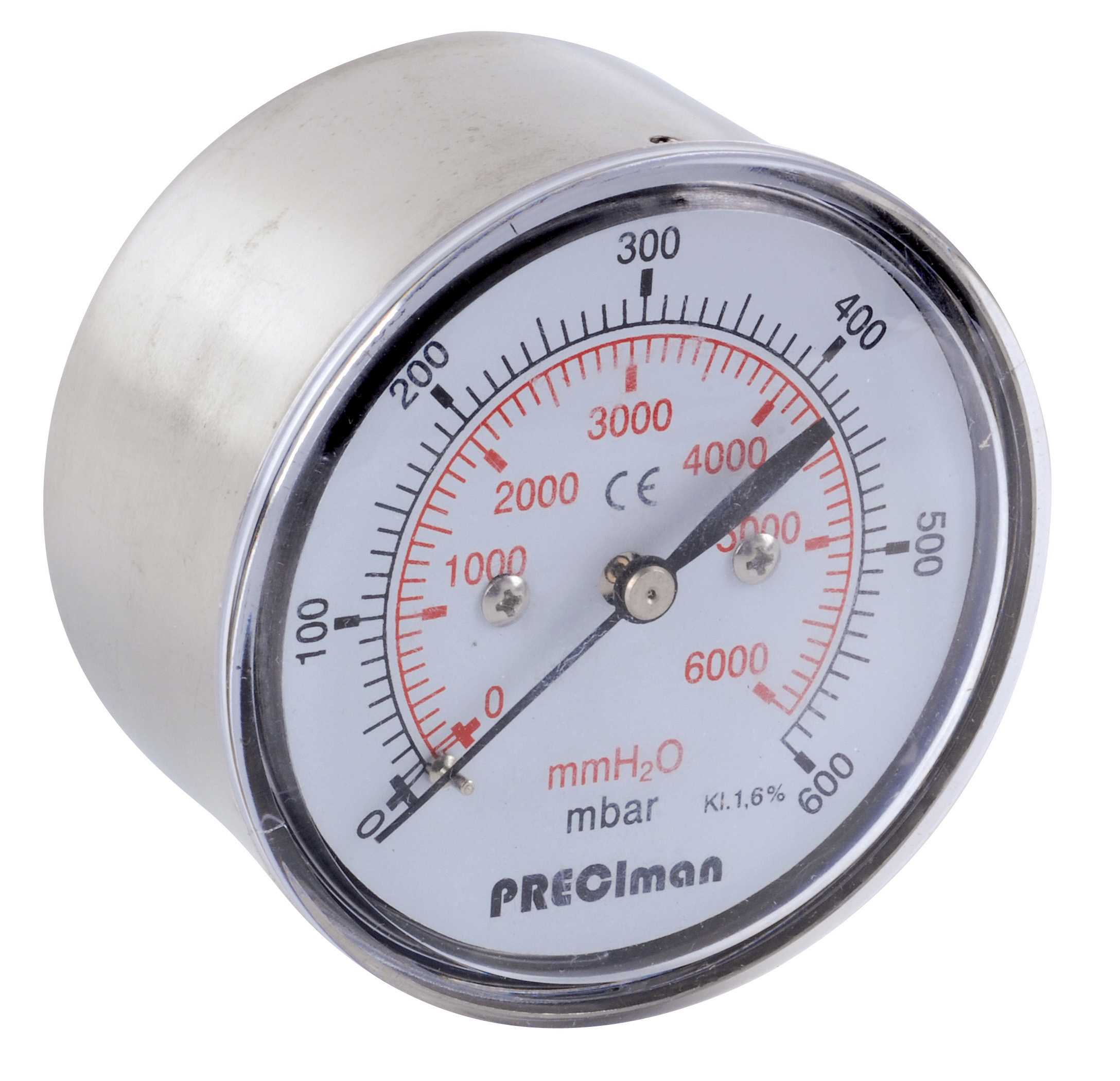
The CBM ROS manometer series exemplifies the range of specifications available for Singapore industrial operations. Low-pressure applications—such as pneumatic systems operating below 400 mbar—utilize instruments like the CBM Stainless steel axial manometer D63 0/+400Mbar G1/4 . This 63mm dial size delivers ±1.6% accuracy suitable for process monitoring in compressed air networks, vacuum systems, and low-pressure fluid circuits. The 1/4" G connection (NPT/ISO standard) integrates seamlessly with industrial piping infrastructure. Axial configurations position the connection at the instrument's rear, optimizing panel mounting and minimizing space requirements in control cabinets—a practical consideration in Singapore's densely utilized industrial facilities.
Medium to high-pressure applications require different engineering approaches. The CBM Glycerin Manometer All Stainless Vertical D63 0/+250bar G1/4 demonstrates how liquid damping and enhanced materials address demanding conditions. Operating to 250 bar (3,625 psi), this instrument suits hydraulic systems, high-pressure testing equipment, and industrial boilers common in Singapore's petrochemical and manufacturing sectors. The glycerin fill provides dual benefits: pulsation damping reduces needle flutter in systems with reciprocating pumps or frequent pressure cycling, while the sealed environment protects the mechanism from humidity—critical in tropical climates where uncovered gauges deteriorate rapidly.
Material selection reflects application-specific requirements. Instruments with copper alloy wetted parts suit clean, non-corrosive media—suitable for pharmaceutical water systems and food processing applications using distilled or deionized fluids. All-stainless constructions become essential when measuring corrosive chemicals, salt-laden air exposure, or aggressive industrial fluids. Connection thread standards (G1/4, G1/2) must align with existing system ports to avoid installation complications and ensure proper sealing.
Dial size selection balances readability with installation constraints. 63mm (2.5") diameters fit compact spaces and standardized panel cutouts. Larger 100mm and 150mm formats improve readability from distance and suit applications requiring operator visibility across production floors. Singapore's compact industrial spaces often favor 63-100mm instruments that deliver adequate visibility while minimizing footprint.
Complementary Gas Detection Integration
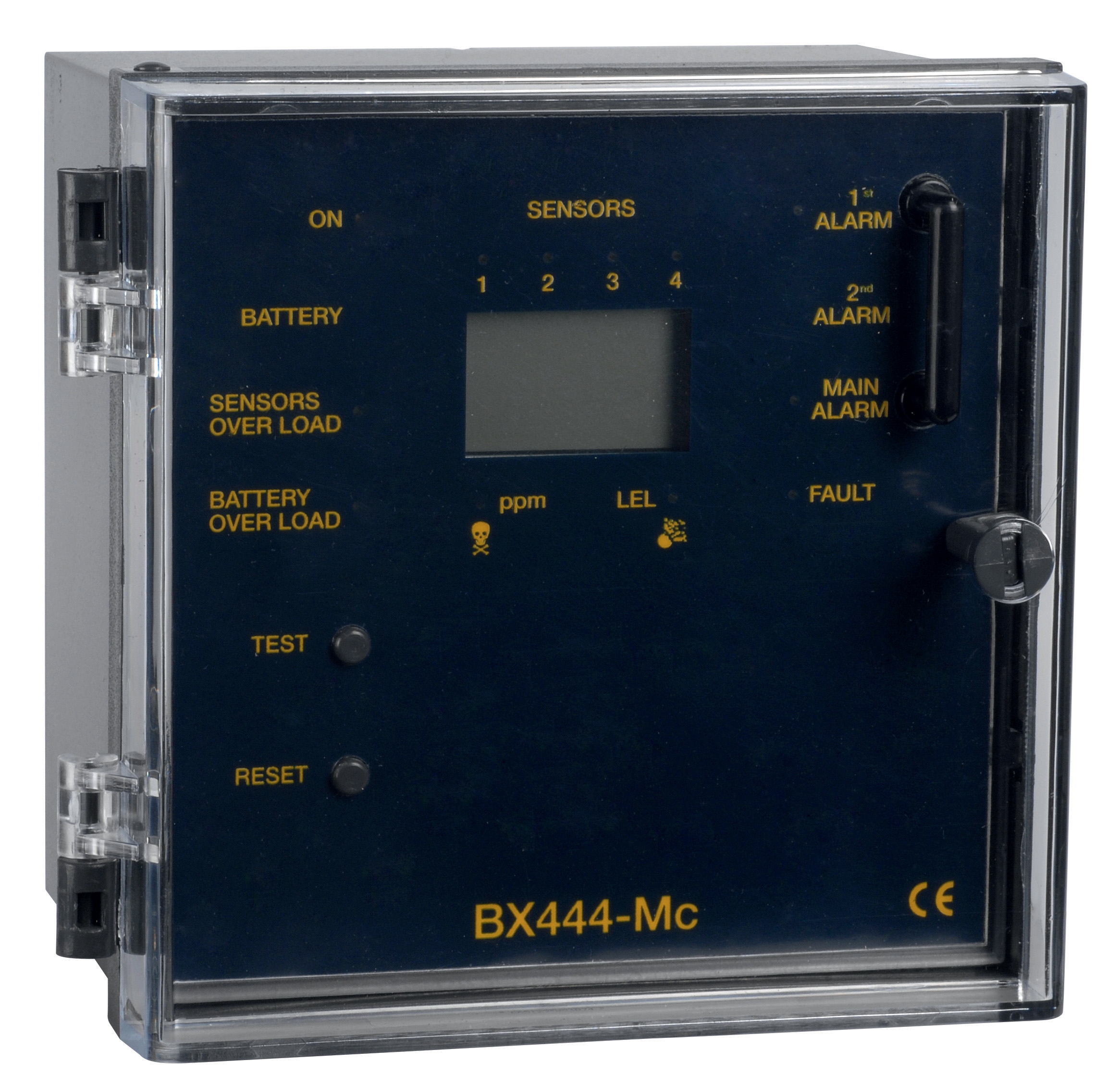
Industrial safety in Singapore increasingly demands integrated approaches combining pressure measurement with environmental monitoring. While manometers quantify system pressures, gas detection systems monitor for hazardous leaks—creating comprehensive facility protection. The CBM Detection unit 4 probes exemplifies this integration: a 4-zone control unit detecting combustible and toxic gases across multiple facility areas. Industrial installations combining pressure-critical systems with explosive or toxic gas risks—refineries, chemical plants, semiconductor manufacturing—benefit from this dual-sensor approach.
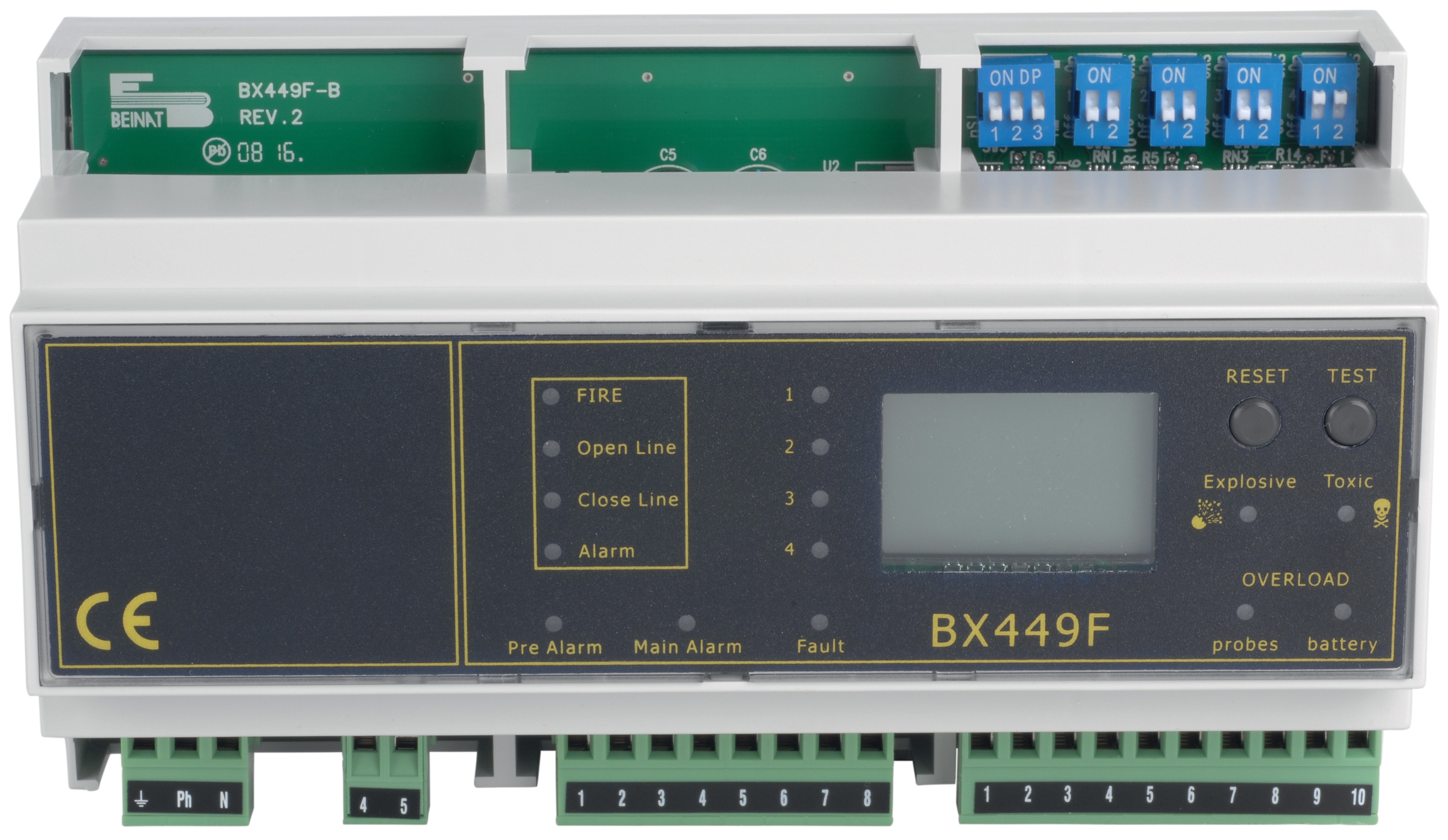
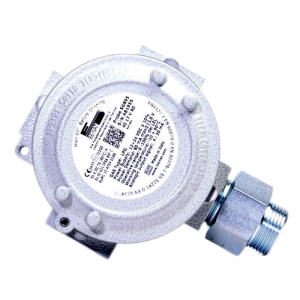
The CBM Gas detection center Din rail 4 probes extends this capability to modular, scalable architectures. Unlike standalone detection, this system integrates into industrial control frameworks via DIN rail mounting, enabling centralized monitoring alongside pressure data. ATEX-certified probes like the CBM Atex diesel probe address Singapore's petrochemical and fuel handling operations where explosive atmospheres pose genuine hazards. Catalytic sensors detect flammable gases at 10-20% LEL (Lower Explosive Limit), providing early warning before dangerous concentrations develop.
This integrated approach matters practically: a pressure gauge detects a system rupture through pressure loss, while a gas detector simultaneously alerts operators to escaped fuel or chemical vapor. Combined, they provide redundant safety confirmation—particularly valuable in unmanned or remote monitoring scenarios common in Singapore's industrial parks.
Real-World Application Examples Across Singapore Industries
Semiconductor Manufacturing: Precision cleanroom operations require ultra-reliable pressure monitoring across multiple subsystems—purge gas lines, vacuum chambers, and specialty gas delivery networks. Low-pressure manometers (0-25 mbar range) verify proper cleanroom pressurization, preventing contamination ingress. All-stainless construction prevents corrosion from specialty gases (silane, phosphine) that attack standard materials. Glycerin damping absorbs vibrations from mechanical pumps, maintaining readable displays despite equipment-induced oscillation.
Petrochemical Processing: Refinery and chemical plants operate high-pressure systems (100-400+ bar) handling aggressive, corrosive fluids. Stainless steel glycerin-filled manometers provide reliable indication despite pulsating pump discharge pressures and chemical exposure. Multiple gauges at different system points create pressure profile monitoring—identifying restrictions, leaks, or equipment degradation. Integration with gas detection catches leaks before pressure alone reveals damage.
Pharmaceutical Water Systems: Purified and WFI (Water for Injection) distribution systems require clean, non-corrosive pressure monitoring. Instruments with copper alloy wetted parts avoid unnecessary stainless steel costs while delivering reliability. Accurate pressure trending (within ±1.6%) ensures consistent filtration and heat exchanger performance, critical for batch consistency and regulatory compliance.
Industrial Compressed Air: Singapore's many automotive, food processing, and packaging facilities depend on compressed air networks. Pilot-stage pressure reduction requires accurate low-pressure indication (0-25 mbar) using green vertical manometers that fit standard control panels. Economical, durable designs enable installation at multiple circuit points without excessive capital expense.
Selection Criteria and Best Practices for Industrial Environments
1. Pressure Range Specification: Select instruments rated for 25-75% of maximum system pressure under normal operation. A 400 mbar gauge used at 80 mbar provides better accuracy and longer lifespan than one pushed to 300 mbar. Consider peak pressures during transients, pump startup, or emergency conditions—specify 10-20% safety margin above anticipated maximums.
2. Fluid Media Compatibility: Verify that instrument wetted materials resist the measured fluid. Non-corrosive pneumatic systems tolerate copper alloys; aggressive chemicals or moist compressed air demand stainless steel. Glycerin fill proves invaluable where media moisture or pulsation exists.
3. Environmental Factors: Singapore's tropical humidity, coastal salt air, and temperature variations require sealed stainless steel construction in most installations. Unheated outdoor or semi-exposed locations demand glycerin fill for vibration damping and environmental protection.
4. Accuracy and Application Matching: ±1.6% accuracy suffices for equipment protection and process monitoring. Higher-accuracy instruments (±0.6%) cost significantly more and suit only precision applications requiring tighter control.
5. Connection and Mounting: Confirm thread standards (NPT vs. ISO), and select axial (rear connection) or radial (side connection) configurations based on panel layout and accessibility requirements.
Conclusion: Reliable Pressure Measurement as Operational Foundation
Selecting the appropriate manometer transcends simple product specification—it requires integrating pressure range requirements, fluid compatibility, environmental durability, and operational reliability into a coherent instrumentation strategy. For Singapore's industrial facilities operating across diverse sectors, stainless steel construction with appropriate damping provides cost-effective long-term performance. Whether monitoring low-pressure pneumatic systems with basic capsule gauges or managing high-pressure hydraulic networks with glycerin-damped instruments, proper selection ensures accurate readings, extended instrument life, and confident operational oversight.
3G Electric has distributed quality industrial measurement equipment throughout Singapore since 1990, with deep expertise in specification matching and application support. Explore our complete measurement and detection range, or contact our technical team to discuss your specific pressure monitoring requirements. Our specialists can recommend instruments tailored to your system conditions, fluid media, and accuracy needs—ensuring your facility gains reliable, durable pressure indication for years of dependable service.