Gas Valves & Regulation in Singapore: A Complete Application Guide for Industrial Burners
Gas valve regulation is critical to safe, efficient industrial combustion systems. Whether you're operating a high-capacity industrial burner or managing a modular gas train, proper valve selection ensures optimal performance, safety compliance, and operational reliability. In Singapore's demanding industrial environment, understanding gas valve technologies—including solenoid valves, pressure regulation mechanisms, and control coils—is essential for maintenance professionals, facility managers, and equipment integrators. This guide covers the technical fundamentals, product specifications, and practical selection criteria to help you implement gas valves and regulation systems that meet your industrial needs.
Understanding Gas Valve Regulation Fundamentals
Gas valve regulation systems manage gas flow, pressure, and combustion safety across industrial applications. These systems typically consist of three functional layers: isolation (on/off control), modulation (flow adjustment), and protection (overpressure relief and safety shutdown). The regulation system must respond dynamically to changing load demands while maintaining stable pressure differentials across the valve.
Solenoid valves form the backbone of modern gas regulation architecture. These electromechanical devices use electromagnetic coils to control valve closure and opening, enabling remote operation and integration with burner management systems. Solenoid valve operation depends on two critical parameters: voltage supply (typically 12V AC/DC, 24V AC, or 230V AC) and pressure differential ratings (commonly ranging from 200 mbar to 6 bar for industrial applications).
The pressure differential rating determines how much pressure difference the valve can overcome to function reliably. Industrial burners operating at high capacities—such as units generating 630 kW or higher—require regulation systems with robust pressure handling capabilities. The valve's flow coefficient (CV value) indicates the flow capacity at a standardised pressure drop; higher CV values support greater gas throughput without excessive pressure loss.
In Singapore's industrial sector, gas regulation compliance extends beyond performance to include adherence to international safety standards such as EN161 (gas safety shut-off valves) and CE certification requirements. Proper regulation prevents flame failures, reduces emissions, and protects downstream equipment from pressure spikes. The modulation principle—gradual flow adjustment during load changes—prevents sudden combustion instabilities and extends equipment lifespan.
Technical Specifications of Industrial Gas Valve Products
Understanding product specifications is essential for matching gas valves to your application requirements. Let's examine key models that represent the range of industrial regulation solutions available in Singapore.
Pressure Range and Voltage Configurations
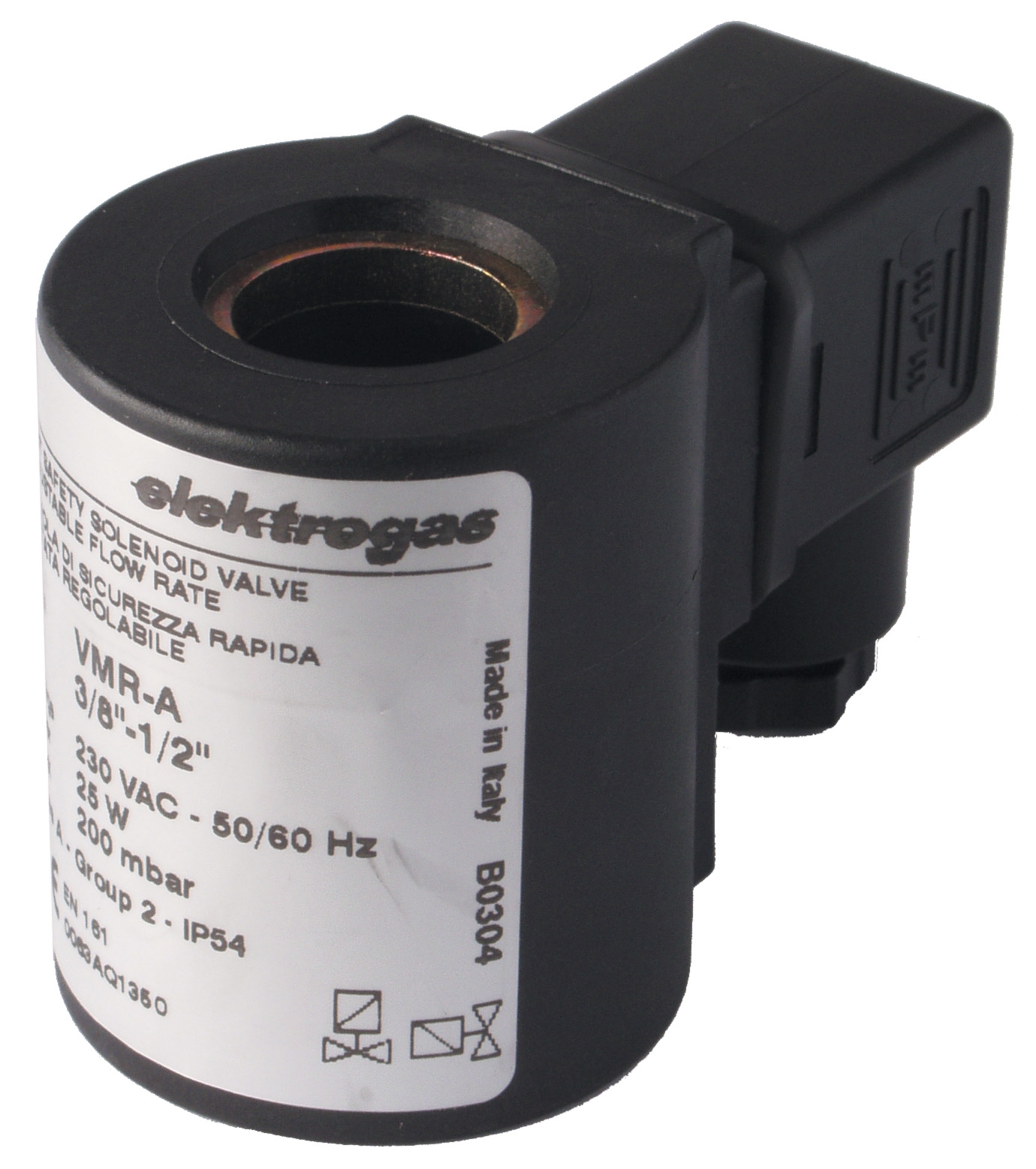
The CBM Coil 1930.3100 230V EVRMNCOT exemplifies mid-range industrial regulation capacity. Operating at 230V AC with 8W power consumption, this unit handles pressure differentials from 600 mbar to 6 bar, making it suitable for modulating control in systems where supply pressure varies significantly. The 3/8" to 1" connection range accommodates multiple pipeline architectures.
For lower-voltage installations requiring AC/DC flexibility, the CBM Coil 1930.3700 12V AC/DC EVRMNCOT provides equivalent pressure handling (600 mbar–6 bar) with dual-voltage capability. Its 22W power specification supports rapid coil energization, enabling precise modulation response. This configuration proves invaluable in control systems where 12V DC power availability is standard.
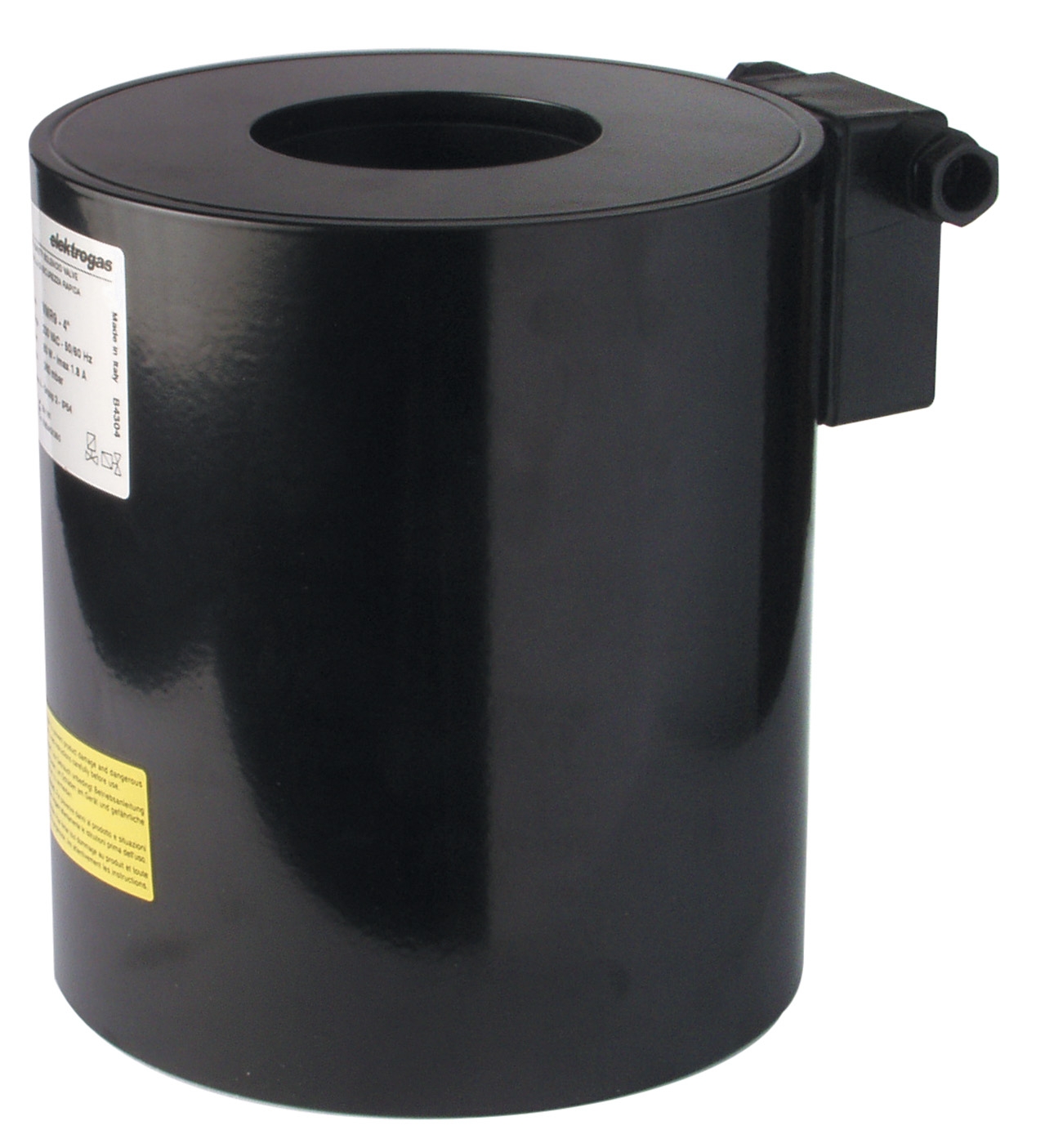
The CBM Coil 1930.1814 230V VML represents low-pressure regulation specialization. Designed for 200 mbar applications with 2½" to 3" connections, this unit serves smaller-capacity systems or applications requiring high-volume flow at minimal pressure differential. Its design minimizes pressure drop across the valve, critical for burners operating near atmospheric conditions.
High-Capacity Burner Integration
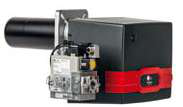
The FBR X GAS XP 60 CE TC EVO burner demonstrates how regulation systems scale for industrial applications. This unit produces up to 630 kW maximum capacity with a 250 mm nozzle, requiring regulation architecture capable of handling substantial gas volumes while maintaining precise pressure control across the 232–630 kW operating range. Three-phase electrical supply (specified as electrical supply: 3) indicates high-capacity industrial infrastructure integration.
For control systems requiring 24V AC operation, the CBM Coil 24V AC for ELV7 series provides standardized low-voltage compatibility across multiple solenoid valve models, simplifying installation and replacement protocols in facilities with 24V control busses.
Real-World Application Examples in Singapore
Industrial gas regulation in Singapore spans diverse applications, each presenting unique technical challenges.
Food Processing and Heat Treatment
Large-scale industrial ovens and thermal processing equipment frequently operate at 200–400 kW capacity, requiring regulation systems that maintain stable combustion across extended operational cycles. A typical installation uses the 230V EVRMNCOT coil configuration paired with modulating valves, enabling burner turndown ratios of 4:1 or higher. The 600 mbar–6 bar pressure handling accommodates supply variations common in municipal gas infrastructure while preventing pressure spikes during startup sequences.
High-Capacity Ceramic and Glass Manufacturing
Facilities producing ceramic tiles or glass containers operate burners in the 500–630 kW range, such as the FBR XP 60 specification. These applications demand regulation systems with rapid response characteristics and robust overpressure protection. The three-phase electrical configuration ensures independent operation of multiple burner stages, with each stage having dedicated regulation and control logic. Pressure differential ratings of 6 bar accommodate the high-velocity gas requirements at maximum capacity.
Pharmaceutical and Chemical Drying
Precision temperature control in pharmaceutical manufacturing requires solenoid valves with minimal hysteresis and tight pressure regulation. Low-pressure systems using 200 mbar VML configurations deliver the gradual flow modulation necessary for maintaining setpoint temperatures within narrow tolerances, protecting sensitive product quality.
Selection Criteria and Best Practices for Gas Valve Regulation
Pressure Differential Analysis
Calculate your system's pressure differential by subtracting outlet pressure from inlet pressure. Select valves with ratings exceeding your maximum expected differential. For example, a 6 bar-rated valve suits systems with 1–4 bar supply and 0–2 bar outlet, providing safety margin. Never operate valves below 10% of their rated differential, as response becomes sluggish.
Electrical Supply Compatibility
Verify your facility's available power: 230V AC (single-phase, most common in Singapore), 12V AC/DC (control circuits), or 24V AC (standardized industrial control). Match coil voltage precisely; mismatched voltage causes coil failure or unreliable operation. Consider installing voltage stabilizers if your facility experiences supply fluctuations exceeding ±10%.
Flow Capacity and Turndown Ratio
Calculate required flow capacity based on maximum fuel consumption: Flow (m³/h) = Burner capacity (kW) ÷ Gas calorific value (typically 10 kWh/m³). Select valve CV ratings supporting this flow with acceptable pressure drop (typically 100–200 mbar at maximum flow). Ensure turndown capability meets your minimum operating load; most burners require 3:1 to 4:1 turndown for stable modulation.
Maintenance and Compliance
Establish quarterly inspection schedules for solenoid coils and valve seats. Singapore's humid tropical climate accelerates corrosion; protect outdoor installations with weatherproof enclosures. Verify compliance with EN161 and local Singaporean safety standards. Document all regulation system modifications in your facility's equipment records.
Conclusion and Next Steps
Selecting appropriate gas valves and regulation systems requires matching technical specifications to your burner capacity, supply infrastructure, and operational requirements. From low-pressure 200 mbar systems to high-capacity 6 bar configurations, the variety of solenoid coil options—whether 12V DC, 24V AC, or 230V AC—ensures compatibility with Singapore's diverse industrial electrical standards.
Whether you're upgrading existing burner regulation, commissioning new high-capacity equipment, or troubleshooting pressure control issues, 3G Electric's inventory of CBM solenoid coils and FBR burner systems provides engineered solutions backed by technical expertise. Our team has served Singapore's industrial sector since 1990, delivering reliable gas regulation equipment and application support.
Ready to optimize your gas valve regulation system? Contact 3G Electric today to discuss your specific requirements, arrange technical consultations, or request product recommendations for your industrial burner application. Our specialists understand Singapore's industrial environment and can help you select regulation systems that ensure safe, efficient combustion performance.