Gas Valves & Regulation in Industrial Applications: A Technical Guide for Singapore Operations
Gas valve regulation is fundamental to safe and efficient industrial operations across Singapore's manufacturing, food processing, and facility management sectors. Whether you operate a commercial kitchen, industrial oven, boiler system, or large-scale heating plant, understanding how gas valves control fuel flow and maintain system pressure is critical for safety, compliance, and operational efficiency. This guide provides industrial professionals with the technical knowledge needed to select, install, and maintain gas regulation systems that meet Singapore's rigorous safety standards and your facility's specific performance requirements.
Understanding Gas Valve Regulation Fundamentals
Gas valve regulation systems perform two essential functions: controlling the on/off flow of gas to burners and maintaining precise pressure throughout the system. Regulation operates on the principle of pressure differential—the difference between upstream and downstream pressure. When this differential reaches the valve's rated threshold, the valve opens or closes automatically, ensuring consistent fuel delivery regardless of downstream demand fluctuations.
Industrial gas regulation typically employs three primary valve types. Solenoid valves use electromagnetic coils to control gas flow, offering rapid switching and precise timing ideal for burner ignition and flame modulation. Pressure regulators maintain constant outlet pressure by sensing and responding to pressure changes, essential for multi-burner systems where consistent performance across all burner stations is required. Safety shut-off valves provide fail-safe protection by immediately closing gas supply during abnormal conditions, complying with EN161 and other international safety standards.
The pressure differential range—typically expressed in mbar or bar—defines the valve's operational envelope. A gas valve rated for 600mbar-6bar operation, for example, maintains regulation effectiveness across that entire pressure span. This specification becomes critical when sizing valves for systems with varying demand profiles, such as industrial kitchens with multiple burner stations operating at different loads simultaneously.
Modern industrial gas systems in Singapore operate under strict regulations requiring dual safety features. This typically involves a main safety shut-off valve combined with a pilot-operated safety valve, creating redundancy that meets both local safety codes and international standards. The solenoid coil—the electromagnetic component that energizes the valve—must be precisely matched to system voltage (230V, 24V AC, or 12V AC/DC) and power consumption specifications to ensure reliable operation within your facility's electrical infrastructure.
Technical Specifications and Product Application
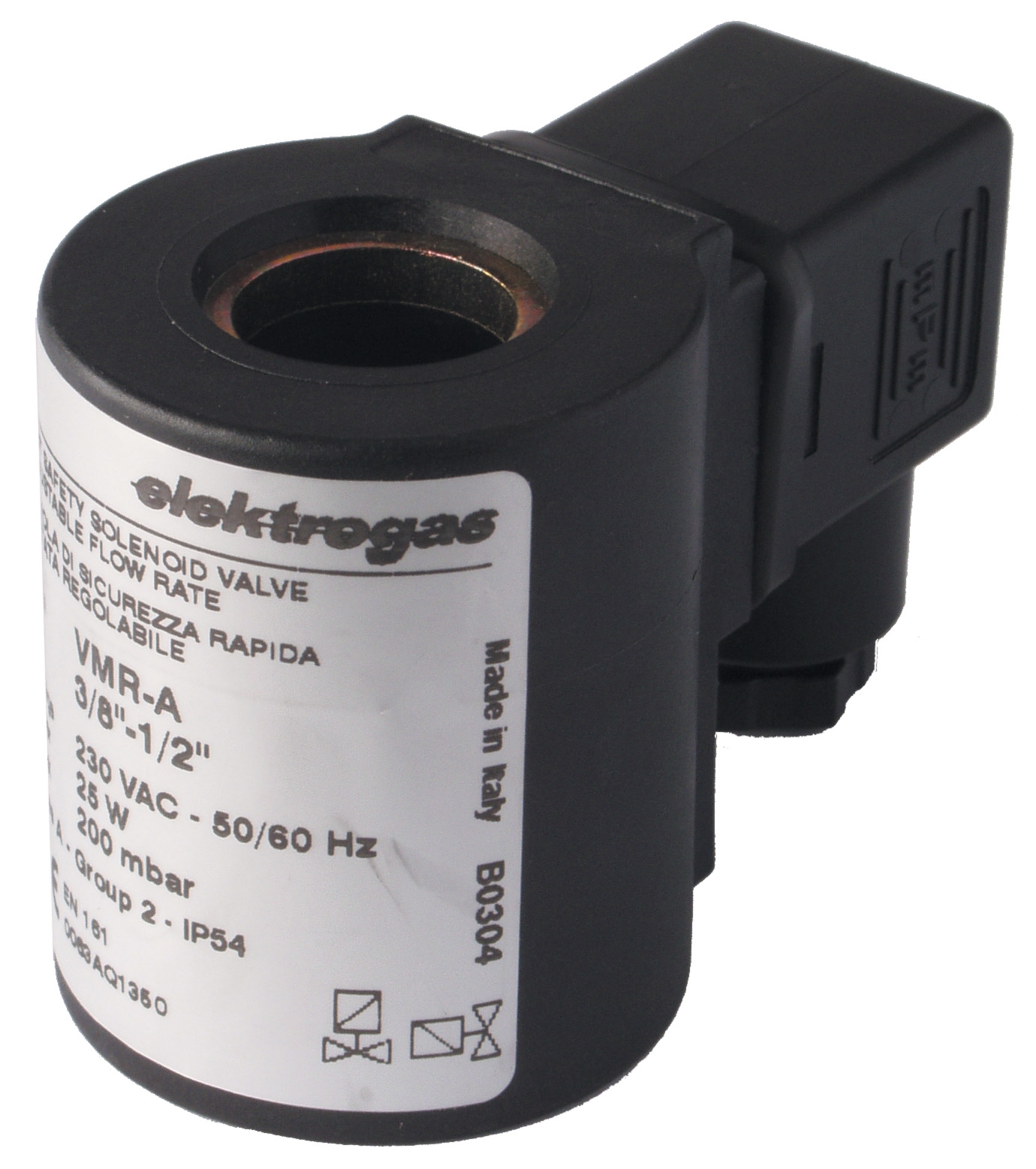
When evaluating gas regulation equipment for your facility, several technical parameters directly impact system performance and safety. The pressure rating defines the maximum operating pressure the valve can safely handle. For example, the CBM Coil 1930.3100 230V EVRMNCOT is rated for 600mbar-6bar operation across 3/8" to 1" ports, making it suitable for mid-range industrial burner applications. This same coil specification (8W power consumption at 230V) helps facility managers calculate electrical load requirements when installing multiple valve stations.
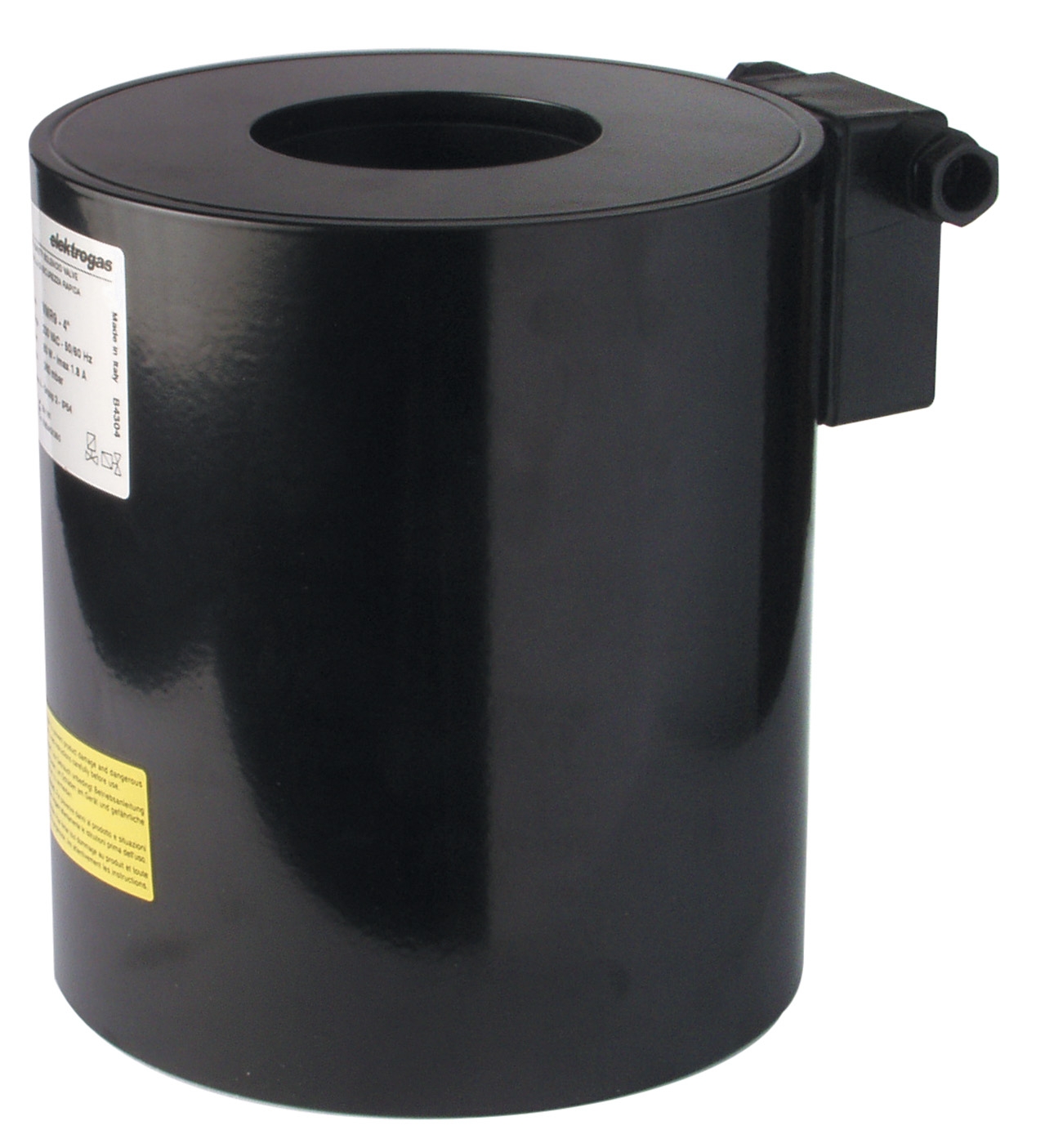
Low-pressure applications require different specifications. The CBM Coil 1930.1814 230V VML is specifically designed for 200mbar maximum pressure with larger 2½" to 3" orifices, ideal for lower-pressure natural gas distribution systems common in Singapore's commercial food service and institutional facilities. The larger orifice diameter enables higher flow rates at lower pressures—a critical consideration when feeding multiple burners from a single regulation point.
Voltage selection represents another crucial specification. Most facilities operate standard 230V three-phase electrical systems, which suits the CBM 230V coil options. However, facilities with distributed control systems or emergency backup requirements may need 12V or 24V AC options. The CBM Coil 1930.3700 12V AC/DC EVRMNCOT provides flexibility for systems requiring low-voltage control circuits, including those with battery backup capability—a consideration for safety-critical applications.
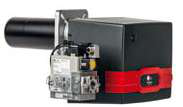
For high-capacity industrial burners, the FBR X GAS XP 60 CE TC EVO represents enterprise-grade equipment. This burner achieves 630 kW maximum output with a 250mm nozzle, operating on three-phase electrical supply and integrating complete combustion control with gas valve regulation. The 232-630 kW power range demonstrates the capability to modulate flame intensity across nearly 3:1 turndown ratio—essential for maintaining efficiency across varying heating demands throughout the operational day.
Real-World Application Examples in Singapore
Commercial Kitchen Operations: A multi-station institutional kitchen requires simultaneous operation of six to eight burner positions with independent flame control. Rather than sizing a single large regulator, facility engineers typically install individual safety shut-off valves and solenoid pilot valves at each burner station, fed by a main pressure regulator. This distributed approach allows chefs to operate burners independently while maintaining consistent flame characteristics and rapid response to load changes. The CBM 230V coil options integrate seamlessly with kitchen control systems that operate on standard facility voltage.
Industrial Oven Operations: Large commercial baking or industrial heating ovens require precise temperature maintenance across multiple heating zones. Each zone receives gas through a separate solenoid valve controlled by oven thermostats. The FBR X GAS XP 60 burner with integrated regulation provides the 232-630 kW range needed to match oven output to actual temperature requirements. This modulating capability reduces fuel consumption while maintaining product quality—particularly critical in Singapore's competitive food manufacturing sector where utility costs significantly impact margins.
Facility Boiler Systems: Central heating plants serving office towers, hospitals, or manufacturing facilities employ boiler-mounted burners with integrated combustion controls. These systems typically use high-pressure gas supplies (3-6 bar) with safety regulation meeting EN161 compliance. The CBM high-pressure coils rated for 600mbar-6bar operation are engineered specifically for this application, with fail-safe design ensuring the burner shuts down immediately if system pressure deviates from normal operating range.
Selection Criteria and Best Practices
Begin valve selection by identifying your system's maximum operating pressure and required flow rate. Pressure determines which coil and valve body combination you need—low-pressure systems (under 500mbar) require different components than high-pressure installations. Flow rate, expressed as CV value (coefficient of flow), must be sized so the valve operates in its optimal range—typically between 25-75% of maximum rated flow—to ensure responsive control and acceptable pressure drop.
Voltage compatibility requires explicit verification. Confirm whether your facility provides 230V single-phase, 230V three-phase, 24V control circuits, or 12V emergency backup systems before selecting coil voltage. Mismatched voltage creates safety risks and voids warranty coverage. The CBM Coil 24V AC for ELV7 series serves dual-fuel or modular control architectures where 24V low-voltage logic circuits coordinate multiple gas and air supply valves.
Safety compliance in Singapore requires dual valve configurations meeting EN161 standards. Never size a single solenoid valve as your sole safety device—pair it with a mechanical pressure regulator or dual-outlet safety valve. Port size must accommodate required flow while minimizing pressure drop under full-load conditions; undersized valves create back pressure that reduces burner efficiency and increases fuel consumption.
Finally, consider maintenance accessibility. Specify coils and valve bodies with standardized connections allowing field replacement without complete system shutdown. CBM modular solenoid coil designs support this approach, enabling technicians to replace failed coils while leaving main valve bodies in service—reducing downtime during emergency repairs.
Ensuring Compliance and Long-Term Reliability
Singapore's industrial safety regulations require annual inspection and certification of gas systems operating above specific pressure thresholds. Ensure your selected valves come with complete technical documentation and pressure test certificates. Component traceability—knowing exact model numbers, coil specifications, and installation dates—simplifies future maintenance and certification documentation.
Gas valve regulation is not a one-time specification exercise but an ongoing operational commitment. Systems requiring modulation across variable loads benefit from regular coil inspection and cleaning, as electromagnetic debris accumulation can slow valve response time. Plan maintenance cycles aligned with seasonal demand patterns—for example, inspect heating system valves before winter peaks and kitchen ventilation hood valves before summer heat loads increase.
3G Electric has served Singapore's industrial sector since 1990, providing not just equipment but comprehensive technical expertise. Whether you're upgrading an existing burner system, designing new capacity, or troubleshooting regulation issues affecting operational efficiency, our team understands the practical requirements of Singapore's industrial environment. Explore our complete range of solenoid valves and regulation components, or review our industrial burner solutions to find the system specifications matching your facility's requirements.
Contact our technical team today to discuss your specific application requirements. We'll help you select gas valve and regulation systems that deliver safety, efficiency, and reliability for years of dependable operation.