Selecting the Right Gas Detection Probes for Industrial Applications in Singapore: A Technical Comparison Guide
Gas detection systems are critical safety infrastructure in Singapore's industrial sector, where chemical processing, petrochemical operations, and manufacturing facilities handle potentially hazardous substances daily. However, the effectiveness of any gas detection system hinges entirely on selecting probes appropriate for the specific gases present and the operating environment. This guide explores the technical criteria for probe selection, examines catalytic sensor technology, and demonstrates how to match detection solutions to real-world industrial scenarios. Whether you manage a small workshop or a large-scale production facility, understanding probe specifications and certification requirements ensures both regulatory compliance and worker safety.
Understanding Gas Detection Probe Technologies and Sensor Types
Gas detection probes function as the sensory organs of comprehensive detection systems, translating the presence of potentially dangerous gases into measurable electrical signals. The most widely deployed technology in industrial environments is catalytic bead sensing, which operates on a principle of oxidation-reduction reactions occurring on a heated platinum catalyst surface. When combustible gases contact the heated bead, they oxidize, generating heat that changes the electrical resistance of the sensor. This resistance change is quantified and displayed as a gas concentration reading.
Catalytic sensors excel at detecting a broad spectrum of combustible gases including hydrocarbons, hydrogen, and various volatile organic compounds. Their response time typically ranges from 10-30 seconds depending on gas concentration, making them suitable for early warning applications. However, catalytic sensors have important limitations: they cannot detect non-combustible toxic gases like carbon monoxide or chlorine, they require periodic calibration (typically every 6-12 months), and they can be poisoned by certain substances such as siloxanes or sulfur compounds.
For industrial facilities in Singapore handling diverse chemical inventories, this reality necessitates hybrid detection approaches. A single probe cannot provide comprehensive coverage across combustible and toxic gas categories simultaneously. This is why sophisticated detection centers employ multiple probe types working in concert, each optimized for specific gas families. Understanding these distinctions prevents the common mistake of installing a detection system that appears comprehensive but actually leaves dangerous blind spots in hazard coverage.
Regulatory compliance adds another layer of complexity. Facilities handling flammable gases in potentially explosive atmospheres must deploy ATEX-certified (Atmosphères Explosibles) equipment meeting EU Directive 2014/34/EU standards. ATEX certification confirms that equipment will not ignite explosive gas-air mixtures under normal or abnormal operating conditions. In Singapore's context, where many industrial operations follow European safety standards or serve export markets, ATEX compliance has become a de facto requirement even though it originates from EU legislation.
ATEX-Certified Detection Probes: Specifications and Application Matching
The CBM DTK series provides ATEX EX II 2G SG895-certified detection probes specifically engineered for hazardous area deployment. The ATEX diesel probe represents a category of specialized combustible gas detectors designed for petrochemical and fuel handling operations—critical applications in Singapore's refining and logistics industries. This probe utilizes catalytic sensor technology to detect petroleum vapors across concentration ranges from 0-100% lower explosive limit (LEL), with a response time of approximately 15 seconds to reach 90% of final reading.
Technical specifications for ATEX-certified probes typically include operating temperature ranges from -10°C to +50°C, which accommodates Singapore's tropical climate plus seasonal variations in air-conditioned industrial spaces. Sensor lifespan varies by gas exposure history but generally extends 3-5 years under normal operating conditions, after which sensors require replacement. Power consumption is modest—typically 50-100mA at 12-24VDC—enabling integration into standard industrial control systems without substantial electrical infrastructure modifications.
Installation of ATEX probes demands careful attention to positioning. Sensors must be placed in locations where target gases are likely to accumulate, considering the specific gravity of each gas. Lighter-than-air gases such as hydrogen and methane rise toward ceiling-mounted detection points, while heavier gases like propane and butane settle toward floor level. The CBM detection infrastructure supports this through modular configuration allowing probe placement at multiple heights and locations within a facility.
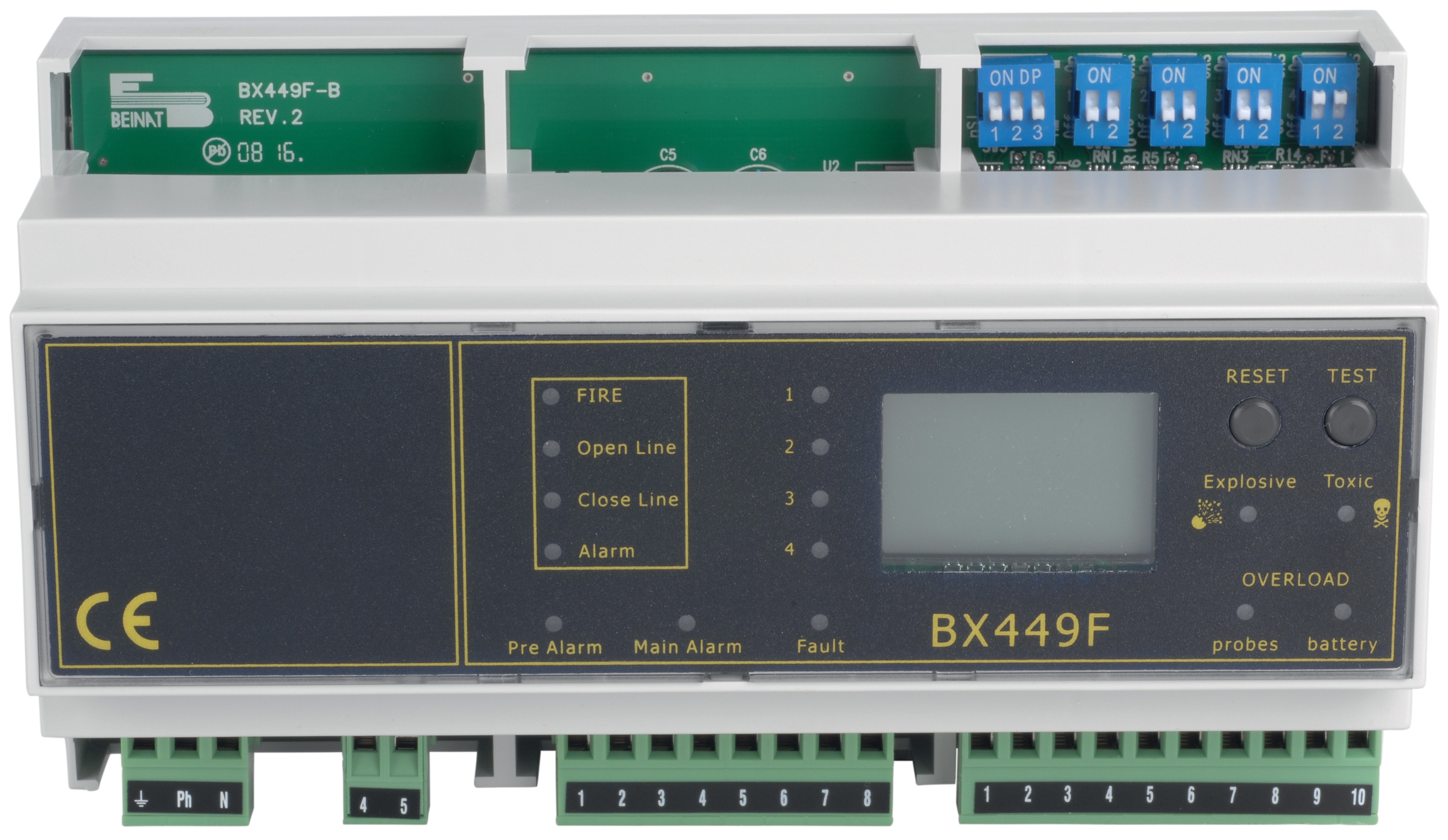
The Gas detection center with DIN rail mounting provides a 4-zone conventional detection platform capable of managing multiple probes across distributed locations. This modular approach enables facilities to scale detection coverage incrementally, adding zones as operations expand or new hazardous areas are identified. The DIN rail form factor ensures compatibility with standard industrial control cabinets, facilitating straightforward integration into existing safety infrastructure without requiring specialized installation frameworks.
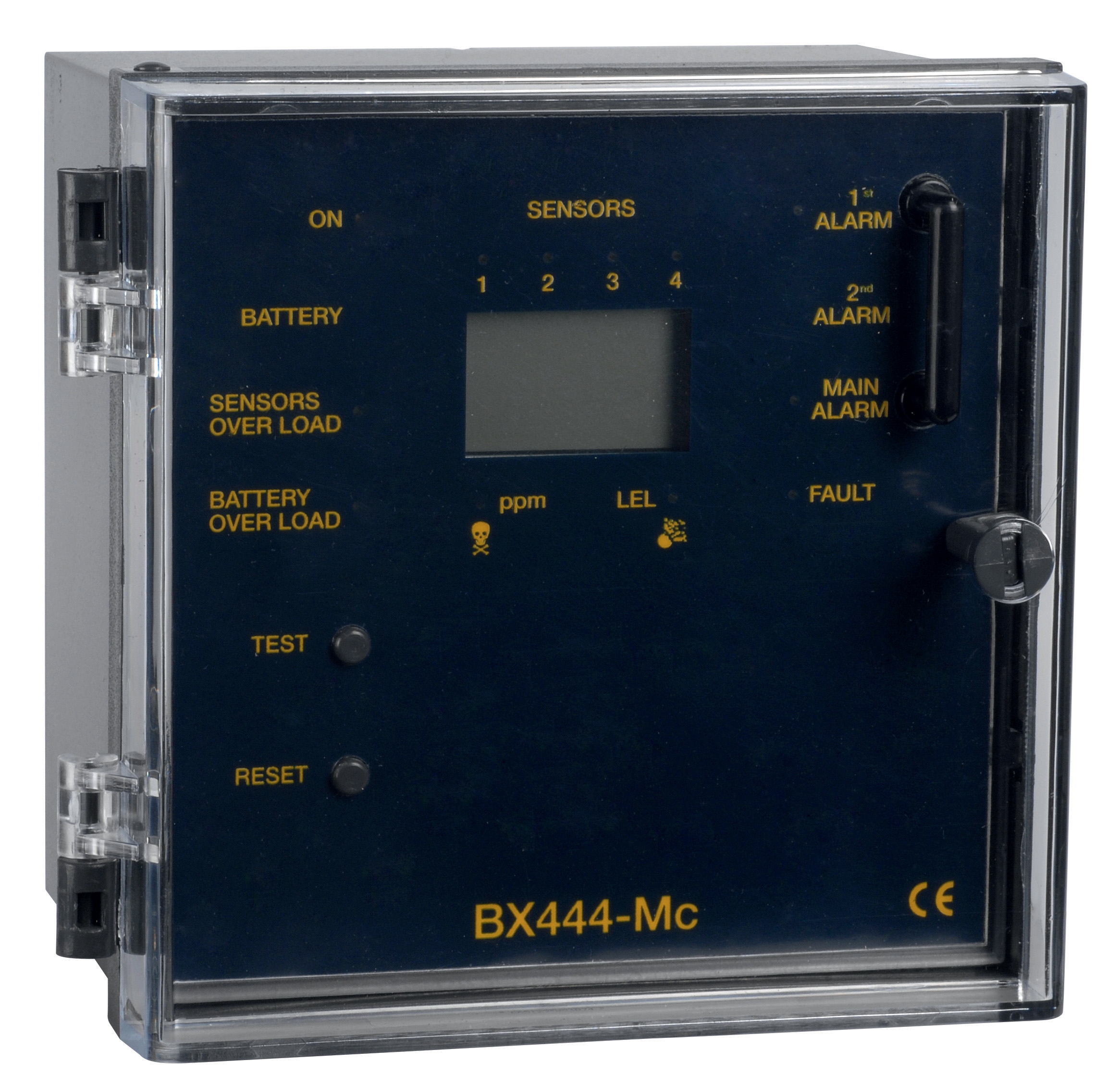
For facilities managing multiple combustible gas types, the Detection unit with 4 probes offers consolidated monitoring architecture. This conventional system manages four detection zones, each capable of supporting independent probe configurations. The modular design permits customization where one zone monitors diesel vapor, another tracks hydrogen, a third supervises propane detection, and the fourth provides backup or covers an additional hazardous area. This flexibility addresses the reality that few industrial operations present homogeneous gas hazards—refineries handle multiple hydrocarbon fractions simultaneously, petrochemical plants manage specialized chemical feedstocks, and manufacturing facilities increasingly incorporate alternative fuels like hydrogen in material handling equipment.
Real-World Application Scenarios in Singapore Industrial Facilities
Consider a typical scenario from Singapore's petrochemical sector: a mid-sized fuel storage and distribution facility managing diesel, gasoline, and liquefied petroleum gas (LPG) simultaneously. The facility operates storage tanks, transfer pump stations, and vehicle refueling infrastructure across a 5,000-square-meter site. Different gas hazards present at distinct locations: gasoline vapors accumulate in enclosed storage tank areas, diesel aerosol hazards concentrate near pump discharge points, and LPG risks are highest near cylinder storage and regulator stations.
A single-probe detection approach fails catastrophically in this scenario. Gasoline is lighter and rises toward ceiling-mounted sensors, while LPG is heavier and requires floor-level detection. A diesel-optimized probe may not provide adequate sensitivity for gasoline vapor concentrations. The technical solution involves deploying an ATEX-certified 4-probe detection system with probes positioned strategically: one near the gasoline storage tank ceiling, one at the diesel pump discharge, one near LPG cylinder storage at floor level, and one in the operations office as an early warning system for general facility hazards.
Another common application involves Singapore's manufacturing sector, where hydrogen-based processes are increasingly prevalent in advanced manufacturing and emerging fuel cell applications. Standard combustible gas detectors, while technically capable of sensing hydrogen, often provide less-than-optimal response characteristics for hydrogen-specific applications due to hydrogen's unique combustion characteristics and diffusion properties. Dedicated hydrogen detection systems provide faster response times and improved reliability in these specialized contexts.
A third scenario reflects Singapore's port and logistics operations: facilities handling imported chemical goods require detection systems capable of monitoring multiple unknown substances temporarily stored or transferred. The modular detection architecture permits rapid reconfiguration as cargo inventories change, with probes temporarily relocated to monitor specific hazardous areas as needed.
Selection Criteria and Implementation Best Practices
Gas Inventory Assessment: Begin by comprehensively documenting all gases present in your facility, including primary operational gases and incidental substances from processes or chemical reactions. Classify gases as combustible or toxic, as this determination fundamentally shapes probe selection.
ATEX Certification Verification: Confirm that all probes and detection centers carry appropriate ATEX certification (EX II 2G for gas-atmosphere applications). Request conformity declarations from your supplier and verify certification details with independent resources when managing high-consequence applications.
Spatial Distribution Planning: Map your facility identifying zones of highest gas concentration risk. Use gas gravity data to position ceiling-mounted probes for light gases and floor-level mounts for heavy gases. Maintain minimum spacing between probes—typically 10-15 meters—to ensure overlapping but non-redundant coverage.
Integration with Pressure Monitoring: Many industrial processes require concurrent pressure and gas monitoring. Precision manometers like the stainless steel axial manometer or glycerin manometer provide visual pressure indication complementing electronic gas detection data, creating redundant confirmation of system integrity.
Maintenance Planning: Establish calibration schedules and sensor replacement protocols documented in your facility's safety management system. Most industrial facilities in Singapore employ third-party calibration services maintaining traceability to international standards.
Conclusion and Next Steps
Selecting appropriate gas detection probes for your Singapore-based industrial facility requires technical knowledge spanning sensor technologies, ATEX certification requirements, gas physics principles, and facility-specific hazard mapping. The modular, ATEX-certified detection systems and specialized probes discussed in this guide—including the 4-zone DIN rail detection center and facility-specific ATEX probes—provide the technical foundation for comprehensive, compliant hazard detection infrastructure.
However, final selection requires consultation with professionals familiar with your specific operational context, local regulatory requirements, and facility layout. Contact 3G Electric's technical team today to discuss your gas detection requirements. Our specialists have supported Singapore's industrial sector since 1990, providing not only equipment supply but also application guidance ensuring your detection systems deliver genuine safety, not merely regulatory theater. We'll help you navigate probe selection, system configuration, and integration with complementary measurement and safety infrastructure.