Gas Detection Systems and Pressure Measurement: A Technical Guide for Industrial Safety in Singapore
Industrial safety in Singapore's manufacturing, chemical processing, and petrochemical sectors depends on two critical measurement technologies working in tandem: gas detection systems and pressure measurement instruments. These complementary technologies form the backbone of hazard monitoring across facilities ranging from small pneumatic systems to large-scale industrial plants. Understanding how these systems function, their technical specifications, and proper selection criteria is essential for facility managers, maintenance engineers, and safety professionals. This guide explores the technical fundamentals, real-world applications, and best practices for implementing effective measurement and detection solutions across your industrial operations.
Understanding Integrated Gas Detection and Pressure Measurement Systems
Gas detection and pressure measurement represent two distinct but equally critical measurement disciplines in industrial environments. Gas detection systems identify the presence of hazardous, toxic, or explosive gases before concentrations reach dangerous levels, while pressure measurement instruments monitor fluid and gas pressures across pneumatic and hydraulic systems. In modern industrial facilities, these technologies often operate as integrated safety ecosystems.
Gas detection systems function through multiple sensor technologies. Catalytic bead sensors detect combustible gases by measuring heat generated during oxidation reactions. Electrochemical sensors identify specific toxic gases like carbon monoxide or hydrogen sulfide through chemical reactions that produce measurable electrical signals. Infrared sensors detect hydrocarbons and other gases by measuring infrared radiation absorption. Detection units typically incorporate microprocessor-based control modules that aggregate signals from multiple probes, analyze data in real-time, and trigger alarms or automated shutdowns when thresholds are exceeded.
Pressure measurement instruments employ mechanical or electronic sensing principles. Bourdon tube gauges use curved metal tubes that straighten under pressure, mechanically driving needle indicators. Capsule gauges utilize sealed flexible diaphragms that respond to pressure differentials. Modern digital systems employ strain gauges or piezoelectric sensors that convert mechanical pressure into electrical signals. The accuracy of these instruments typically ranges from ±1.6% to ±2.5% of full-scale readings, depending on design and application requirements.
These measurement technologies address complementary safety concerns. Pressure instruments ensure pneumatic and hydraulic systems operate within design parameters, preventing dangerous overpressure conditions. Gas detection systems identify chemical hazards that pressure measurement cannot detect. Together, they create comprehensive monitoring coverage essential for industrial facilities managing multiple hazard categories simultaneously.
Technical Specifications and Product Solutions for Measurement and Detection
Modern measurement and detection equipment available through Singapore-based distributors like 3G Electric incorporates sophisticated engineering to meet demanding industrial requirements. Understanding the technical specifications of these systems ensures proper selection for specific applications.
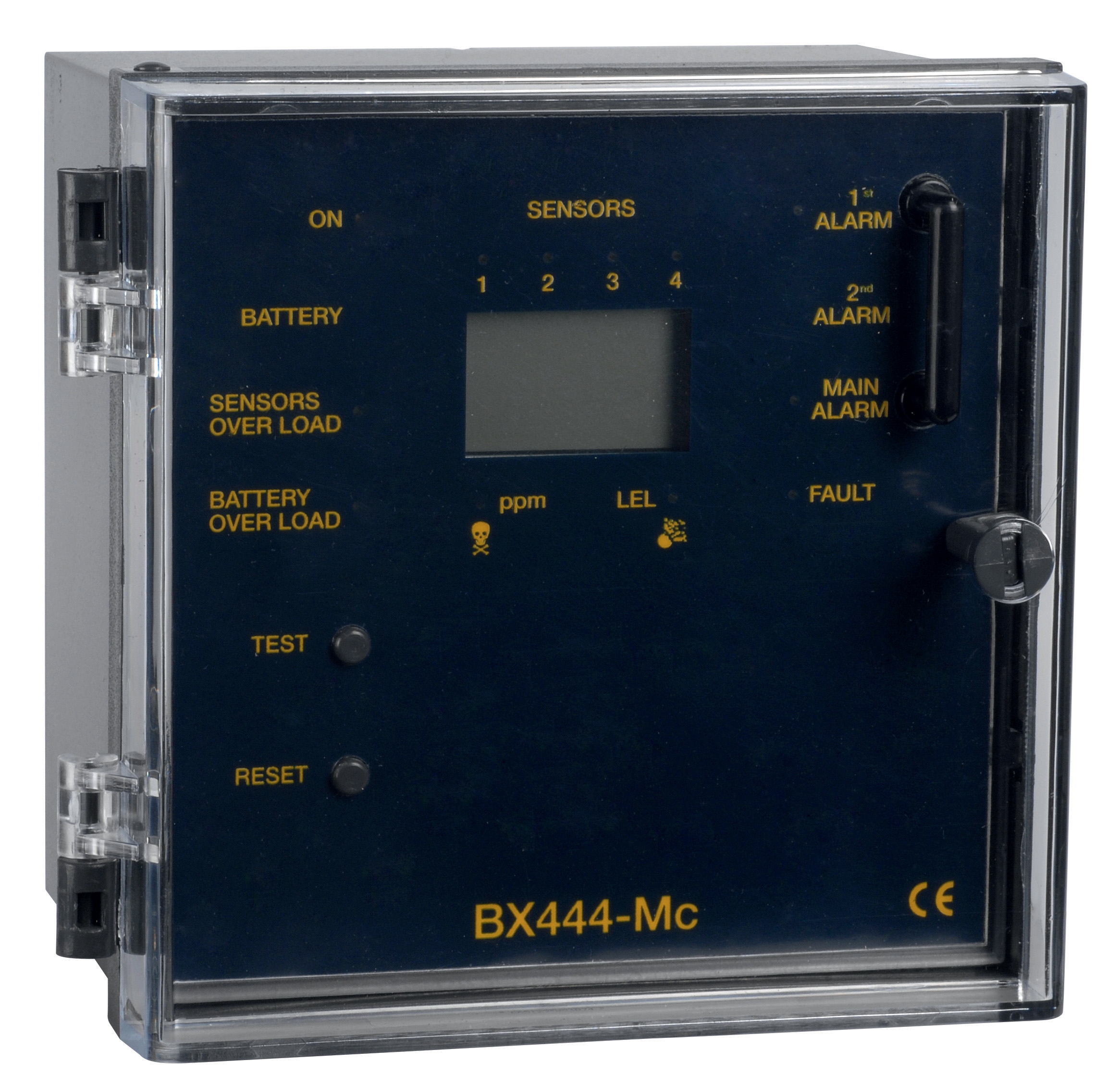
The CBM Detection Unit 4 Probes (DTK08006) represents a conventional gas detection control system designed for industrial environments. This unit conforms to EMC Directive 2014/30/EU and EN50270:2015 standards, ensuring electromagnetic compatibility in industrial settings with complex electrical environments. The system coordinates signals from up to four detection probes, providing modular zone-based monitoring. This architecture allows facilities to cover multiple risk areas—such as separate storage rooms, production zones, and equipment enclosures—with a single coordinated control system. The conventional design ensures straightforward installation and integration with existing industrial infrastructure.
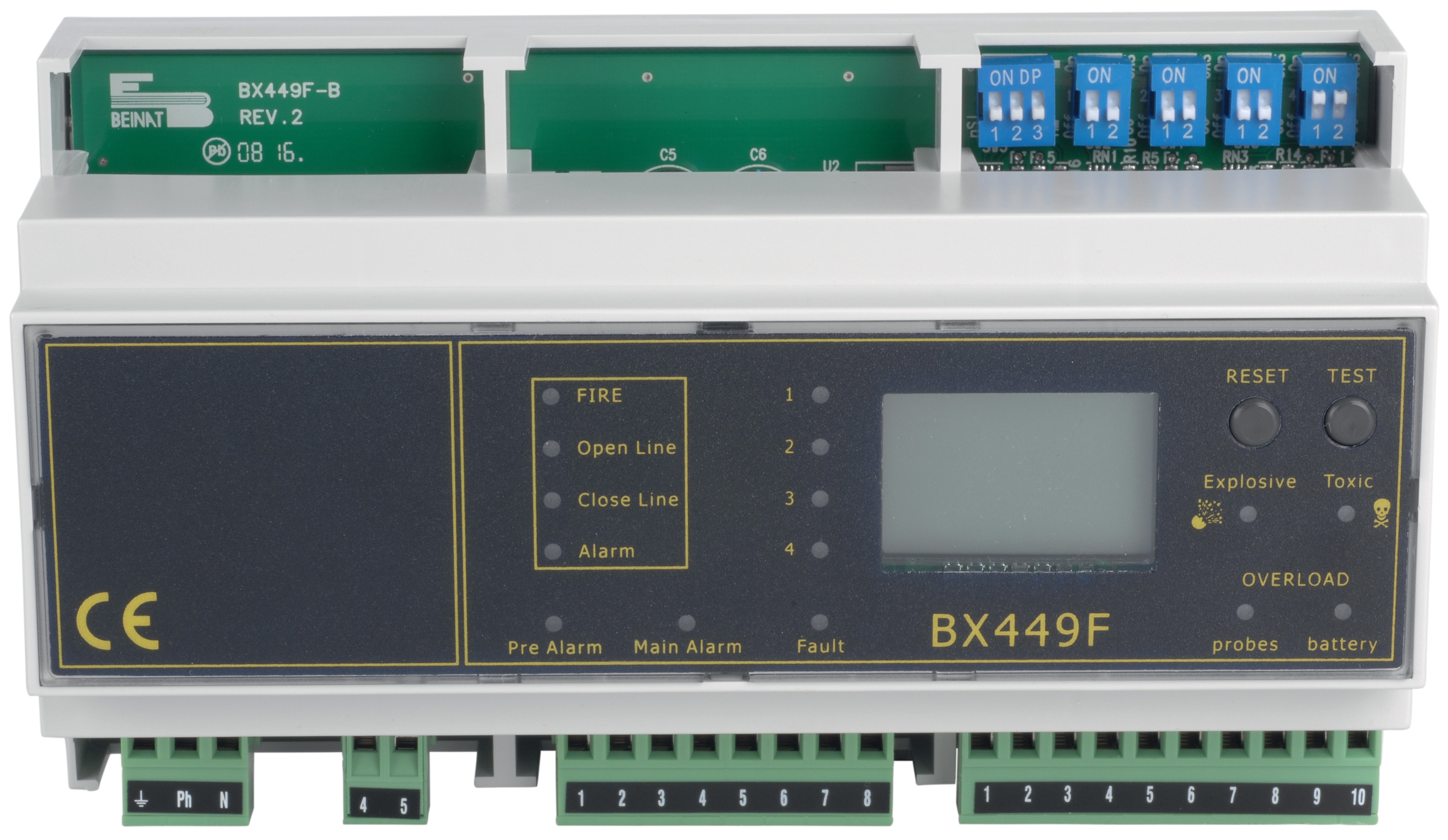
For enhanced flexibility, the CBM Gas Detection Center DIN Rail 4 Probes (DTK08014) provides a modular platform specifically engineered for industrial control panels. The DIN rail mounting standard allows seamless integration into existing electrical distribution systems common throughout Singaporean manufacturing facilities. This system supports both gas and fire detection probes on a single platform, consolidating multiple hazard monitoring functions. The modular architecture permits expansion as facility requirements evolve.
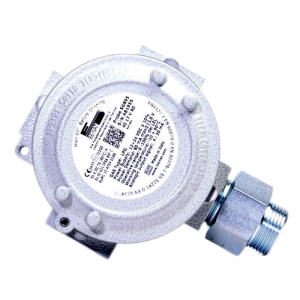
Specialized hazardous area applications require ATEX-certified equipment. The CBM ATEX Diesel Probe (DTK18012) represents certified detection capability for explosive atmospheres (ATEX EX II2 GD certification). Employing catalytic bead sensor technology, this probe detects combustible gases and vapors with proven reliability in hazardous locations. ATEX certification ensures compliance with European machinery and equipment directives applicable to multinational operations based in Singapore.
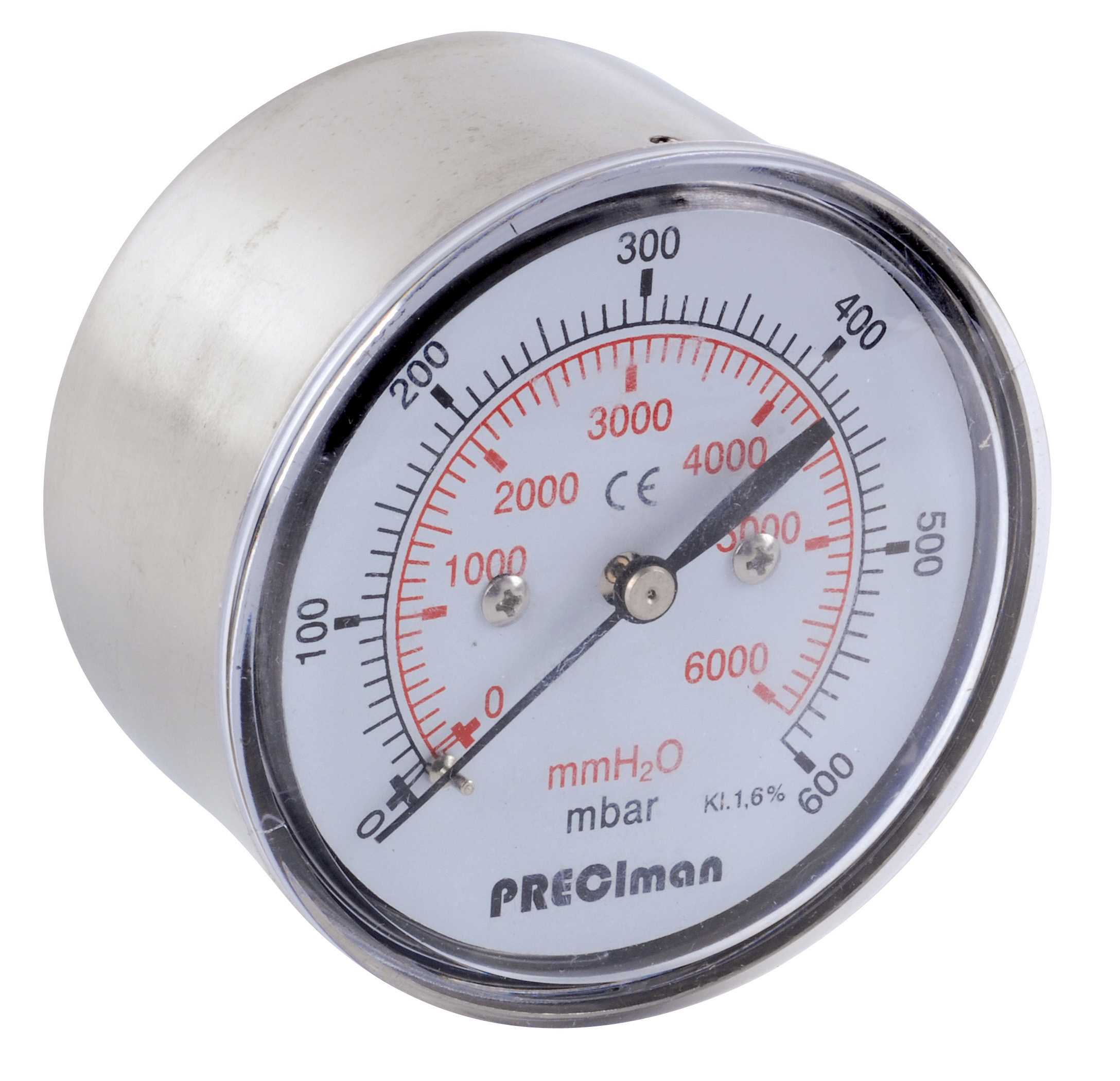
Pressure measurement across diverse systems requires specialized instruments. The CBM Stainless Steel Axial Manometer D63 0/+400Mbar (ROS23014) provides precision measurement for moderate-pressure pneumatic systems. With ±1.6% accuracy and 63mm dial diameter, this gauge offers clear readability while maintaining accuracy across the 400 mbar range. The stainless steel construction resists corrosion from ambient humidity and industrial atmospheres common in Singapore's tropical climate and coastal industrial zones.
For high-pressure applications requiring damping, the CBM Glycerin Manometer All Stainless D63 0/+250bar (ROS58040) incorporates glycerin-filled construction to absorb pressure pulsations. This design prevents needle flutter caused by fluctuating pressures, enabling accurate steady-state readings in systems with variable demand. The vertical orientation and stainless steel case ensure longevity in demanding environments.
Real-World Application Examples in Singapore Industries
Singapore's diverse industrial base—encompassing petrochemicals, precision manufacturing, semiconductor fabrication, and food processing—relies heavily on integrated measurement and detection systems. Practical applications demonstrate how these technologies address specific operational challenges.
In petrochemical facilities, integrated gas detection and pressure monitoring prevents catastrophic failures. Detection units positioned around storage tanks and process equipment identify hydrocarbon vapor releases before explosive concentrations develop. Simultaneous pressure monitoring ensures compressed gas systems remain within safe operating ranges. The modular design of systems like the DTK08014 allows comprehensive coverage across distributed processing areas without requiring multiple control centers.
Semiconductor manufacturing clean rooms employ specialized gas detection for process gases including silane, phosphine, and arsine. These facilities require ATEX-certified probes in areas where explosive atmospheres might occur during gas cylinder changes. Pressure measurement ensures delivery systems maintain precise supply pressures essential for deposition and etching processes. The accuracy specifications of CBM stainless steel manometers (±1.6% full scale) support process control requirements.
Food processing facilities in Singapore's industrial parks use gas detection systems to monitor CO₂ in freezing and refrigeration systems, and to detect ammonia leaks in cooling systems. Pressure gauges on refrigeration circuits ensure compressor discharge pressures remain within safe limits. The stainless steel construction of both gas detection probes and pressure instruments resists corrosive effects of food processing environments and regular cleaning procedures.
Compressed air systems serving precision manufacturing require continuous pressure monitoring. The D63 axial manometer provides operators with real-time system pressure visibility, enabling early detection of leaks or compressor degradation. Detection systems positioned downstream of air drying equipment identify compressed air quality issues that could contaminate sensitive processes.
Selection Criteria and Best Practices for Measurement and Detection Equipment
Proper equipment selection requires systematic evaluation of hazard profiles, environmental conditions, regulatory requirements, and integration needs. Industrial professionals in Singapore should consider these essential criteria:
Hazard Classification: Identify specific gases requiring detection (combustible, toxic, or both), their expected concentrations, and alarm thresholds. ATEX certification becomes mandatory for classified hazardous areas. Standard detection units suffice for general industrial monitoring in non-classified areas.
Environmental Durability: Singapore's tropical climate with high humidity and salt-laden coastal air requires stainless steel components over standard materials. Glycerin-filled gauges perform better than dry-dial versions when subject to vibration and temperature fluctuations common in operating industrial facilities.
Measurement Accuracy: Precision manufacturing and process control applications demand ±1.6% accuracy. General pneumatic systems typically accept ±2.5% accuracy. Pressure range selection must accommodate both normal operating pressures and anticipated transient spikes without exceeding gauge capacity.
System Integration: DIN rail mounted detection centers integrate more efficiently with modern industrial control systems and PLC architectures. Conventional control units work effectively in existing facilities with distributed probe mounting strategies. Gas detection equipment must interface with existing fire suppression or emergency shutdown systems.
Maintenance Accessibility: Modular designs simplify component replacement during maintenance cycles. Vertical-oriented gauges drain accumulated moisture better than axial orientations in high-humidity environments. Probe accessibility affects calibration and sensor replacement schedules.
Regulatory Compliance and Standards for Singapore Operations
Singapore's Workplace Safety and Health (WSH) Act and Chemical Safety (Management) Regulations mandate hazard identification and control in industrial facilities. The Ministry of Manpower (MOM) provides guidance on gas detection system requirements for classified areas and storage facilities. ATEX certification, while a European standard, is increasingly recognized by multinational companies operating in Singapore who must maintain consistent safety standards across facilities.
Equipment selection must align with Singapore's Electrical Safety regulations and industrial electrical codes when integrating detection systems into facility electrical distribution. Professional installation and commissioning by qualified technicians ensure systems meet performance standards and provide documented compliance evidence for regulatory audits.
Regular calibration and maintenance programs extend equipment life and maintain measurement accuracy. Pressure measurement instruments require periodic verification against certified standards, typically annually for safety-critical applications. Gas detection probes require sensor replacement at manufacturer-specified intervals, typically 3-5 years depending on sensor type and exposure conditions.
Conclusion
Gas detection systems and pressure measurement instruments represent essential technology investments for Singapore's industrial facilities. Selecting appropriate equipment requires understanding technical specifications, environmental requirements, hazard profiles, and regulatory obligations. Whether implementing comprehensive hazard monitoring in petrochemical facilities, maintaining process control in semiconductor manufacturing, or ensuring worker safety in food processing operations, proper measurement and detection systems provide the foundation for reliable industrial operations.
The CBM product range available through 3G Electric—including detection units like the DTK08006 and DTK08014, ATEX-certified probes, and precision pressure gauges such as the ROS23014 stainless steel manometer and ROS58040 glycerin gauge—delivers proven performance across diverse industrial applications. These instruments combine robust construction, precise measurement capability, and compliance with international standards to meet demanding requirements.
Contact 3G Electric today to discuss your facility's measurement and detection requirements. Our team of technical specialists can assess your hazard profiles, recommend appropriate equipment configurations, and ensure proper integration with existing systems. With over 30 years of experience as an authorized industrial equipment distributor in Singapore, we provide expert guidance, reliable products, and comprehensive support to keep your operations safe and efficient.