
TG
Buy TG thermostats in Singapore. 62 SKUs in stock at 3G Electric. Same-day delivery from Woodlands warehouse. Compare models and request a quote.
62
In Collection
12,386
Full Catalog
Show
Page 1 of 2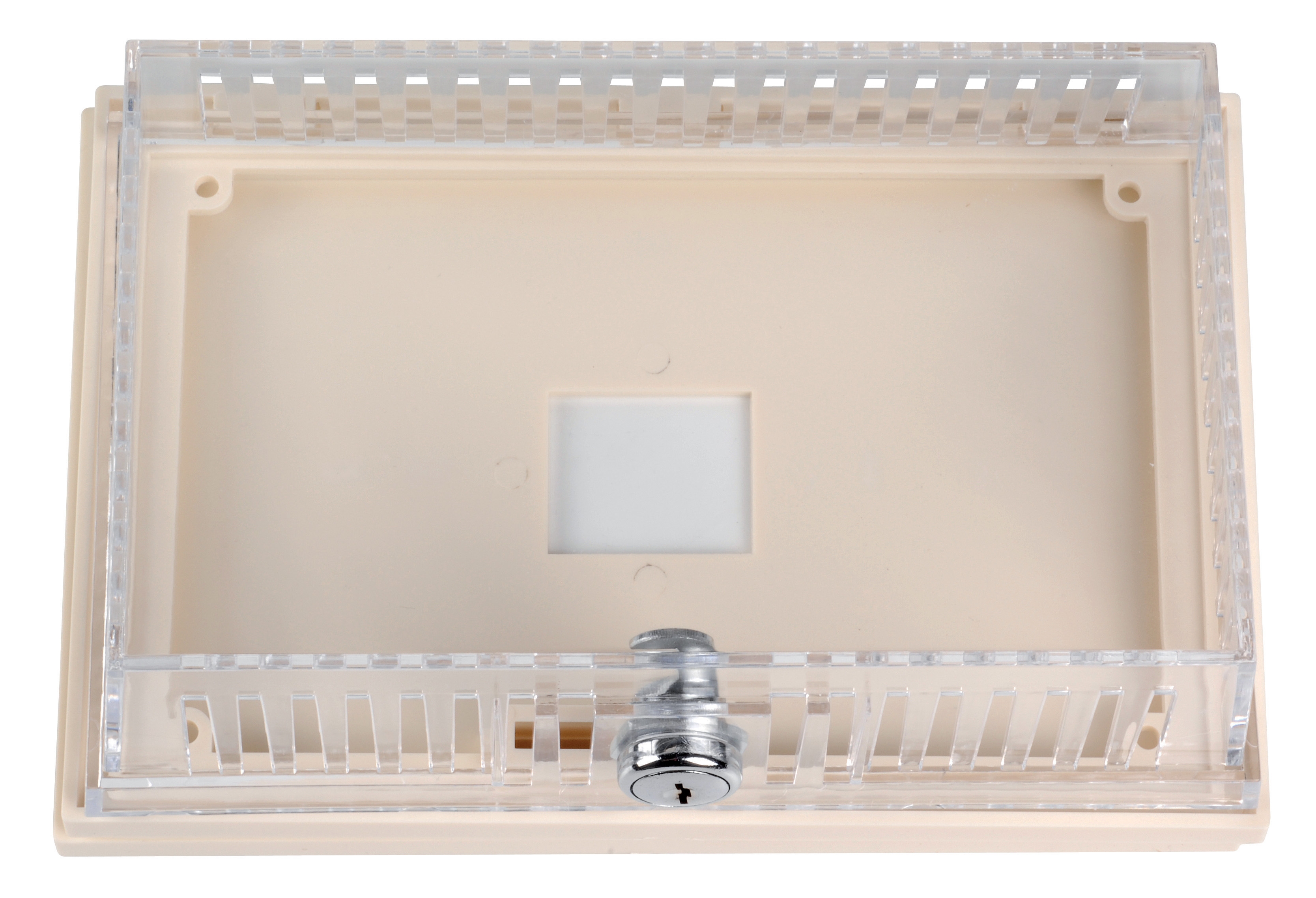

About TG
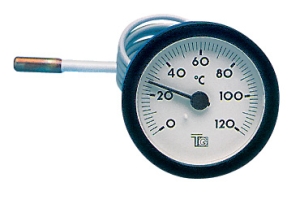
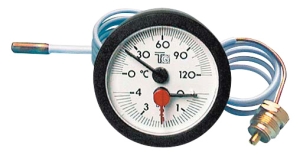
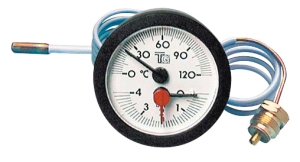
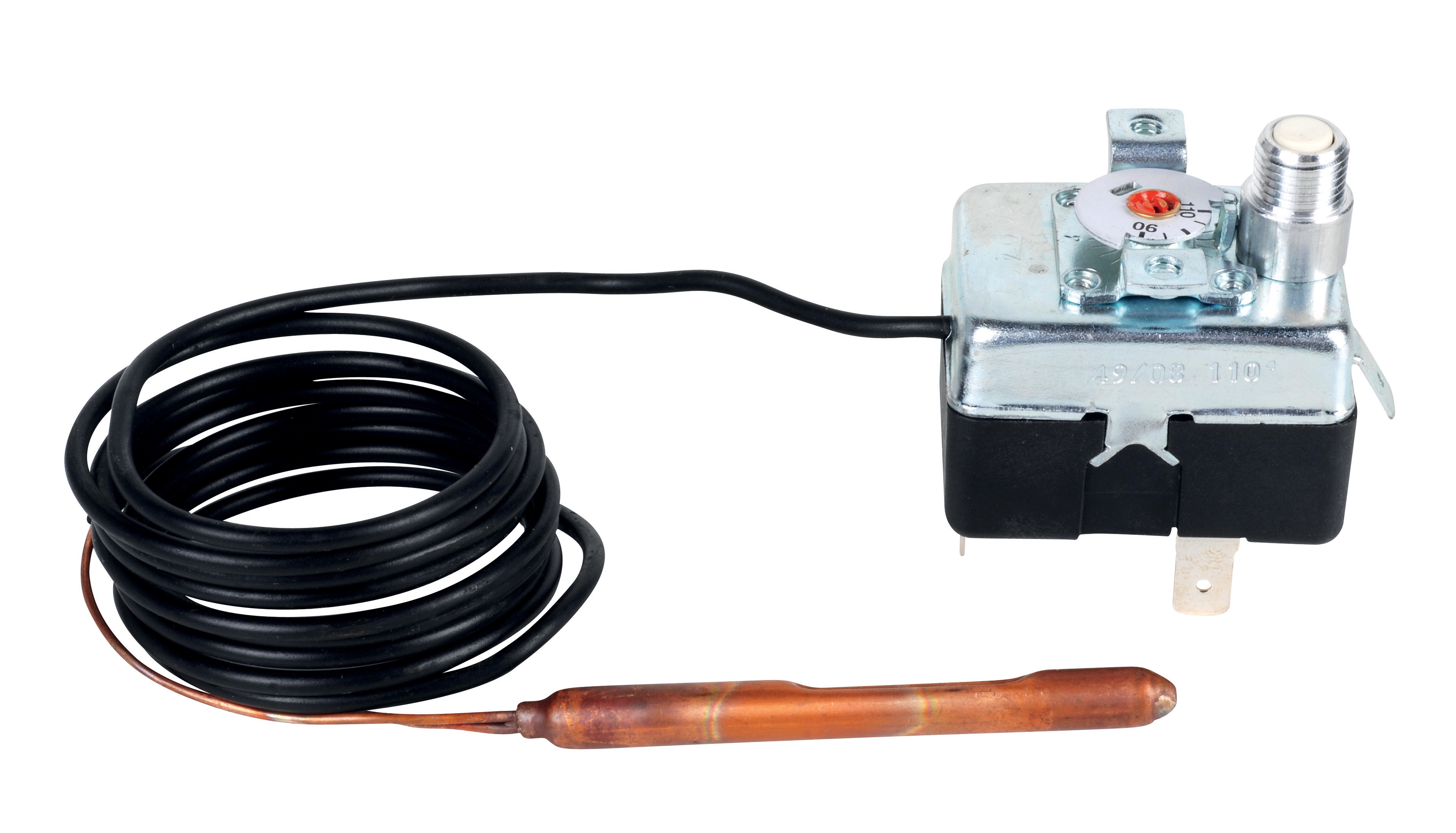
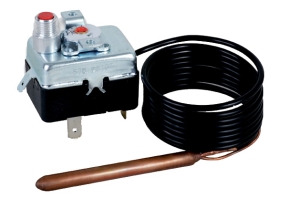
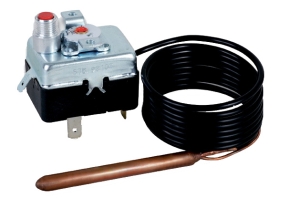
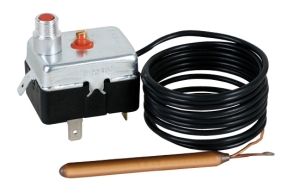
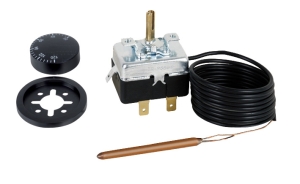
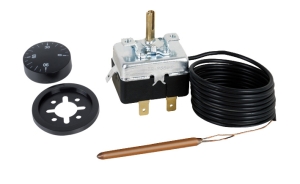
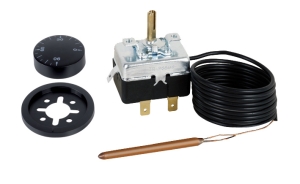
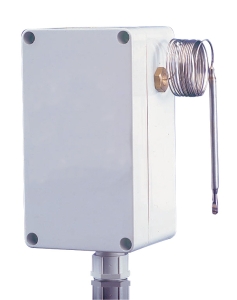
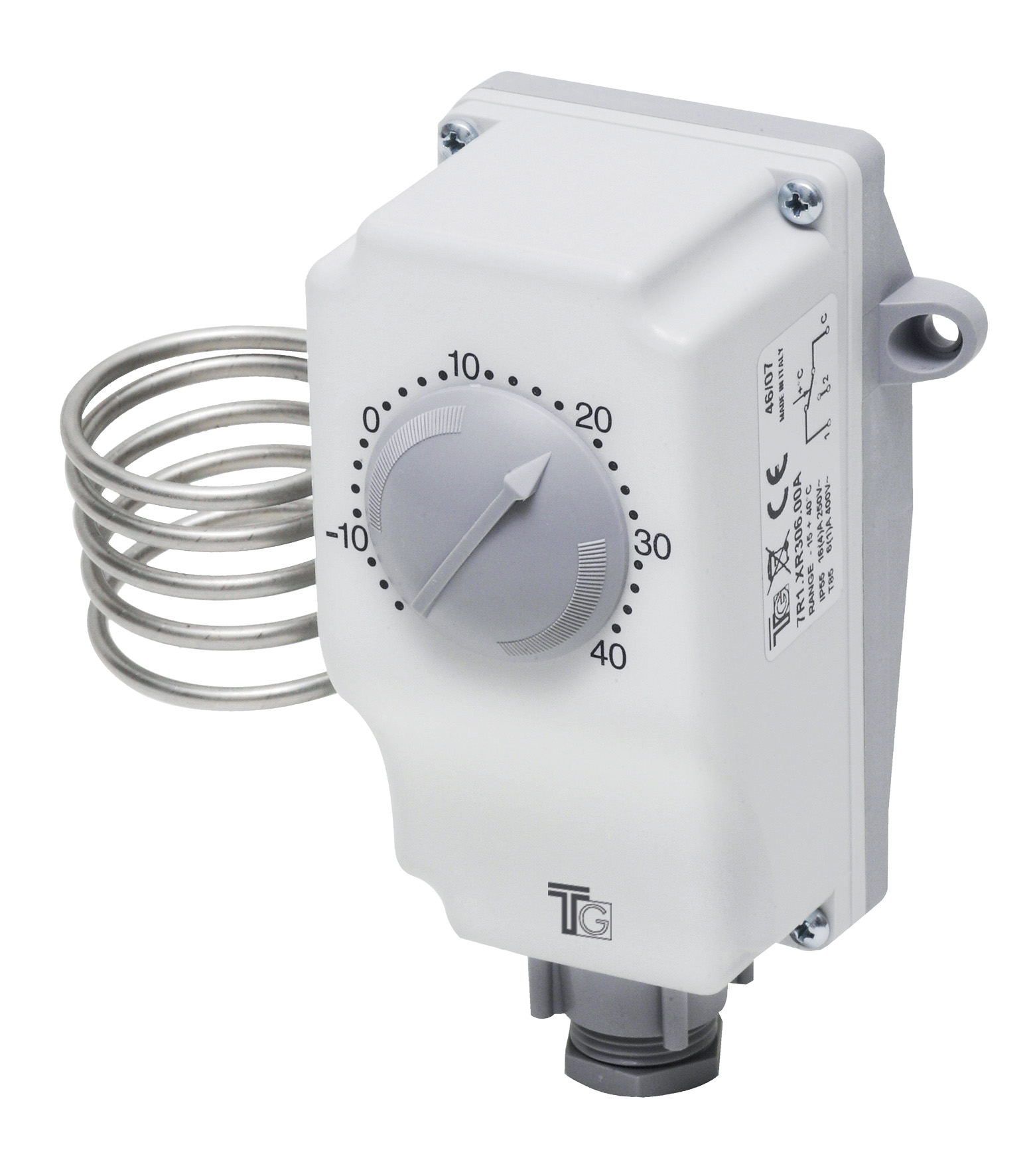
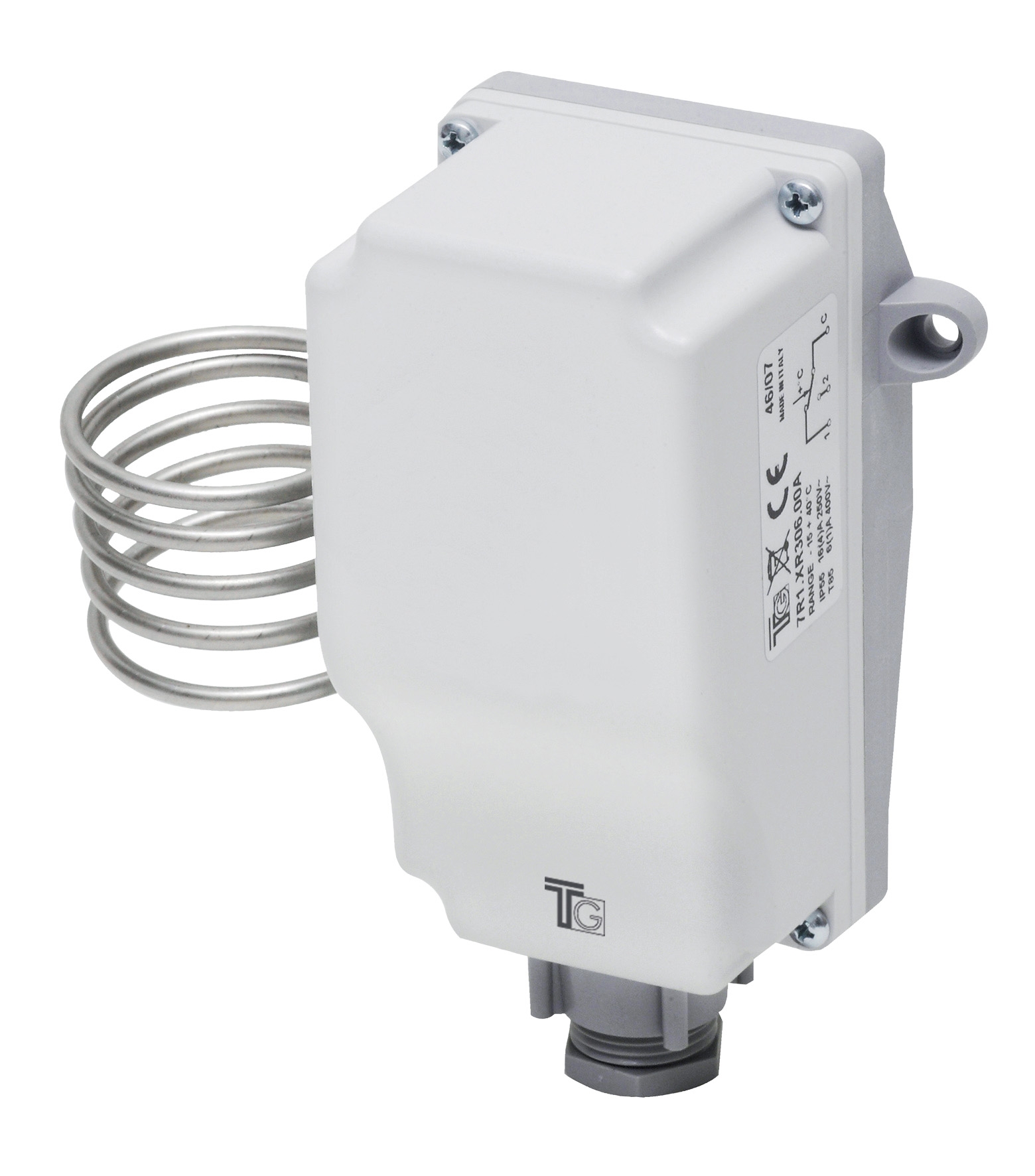
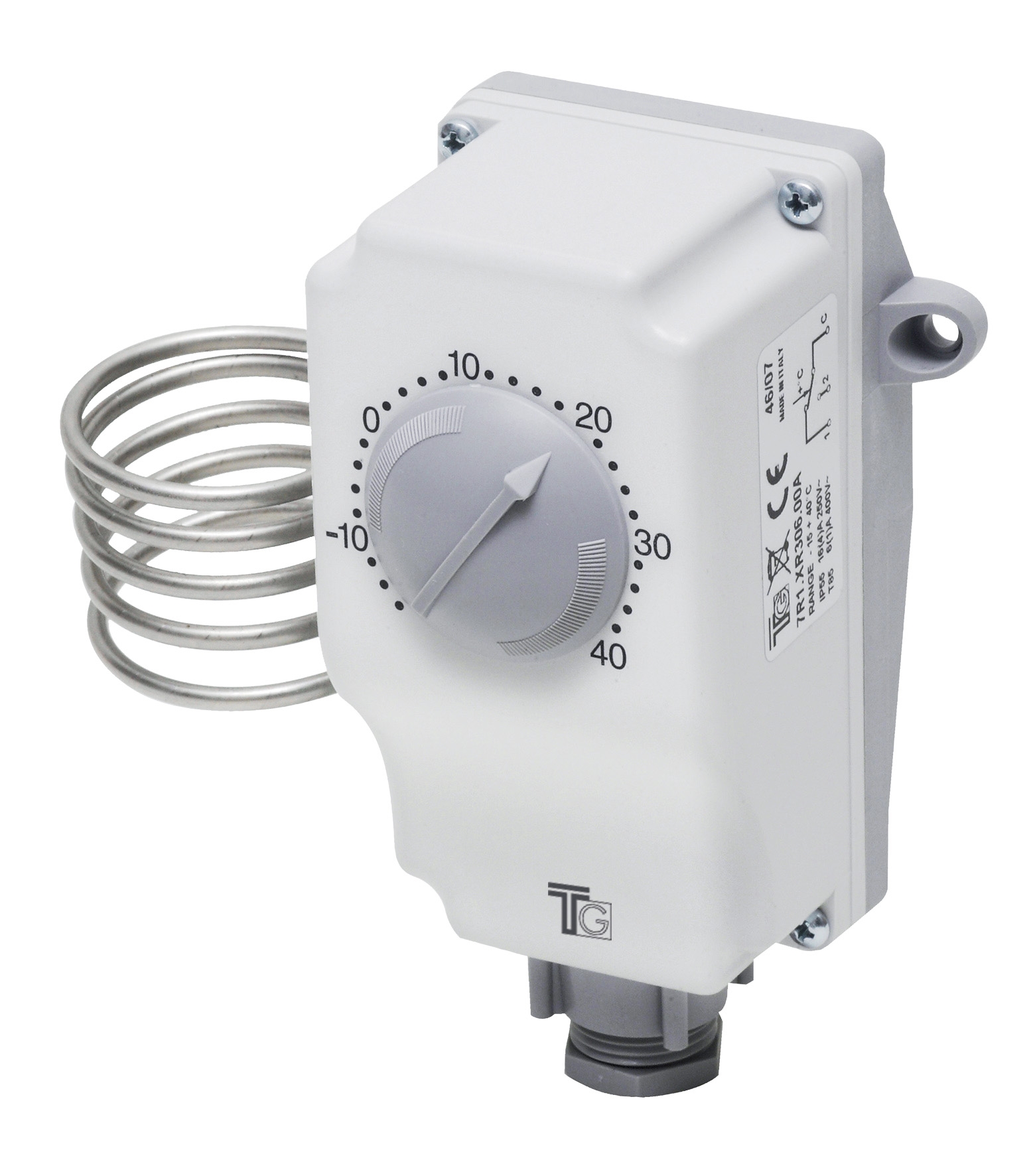
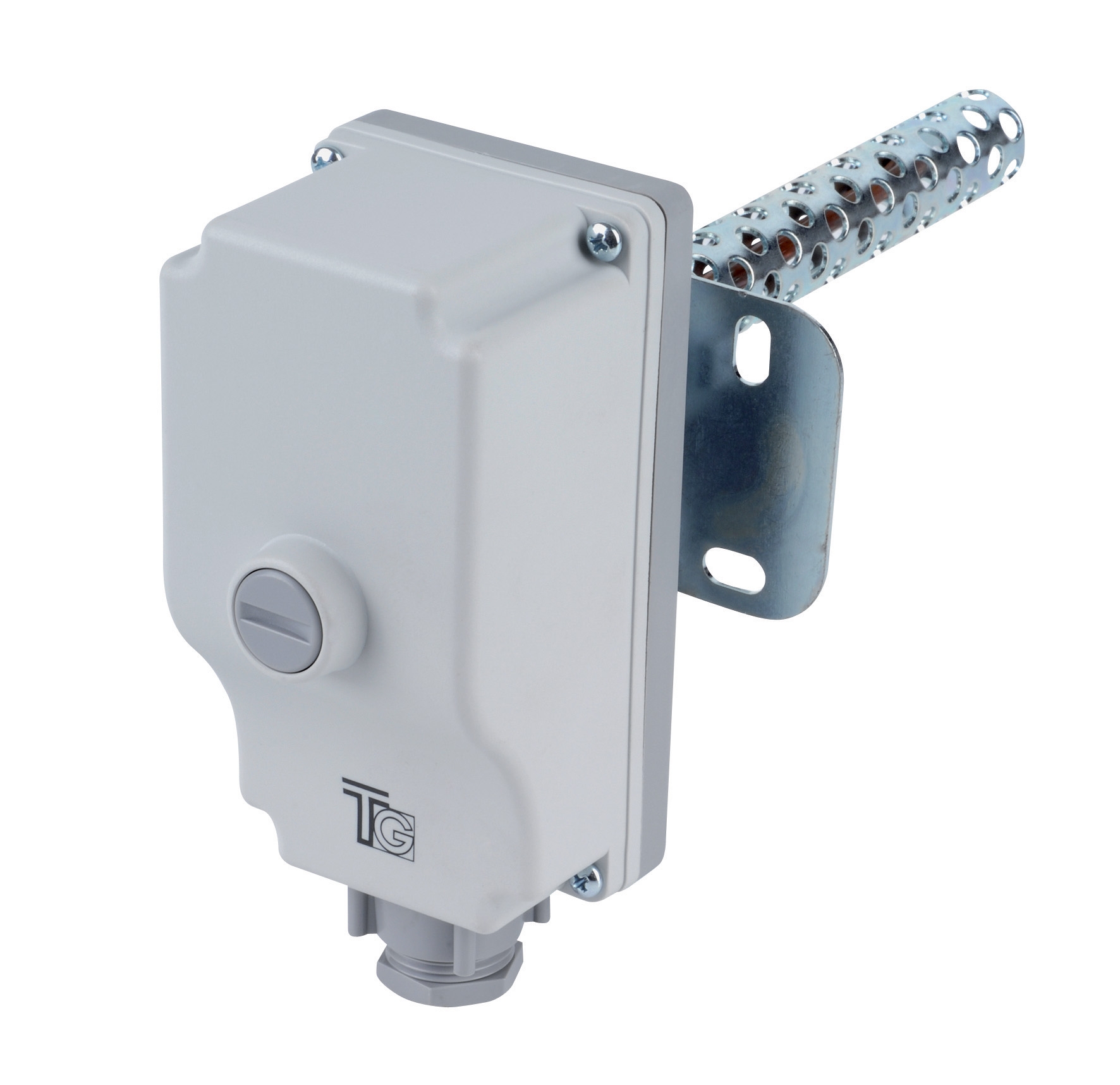
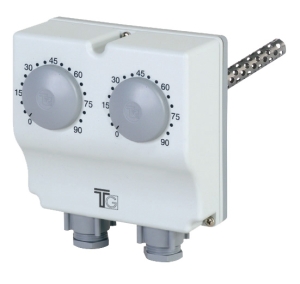
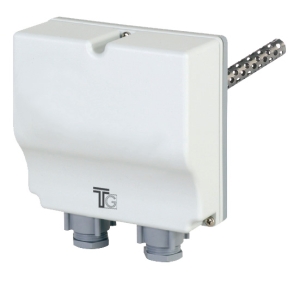
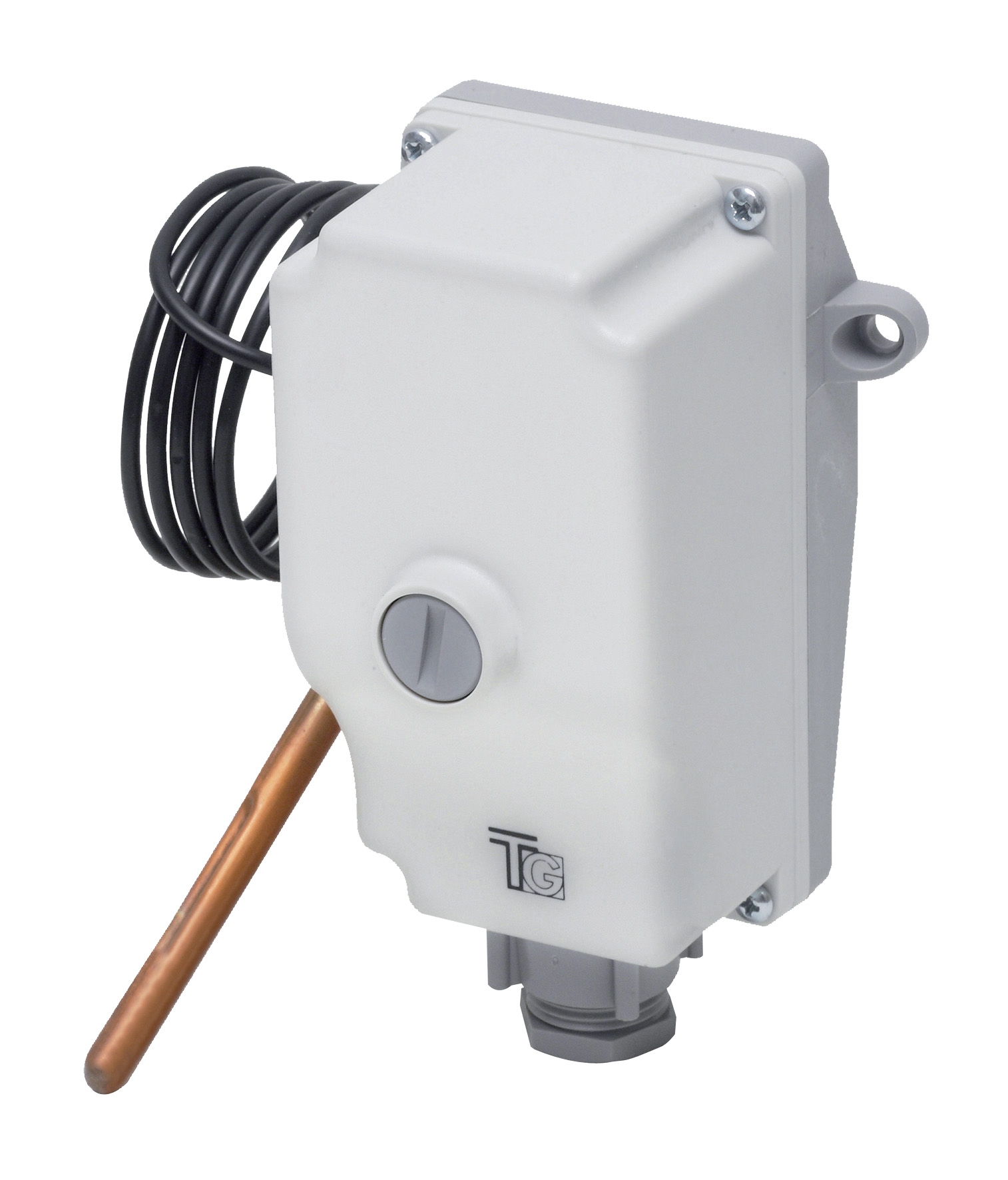
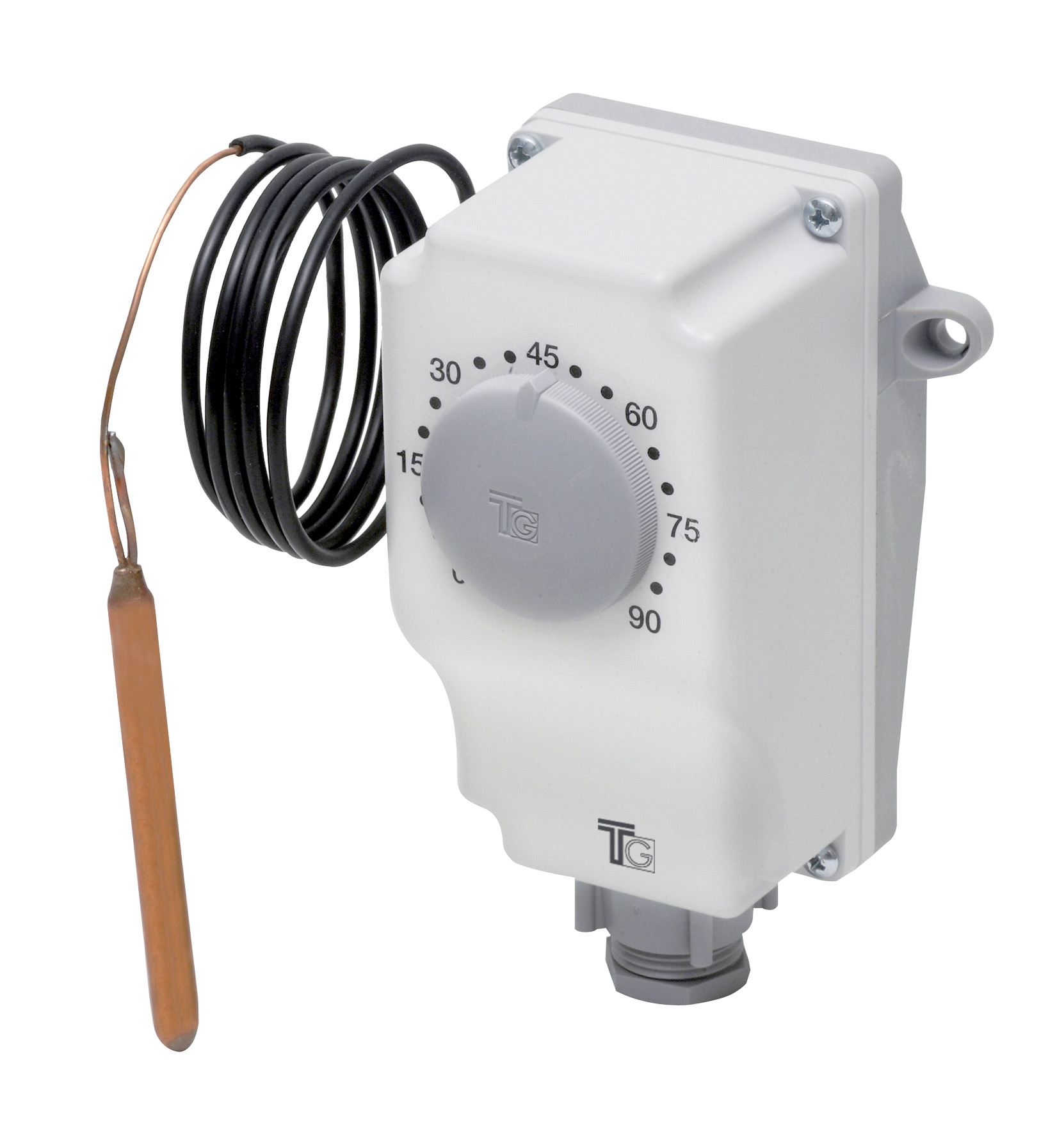
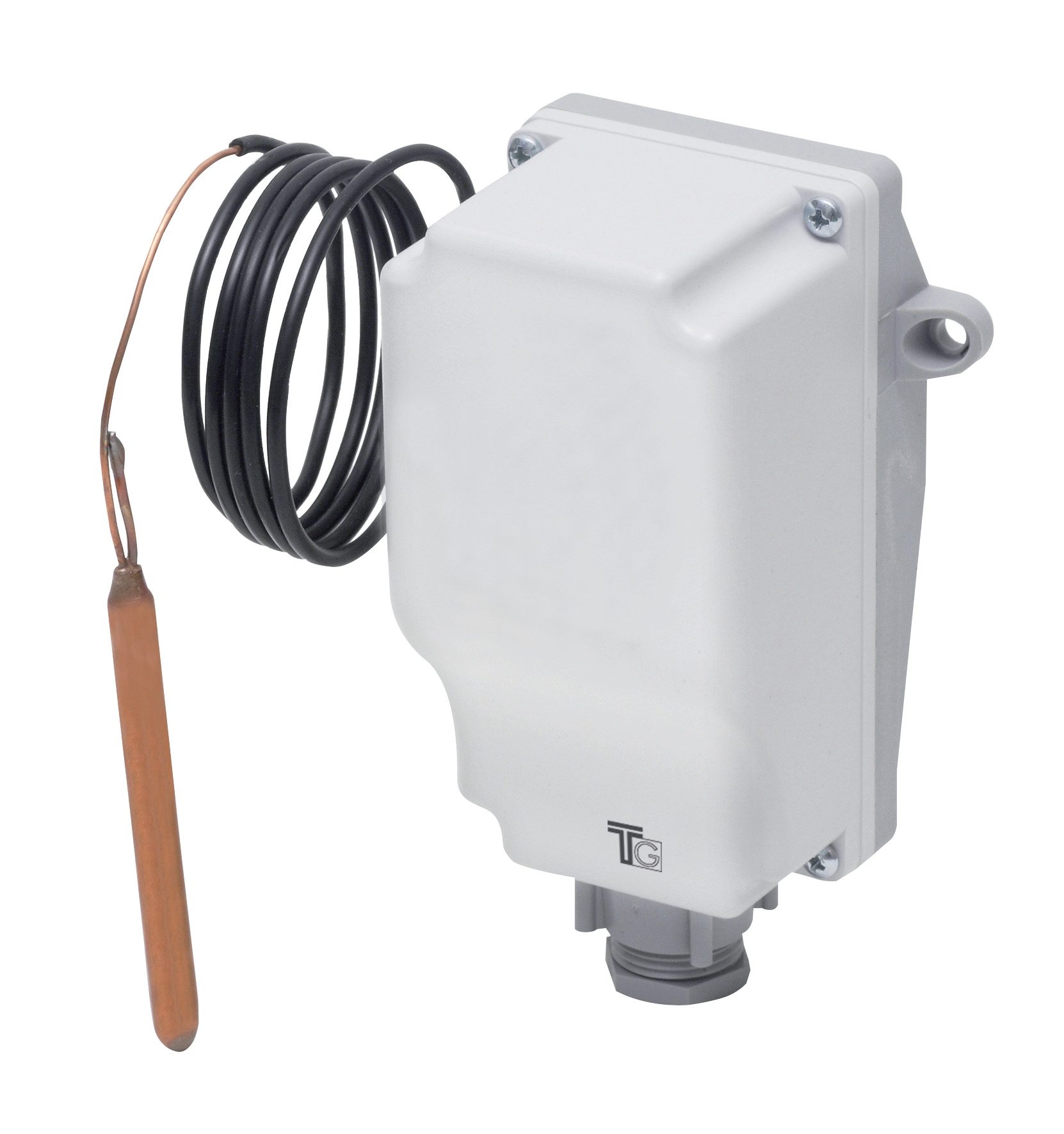
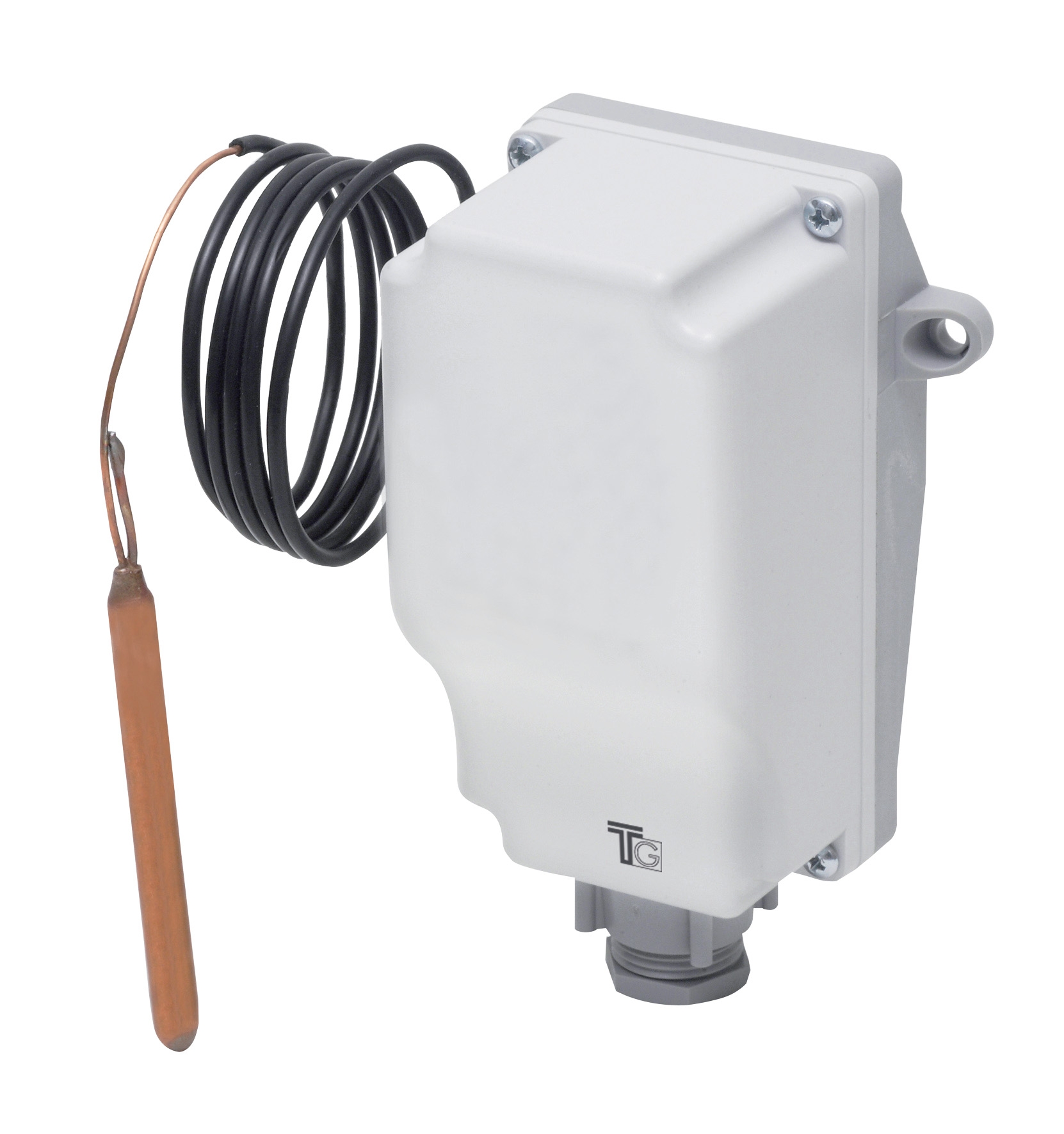
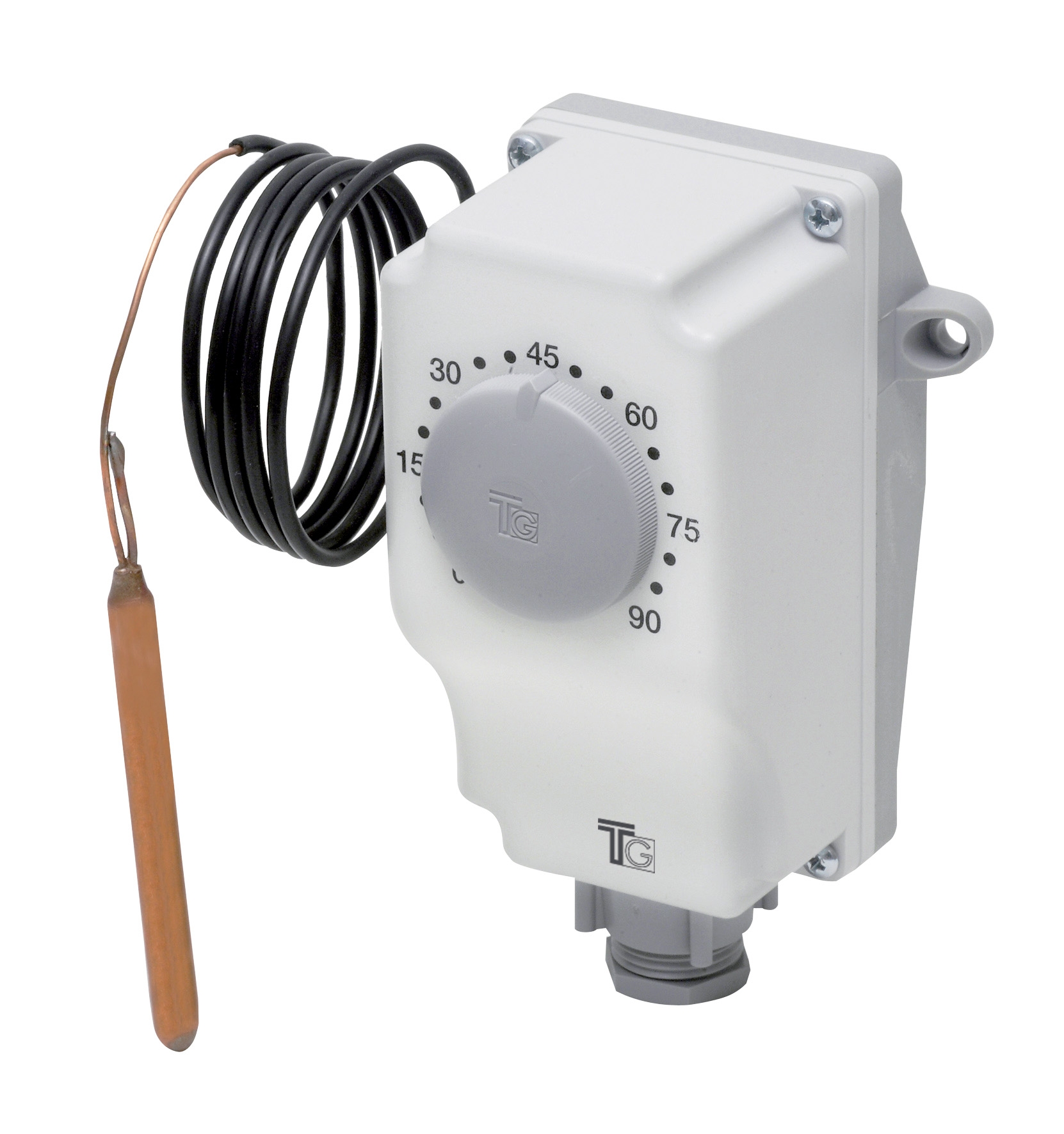
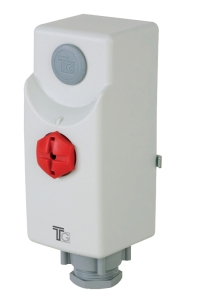
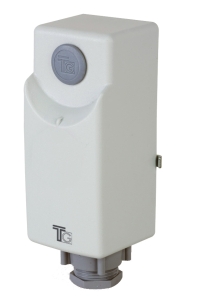
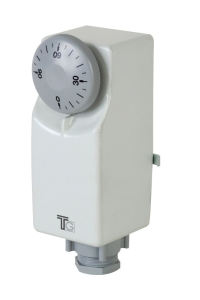
TG manufactures temperature-sensing and control devices for industrial heating, cooling, and process applications. The product range centers on capillary thermostats, aquastats, rectangular thermometers, and sealed thermostat housings—components engineered for boiler systems, hydronic circuits, and fluid-temperature monitoring in plant environments. TG thermostats are specified with defined temperature ranges (typically −35 to +120°C depending on model), IP ratings up to IP55 for sealed variants, and contact ratings suited to switching and control circuits (commonly 16 A at 250V). Capillary sensing elements are available in stainless steel construction with lengths from 1 m to 3 m, allowing remote bulb placement in confined or hazardous locations. Models differentiate by adjustment method (internal, external, or fixed), reset type (automatic or manual), and differential settings (typically 2±1°C to 45°C depending on application). TG's aquastats address safety and limit-control functions in boiler plants, with manual-reset variants calibrated to specific cutout temperatures and adjustable differential ranges. Sealed housings (IP55-rated) accommodate external wiring and mounting in wet or dusty environments. Rectangular thermometer variants provide direct temperature indication without electrical switching, suitable for visual process monitoring. 3G Electric stocks 62 TG SKUs across these families, supporting rapid deployment for maintenance, replacement, and new-build plant integration. Product specifications are publicly documented to support procurement and engineering selection. Delivery and technical support are available globally from 3G Electric's distribution network.





Frequently asked questions
Common questions about TG from 3G Electric.
What is the difference between TG sealed aquastats and open-capillary aquastats?
Sealed aquastats (e.g., THG60010) are housed in an IP55-rated enclosure, protecting internal contacts and adjustment mechanisms from moisture and dust ingress; suitable for washdown or damp environments. Open-capillary models (e.g., THG67005, THG45008) expose the adjustment mechanism and require drier installation conditions. Sealed variants are specified when environmental contamination or washdown cycles are present; open designs are standard in controlled plant rooms.
How do I choose the correct capillary length for a TG thermostat installation?
Capillary length determines the sensing-bulb distance from the control body. TG offers 1 m, 1.5 m, and 3 m lengths. Select based on the physical distance between the sensing point (e.g., boiler outlet pipe) and the control location (e.g., plant room wall). Longer capillaries (3 m) suit remote tank or duct installations; shorter lengths (1 m) are standard for compact boiler packages. Stainless-steel capillaries (THG60010) provide corrosion resistance in aggressive environments.
What does manual reset mean on a TG safety aquastat, and when is it required?
Manual reset (e.g., THG70002) requires an operator to physically reset the thermostat after a temperature cutout event; the device does not re-engage automatically. This is mandated for boiler safety limit controls to ensure operator awareness of an overheat condition. Automatic-reset models (THG45008) re-engage when temperature drops below setpoint and are used for comfort or process limits where downtime is acceptable.
What contact rating does a TG thermostat carry, and how does it affect circuit design?
Most TG thermostats (e.g., THG70002) carry 16 A at 250V contacts, rated for resistive loads. This drives relay or contactor selection if higher currents or DC loads are required. Engineers must confirm contact rating matches the load circuit; oversizing the thermostat contact for inductive or motor loads requires an intermediate relay. Consult the specific SKU datasheet for exact amperage and voltage limits.
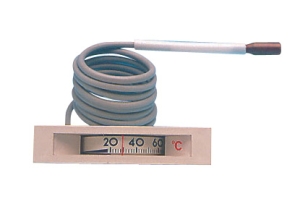
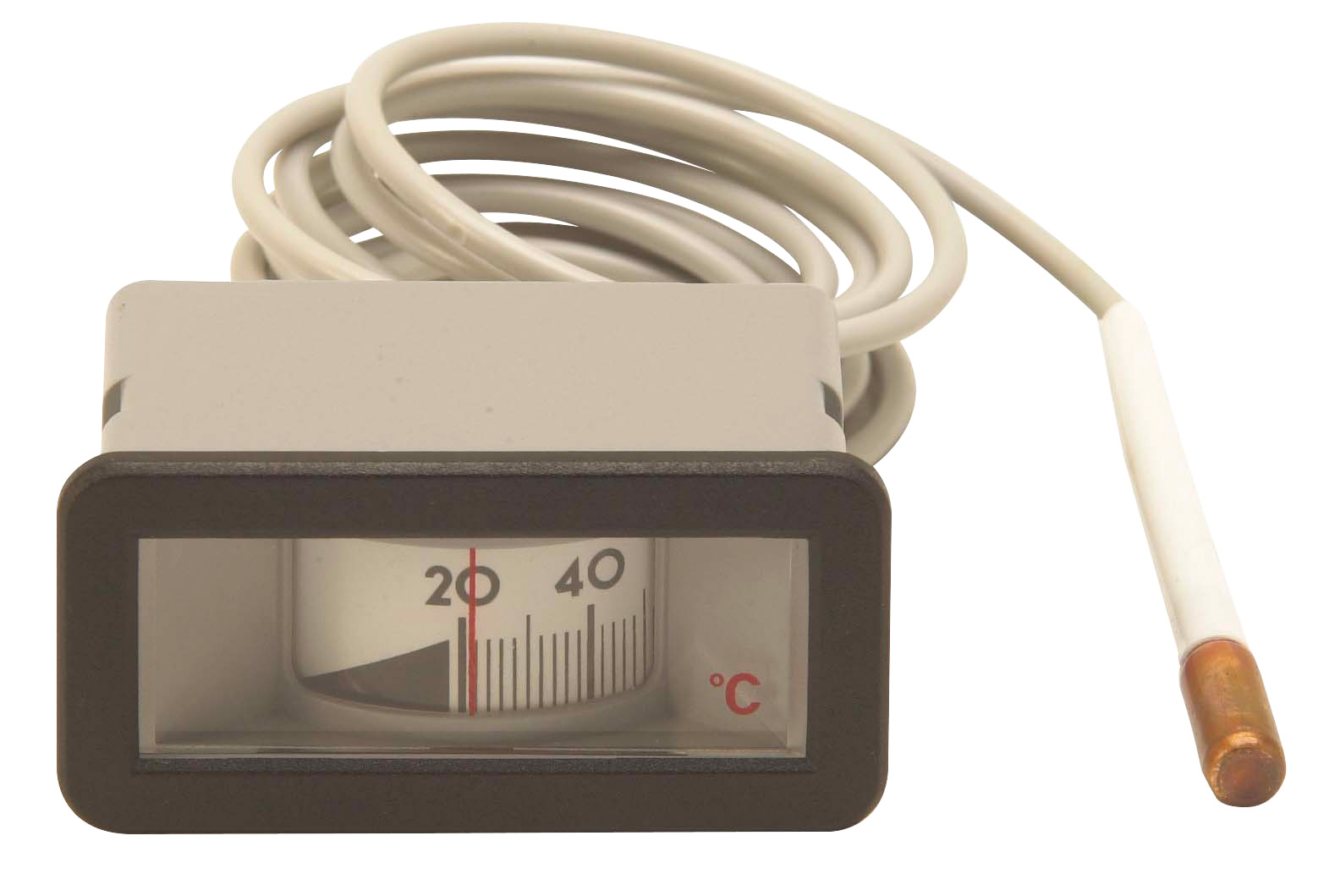
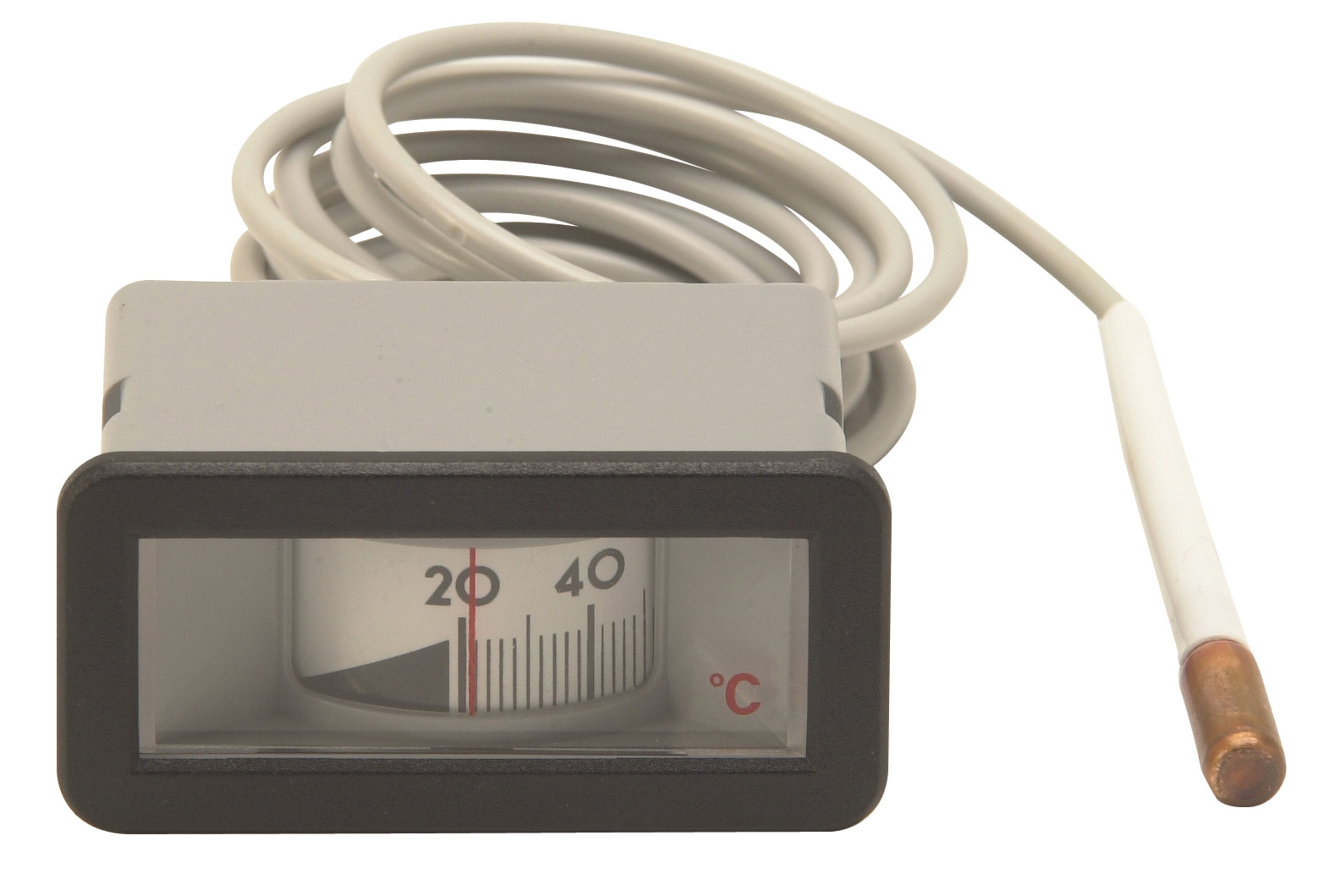
Can TG rectangular thermometers (e.g., THG80005) be used for alarm or control functions?
No. TG rectangular thermometers are passive display devices with no electrical contacts or switching capability. They provide direct visual temperature indication for operator monitoring only. For alarm or control, use TG aquastats or sealed thermostats with contact ratings and setpoint adjustment. Thermometers are complementary instruments for cross-checking sensor performance.
What tolerance and differential settings should I expect from TG aquastats?
TG aquastats specify setpoint tolerance (e.g., ±0/−6°C on THG70002, +3°C/−2°C on THG60008) and differential range (e.g., 2±1°C to 45°C depending on model). Differential is the temperature drop between on and off, critical for preventing chatter and controlling system hysteresis. Tighter differentials suit process control; wider differentials (20–45°C) are typical for boiler safety limits. Check the SKU specifications for your application's stability requirements.