Troubleshooting Portable Pressure and Electrical Measurement Tools: A Global Diagnostic Guide for Procurement Engineers
Portable measurement and detection equipment forms the backbone of field diagnostics across industrial facilities globally. Unlike stationary instrumentation, battery-powered tools face unique failure modes: battery degradation, thermal stress on electronics, connector corrosion, and mechanical wear from transport. This troubleshooting guide addresses the most common failure points in three critical categories—portable pressure inflators, digital multimeters, and non-contact voltage detectors—providing procurement engineers with systematic diagnostic protocols to distinguish genuine equipment failure from operational issues, optimize tool selection, and reduce unnecessary capital replacement cycles.
Understanding Failure Modes in Portable Measurement Equipment
Portable measurement tools operate under environmental stressors absent from laboratory instruments: temperature fluctuations, humidity exposure, vibration during transport, and variable power supply conditions. Battery-powered equipment introduces an additional failure vector: energy capacity degradation. A 2500 mAh lithium-ion battery experiences capacity loss of 2–3% annually under normal conditions, accelerating to 10–15% annually in high-temperature environments (above 40°C) or with improper charging cycles. This degradation manifests as reduced runtime, inability to achieve rated pressure specifications, or intermittent device shutdowns during measurement operations.
Digital multimeters and voltage detectors fail through distinct mechanisms. Electrical instruments suffer from fuse degradation (protecting against overload), battery exhaustion, and display panel failure from mechanical shock. Non-contact voltage detectors rely on capacitive sensing circuits sensitive to moisture ingress and electromagnetic interference. The probe tip's sensitivity degrades when exposed to conductive dust, salt spray (common in coastal industrial zones), or accidental submersion. Unlike gauge-based pressure instruments that provide continuous mechanical feedback, electronic detection devices fail silently—a voltage detector may lose sensitivity without visual indication until it fails to detect hazardous circuits.
Temperature represents a critical environmental variable affecting portable tool reliability. Operating temperature ranges define usable conditions; exceeding these ranges causes battery self-discharge, circuit instability, and sensor drift. For example, expansion tank inflators rated for –20°C to +60°C will experience battery performance degradation below 0°C (reducing available power by 30–40%) and accelerated internal component aging above 50°C. Procurement engineers must account for seasonal and geographic temperature variations when selecting equipment for global operations.
Diagnostic Protocols for Battery-Powered Pressure Equipment
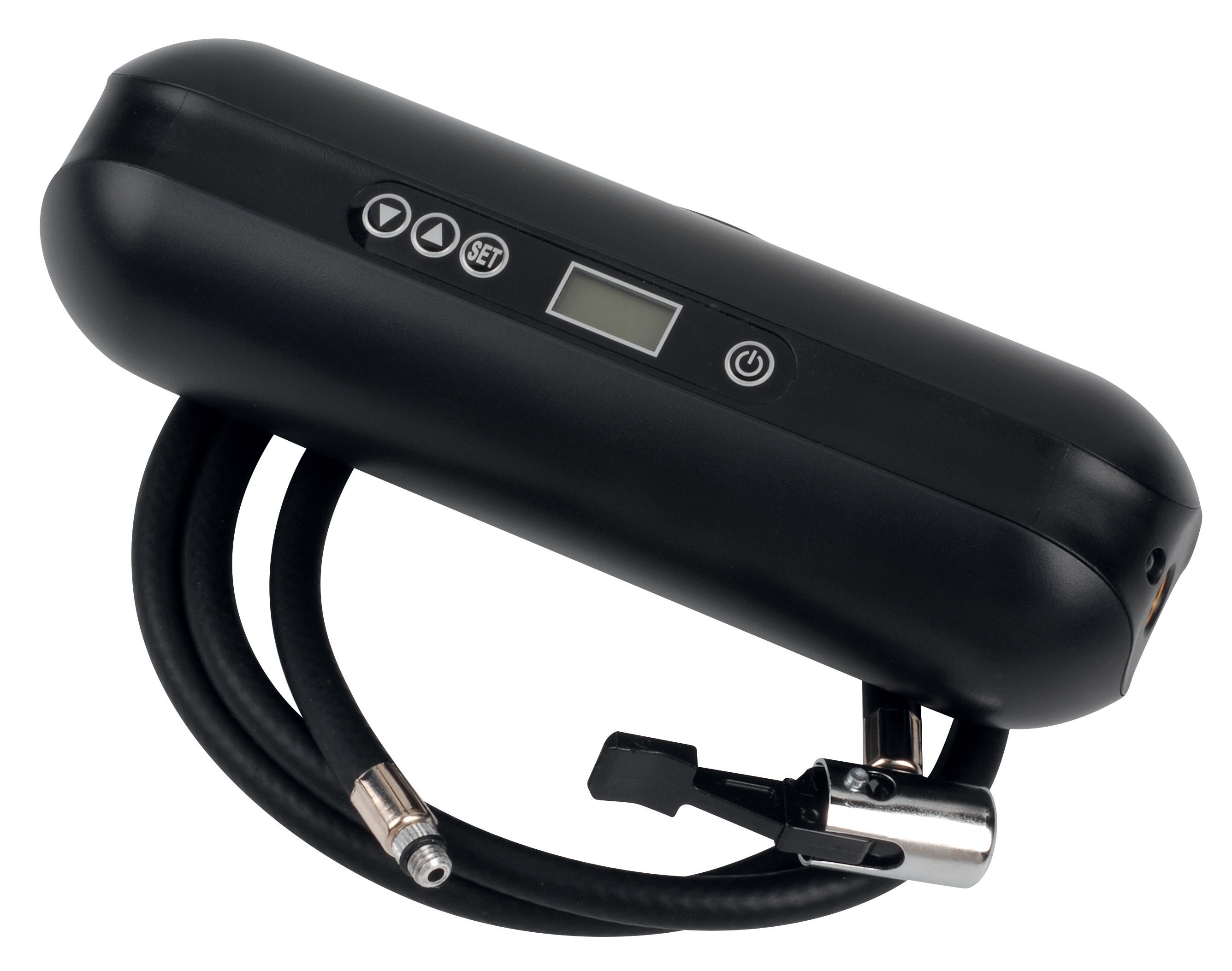
The CBM Multifunction inflator with 2500 mAh battery and CBM Expansion tank inflator with 2000 mAh battery represent two distinct operational categories: multifunction tools (requiring 45W motor power, 35-minute continuous runtime) and specialized single-purpose equipment (optimized for expansion tank charging). Failure diagnosis requires systematic power assessment before attributing problems to mechanical components.
Battery Health Assessment: Begin diagnostics by testing available runtime under no-load conditions. The multifunction inflator should operate the motor for 30–35 minutes continuously at rated pressure (120 PSI). The expansion tank inflator achieves lower pressure (10.3 bar / 150 PSI) but typically delivers 40–50 minutes of intermittent operation due to lower power consumption. If runtime drops below 50% of specification, battery replacement is justified. However, false positives occur when users operate equipment below the manufacturer's minimum temperature threshold (–10°C for multifunction, –20°C for expansion models). Cold batteries exhibit 30–40% capacity loss; allowing equipment to warm to room temperature for 30 minutes restores performance in 80% of suspected battery-failure cases.
Pressure Output Verification: Confirm rated pressure delivery using a calibrated mechanical pressure gauge (such as the CBM Glycerin stainless steel pressure gauge 0/+4bar) or CBM Green ABS pressure gauge 0/+1bar for low-pressure reference measurements. Connect the inflator to the reference gauge without load and activate the pump. Pressure should rise linearly toward the rated maximum. If output pressure is 20% below specification, diagnose motor function: listen for audible motor operation and check for voltage delivery to the motor terminals using a digital multimeter. Silent motors indicate dead batteries or internal motor failure; motors that spin without pressure generation suggest pump seal degradation or internal gas leakage.
Connector and Hose Assessment: Portable inflators fail through connector corrosion and hose rupture, not equipment electronics. Inspect all push-fit connectors for green or white oxidation (copper corrosion), which indicates moisture ingress. Corroded connectors reduce electrical contact resistance, causing voltage drop and insufficient motor power. Clean contacts with white vinegar or contact cleaner; replace connectors if corrosion penetrates beyond surface oxidation. Examine hoses for micro-cracks by submerging them in water under 2 bar pressure; bubbles indicate failure points. One-meter hoses are common failure points in field equipment due to flexing; replacement costs are typically 10–15% of equipment value.
Electrical Measurement Tool Troubleshooting and Comparative Analysis
The CBM Automatic multimeter MM420 and CBM Non-contact voltage detector address complementary measurement needs with distinctly different failure modes. Multimeters provide accurate numerical readings but require circuit contact; voltage detectors offer safety and speed but sacrifice precision. Procurement engineers must understand these trade-offs to select appropriate tools and diagnose failures correctly.
Multimeter Diagnostics: The MM420 features a 9V battery, 400 mA/250V fuse, and maximum current ratings of 400 mA (low range) and 10 A (high range). Common failure modes include fuse burnout, battery depletion, and display degradation. Fuse failure occurs when users measure current on incorrect ranges or connect the probe leads in wrong terminals. A burnt fuse prevents all measurements; visually inspect the fuse (0.4A/250V) through the device housing or test continuity with a known working multimeter. Battery failure is straightforward: when the low-battery indicator appears on the display, measurement accuracy degrades by 5–10%. Replace 9V batteries as a preventive maintenance step when the battery warning first appears, not when the device stops functioning entirely. Display failure manifests as missing segments, frozen readings, or complete darkness; this indicates internal component failure requiring professional repair or replacement.
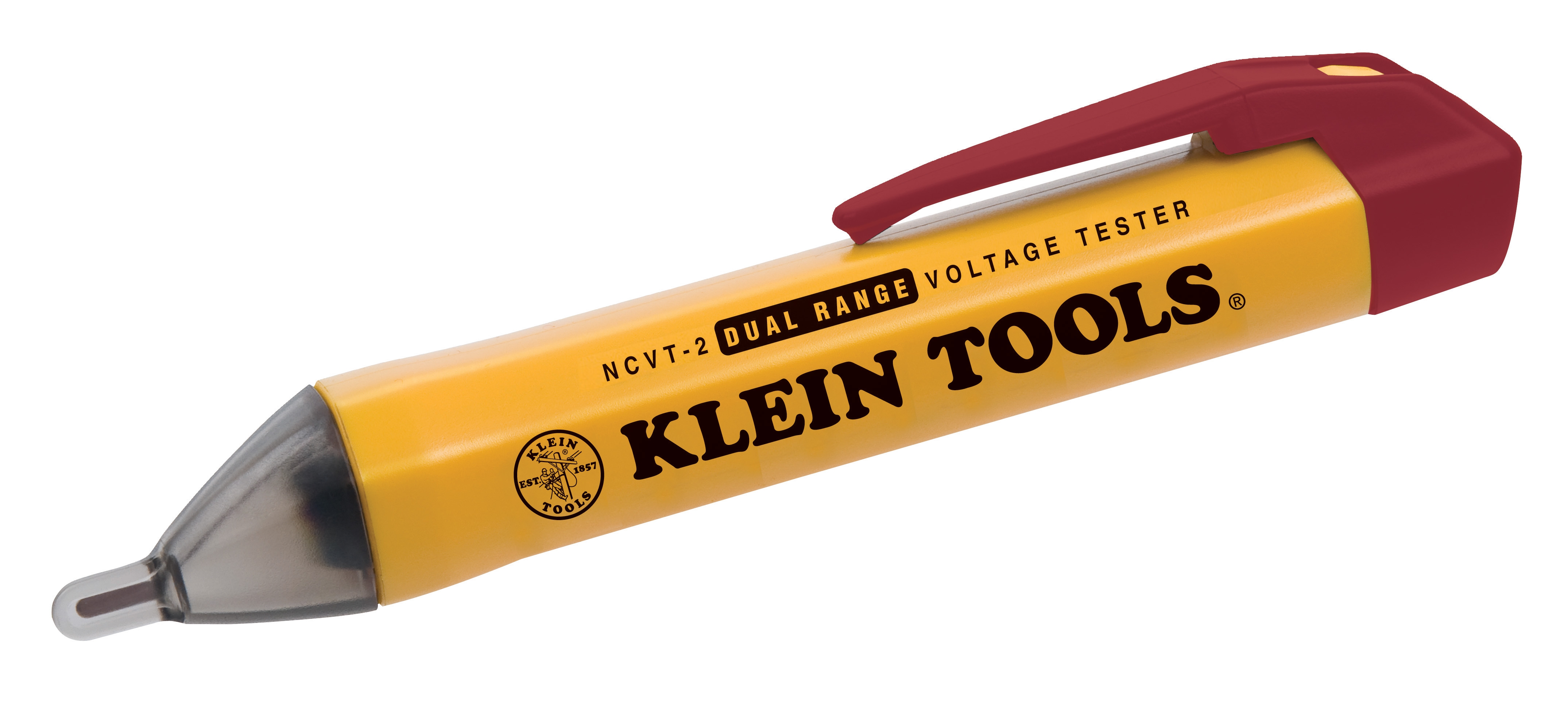
Voltage Detector Diagnostics: The CBM Non-contact voltage detector operates without physical contact, using capacitive sensing with a maximum detection range of 6 mm. Failure modes include reduced detection sensitivity, false positives (indicating voltage where none exists), and complete non-responsiveness. To diagnose sensitivity loss, test the detector against a known live circuit (use a wall outlet or energized equipment) at the maximum specified range. If detection fails at the rated 6 mm distance but succeeds at 2–3 mm, probe contamination or sensor degradation has occurred. Clean the probe tip with a dry cloth; if performance doesn't improve, the capacitive sensor requires factory service. False positives (triggering without genuine electrical hazards) indicate electromagnetic interference from nearby equipment. Move away from sources of electromagnetic radiation (high-powered motors, radio transmitters) and retest. If false positives persist in clean environments, internal circuit failure requires replacement.
Comparative Operating Conditions: The multimeter operates reliably across typical industrial environments (0–50°C) but should be stored above 0°C to prevent battery degradation. The voltage detector, being electronic, shares this thermal sensitivity but lacks a replaceable battery, making thermal management critical during procurement. Equipment stored in unheated warehouses during winter months in temperate climates will experience 20–30% performance degradation on first use. Procurement specifications should mandate climate-controlled storage for sensitive electronics.
Real-World Application Scenarios and Diagnostic Workflows
Scenario 1: Expansion Tank Inflator Pressure Loss in HVAC Commissioning
A facilities team uses the expansion tank inflator to pre-charge a 3-liter thermal storage tank to 0.8 bar. After 10 inflations, the device reaches only 0.6 bar before shutting down. Is the battery failing or the pump failing? Diagnostics: First, measure runtime—if the motor runs for 40+ minutes without load, the battery is acceptable. Connect the inflator to a known-good mechanical pressure gauge and inflate to maximum pressure without load. If the gauge reaches the rated 10.3 bar, the pump is functioning; the problem is the tank itself (may have internal corrosion or a faulty charging valve). If the inflator reaches only 0.6 bar under no-load conditions, the pump has degraded and replacement is justified.
Scenario 2: Multimeter AC Current Measurement Inconsistency
An electrical technician uses the MM420 to measure current on a 400 mA branch circuit. The first measurement reads 380 mA; the second reads 420 mA; the third reads 0 mA. The device appears unstable. Root cause analysis: The 400 mA low-range circuit is extremely sensitive to probe contact resistance. Poor contact with the ammeter terminals causes voltage drop across the connection, resulting in erratic readings. Solution: Clean probe tips with fine sandpaper, ensure secure probe insertion, and repeat measurements. If readings remain inconsistent, the internal shunt resistance (which converts current to measurable voltage) may be degraded—this requires calibration or device replacement by the manufacturer.
Scenario 3: Voltage Detector Non-Response in Electrical Safety Testing
A technician uses the non-contact voltage detector to verify that a circuit is de-energized before maintenance work. The detector shows no voltage indication, but subsequent multimeter testing reveals 230V present. Did the detector fail or was it used incorrectly? Diagnostics: Test the detector on a known live outlet or control panel. If the detector responds on the live test circuit, it is functioning. The problem was likely probe distance; users must maintain the 6 mm maximum detection distance while moving the probe along the cable. If the detector fails on the live test circuit, battery failure (voltage detectors lack replaceable batteries) or internal sensor failure has occurred—the device requires replacement.
Procurement Selection Criteria and Maintenance Best Practices
Procurement engineers evaluating portable measurement equipment should prioritize specification alignment with intended applications. The multifunction inflator's 45W motor and 2500 mAh battery suit intermittent use across multiple system types; the specialized expansion tank inflator's lower power consumption and extended operating temperature range (–20°C to +60°C versus –10°C to +45°C) justify procurement for facilities in extreme climates. Digital multimeters are cost-effective for general technician teams; voltage detectors should be issue-standard equipment where worker safety depends on circuit verification.
Establish preventive maintenance protocols: test all battery-powered equipment at 6-month intervals, replace batteries when first warning indicators appear (not at failure), and store equipment in climate-controlled conditions. For globally distributed operations, account for geographic temperature variations—equipment specified for North American warehouses will fail prematurely if deployed in Southeast Asian manufacturing facilities without additional thermal management. Documentation of baseline performance metrics (battery runtime, pressure output, detection range) enables early identification of degradation before field failures occur.
Closing and Expert Support
Portable measurement equipment failures often stem from environmental stress, battery degradation, and improper maintenance rather than component defects. By applying systematic diagnostics—power assessment, load testing, and environmental evaluation—procurement engineers can optimize equipment selection, extend service life, and reduce unplanned capital expenses across global operations.
The distinction between genuine equipment failure and operational issues depends on disciplined troubleshooting. When diagnostic uncertainty remains, consult with industrial equipment specialists who can validate measurements and recommend equipment upgrades tailored to your facility's climate, frequency of use, and regulatory requirements.
At 3G Electric, we have served industrial procurement teams globally since 1990, providing distribution and technical guidance for measurement and detection equipment across diverse industries. Whether you require diagnostic support, equipment replacement recommendations, or want to discuss specifications for your facility's environmental conditions, contact our technical team today. We offer comprehensive product selection across pressure gauges, electrical measurement tools, temperature monitoring equipment, and portable inflators—backed by application engineering expertise to ensure your measurement infrastructure meets performance standards worldwide.