
Eclipse
Buy Eclipse electrodes in Singapore. 6 SKUs in stock at 3G Electric—order online with same-day delivery from Woodlands warehouse. Compare specs and get a quote.
6
In Collection
12,386
Full Catalog
Show
Page 1 of 16 products
About Eclipse
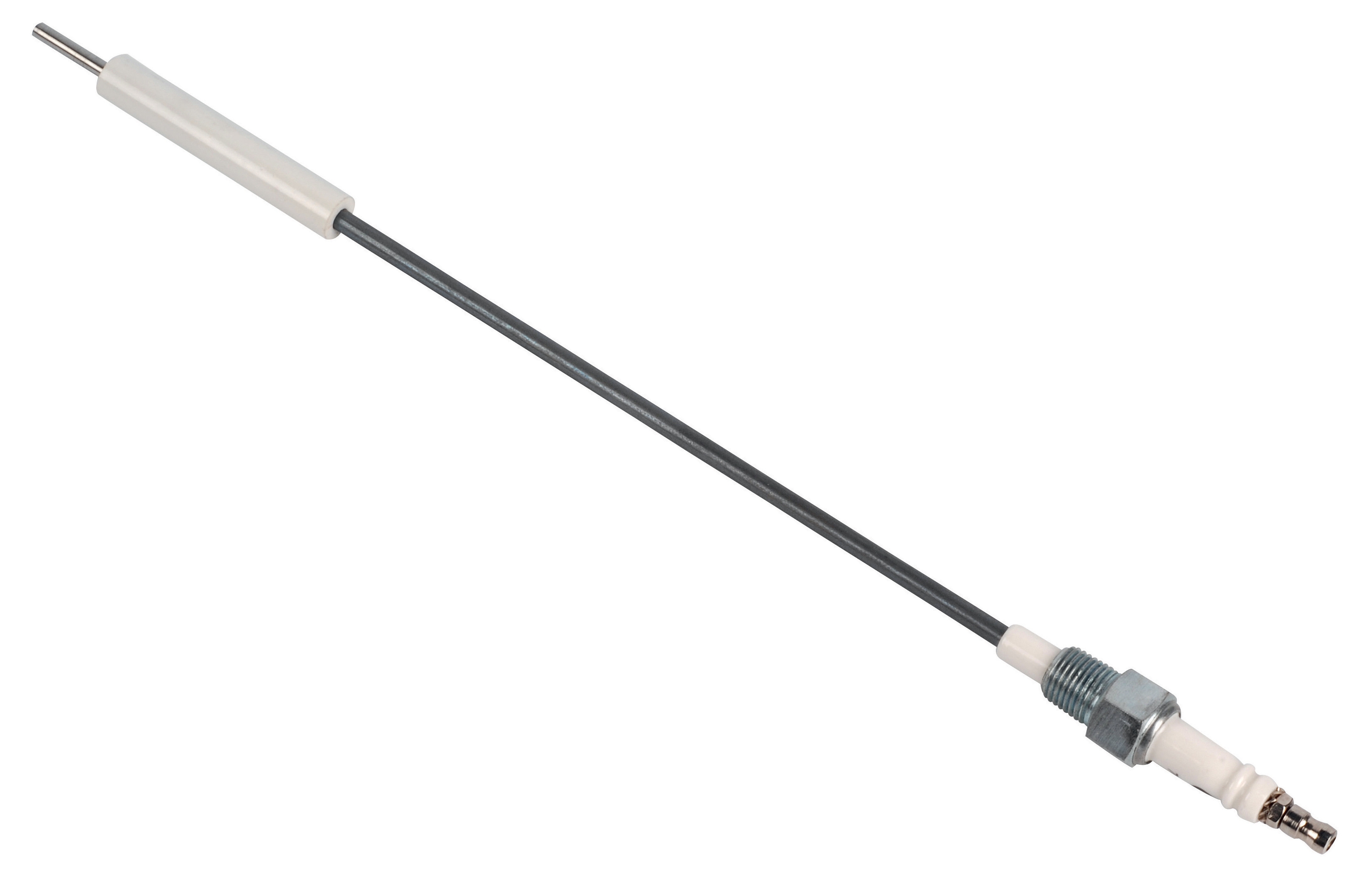
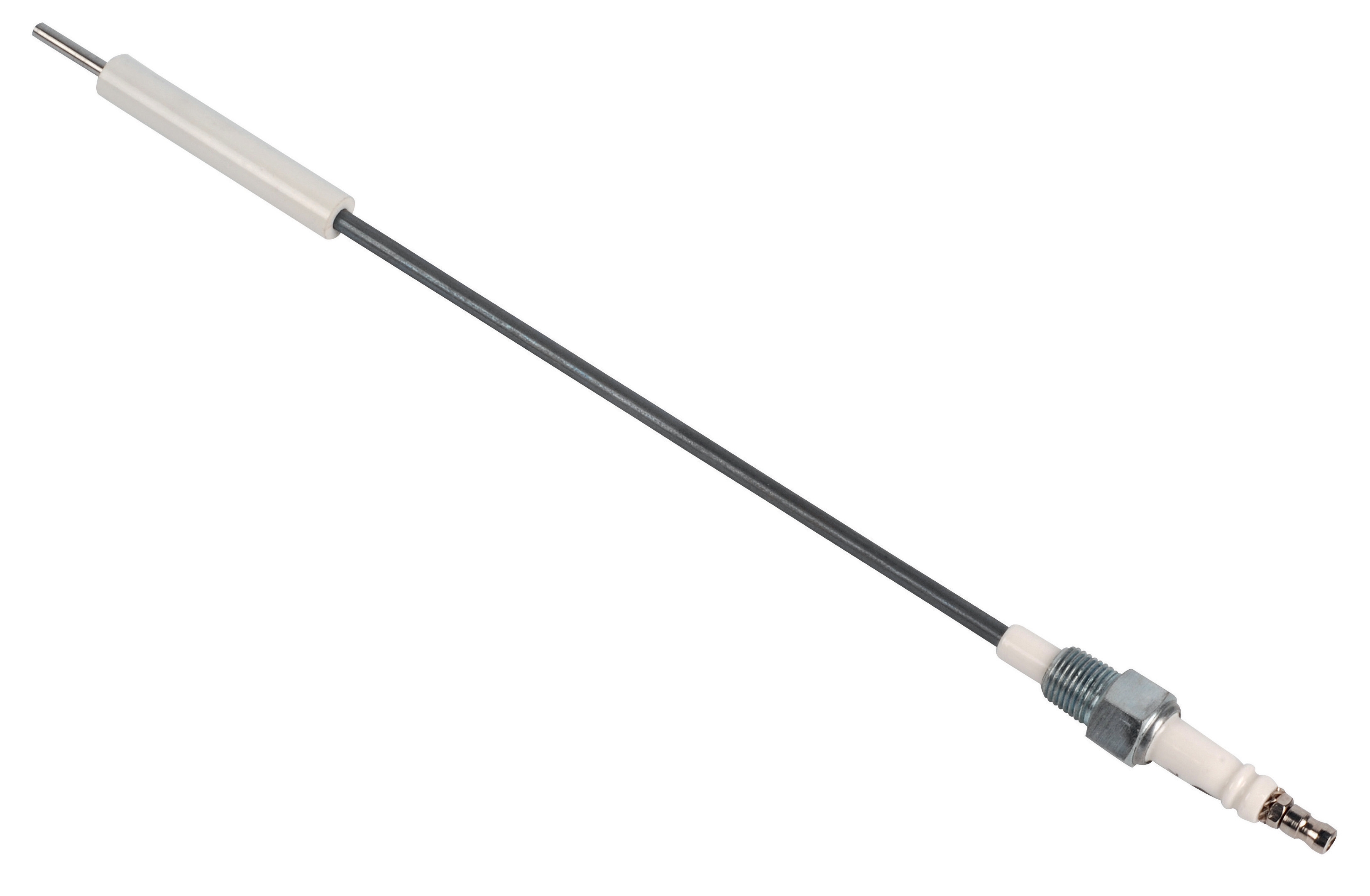
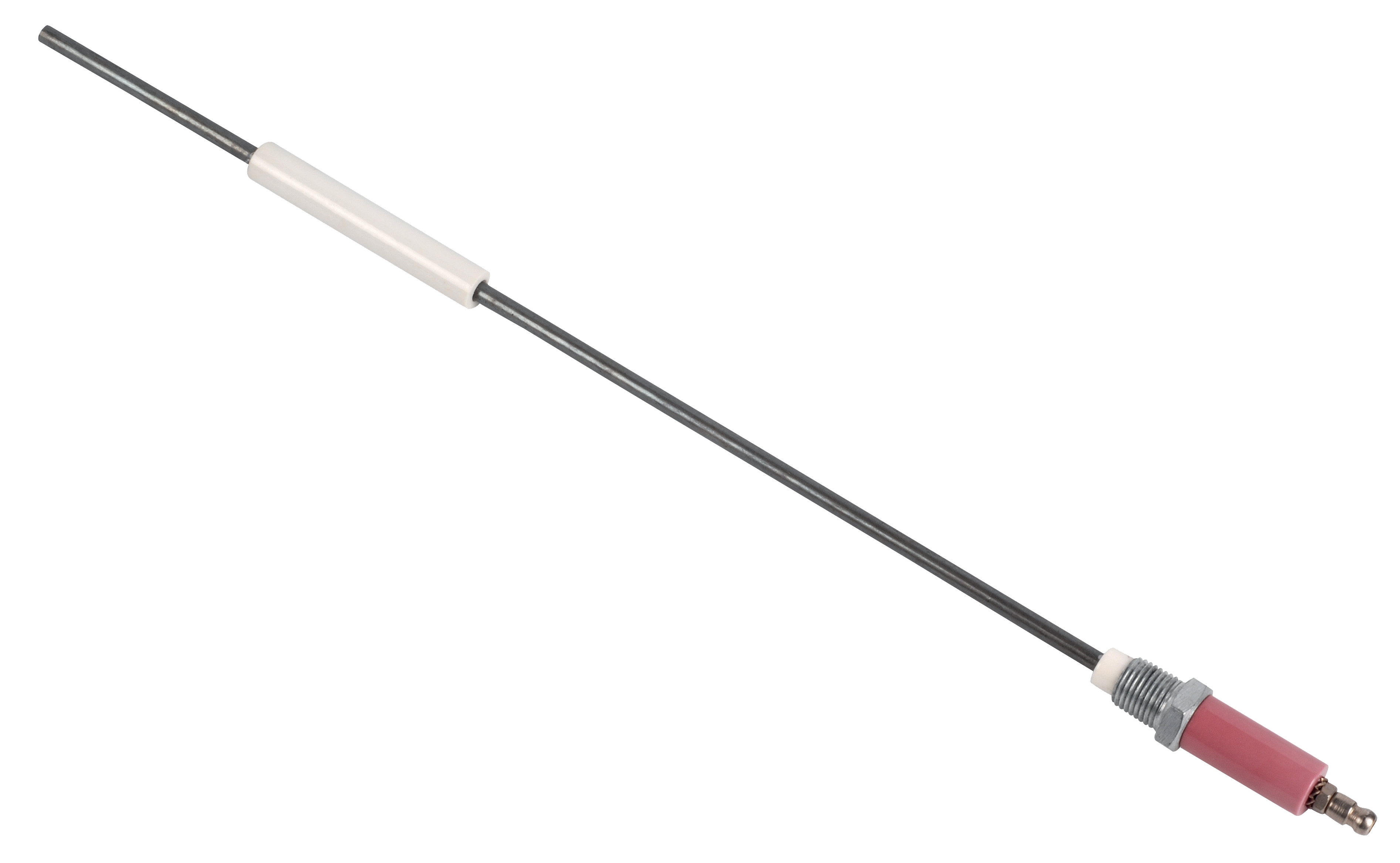
Eclipse manufactures ignition and sensing electrodes for industrial combustion equipment, with product lines serving burner control systems, gas ignition assemblies, and flame-detection applications. The range includes standard and custom ignition electrodes, spark plugs, ionization probes, and related flame-safeguard components designed for integration into industrial burners, boilers, furnaces, and process-heating equipment across manufacturing, petrochemical, and utility sectors. Eclipse electrodes are specified by dimensional standard (thread pitch, electrode gap, probe length) and material composition to match specific combustion-chamber geometry and ignition-voltage requirements. Products are rated for continuous operation in high-temperature environments and are compatible with standard ignition-transformer outputs (typically 4–10 kV). 3G Electric maintains stock of the most frequently deployed Eclipse electrode variants—including standard ignition types (references 00.7030022.01, 00.7030022.02), M14 spark plugs, R1/4" threaded ignition electrodes, and flame-monitoring ionization probes—enabling same-day fulfillment for planned maintenance and emergency replacement. Each SKU is identified by Eclipse's reference designation, allowing cross-verification with OEM equipment documentation and service bulletins. Stock availability covers both metric-threaded and fractional-inch fastener patterns. Technical specifications are accessible via Eclipse reference number, supporting direct equipment pairing and retrofit planning. 3G Electric provides datasheets, dimensional drawings, and compatibility notes to assist plant engineers in electrode selection, particularly when original part numbers are unavailable or when engineering teams require lead-time assurance for scheduled shutdowns.





Frequently asked questions
Common questions about Eclipse from 3G Electric.
What is the difference between Eclipse ignition electrodes and ionization probes?
Ignition electrodes (such as 00.7030022.01 and R1/4x43 types) generate a spark to initiate fuel combustion, requiring high-voltage (typically 4–10 kV) pulses from an ignition transformer. Ionization probes (e.g., reference 10002242-1) detect the presence of flame after ignition by measuring ion conductivity in the combustion zone, feeding a signal back to the burner control system. Ignition electrodes are consumable and subject to erosion; probes are typically longer-lived but must be positioned in the flame envelope.
How do I identify the correct Eclipse electrode reference for my burner?
Start with your equipment's original service manual or nameplate, which should list the Eclipse reference number (e.g., 00.7030022.01 or EC23045). If the reference is unknown, note the thread pitch (M14, R1/4"), overall length, and electrode gap distance, then cross-reference with Eclipse's technical documentation or contact 3G Electric with a photograph and burner model number. 3G Electric holds SKUs for common industrial burner platforms and can assist with dimensional matching.
What causes Eclipse electrode premature failure in the field?
Common failure modes include carbon buildup or fouling (caused by incomplete combustion or fuel contamination), thermal shock from rapid on-off cycling, mechanical vibration leading to crack initiation at the threaded base, and incorrect electrode gap setting. High-frequency ignition demand, water ingress into the electrode cavity, and exceeding the transformer voltage rating accelerate wear. Regular inspection and cleaning during scheduled maintenance extend service life; replacement intervals vary by duty cycle and fuel quality.
Are Eclipse M14 spark plugs interchangeable with automotive plugs?
No. Eclipse industrial spark plugs (e.g., EC23045 M14 L=101mm) are designed for burst-ignition service in burner controls, not continuous automotive ignition. The electrode gap, insulator material, and thermal range are optimized for combustion-chamber pressure and temperature profiles specific to industrial furnaces and boilers. Using automotive plugs in industrial equipment may result in misfire, fouling, or thermal damage.
What does the reference number (e.g., 00.7030022.01 vs. 00.7030022.02) indicate on Eclipse electrodes?
Eclipse reference numbers encode design revisions and dimensional variants. The suffix (.01, .02) typically indicates a change in electrode gap, wire diameter, insulator material, or thread geometry. Without access to Eclipse's full technical matrix, 3G Electric recommends verifying compatibility against your equipment OEM documentation or submitting a photo of the removed electrode to confirm the exact replacement.
Can Eclipse electrodes be repaired or cleaned instead of replaced?
Ignition electrodes may be safely cleaned of light carbon deposits using a soft brass brush and solvent in a well-ventilated area, but erosion of the electrode tip itself cannot be reversed. Once the gap widens beyond the design tolerance (typically 0.8–1.2 mm), spark reliability declines and replacement is necessary. Ionization probes should not be sanded or filed, as damage to the ceramic insulator may cause leakage current and false flame signals.