We ship worldwide — Singapore, Australia, Malaysia, Indonesia, Philippines, India, Middle East & more

ESA logo

ESA

ItalyIgnition & Transformers

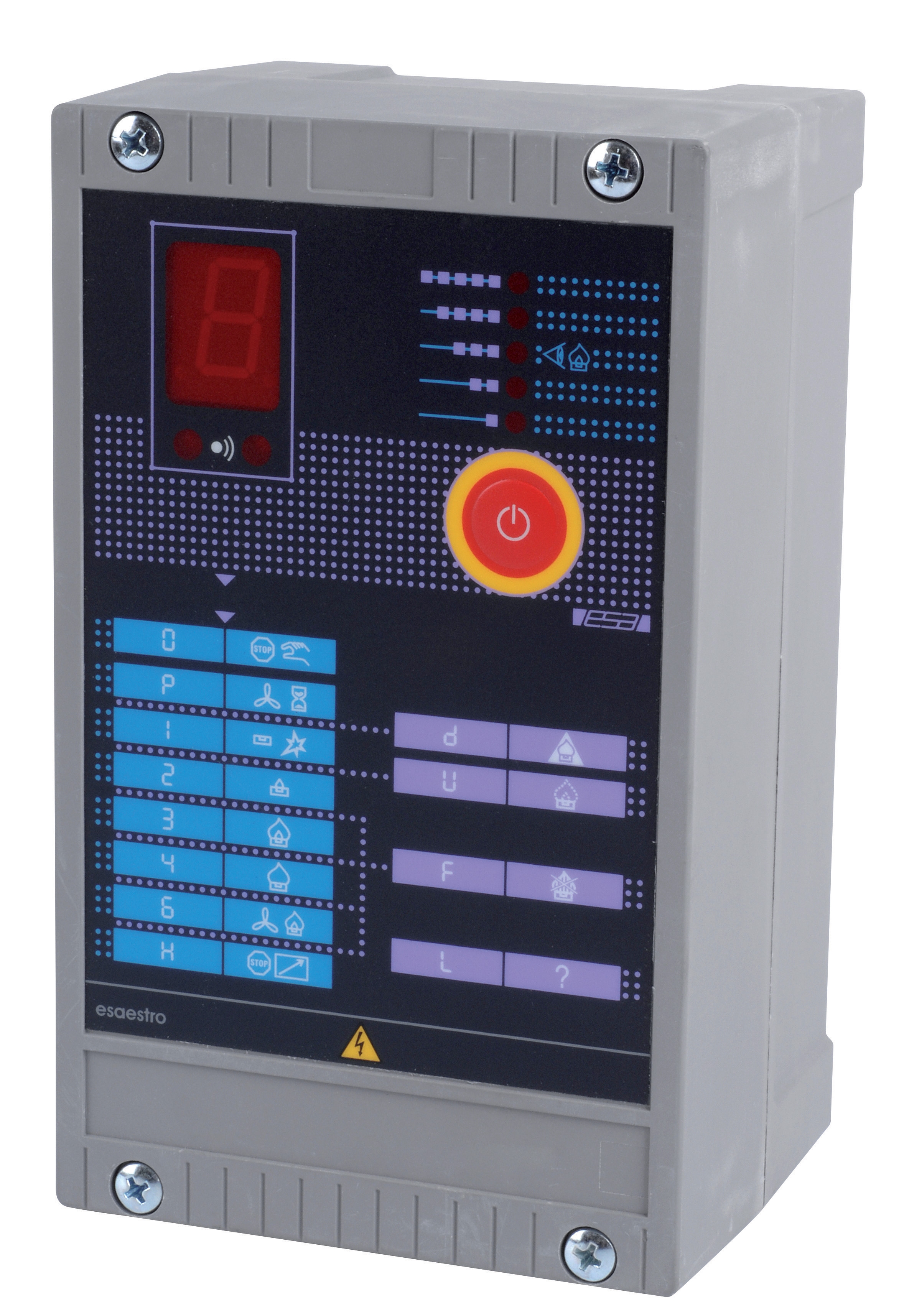
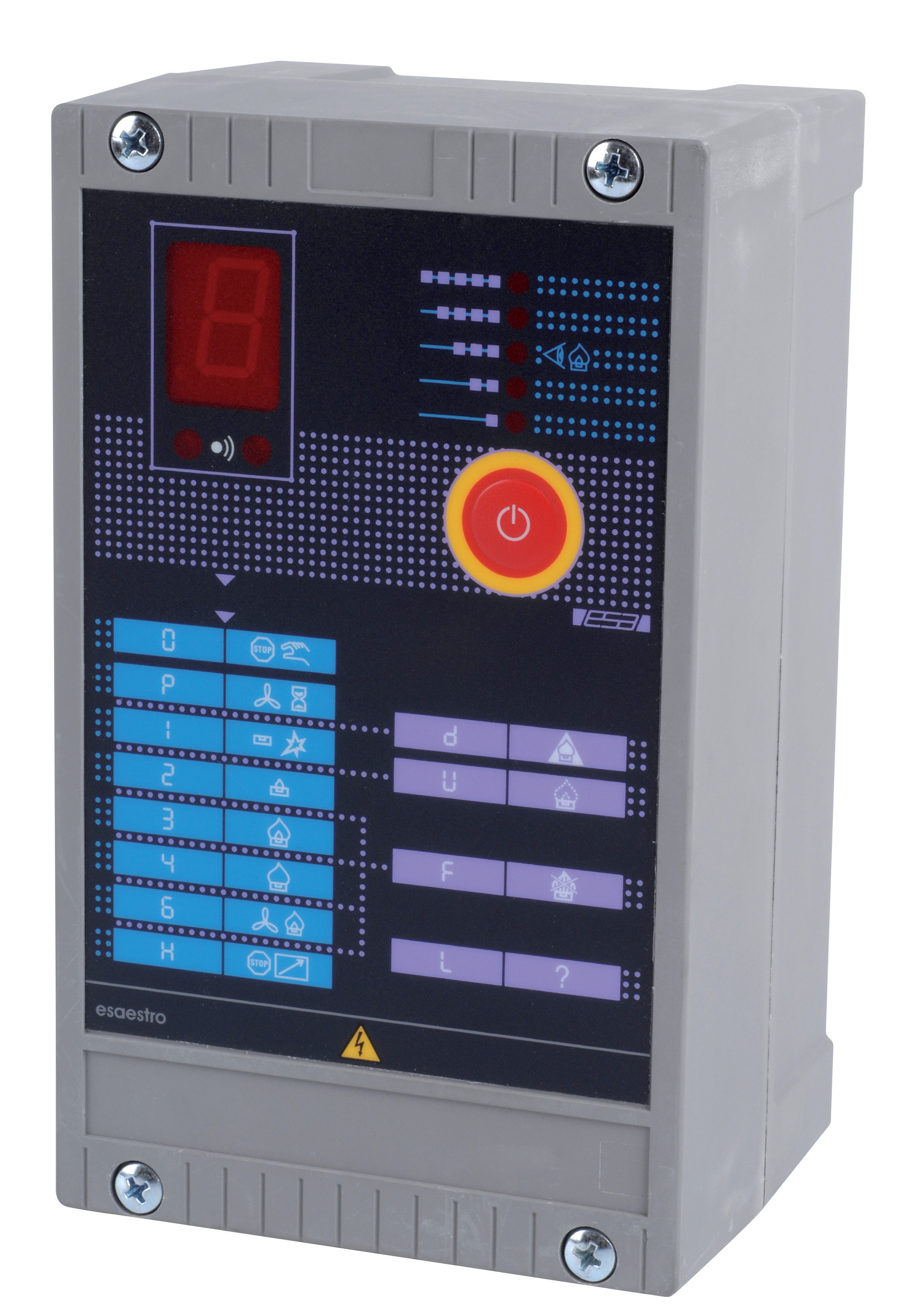
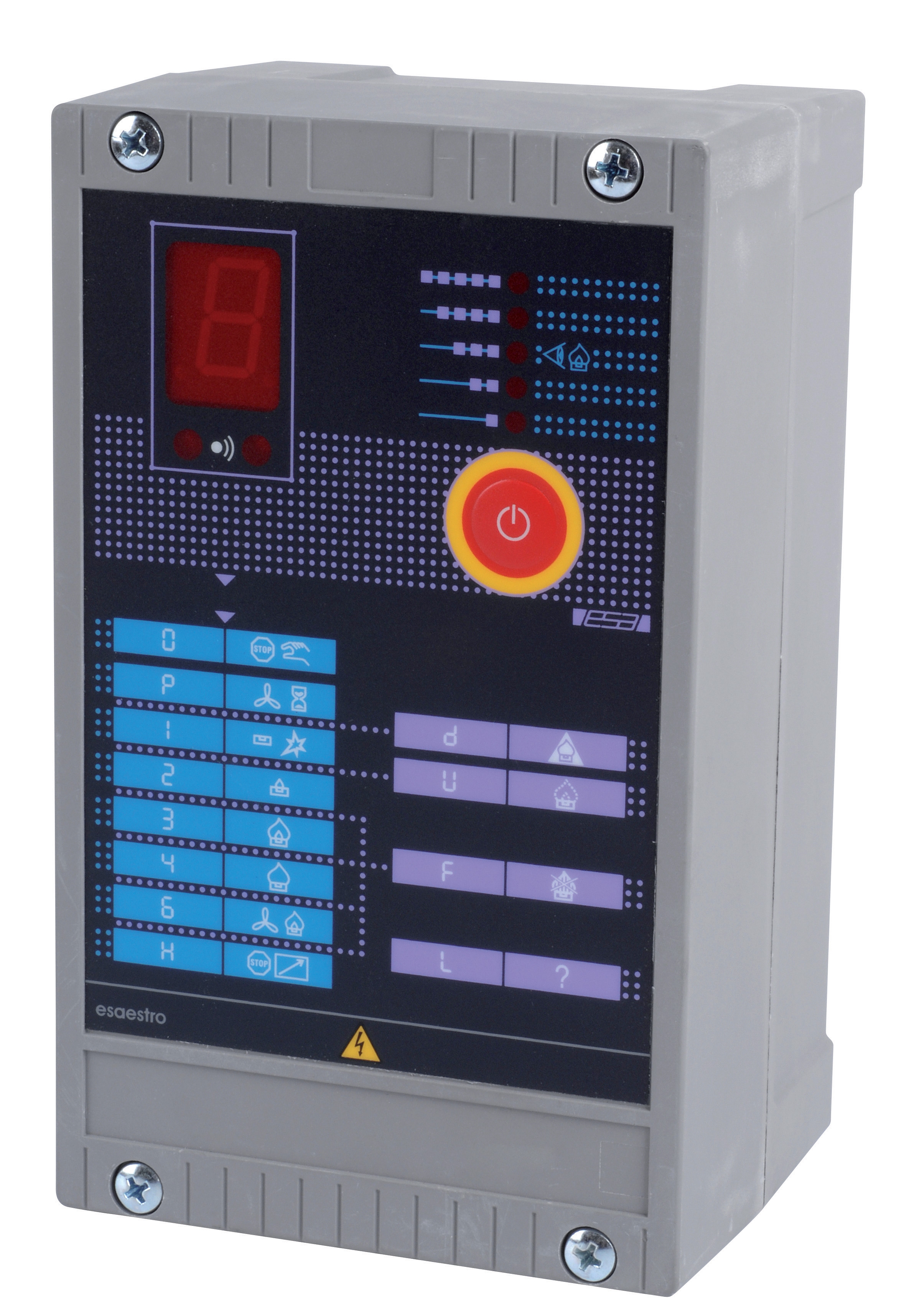
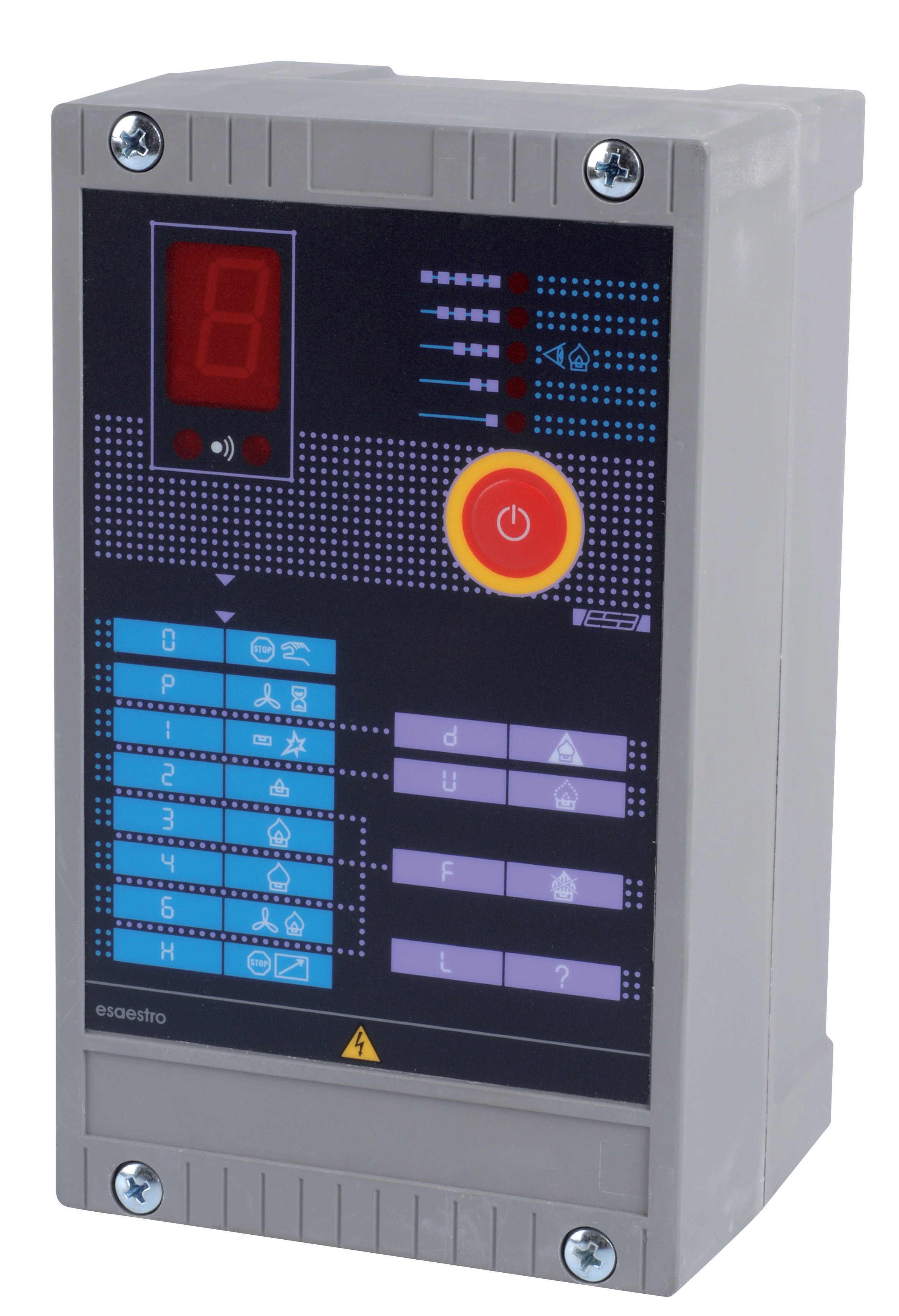
ESA manufactures microprocessor-based burner control and ignition systems for industrial combustion equipment, with a product range spanning flame-detection controllers, driver cards, and photoelectric sensors. The brand specializes in permanent-operation ignition architectures designed to meet EN298 and EU machinery directives (2016/426/EC, 2014/35/EC, 2014/30/EC), serving plant engineers who specify controls for oil and gas burners, industrial heaters, and related thermal equipment. The product lineup includes the ESTRO series (B-V2, C, and Q variants), which use thermosetting glass-fiber or thermoplastic housings and offer IP40 to IP54 environmental protection; the ECS driver-card range for fieldbus integration (supporting RS-232/RS-422 interfaces, max 200 m line length, and 25 VDC fieldbus voltage); and flame-detection modules such as the UV2 photoelectric cell (185–260 nm spectral response) and the Genio 230 V controller with UV or ionization-electrode probe selection. Specifications across the range reflect industrial duty: fused outputs (3.15 A typical), high isolation (>50 MΩ), DIN rail mounting for integration into control cabinets, and probe voltages rated to 280–400 Vac

27
In Collection
12,387
Full Catalog
1 Day
Quote Response
Italy
Origin
Worldwide Shipping
Air & sea freight
Datasheets on Request
Technical specs & drawings
1-Day Quote Response
Singapore-based team
Show
Page 1 of 1
27 products

About ESA

ESA manufactures microprocessor-based burner control and ignition systems for industrial combustion equipment, with a product range spanning flame-detection controllers, driver cards, and photoelectric sensors. The brand specializes in permanent-operation ignition architectures designed to meet EN298 and EU machinery directives (2016/426/EC, 2014/35/EC, 2014/30/EC), serving plant engineers who specify controls for oil and gas burners, industrial heaters, and related thermal equipment. The product lineup includes the ESTRO series (B-V2, C, and Q variants), which use thermosetting glass-fiber or thermoplastic housings and offer IP40 to IP54 environmental protection; the ECS driver-card range for fieldbus integration (supporting RS-232/RS-422 interfaces, max 200 m line length, and 25 VDC fieldbus voltage); and flame-detection modules such as the UV2 photoelectric cell (185–260 nm spectral response) and the Genio 230 V controller with UV or ionization-electrode probe selection. Specifications across the range reflect industrial duty: fused outputs (3.15 A typical), high isolation (>50 MΩ), DIN rail mounting for integration into control cabinets, and probe voltages rated to 280–400 Vac

Common Applications

  • Oil-fired industrial boilers and furnaces — ESA UV2 photoelectric flame sensor and ESTRO C microprocessor controller for persistent flame monitoring
  • Gas burner safety interlocks — ESA ESTRO B-V2 and Genio 230 V with ionization-electrode probe for rapid flame-out detection and solenoid shutdown
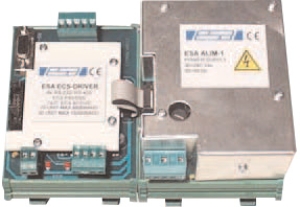
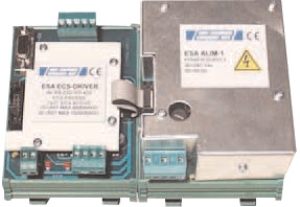
  • Modular burner-control cabinets — ESA ECS driver cards (single/dual) with RS-232/RS-422 fieldbus integration for multi-burner supervisory systems
  • Retrofit ignition upgrades — ESA ESTRO Q exchange controller (second-generation replacement) for existing 115/230 V installations requiring IP54 environmental rating
  • Process-heating equipment — ESA microprocessor burner controls rated EN298 for permanent operation in industrial dryers, ovens, and thermal-recovery units
  • Burner-mounted electrode and probe assemblies — ESA UV2 cell support with 3/4″ gas connection and 280–400 V probe conditioning for integrated flame detection
Origin: Manufactured in Italy

Related brands we carry

Comparable manufacturers in the same product category.

Frequently asked questions

Common questions about ESA from 3G Electric.

What flame-detection technologies does ESA offer in the Genio and ESTRO product lines?

ESA Genio 230 V controllers support UV cell, ionization electrode, or single-electrode flame detection, selectable by application. UV detection uses the ESA UV2 photoelectric cell (185–260 nm spectral response, Ø 3/4" gas connection) for oil-fired burners; ionization probes suit gas-fired equipment. ESTRO series units (B-V2, C, Q) operate as microprocessor burner controls and interface with field-mounted probes via standardized wiring and voltage conditioning.

What is the maximum fieldbus line length for ESA ECS driver cards?

ESA ECS driver cards (single and dual variants) support RS-232 or RS-422 serial interfaces with a maximum line length of 200 m at fieldbus voltage up to 25 VDC. Data rate is rated to 9600 baud. Both versions mount on DIN rail 35 mm (EN 50022) and are rated IP10, suitable for cabinet mounting in industrial control rooms.

Which ESA ignition systems comply with EU machinery directives?

ESA ESTRO B-V2, ESTRO C, and ESTRO Q models are manufactured to EN298 standard and comply with Directive 2016/426/EC (equipment regulations), 2014/35/EC (low voltage), and 2014/30/EC (electromagnetic compatibility). These are appropriate for OEM integration and retrofit into equipment subject to CE marking requirements.

What operating and storage temperature ranges does the ESA ESTRO Q support?

ESA ESTRO Q is rated for 0–50°C operating temperature and –20–80°C storage temperature. It consumes 4 VA maximum, operates at 45–65 Hz on 115 or 230 V (+10–15% tolerance), offers >50 MΩ isolation, and provides IP54 protection—suitable for outdoor or damp industrial environments.

Can ESA ignition controllers be used in both 50 Hz and 60 Hz power systems?

Yes. ESA ESTRO series units, Genio 230 V, and ECS driver cards all operate across 45–65 Hz frequency range, accommodating both 50 Hz (Europe, Asia, Africa) and 60 Hz (North America, parts of Asia) regional power standards. Supply voltage is selectable at 115 or 230 V during procurement.

What is the typical output capacity of the ESA Genio 230 V ignition system?

ESA Genio 230 V is fused at 3.15 A and rated to deliver 3 A @ 230 V for ignition-electrode and solenoid-valve loads. The unit operates 0–60°C with IP40 protection and uses thermoplastic housing, making it suitable for burner-mounted or nearby cabinet installation in industrial heating applications.