Understanding Maintenance & Service Component Architecture
Effective Maintenance & Service operations depend on selecting the right combination of components that work synergistically within your industrial systems. Whether managing burner systems, hydraulic networks, or fuel storage infrastructure, each component plays a critical role in overall system reliability and operational efficiency. With over 35 years of experience as a global industrial equipment distributor, 3G Electric has supported maintenance teams across diverse industries in making these essential selections.
The foundation of preventive maintenance begins with understanding how individual components interact within larger systems. Jet nozzles, fuel system monitors, expansion tank controls, and burner units don't operate in isolation—they form integrated ecosystems requiring careful specification and compatibility verification. Maintenance teams that approach component selection holistically achieve superior reliability metrics and extended equipment lifecycles.
Precision Jet Nozzle Selection: Performance Specifications for Critical Applications
Flat jet nozzles represent fundamental components in fuel delivery systems, directly impacting combustion efficiency and equipment performance. The choice between nozzle specifications significantly affects maintenance requirements, replacement frequency, and operational costs.
Nozzle Index Considerations
The CBM Flat jet nozzle HP 1/4"M BSPT index 25 angle 15° and CBM Flat jet nozzle HP 1/4"M BSPT index 055 angle 15° represent different performance profiles within precision nozzle applications. Index 25 specifications suit applications requiring moderate flow rates with broader atomization patterns, ideal for systems operating within controlled pressure ranges of 5-8 bar. Index 055 variants deliver higher flow capacity with more concentrated spray patterns, designed for systems operating at elevated pressures (8-12 bar) or requiring enhanced fuel penetration.
Maintenance teams should evaluate nozzle selection based on:
- System pressure profiles: Index 25 suits lower-pressure systems with consistent demand patterns
- Atomization requirements: Index 055 provides superior combustion efficiency in high-demand applications
- Replacement intervals: Higher index ratings often correlate with extended service life under proper operating conditions
- Compatibility verification: Both 1/4"M BSPT threading ensures standardized integration across compatible burner assemblies
The 15° angle specification on both models provides consistent spray geometry, critical for maintaining combustion stability across load variations. Maintenance documentation should clearly specify which index configuration is deployed, as field interchangeability creates operational risks when not properly managed.
Advanced Burner Systems: Modulating Capability and Maintenance Implications
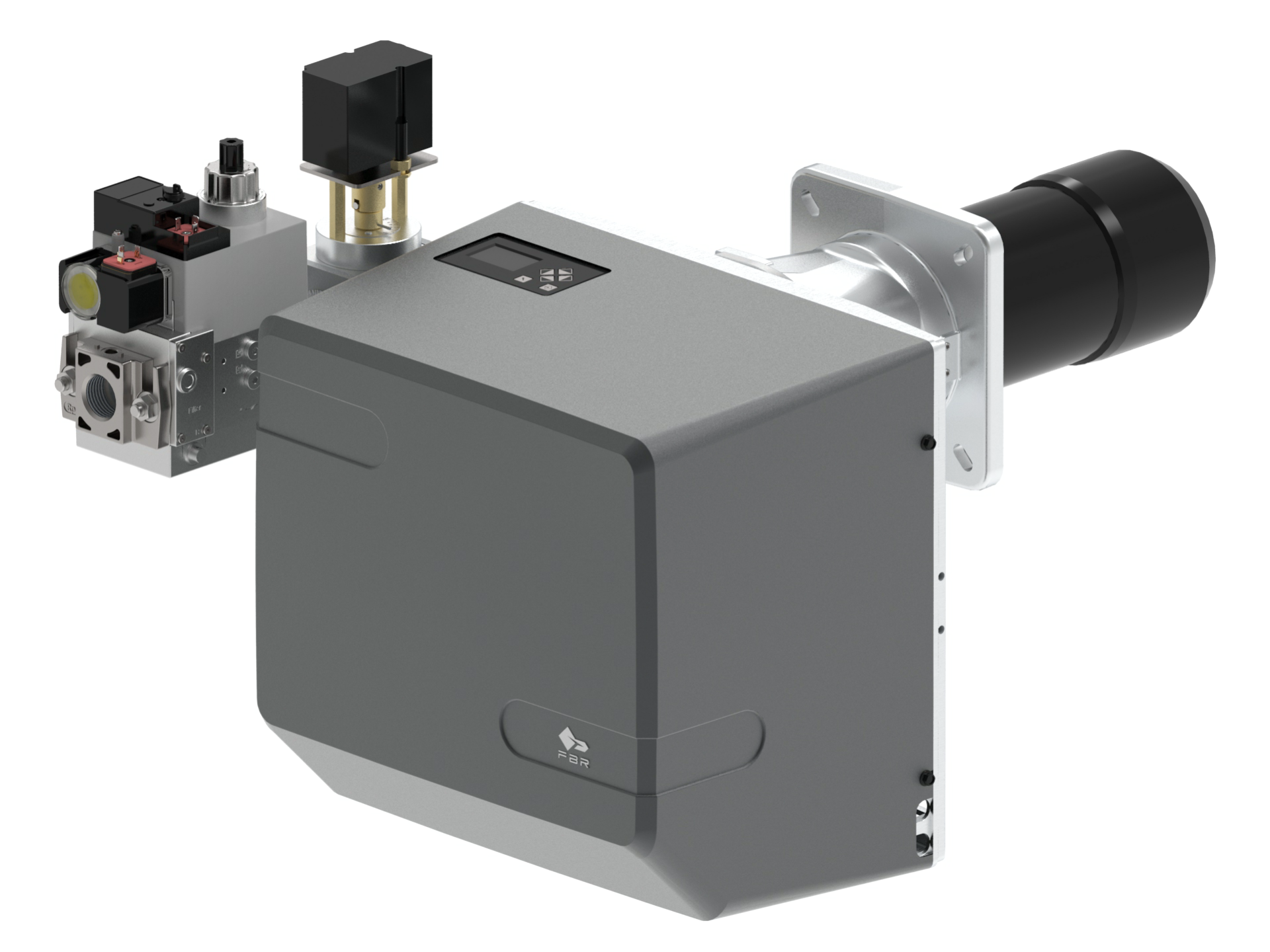
The FBR BURNER GAS X5/MF TL EL VC LPG represents a significant advancement in fuel delivery flexibility, particularly for facilities managing variable load demands. This gas modulating burner incorporates PID (Proportional-Integral-Derivative) fully modulating capability when equipped with optional modulation kit and probe components.
Burner Architecture and Maintenance Requirements
The X5/MF design features die-cast aluminum body construction with high-pressurization fan systems, engineered for reliability in demanding industrial environments. Maintenance teams should understand that modulating burners introduce additional complexity compared to on-off models:
- Probe maintenance: Flame detection probes require regular cleaning (typically quarterly) to maintain signal accuracy
- Modulation kit servicing: Optional PID modulation equipment necessitates annual calibration verification
- Fan bearing inspection: High-pressurization fans require lubrication checks every 500 operating hours
- Fuel line filtration: Enhanced filtration becomes critical upstream of modulating nozzles
The FBR X5/MF's dual-fuel capability (LPG configuration available) provides operational flexibility but requires maintenance teams to maintain separate service protocols for each fuel type. Propane systems demand more frequent filter replacement and moisture monitoring compared to natural gas operations.
Modulating vs. Non-Modulating Economics
Modulating burners reduce fuel consumption by 15-25% under variable load conditions, directly offsetting the increased maintenance complexity. Maintenance teams evaluating this investment should calculate the payback period based on:
- Annual operating hours at partial load
- Fuel cost per unit in your region
- Estimated maintenance labor costs (typically 8-12 hours annually)
- System downtime implications during component replacement
For facilities operating at consistent full load, non-modulating options may prove more economical. For operations with significant load variation, the FBR X5/MF typically achieves payback within 18-36 months.
Fuel System Monitoring and Storage Integration
Robust Maintenance & Service operations require comprehensive fuel system oversight, encompassing storage monitoring, pressure management, and emergency shutdown capabilities. This section examines how modern monitoring components integrate into preventive maintenance strategies.
Tank Monitoring and Safety Systems
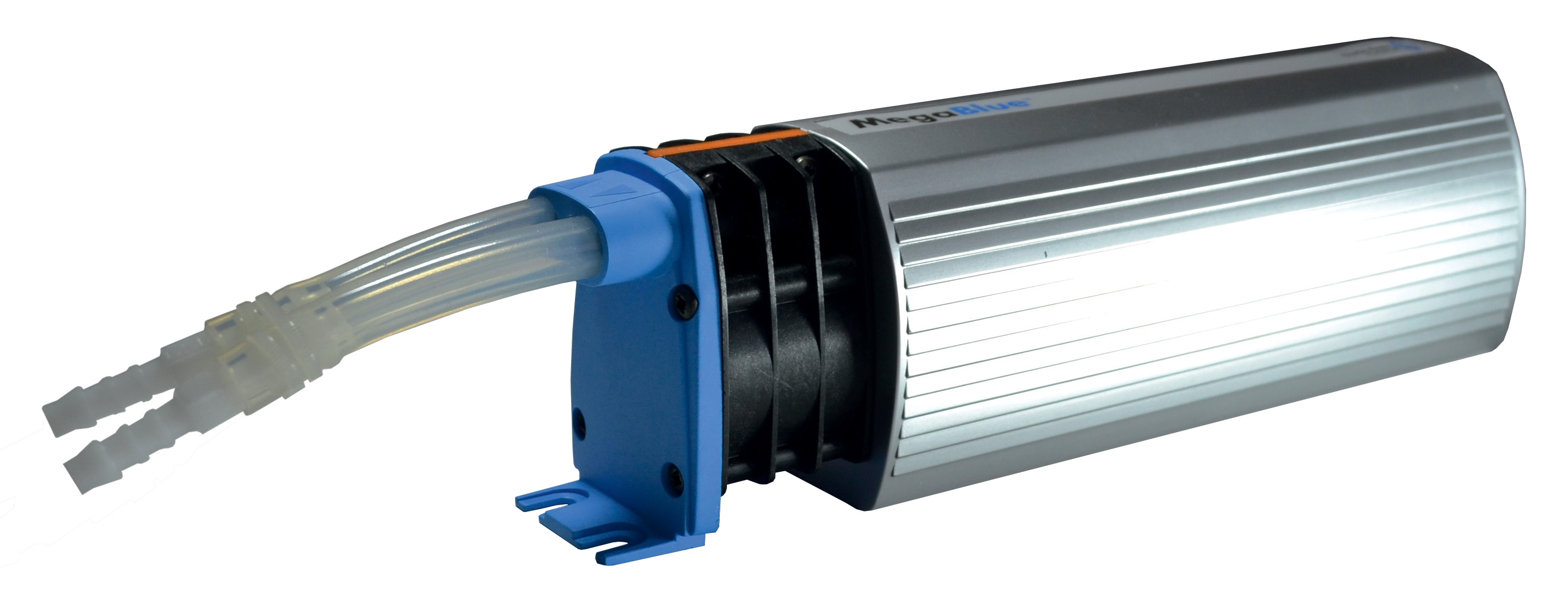
The CBM Megablue reservoir alarm + shut-off X87-813 provides dual-function capability—real-time level monitoring with automated emergency shutdown when fuel supplies reach critical thresholds. For maintenance teams, this component offers multiple advantages:
- Predictive maintenance triggers: Fuel level trending enables proactive replenishment scheduling
- System protection: Automatic shutoff prevents dry-run conditions that damage fuel pumps
- Safety compliance: Meets international regulations requiring fuel delivery interruption when supplies reach minimum safe levels
- Remote monitoring options: Modern versions support IoT integration for real-time facility oversight
Proper installation of the X87-813 requires:
1. Correct float mechanism calibration at system startup
2. Annual cleaning of fuel level sensor windows (fuel contamination obscures sensor accuracy)
3. Testing of emergency shutdown function quarterly
4. Documentation of fuel consumption patterns to optimize alarm thresholds
Expansion Tank Pressure Management
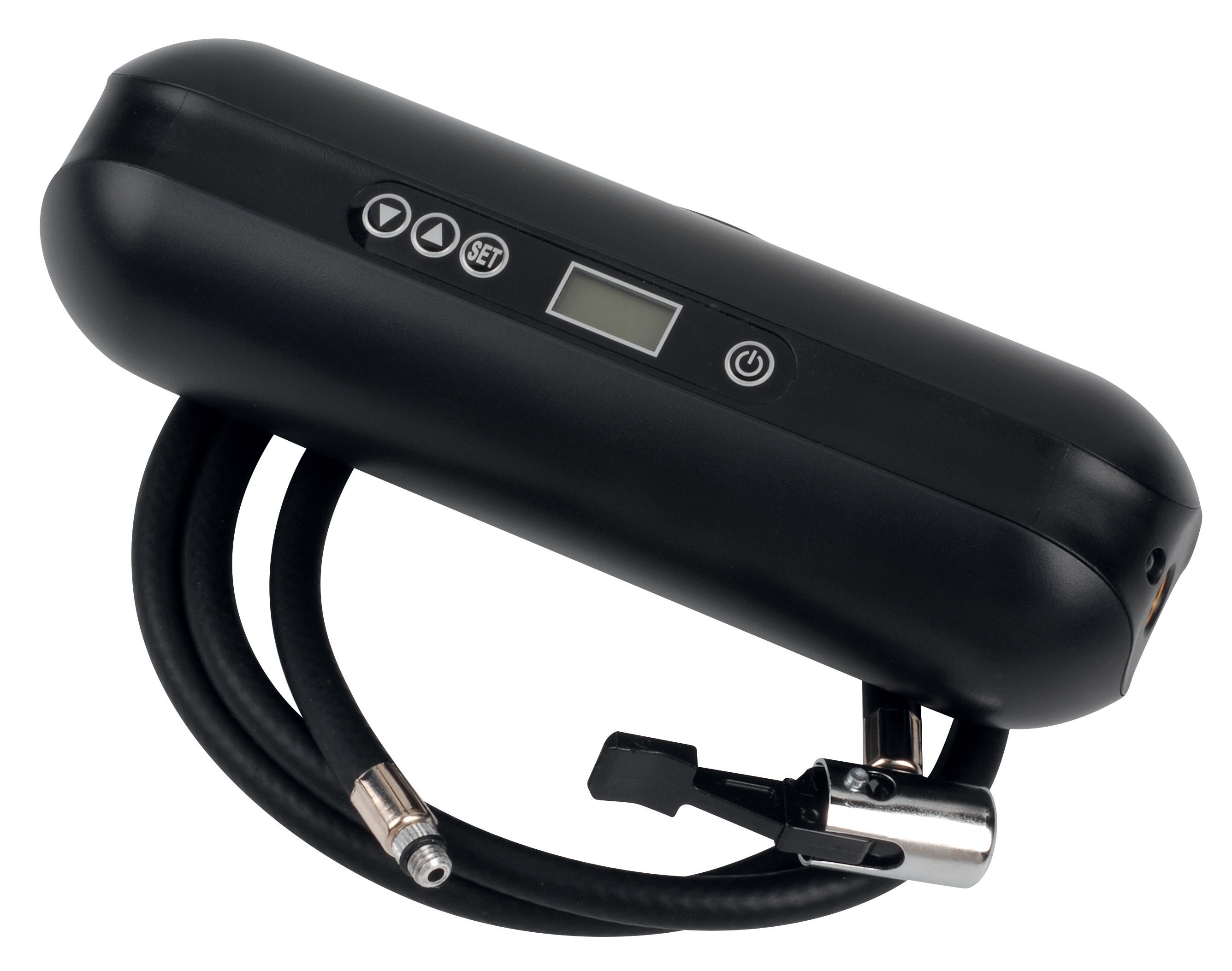
The CBM Expansion tank inflator battery 2000 mAH represents a critical but often overlooked maintenance component. Expansion tanks absorb pressure fluctuations in closed hydraulic and heating systems, protecting equipment and improving longevity.
Battery-powered inflators address a fundamental maintenance challenge: maintaining proper pre-charge pressure in expansion tanks without requiring pneumatic infrastructure or manual nitrogen bottles. The 2000 mAH capacity provides sufficient energy for:
- Initial tank pre-charging (typically 15-30 minutes per tank)
- Pressure verification during preventive maintenance cycles
- Emergency field adjustments when portable nitrogen sources are unavailable
Maintenance best practices for expansion tank management:
- Pre-charge verification: Check pressure quarterly on all expansion tanks; improper pre-charge causes accelerated bladder failure
- Inflator battery management: Recharge the MES20002 battery monthly to ensure availability during maintenance windows
- Temperature considerations: Pre-charge pressure varies with system temperature; measurements should occur at stable operating temperatures
- Documentation: Maintain detailed records of all pre-charge adjustments, enabling trend analysis and early failure detection
Improper expansion tank maintenance cascades into secondary failures: over-pressurized tanks rupture; under-pressurized tanks allow fluid contamination and component damage. The modest investment in dedicated inflators (like the MES20002) prevents expensive system failures.
Integrated Maintenance Planning: Component Interaction and System Optimization
Selectin individual components in isolation risks creating incompatible assemblies with poor reliability profiles. Maintenance teams should approach component selection through an integrated systems lens.
Nozzle-Burner Compatibility Mapping
The flat jet nozzles (TEC02060 and TEC02021) must be selected with explicit consideration for your specific burner model. Nozzle index rating determines the fuel flow rate at given pressure; mismatched combinations result in:
- Over-fueling: Higher index nozzles on lower-pressure systems create poor combustion and smoke generation
- Under-fueling: Lower index nozzles on high-pressure systems fail to deliver required fuel mass, reducing output
- Combustion instability: Improper atomization creates flame instability, increasing risk of burner shutdown
Maintenance documentation should permanently record which nozzle indices are installed in which systems, preventing field confusion during emergency replacements.
Fuel Supply Chain Architecture
Integrating the Megablue monitoring system (CLI52402) with proper expansion tank management (MES20002) creates a comprehensive fuel delivery monitoring architecture. This combination enables:
- Early detection of fuel leakage: Tank level trending reveals anomalous consumption patterns
- Pressure stability assurance: Properly pre-charged expansion tanks maintain consistent delivery pressure
- Emergency response capability: Automated shutoff prevents secondary damage when fuel supplies are depleted
3G Electric's 35+ years of experience demonstrates that facilities implementing integrated monitoring systems experience 40-60% reduction in unplanned downtime compared to facilities relying on manual checks alone.
Procurement Strategy and Maintenance Team Empowerment
Maintenance teams often lack purchasing authority, but technical input into component selection directly impacts their operational efficiency. When specifying replacements or planning upgrades, maintenance personnel should provide procurement departments with:
- Failure mode documentation: Historical data on component failures, replacement frequency, and associated downtime costs
- Compatibility matrices: Clear specifications ensuring selected components integrate seamlessly
- Total cost of ownership analysis: Not just acquisition cost, but installation labor, training requirements, and expected service life
- Regulatory compliance verification: Ensuring all selected components meet relevant industrial safety standards
3G Electric's technical team stands ready to support your analysis with detailed product specifications, compatibility verification, and performance data from installations across your region.
Conclusion: Strategic Component Selection for Operational Excellence
Maintenance & Service excellence emerges from systematic component selection grounded in technical understanding and operational experience. By carefully evaluating nozzle specifications, burner capabilities, monitoring systems, and expansion tank management as integrated assemblies, maintenance teams transform reactive troubleshooting into proactive reliability engineering.
The components examined in this article—from precision jet nozzles to advanced monitoring systems—represent the technical foundation upon which dependable industrial operations are built. Maintenance teams that master component selection, integration, and lifecycle management unlock significant competitive advantages: reduced downtime, extended equipment life, and optimized operating costs.
Contact 3G Electric's technical specialists to discuss your specific maintenance challenges and component requirements. With global distribution capabilities and 35+ years of industrial equipment expertise, we're positioned to support your maintenance strategy with the right components, delivered reliably, backed by technical support your team can trust.