Understanding Spray System Industry Applications in Singapore
Spray systems are critical in Singapore's manufacturing, food processing, pharmaceutical, and petrochemical sectors. These systems combine high-pressure pumps, regulators, and nozzles to deliver precise fluid atomization for cleaning, coating, and processing operations. Drawing on 35+ years of industrial equipment distribution experience, 3G Electric has identified that spray system failures typically result from three interconnected issues: pump performance degradation, pressure regulation breakdown, and nozzle obstruction or misalignment.
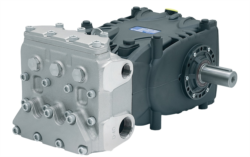
For procurement engineers, understanding these failure modes is essential when selecting replacement components or designing system upgrades. The Pratissoli KF30 high-performance pump (106 L/min, 200 bar) and Pratissoli MW40 pump (211 L/min, 210 bar) are commonly specified in Singapore's industrial operations because they maintain consistent outlet pressure under variable demand—a key requirement for reliable spray applications.
Diagnosing Pump-Related Pressure Failures
The most common spray system failure occurs when pump output pressure drops unexpectedly, causing uneven spray patterns or incomplete surface coverage. This directly impacts production quality and material waste.
Symptoms to identify:
- Pressure gauge readings drop 15-30 bar below specification
- Spray pattern becomes irregular or asymmetrical
- Flow rate decreases while motor amperage remains constant
- Fluid temperature rises at pump discharge
When these symptoms appear, procurement engineers must distinguish between pump wear and external system issues before authorizing replacement. Internal pump wear—manifested as worn gear teeth or damaged shafts—results in leakage and cannot be repaired. However, 70% of pressure losses stem from system-level issues that don't require pump replacement.
First, isolate the pump by measuring inlet and outlet pressure simultaneously. If inlet pressure is below 0.5 bar (atmospheric), the problem is upstream: blocked intake line, saturated suction filter, or low reservoir level. These conditions force the pump to cavitate, creating vapor pockets that destroy pump components. Resolution doesn't require pump replacement—clean the intake line, replace the suction filter, and verify reservoir level.
If inlet pressure is normal but outlet pressure is low, activate the pump unloaded (no nozzles spraying). If pressure climbs to specification, the regulator is the problem, not the pump (see next section). If pressure remains low even unloaded, the pump requires replacement.
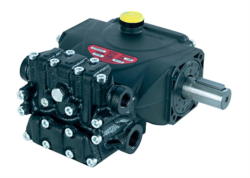
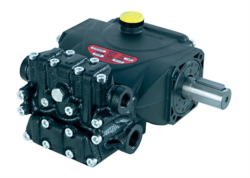
The Interpump E1D1808 compact gear pump (8 L/min, 180 bar, 2.72 kW) serves as an excellent replacement option for smaller spray circuits because it's proven reliable in food processing and pharmaceutical applications across Singapore. Its compact 5 kg weight simplifies installation in space-constrained environments.
Pressure Regulator and Nozzle Compatibility Troubleshooting
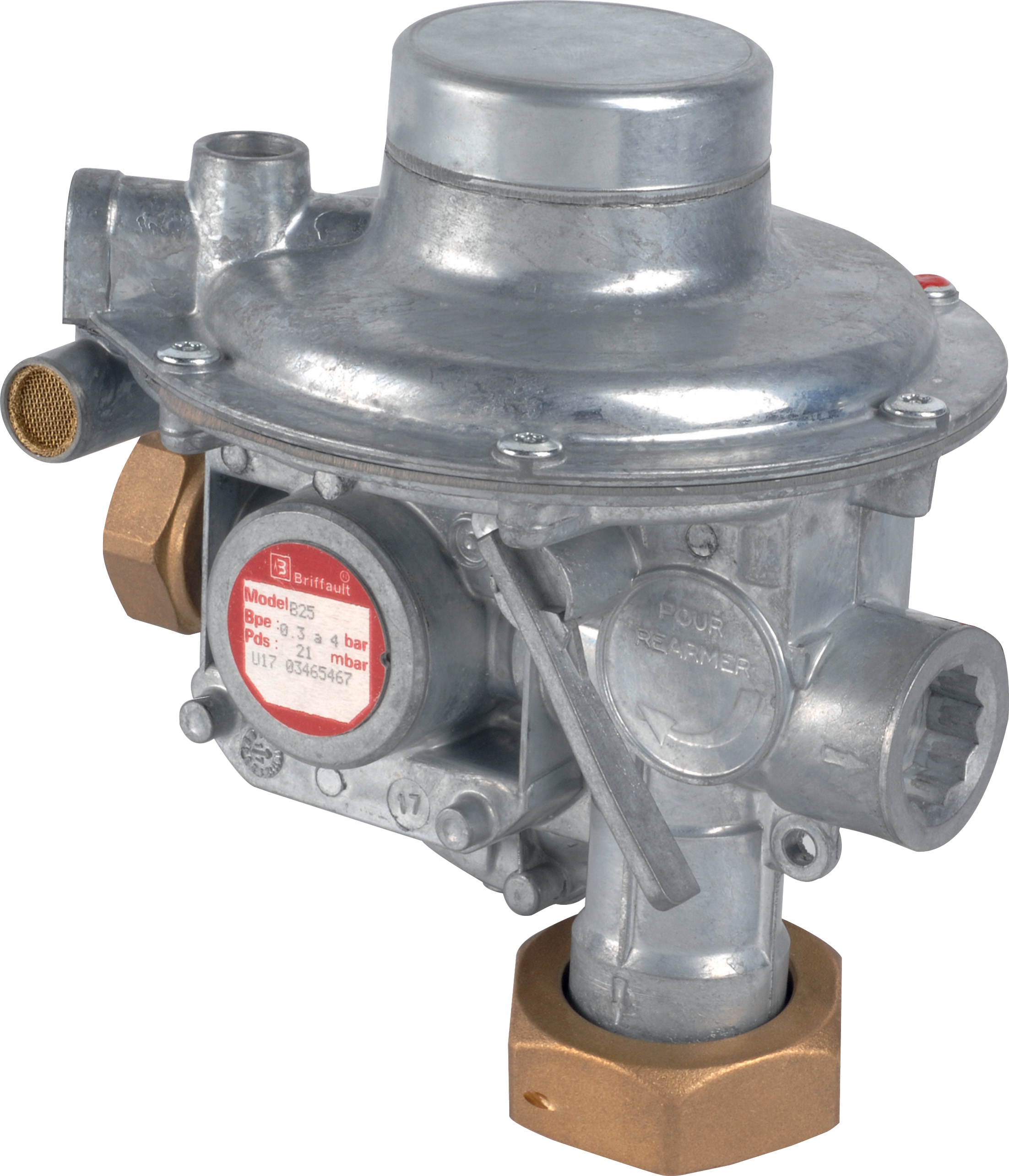
Pressure regulators are the second critical failure point. The Francel B25/37mb pressure regulator with safety relief maintains consistent 37 mbar outlet pressure and is widely used in laboratory gas distribution, but industrial spray applications require different regulator specifications.
Key regulator failure indicators:
- Pressure fluctuates ±5 bar or more during operation
- Pressure creeps upward (increases) after the pump shuts down
- Regulator body becomes hot during normal operation
- Relief valve vents continuously without reaching setpoint
Connect a digital pressure gauge directly to the regulator outlet (bypass all downstream piping). Run the pump at full capacity with no nozzles spraying. Record the pressure every 30 seconds for 5 minutes. Stable readings indicate a good regulator; fluctuating readings suggest:
1. Regulator internal seat damage: The sealing surface has become pitted or scored, preventing the control valve from closing fully. Resolution: Replace the regulator cartridge or entire unit.
2. Pilot drain blockage: Regulators use pilot pressure to control the main valve seat. If the drain line clogs, pilot pressure cannot equalize, causing erratic pressure control. Resolution: Purge the pilot drain line and replace the drain filter.
3. Incompatible fluid viscosity: Using fluid thinner than the regulator's design specification (typically ISO VG 46) causes excessive internal leakage and poor pressure stability. For Singapore's hot operating environment, verify fluid grade matches regulator specifications.
Once regulator integrity is confirmed, verify nozzle compatibility. The Euspray flat jet nozzle with 25° spray angle and 1/4" BSPT connection is optimized for cleaning and coating applications requiring focused spray patterns.
Nozzle-related pressure issues:
When regulators function correctly but system pressure remains below specification, the nozzle orifice is likely blocked. Blockage causes the pump to work harder against higher backpressure, but modern pump motors may not draw sufficient amperage to indicate overload. Blocked nozzles appear as:
- Spray pattern with dead zones or asymmetric coverage
- Pressure rising but flow (measured by collection volume) decreasing
- Uneven wetting on vertical surfaces despite correct pressure reading
Remove and inspect the nozzle visually using 10x magnification. Mineral deposits, polymerized fluid, or particulate matter typically accumulate at the orifice. For the Euspray nozzle, use a soft brass brush and ISO-certified cleaning fluid (never compressed air, which can damage the precision-machined orifice). Soak the nozzle in approved solvent for 30 minutes before brushing.
If blockage recurs within 2-3 weeks, upstream filtration is inadequate. Procure a finer filter element (absolute rating 10 microns or lower) and establish a filter replacement schedule based on fluid contamination analysis.
System-Level Diagnostics: Flow Testing and Component Selection
After isolating pump, regulator, and nozzle issues, procurement engineers should implement systematic flow testing to validate component selection for future upgrades.
Flow rate verification procedure:
Measure actual flow output by collecting spray discharge into a calibrated container for exactly 60 seconds. Compare measured flow against pump nameplate specification.
- Acceptable variance: ±5% of rated flow (e.g., KF30 rated 106 L/min can deliver 100-111 L/min)
- Unacceptable variance: >5% loss indicates internal pump leakage or system restriction
When flow loss exceeds 5%, map pressure across the system:
1. Measure pump discharge pressure (main gauge)
2. Measure pressure immediately downstream of regulator
3. Measure pressure at each nozzle inlet
4. Calculate pressure drop across regulator: (Step 1) - (Step 2)
5. Calculate pressure drop across downstream plumbing: (Step 2) - (Step 3)
Regulator pressure drop should not exceed 5 bar at rated flow. Plumbing pressure drop should not exceed 3 bar. Higher drops indicate undersized piping or excessive fitting count.
Component selection for Singapore industrial environments:
Singapore's humid, high-temperature climate accelerates fluid degradation and corrosion. When selecting replacement pumps, specify stainless steel or nickel-plated components if the application involves water-based fluids or marine environments. The Pratissoli KF30 and MW40 pump families are available in corrosion-resistant variants suited to these conditions.
For pressure regulators, confirm compatibility with your fluid type. Synthetic hydraulic fluids have different viscosity-temperature relationships than mineral oils and may exceed safe pressure drop rates across older regulators.
Nozzle selection requires matching spray angle and flow capacity to the specific application. The 25° spray angle of the Euspray nozzle creates a tightly focused pattern suitable for precision cleaning or targeted coating. For flood-type washing applications, consider 40° or wider angles instead.
Preventive Maintenance Framework for Procurement Planning
Establishing preventive maintenance reduces unplanned downtime and extends component life. Procurement engineers should budget for:
Quarterly interventions:
- Fluid sampling and viscosity analysis
- Suction filter element inspection and replacement
- Pressure gauge calibration verification
- Nozzle removal and cleaning (prevent blockage escalation)
- Regulator pilot line flushing
- System flush with approved cleaner (if contamination increases)
- Complete nozzle replacement (orifices degrade after extended use)
- Pressure regulator cartridge replacement
- Pump case drain filter replacement
Documenting these interventions enables trending: if regulator cartridges fail every 8 months instead of the expected 18 months, fluid contamination is driving premature failure—requiring upstream filtration upgrades.
With 35+ years supplying industrial equipment to Singapore manufacturers, 3G Electric's technical team can assist with component specification and troubleshooting. By following this systematic diagnostic approach, procurement engineers can reduce spray system downtime, minimize material waste, and make informed replacement decisions that optimize total cost of ownership.