Understanding Spray System Industry Applications in Singapore Manufacturing
Spray systems represent a critical component in diverse manufacturing operations across Singapore—from automotive coating lines to precision cleaning, food processing, and chemical treatment applications. Drawing on 35+ years of industrial equipment experience, 3G Electric recognizes that spray system failures create cascading production losses: coating defects trigger rework cycles, inconsistent spray patterns reduce material efficiency, and pressure fluctuations compromise application quality.
Plant managers face unique operational challenges in Singapore's tropical climate and high-speed production environments. Equipment operates continuously in humid conditions with aggressive washdown protocols, accelerating component wear. Pressure-dependent spray systems demand diagnostic rigor—failures often stem from multiple interconnected causes rather than single component faults.
This troubleshooting guide focuses on systematic diagnosis of spray system performance issues, enabling rapid root-cause identification and targeted remediation strategies.
Section 1: Diagnosing Spray Pattern Degradation and Nozzle Performance Issues
Spray pattern degradation represents the most common symptom of system malfunction. When operators report uneven coating coverage, widening spray angles, or visible streaking, the diagnostic sequence must differentiate between nozzle-specific failures and upstream pressure issues.
Initial Observation Protocol
Begin by documenting the specific pattern failure: asymmetrical spray, loss of coherence, or reduced atomization. The Euspray flat jet nozzle with 25° spray angle serves high-pressure applications where precision spray geometry is critical. If spray angle has expanded beyond design parameters, suspect internal erosion or housing deformation.
Physical inspection reveals nozzle degradation mechanisms:
- Erosion patterns: Cavitation or abrasive particle impact creates irregular orifice enlargement, widening spray angle and reducing pressure drop across the nozzle
- Crystal buildup: Mineral deposits from hard water or process fluids accumulate at the orifice, blocking flow asymmetrically
- Thread damage: BSPT connection damage causes intermittent sealing loss and pressure pulsation
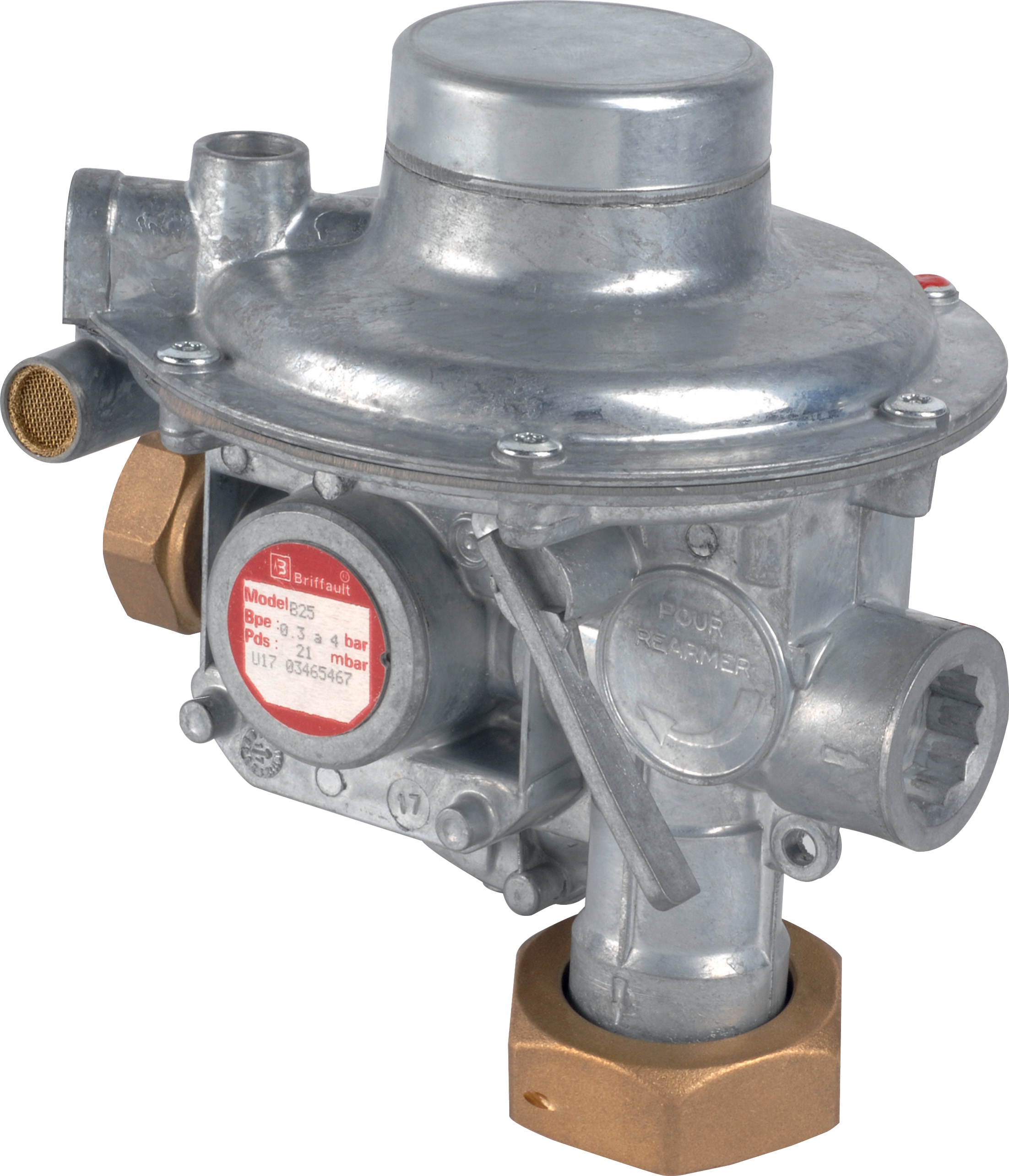
Before removing the nozzle, measure inlet pressure with a calibrated gauge positioned within 300mm of the nozzle connection. At rated flow conditions, compare measured pressure against equipment specifications. The Francel B25/37mb pressure regulator maintains precise outlet pressure (37 mbar) essential for consistent spray delivery. If system pressure fluctuates by more than ±5% during steady operation, suspect upstream regulator or pump issues rather than nozzle failure.
Connect a pressure test gauge directly to the nozzle inlet using a 1/4" M BSPT adapter. Run the system at operating temperature and observe pressure stability over 5-minute intervals. Pressure oscillations exceeding 10 bar indicate pump discharge irregularities or regulator hunting cycles. In these cases, isolate the nozzle, clean, and reinstall before investigating pump performance.
Nozzle Extraction and Cleaning
Once pressure baseline is confirmed stable, remove the nozzle using appropriately sized wrenches to prevent thread stripping. Never apply excessive torque—BSPT threads engage fully at 1.5 turns beyond hand-tight.
For crystal or mineral buildup, soak the nozzle in warm demineralized water for 30 minutes, then carefully flush the orifice using reverse water pressure (never direct compressed air through the spray opening, as this can push deposits deeper into the passage). Stubborn deposits require overnight soak in dilute citric acid (50g per liter water) at 40°C.
Inspect the orifice opening under magnification (10x minimum). Normal geometry shows a sharp-edged circular or flat-jet opening. Erosion appears as rounded edges, irregular perimeter, or visible pitting. If erosion is visible, the nozzle has reached end-of-service life and requires replacement—attempting to restore eroded nozzles produces unreliable spray performance.
After cleaning, reinstall and conduct a 15-minute break-in run at reduced pressure (60% of rated), allowing controlled flow to re-establish optimal hydraulic geometry. This prevents shock-loading the cleaned nozzle and extends service life by 20-30%.
Section 2: Pressure System Stability and Pump Performance Correlation
Spray system quality depends fundamentally on pressure consistency. Plant managers must recognize that pressure fluctuations exceeding ±3% distort spray pattern geometry and reduce coating uniformity. Diagnosing pressure instability requires understanding your pump's capability and the regulator's response characteristics.
Pump Selection and Capacity Assessment
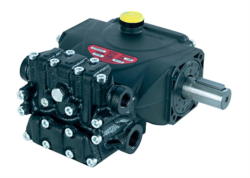
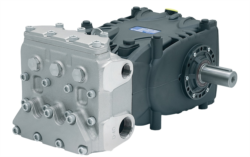
For high-flow applications (150+ L/min), the Pratissoli MW40 delivers 211 L/min at 210 bar with 85 kW power input, engineered for sustained industrial duty. For medium-duty operations, the Pratissoli KF30 provides 106 L/min at 200 bar with 40 kW input. Undersized pump selection—a common failure mode in retrofit operations—forces the pump beyond its comfort zone, causing cavitation, erratic discharge, and pressure spiking.
Verify your installed pump capacity against actual system flow demand. Calculate demand by measuring the time required to fill a calibrated 10-liter container at normal operating pressure:
Actual flow (L/min) = (10 liters × 60 seconds) ÷ fill time in seconds
If actual flow equals or exceeds 90% of pump nameplate capacity, the pump operates in its least-stable zone. Upgrade to the next-larger pump model, or implement a secondary damping vessel to reduce pressure ripple and stabilize spray delivery.
Regulator Performance and Adjustment
The Francel B25/37mb regulator integrates a safety relief valve designed to maintain stable outlet pressure across varying load conditions. When spray system pressure oscillates despite stable pump operation, suspect regulator seat wear or incorrect pilot pressure tuning.
Regulator diagnostic sequence:
1. Confirm inlet pressure: Connect a gauge to the regulator inlet. Pump inlet pressure should be 10-15 bar above the desired outlet pressure (e.g., if output should be 37 mbar, inlet pressure minimum is 47 mbar). If inlet pressure is marginal, the regulator cannot maintain outlet stability.
2. Isolate regulator function: Block all downstream equipment. Allow the system to reach thermal equilibrium (typically 20 minutes at idle). The outlet pressure should remain constant ±1 bar for 10 consecutive minutes. If pressure drifts beyond this tolerance, the internal pilot valve exhibits seat damage or sludge contamination.
3. Test relief valve response: Slowly increase discharge pressure using a manual isolating valve. At the relief setting (typically engraved on the regulator body), flow should divert visibly to tank without pressure spiking above 5% of relief setting. Erratic relief behavior indicates internal scoring or stuck poppet.
Regulators requiring repair should be returned to service centers for professional refurbishment—field adjustment beyond pilot pressure screw tuning creates unpredictable performance.
Section 3: Flow Path Integrity and Component Integration Diagnostics
Spray system failures frequently stem from integration defects rather than individual component faults. Hose degradation, manifold blockages, and filter saturation create back-pressure anomalies that distort spray performance despite normal pump and regulator function.
Hose System Inspection Protocol
Examine all high-pressure hoses connecting the pump to the spray manifold. In Singapore's tropical environment, hose exterior degradation (cracking, discoloration, hardening) often precedes internal failure. Internal hose delamination—separation of the inner tube from reinforcement layers—creates intermittent restrictions that cause pressure pulsation.
Physical inspection technique: Flex a suspect hose sharply through a 90-degree arc. Listen for crackling sounds (indicating internal layer separation) and feel for areas where the hose exhibits abnormal stiffness or brittleness. Replace any hose showing these characteristics regardless of external appearance.
Measure hose inside diameter against pump discharge port size. Undersized hoses (a retrofit error) create excessive velocity, causing pressure drop and cavitation noise. For the Interpump E1D1808 gear pump (8 L/min, 180 bar), minimum hose ID is 8mm; undersized 6mm hoses create unacceptable pressure loss.
Manifold and Valve Block Diagnostics
Spray manifolds concentrate multiple control valves in confined spaces, creating cleaning and blockage risks. When pressure testing shows normal at the pump but degraded at the spray nozzle, suspect internal manifold restrictions.
Diagnostic procedure:
1. Disconnect the manifold outlet and route flow to a waste tank.
2. Measure flow rate using the 10-liter bucket method described earlier.
3. Measure inlet and outlet pressure simultaneously across the manifold—pressure drop should not exceed 5 bar at normal flow.
4. If pressure drop exceeds 10 bar, the manifold requires internal cleaning or component replacement.
Common manifold blockage sources in Singapore operations:
- Mineral scale from hard water in cooling circuits
- Sludge accumulation from thermal degradation of aged hydraulic fluid
- Particulate ingestion through damaged pump seals
Flushing a contaminated manifold requires circulation of filtered ISO VG 46 hydraulic fluid through the system for 4-6 hours at 50% rated pressure. Bypass the spray nozzles during flushing—allow the manifold to self-clean through controlled flow velocity.
Filter Condition and Bypass Monitoring
Filter saturation creates back-pressure that degrades pump discharge quality and reduces available system pressure. Install a filter bypass indicator (differential pressure gauge) that displays warning color at 0.7 bar pressure differential. In Singapore's dust-intensive environments, filter element changes may be required every 250-500 operating hours rather than manufacturer recommendations of 1000 hours.
When filter bypass occurs (detected by pressure spiking and roughness in spray delivery), immediately shut down the system, replace the filter element, and verify pressure recovery. Continued operation with bypass-active filters introduces unfiltered particulates into the spray manifold, accelerating valve and nozzle wear.
Section 4: Seasonal and Environmental Adaptation for Tropical Operation
Singapore's tropical climate creates unique challenges for spray system reliability. High ambient temperature (28-32°C), humidity (65-90%), and aggressive chemical environments accelerate fluid degradation and component corrosion.
Thermal Management
Hydraulic fluid viscosity changes with temperature at 0.8-1.2% per degree Celsius. Spray system nozzles are precision-engineered for specific fluid viscosity; deviations of ±10% from design viscosity distort spray geometry. In peak tropical conditions (35°C ambient), unmanaged hydraulic temperatures can reach 55-60°C, reducing fluid viscosity and degrading spray quality.
Implement temperature monitoring:
- Install thermometers at pump discharge and manifold inlet
- Target operating temperature range: 40-48°C (maintain below 50°C)
- If discharge temperature exceeds 48°C, activate system cooler or reduce pump load
Fluid degradation accelerates above 50°C, reducing filter life, nozzle precision, and regulator seal integrity. Monthly fluid sampling (viscosity and acid number testing) provides early warning of thermal stress.
Corrosion Prevention
Saltwater spray from nearby coastal operations and high humidity create accelerated corrosion risk for external pump housings and manifold bodies. Implement:
1. Protective coating: Apply epoxy-polyester topcoat to all painted surfaces annually
2. Stainless fasteners: Replace mild steel bolts with 316-grade stainless equivalents in corrosive environments
3. Drain holes: Ensure all component drain plugs remain open and clean—blocked drains trap condensation and promote internal corrosion
Maintenance Schedule Adaptation
Standard maintenance intervals assume temperate-zone operation. For Singapore industrial facilities, adopt accelerated schedules:
- Filter changes: Every 250 operating hours (vs. 500 standard)
- Fluid analysis: Monthly sampling (vs. quarterly standard)
- Hose inspection: Quarterly visual assessment (vs. annual standard)
- Nozzle cleaning cycle: After every 40 operating hours (vs. 80 hours standard)
These adaptations, while increasing consumables costs by 15-20%, prevent catastrophic failures and maintain spray system consistency critical for premium coating quality.
Conclusion: Systematic Diagnosis for Operational Excellence
Spray system troubleshooting demands systematic methodology—moving from symptom observation through component-specific diagnostics to root-cause identification. Plant managers applying these procedures reduce diagnostic time by 40-50% and achieve first-time repair success rates exceeding 85%.
3G Electric's 35+ years of industrial equipment experience spans diverse Singapore manufacturing sectors. We maintain extensive inventories of replacement nozzles, regulators, pumps, and supporting components, enabling rapid system restoration. Our technical support team can provide remote diagnostics via pressure data and operational parameters—contact our Singapore facility for consultation on persistent spray system issues.
Implementing the seasonal adaptations outlined above ensures tropical-climate reliability while maintaining the precision spray delivery essential for modern coating and processing applications.