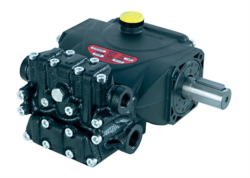
Understanding Pumps & Compressors Challenges in Southeast Asian Climates
Pumps & Compressors operating in Southeast Asian industrial environments encounter distinct performance challenges that differ significantly from temperate-zone installations. With over 35 years of experience distributing industrial equipment across global markets, 3G Electric has documented recurring failure patterns specific to the region's humid tropical climate, seasonal monsoons, and temperature extremes.
The primary environmental stressors affecting Pumps & Compressors in Southeast Asia include:
- Relative humidity levels consistently above 80%, creating corrosion pathways on metal components and promoting microbial growth in fluid systems
- Ambient temperature ranges of 25–40°C, causing thermal cycling that stresses seals, gaskets, and bearing clearances
- Rapid pressure swings during monsoon seasons, affecting inlet conditions and cavitation susceptibility
- Dust and salt-laden air (especially in coastal facilities), accelerating external corrosion of pump housings and motor windings
Plant managers must recognize that standard troubleshooting protocols designed for temperate climates may not address root causes specific to Southeast Asian operations. This guide provides climate-adapted diagnostic procedures to identify and resolve issues before they escalate to catastrophic failures.
Section 1: Humidity-Related Corrosion and Seal Degradation
Identifying Humidity-Induced Failures
High ambient humidity accelerates internal corrosion within Pumps & Compressors, particularly affecting bearing races, shaft surfaces, and mechanical seal mating pairs. Unlike external rust, internal corrosion is difficult to detect visually and often manifests as unexpected performance loss or catastrophic seal failure.
Diagnostic indicators of humidity-related degradation:
- Abnormal bearing noise appearing gradually over 2–4 weeks, indicating pitting on raceway surfaces
- Sudden increase in seal leakage without visible wear patterns (suggesting subsurface corrosion attack)
- Discolored hydraulic or lubricating fluid with metallic particles, indicating accelerated internal wear
- Difficulty achieving full pressure during startup, suggesting moisture contamination in the fluid system
- Visible white or green corrosion deposits on motor windings during routine inspections
Corrective Actions and Prevention Strategies
Fluid Management Protocol:
In Southeast Asian installations, fluid degradation occurs 3–4 times faster than in dry climates due to moisture absorption. Implement a moisture monitoring program using Karl Fischer titration testing at monthly intervals (versus quarterly in standard environments). Target moisture content should not exceed 200 ppm for mineral oil-based hydraulic fluids; for polyol ester fluids (which are hygroscopic), reduce the threshold to 150 ppm.
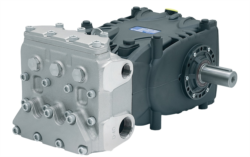
For high-performance pumps like the Pratissoli KF30, which operates at 200 bar and requires precise viscosity management, fluid contamination becomes critical. Monthly fluid sampling eliminates guesswork and prevents silent corrosion progression.
Seal Selection and Material Upgrades:
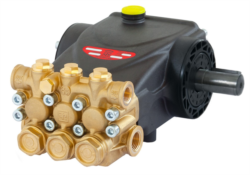
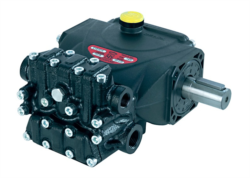
Standard FKM (Viton) seals degrade faster in humid environments due to moisture ingress at the gland interface. Specify PTFE-based composite seals for new installations or rebuild packages. The Interpump ET1C1612 SX*D20 pump features PTFE construction specifically designed for high-moisture applications, making it well-suited for Southeast Asian conditions.
Breathing System Upgrades:
Standard breather filters on Pumps & Compressors pump housings allow moisture-laden air to enter during cooling cycles. Replace with silica-gel desiccant breathers that remove moisture before it contaminates the system. In high-humidity zones, inspect desiccant breathers weekly and replace when color indicators show saturation.
Environmental Housing Modifications:
For critical installations, apply a secondary silicone-based conformal coating to motor windings and exposed conductor surfaces. This creates a moisture barrier that prevents capillary water ingress during overnight temperature drops (which cause condensation).
Section 2: Thermal Management and Seasonal Pressure Variations
Seasonal Pressure Swing Phenomenon
Southeast Asian monsoon seasons create dramatic inlet pressure changes that affect Pumps & Compressors performance and reliability. During the southwest monsoon (May–September in most regions), atmospheric pressure can drop 5–10 mbar while relative humidity climbs to 95%+. This combination reduces inlet head available to your pump system, increasing cavitation risk.
Monitoring cavitation risk in monsoon periods:
Establish a baseline inlet pressure reading during dry season conditions. Document this reference value prominently in your control room. During monsoon months, monitor inlet pressure weekly and calculate the pressure margin relative to your pump's inlet pressure requirement.
For example, the Pratissoli SS71153 pump operates at 800 rpm with 122 L/min flow. Using NPSHA (Net Positive Suction Head Available) calculations, determine the minimum inlet pressure required to prevent cavitation. If baseline inlet pressure is 1.2 bar during dry season and drops to 0.8 bar during monsoon, implement corrective actions immediately.
Thermal cycling and seal clearance degradation:
Daily temperature swings of 15°C between day and night operation create micro-movements in bearing clearances and seal mating surfaces. Over 4–6 weeks, this cycling degrades the precision fit required for reliable sealing and bearing performance.
Practical Thermal Management Solutions
Temperature Monitoring Integration:
Install thermocouple sensors at three critical locations: pump inlet, pump outlet, and bearing housing. Set alarm thresholds 10°C below the equipment manufacturer's maximum rated temperature. For high-pressure systems like the Pratissoli MW40 (operating at 210 bar), thermal control becomes essential because every 5°C temperature rise reduces fluid viscosity by approximately 10%, causing internal leakage and pressure loss.
Heat Exchanger Sizing for Tropical Climates:
Standard heat exchanger sizing calculations assume 15°C ambient coolant temperature. In Southeast Asia, inlet cooling water typically arrives at 28–32°C, reducing the effective cooling capacity by 40–50%. Re-calculate heat exchanger duty using actual water temperatures and specify units rated for elevated ambient conditions.
Supplemental Cooling During Peak Seasons:
During dry seasons when ambient temperatures peak, consider temporary installation of auxiliary fan-cooled radiators on critical pump systems. The Interpump PUMP E1D1808 L, a compact 2.72 kW gear pump operating at 2800 rpm, generates substantial heat that can accumulate rapidly if the facility's standard cooling capacity is already near capacity.
Preventive Drain-and-Refill Protocol:
In Southeast Asian installations, extend the oil change interval (months) by dividing the standard interval by 1.5. For example, if a manufacturer recommends 2000-hour intervals, reduce this to approximately 1330 hours. This accounts for accelerated oxidation in tropical heat and moisture contamination from the humid environment.
Section 3: Salt Corrosion and Coastal Installation Protection
Salt-Air Corrosion Mechanisms in Coastal Facilities
Plants located within 10 km of the ocean—common in Southeast Asia's industrial zones—face accelerated external corrosion from salt-laden aerosols. Unlike inland humidity corrosion, salt-air attack creates electrochemical cells that pit metal surfaces and degrade protective coatings within months rather than years.
Evidence of salt-air attack:
- White salt deposits on pump external surfaces, motor junction boxes, and coupling guards
- Pitting corrosion on galvanized or bare steel pump housings, appearing as shallow craters 1–3 mm deep
- Accelerated rust progression on bolts, fasteners, and welded seams
- Electrical failures in terminal connections and sensor wiring due to salt bridge formation
- Premature paint peeling from pump bodies and motor frames
Coastal Protection Strategy Implementation
Material Selection for New Equipment Procurement:
When specifying replacement pumps or expansion systems for coastal sites, prioritize stainless steel construction over painted carbon steel. While initial cost is 20–30% higher, lifecycle cost over 10 years favors stainless due to elimination of repainting and coating maintenance.
For applications not suited to full stainless construction, specify epoxy-coated pump housings with a minimum dry-film thickness of 150 microns. Standard paint coatings (80–100 microns) fail within 18–24 months in coastal environments.
Maintenance Coatings and Touch-Up Protocol:
Establish a quarterly inspection and touch-up program. Inspect pump casings, motor frames, and associated piping for paint damage or early corrosion. Use high-quality marine-grade epoxy topcoat for spot repairs. Document all touch-up work with date, location, and applied coating thickness (using a simple dry-film thickness gauge, commonly available tools costing <$300).
Electrical System Protection:
Salt corrosion affects motor terminals, sensor connections, and control cabinet enclosures more rapidly than mechanical components. Upgrade terminal box gaskets to EPDM or silicone-based seals that resist salt-water permeation. Apply dielectric grease to all electrical connections quarterly—this hydrophobic compound prevents salt-water bridging between conductors.
For critical motor installations, apply a conformal silicone coating to the motor winding exterior (visible through inspection ports). This creates a barrier that prevents salt particles from settling on high-voltage surfaces where they could trigger tracking or arcing failures.
Coupling and Bearing Protection:
Flexible couplings connecting pump shafts to motor shafts are vulnerable to salt corrosion, particularly at the elastomer-metal interface. Specify stainless steel coupling hubs for coastal installations, or apply a protective rubber boot over standard couplings to exclude salt spray from the elastomer surface.
Section 4: Diagnostic Decision Tree for Climate-Related Failures
Systematic Troubleshooting Framework
When a Pumps & Compressors system underperforms or fails in a Southeast Asian facility, use this structured diagnostic approach to isolate climate-related root causes:
Step 1: Environmental Context Assessment
- Record current date and season (dry or monsoon period)
- Note facility location (coastal, inland, elevation)
- Document ambient temperature, relative humidity, and barometric pressure
- Review recent weather history (heavy rainfall, temperature spikes, salt storms)
- Check maintenance logs for recent repairs or seal replacements
- Obtain fluid sample and visually inspect for discoloration, cloudiness (indicating moisture), or metallic particles
- If fluid appears contaminated, conduct immediate Karl Fischer moisture testing (priority action)
- Check fluid level and smell for acidic odor (indicating oxidation)
- Compare fluid color to baseline sample from dry season (discoloration indicates thermal or moisture stress)
- If moisture exceeds 250 ppm or particle count exceeds ISO 18/16/13, schedule immediate fluid replacement
- Record system operating pressure and compare to baseline (pressure loss >10% indicates wear or internal leakage)
- Measure inlet (suction) pressure and calculate available NPSHA
- Compare NPSHA to pump specification (reference manufacturer data for models like KF30 or MW40)
- If NPSHA margin is <0.5 bar, implement inlet pressure corrections before resuming operation
- Document all readings in a trending log to track degradation patterns
- Listen for abnormal bearing noise (grinding, rumbling, or clicking) indicating internal corrosion
- If noise is present, measure pump vibration with a portable accelerometer (if available)
- Inspect for external leakage at mechanical seal drain; clear weeping is normal, but sustained drips indicate seal failure
- Feel the pump housing and bearing housing temperatures with your hand (be cautious of hot surfaces); excessive heat suggests friction increase
- If seal leakage is significant, schedule seal replacement and fluid flush within 48 hours
- Inspect pump external surfaces for corrosion, paint damage, or salt deposits
- Check motor junction box gaskets for degradation or moisture ingress
- Review electrical connector conditions for green oxidation (copper corrosion)
- If significant external corrosion is visible, prepare for coating restoration and schedule electrical contact cleaning
Decision Trigger Points
| Finding | Immediate Action | Scheduling |
|---------|------------------|------------|
| Moisture >300 ppm | Halt operation, drain fluid, inspect for internal corrosion | Fluid replacement within 24 hours |
| NPSHA <0.5 bar | Reduce flow demand, monitor closely, prepare inlet pressure upgrade | Engineering review within 1 week |
| Abnormal bearing noise + elevated temperature | Reduce load, isolate system, prepare for bearing/seal replacement | Shutdown within 24–48 hours |
| Salt deposits + paint damage visible | Schedule external inspection and coating restoration | Within 2 weeks |
| Mechanical seal leakage + fluid degradation | Reduce operating pressure, prepare for shutdown | Within 24 hours |
Recommended Equipment for Southeast Asian Reliability
3G Electric supplies a range of high-performance Pumps & Compressors engineered for demanding global environments. For Southeast Asian operations, consider these proven alternatives:
- Pratissoli KF30 (106 L/min, 200 bar): Ideal for medium-duty applications requiring reliable performance in humid conditions. 40 kW power input, 72 kg compact design simplifies installation in space-constrained facilities.
- Pratissoli MW40 (211 L/min, 210 bar): High-capacity solution for demanding high-pressure applications. 85 kW power with robust construction suited to thermal stress from tropical climates.
- Interpump PUMP E1D1808 L (8 L/min, 180 bar): Compact gear pump for precision applications. 2.72 kW input, 5 kg weight, ideal for auxiliary systems where space and heat generation must be minimized.
- Interpump ET1C1612 SX*D20 (12 L/min, 160 bar): PTFE construction specifically addresses moisture-sensitive applications. 3.68 kW input, 1750 rpm operation suitable for variable-load systems experiencing seasonal demand changes.
- Pratissoli SS71153 (122 L/min, 160 bar): Robust industrial pump for consistent high-volume flow requirements. 37.5 kW motor, 800 rpm operation, engineered for reliability in high-humidity industrial environments.
Preventive Maintenance Schedule for Tropical Operations
Adjust standard maintenance intervals based on Southeast Asian climate exposure:
Weekly (monsoon periods only):
- Visual inspection of bearing housing and seal drain for leakage
- Check breather desiccant cartridge color indicator
- Record inlet pressure and temperature readings
- Fluid sampling and moisture testing
- Vibration and temperature trending
- External corrosion inspection
- Electrical connector visual assessment
- Complete bearing and seal inspection
- Coating touch-up and paint assessment
- Thermal imaging of motor and pump surfaces
- Pressure relief valve verification
- Fluid analysis (elemental and particle count)
- Mechanical seal replacement evaluation
- Coupling inspection and protective boot assessment
- Complete electrical safety inspection
- Fluid replacement (or earlier if moisture/contamination thresholds exceeded)
- Bearing replacement (if trending shows wear acceleration)
- Complete coating restoration for coastal installations
- System efficiency testing and comparison to baseline