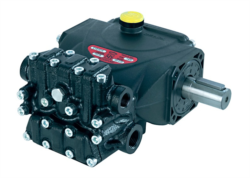
Understanding Pumps & Compressors Thermal Challenges in Tropical Climates
Pumps & Compressors generate significant heat during normal operation through fluid friction, mechanical compression, and motor inefficiencies. In Singapore's high-humidity tropical climate with ambient temperatures frequently exceeding 30°C, thermal management becomes a critical design and operational consideration that directly impacts equipment lifespan, efficiency, and safety.
With over 35 years of experience distributing industrial equipment across Southeast Asia, 3G Electric has observed that thermal failures represent one of the most preventable equipment reliability issues in the region. Many industrial professionals underestimate how tropical humidity and elevated ambient temperatures compound standard heat generation, creating conditions where equipment rated for temperate climates quickly experiences degraded performance and shortened service intervals.
The relationship between temperature rise and equipment degradation is exponential rather than linear. A 10°C increase above designed operating temperature can reduce hydraulic fluid life by 50%, accelerate seal degradation, and diminish pump volumetric efficiency by 3-5% per degree Celsius. When ambient temperatures approach 35°C and equipment operates in enclosed spaces without proper ventilation, internal fluid temperatures can easily exceed 70°C, creating premature aging of internal components.
Heat Generation Mechanisms and Monitoring Strategies
Understanding where heat originates in your Pumps & Compressors system is the foundation of effective thermal management. Heat generation occurs through three primary mechanisms:
Volumetric Inefficiency Heat results from internal leakage within pump or compressor chambers. As pressure builds, some fluid bypasses the outlet, converting pressurization work into heat rather than useful output. High-performance pumps like the Pratissoli MF7M7D with 254 L/min flow capacity at 75 bar are engineered to minimize this leakage through precision-manufactured components, but even optimized designs generate measurable heat at peak operating pressures.
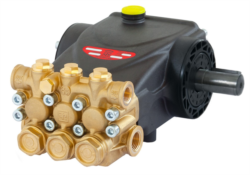
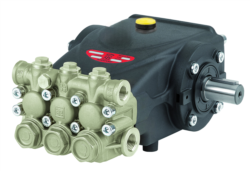
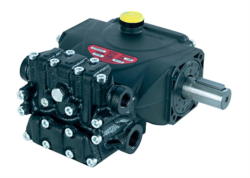
Mechanical Friction Heat develops between rotating shafts, bearings, and internal sliding surfaces. This friction load increases with speed, pressure, and fluid viscosity. Equipment operating at 3400 rpm in high-pressure applications, such as the Interpump E2E2113 engine-driven pump delivering 210 bar, generates substantially more frictional heat than low-speed alternatives operating at 1450 rpm like the Interpump E1B1613 compact pump.
Motor Inefficiency Heat from electric or engine-driven units contributes 10-15% of total input power as waste heat. This becomes increasingly significant in continuous-duty applications where accumulated energy losses directly translate to elevated system temperatures.
Effective thermal monitoring requires both continuous passive observation and periodic active testing. Install temperature sensors at the pump outlet and return line—not just on the equipment casing. Fluid temperature readings provide early warning of efficiency loss and impending component wear. Many industrial teams measure only ambient temperature, missing the crucial internal temperature dynamics that determine actual equipment stress.
Establish baseline temperature readings under standard operating conditions within your first week of operation. Document pressure, flow rate, ambient temperature, and fluid temperature simultaneously. This baseline becomes your reference point for detecting degradation; any sustained temperature increase of 5°C above baseline indicates developing problems requiring investigation.
Cooling System Design and Selection for Singapore Operations
Proper cooling is not optional in Singapore's climate—it is fundamental to maintaining equipment reliability. The cooling approach must be selected during system design, not retrofitted after thermal failures occur.
Air Cooling Solutions use forced-air heat exchangers to reject pump heat directly to ambient air. This approach is cost-effective and maintenance-simple but has inherent limitations in tropical climates. Air-cooled systems lose effectiveness as ambient temperature approaches 35-40°C, and the moisture-laden tropical air can accelerate corrosion of aluminum cooling fins. Air cooling is appropriate for applications where peak fluid temperatures remain below 50°C under normal operation and where duty cycles include regular idle periods for passive cooling.
For systems using compact high-pressure pumps like the Interpump E1D1808B delivering 180 bar at 8 L/min, air cooling may suffice if mounted in well-ventilated machine rooms. However, confirm actual thermal output through testing rather than relying on nameplate ratings developed in temperate climates.
Water Cooling Solutions circulate coolant through the pump or motor housing, then reject heat through a separate water-cooled exchanger or facility cooling water system. Water cooling is dramatically more effective than air cooling in tropical environments—capable of maintaining 45°C fluid temperature even in 35°C ambient conditions. This approach is essential for continuous-duty, high-pressure applications and systems generating more than 10 kW of thermal load.
Water cooling introduces complexity: you must ensure adequate coolant flow (typically 5-15 L/min), maintain coolant purity to prevent fouling, and address potential vibration transmission through cooling lines. Many Singapore facilities already have facility chilled water systems that can integrate pump cooling, making this a practical solution for centralized installations.
Thermal Storage Solutions using jacketed reservoirs extend cooling capacity by increasing the thermal mass available to absorb transient heat spikes. A 200-liter insulated reservoir can absorb 10-15 minutes of continuous full-load operation before fluid temperature rises 5°C, providing a practical buffer during peak demand periods. This approach is particularly valuable for intermittent-duty systems where peak thermal loads are temporary.
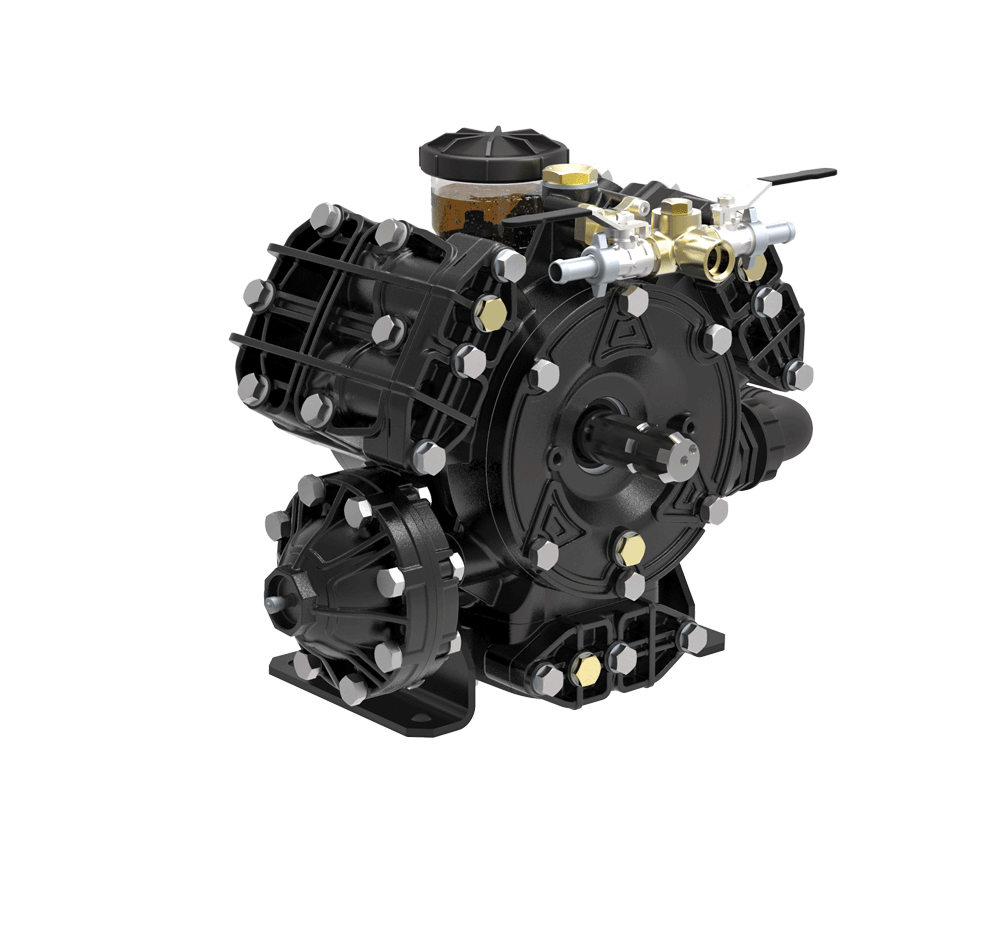
For oil-circulating systems like the Delta V4 RR pump 2.4 with its 150µ nylon strainer and return-line pressure control, incorporate the reservoir as an active cooling component: use return-line baffles to slow flow velocity, increase residence time, and expose maximum fluid surface to ambient air circulation.
System Integration and Practical Implementation
Three implementation principles ensure thermal management effectiveness in Singapore's challenging environment:
First, design for worst-case conditions, not average conditions. Singapore's peak ambient temperatures occur in May and September, reaching 35-37°C regularly. Your cooling system must maintain target fluid temperatures during these peak periods while equipment operates at maximum design load. Many equipment failures occur during these seasonal peaks when cooling capacity proves inadequate. Size cooling systems for the hottest weeks of the year, even if this means oversizing for mild months.
Second, establish routine thermal maintenance protocols. Quarterly inspection of cooling fins and water passages prevents fouling that degrades heat transfer. Check coolant condition (water cooling systems) for corrosion products and contamination monthly. Verify fan operation (air cooling) and bearing temperatures at monthly intervals. A 1mm accumulation of dust on cooling fins reduces air-cooling effectiveness by 15%; routine cleaning is as important as the cooling system itself.
Third, implement system monitoring that bridges equipment specification and operational reality. High-performance industrial pumps like the Pratissoli MF7M7D high-performance piston pump deliver 254 L/min at 75 bar—impressive specifications in controlled environments. In a hot, humid Singapore machine shop operating 16 hours daily, that same pump requires actively managed cooling, not passive reliance on ambient air. Connect temperature data logging to your maintenance management system; trend analysis reveals cooling degradation long before catastrophic failures occur.
For retrofit applications where original cooling proves inadequate, consider modular solutions. Interpump-series pumps like the E1B1613 and E1D1808B accept auxiliary coolers within their compact footprint, making thermal upgrades feasible without complete system redesign. Discuss integration options with your equipment supplier; 35+ years' experience in Southeast Asian installations has taught 3G Electric which upgrade approaches work reliably in tropical conditions.
Fluid Selection and Management directly impacts thermal performance. High-viscosity oils generate more friction heat; low-viscosity oils increase internal leakage heat. For Singapore operations, specify ISO 46 anti-wear hydraulic fluid with excellent thermal stability (ASTM D2272 oxidation stability exceeding 500 minutes). Establish fluid change intervals based on actual operating temperatures: if your system consistently operates at 60°C rather than design temperature of 50°C, reduce change intervals by 25% to compensate for accelerated oxidation degradation.
Integrate these thermal management practices from initial equipment selection. When evaluating competing pumps and compressors, request thermal load data under tropical operating conditions, not laboratory specifications. Confirm that cooling system designs account for 35°C ambient temperatures and 80% relative humidity. This level of specification rigor prevents the thermal failures that plague industrial operations that prioritize initial purchase price over total cost of ownership.