Understanding Industry Applications: Regulation vs. Active Delivery
When you're specifying equipment for HVAC systems in Singapore's tropical climate and industrial environments, the choice between passive pressure regulation and active fluid delivery systems fundamentally affects your installation costs, maintenance burden, and system reliability. With over 35 years of experience as a distributor serving industrial sectors across Asia-Pacific, 3G Electric has seen contractors make costly mistakes by selecting the wrong approach for their specific application.
The core difference is straightforward: pressure regulators like the Francel B25/37mb control and maintain pressure in existing fluid systems passively, while high-capacity pumps like the Pratissoli KF30 and Pratissoli MW40 actively generate flow and pressure from a stationary position. For HVAC contractors, understanding which technology suits your Industry Applications prevents overspecification, reduces energy consumption, and improves system longevity.
Industry Applications in HVAC: When Pressure Regulation Delivers Superior Value
Laboratory and Process Gas Distribution
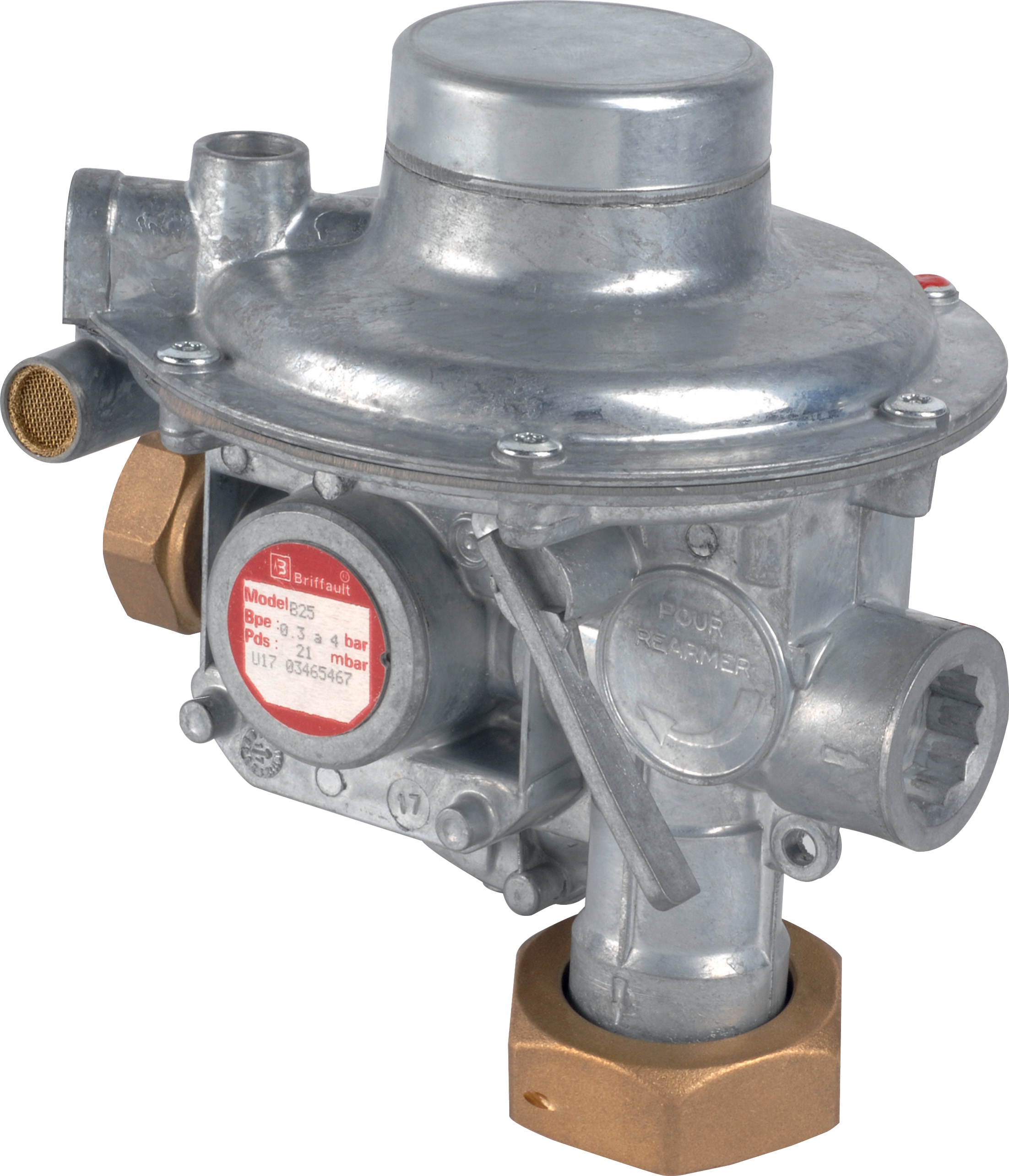
The Francel B25/37mb pressure regulator excels in HVAC applications requiring precise pressure maintenance across distributed gas lines. In Singapore's pharmaceutical, semiconductor, and laboratory sectors, maintaining stable 37 mbar outlet pressure prevents equipment damage and ensures accurate process control. The integrated safety relief feature (10 mm vent size) protects downstream components from pressure spikes—critical when serving sensitive environments.
For HVAC contractors maintaining building automation systems that control gas-fired boilers, spot coolers, or laboratory ventilation, this regulator-based approach requires minimal ongoing adjustment. You install it once, and it maintains consistent pressure regardless of demand fluctuations upstream. This passive regulation is ideal for:
- Gas supply stabilization for laboratory fume hood systems
- Pressure maintenance in hospital HVAC gas burner circuits
- Industrial building compressed air distribution networks
- Backup system pressure control in mission-critical facilities
The beauty of the Francel B25/37mb for Industry Applications is that it doesn't require electrical power, reducing infrastructure demands and emergency backup complexity.
Cost-Benefit Analysis for Regulatory Systems
When your Singapore HVAC project involves retrofit work or extension of existing gas distribution, pressure regulators offer rapid deployment. Initial equipment cost is substantially lower than pump systems, installation labor is straightforward, and you avoid electrical licensing complexity. For contractors billing hourly labor, this means faster project completion and lower client costs.
However, regulatory systems demand that upstream pressure already exists—either from a utility supply or a separate pressurized source. If your Industry Applications require generating flow and pressure from zero baseline, regulation alone cannot meet your requirement.
Industry Applications in HVAC: When Active Fluid Delivery Systems Dominate Performance
High-Capacity Flow Applications Requiring Continuous Operation
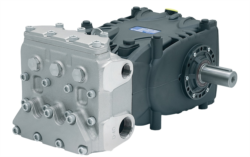
The Pratissoli KF30 and Pratissoli MW40 represent fundamentally different technology for Industry Applications demanding sustained fluid movement. The KF30 delivers 106 L/min at 200 bar using 40 kW input power, while the MW40 scales to 211 L/min at 210 bar with 85 kW capacity. For HVAC contractors serving Singapore's manufacturing, data center cooling, and industrial processing sectors, this active delivery capability becomes essential when:
- Your installation requires continuous fluid circulation through extended distribution networks
- Pressure demand exceeds what gravity or existing upstream sources can supply
- Temperature control relies on active cooling loop circulation rather than passive heat exchange
- Industrial water treatment, air handling unit chiller support, or process cooling demands high-volume flow
Italian-engineered by Pratissoli (part of the Interpump Group), both pump models bring proven reliability from equipment serving European industrial sites for decades. In Singapore's humid tropical environment, Pratissoli's robust construction handles condensation risks and requires less frequent maintenance than lighter-duty alternatives.
Matching Pump Selection to Your Specific Industry Applications
Contractors typically select between the KF30 and MW40 based on facility scale and simultaneous demand:
- KF30 (106 L/min, 40 kW): Ideal for mid-sized commercial buildings, university research facilities, or manufacturing plants requiring moderate cooling loop support. Lower power consumption reduces operational cost—critical when cooling systems run 16-24 hours daily in Singapore's climate.
- MW40 (211 L/min, 85 kW): Necessary for large data centers, hospital HVAC systems with multiple independent loops, or industrial facilities with distributed cooling demand. The doubled flow capacity justifies higher electrical installation cost when your Industry Applications genuinely require it.
Over-specifying to the MW40 when your load supports the KF30 wastes energy and capital—a mistake 3G Electric has seen contractors make when they design for theoretical maximum rather than actual demand profiles.
Industry Applications: Combining Regulation and Active Delivery for Optimal HVAC Systems
Hybrid System Architecture for Singapore Industrial Environments
The most effective HVAC installations often deploy both technologies—using active pumps for primary distribution while employing pressure regulators downstream for protection and fine control. This hybrid approach for your Industry Applications offers:
- Pump provides primary flow: The Pratissoli MW40 or Pratissoli KF30 generates consistent flow through main distribution headers serving multiple building zones or equipment branches.
- Regulator provides secondary control: The Francel B25/37mb maintains stable pressure at each terminal point, protecting sensitive equipment and enabling individual zone pressure adjustment without throttling the primary pump.
- Nozzle delivers targeted application: The Euspray flat jet nozzle or similar precision nozzle can introduce spray cooling, humidification, or chemical treatment at specific points without requiring separate high-pressure lines.
For HVAC contractors, this modular approach means you can scale initial installation to current facility demand, then add regulation points and nozzles as the client's Industry Applications expand. The primary pump investment protects your work; regulation components provide future flexibility.
Compact Pump Systems for Space-Constrained Singapore Facilities
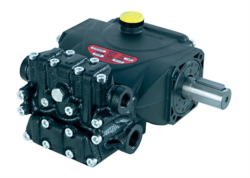
When your Industry Applications involve retrofit work in Singapore's space-constrained commercial buildings, the Interpump PUMP E1D1808 L provides an alternative. At just 5 kg and delivering 8 L/min at 180 bar, this compact gear pump suits smaller independent cooling loops, secondary support circuits, or modular building systems. While insufficient as a primary circulation source for large facilities, it excels when:
- Adding pressure support to a gravity-fed or low-pressure existing system
- Driving small process loops independently from main HVAC circulation
- Replacing failed pump segments in phased renovation projects
- Powering auxiliary systems (pneumatic controls, burner pressure boost) without main system modification
Practical Selection Process for Your HVAC Industry Applications
Step 1: Quantify Flow and Pressure Demands
Before selecting equipment, determine your actual Industry Applications requirements. Ask these questions:
- What volume (L/min) must circulate continuously to maintain system function?
- What minimum pressure (bar) must exist at the furthest or highest terminal point?
- Is there an existing upstream pressure source, or must your equipment generate all pressure and flow from zero baseline?
- What temperature range and fluid type will the system handle (water, glycol, synthetic oils)?
3G Electric's 35+ years supporting industrial distributors means we've seen the consequences of guessing these parameters. Underspecifying leads to inadequate comfort or process control; overspecifying wastes energy and capital.
Step 2: Evaluate Tropical Climate Factors Specific to Singapore
Your Industry Applications must account for:
- High ambient temperatures requiring cooling system efficiency
- Humidity creating condensation in pressure regulators and pump casings
- Consistent 24/7 operation demand in manufacturing and data center environments
- Maintenance accessibility in confined equipment spaces
Pratissoli pumps' robust European engineering handles Singapore conditions better than lightweight alternatives. The Francel regulator's vent design prevents internal condensation accumulation.
Step 3: Plan for Modular Expansion
Don't design for theoretical maximum Industry Applications. Instead, specify equipment capable of current demand plus 30-40% headroom. Use pressure regulators downstream to limit future equipment pressure and flow—this approach lets you upgrade primary systems later without replacing terminal equipment.
Conclusion: Matching Industry Applications to HVAC Technology
For HVAC contractors in Singapore, the choice between pressure regulation and active fluid delivery isn't theoretical—it directly affects project profitability, client satisfaction, and maintenance cost over the system's lifecycle. Pressure regulators like the Francel B25/37mb excel when existing upstream pressure exists and precise flow control matters less than stable pressure delivery. Pumps like the Pratissoli KF30 and Pratissoli MW40 become essential when your Industry Applications require generating sustained flow through extended distribution networks.
The most successful HVAC installations combine both approaches, using active pumps for primary circulation and regulators for secondary control and protection. As your distributor with over 35 years experience across industrial sectors, 3G Electric can help you specify the right combination for your specific Industry Applications, ensuring your installations operate reliably through Singapore's challenging tropical environment while maintaining optimal cost efficiency.