Understanding Motor Coupling & Drive System Failures
Motor coupling and drive system failures represent one of the most common sources of unplanned downtime in industrial pump operations. Whether you're running a Pratissoli KF30 high-performance pump operating at 200 bar or an Pratissoli MW40 system handling 211 L/min flow rates, the connection between motor and pump is critical to reliability.
At 3G Electric, our 35+ years of experience distributing industrial equipment across global markets has shown us that approximately 60% of coupling-related failures stem from improper alignment, inadequate lubrication, or undetected wear in flexible elements. The remaining failures typically involve bearing degradation, corrosion in harsh environments, or mismatched coupling selection for the application.
Understanding the root causes of coupling failure enables maintenance teams to implement targeted interventions before catastrophic breakdown occurs. This guide focuses on practical diagnostics and actionable maintenance procedures that extend equipment life and reduce emergency repairs.
Diagnosing Motor Coupling Misalignment
Angular and parallel misalignment are the primary culprits in premature coupling wear. When a motor doesn't align perfectly with the pump shaft, vibration increases exponentially, cascading failures through bearings, seals, and the coupling itself.
Identifying Misalignment Symptoms
- Elevated vibration readings (baseline threshold typically 4.5-7.1 mm/s on industrial pumps; anything above 11.2 mm/s indicates serious misalignment)
- Abnormal heat generation at the coupling area—touch test shows temperatures exceeding normal operating range by 20-30°C
- Audible noise changes: grinding, whining, or metallic clicking during operation
- Visible wear patterns on coupling elastomeric elements or metallic teeth (uneven distribution indicates misalignment)
- Rapid coupling deterioration within 6-12 months of installation
Practical Alignment Procedures
Cold Alignment Method (Recommended for Most Applications)
1. Power down equipment and lock out/tag out (LOTO) all energy sources
2. Use a dial indicator or laser alignment tool mounted on the motor shaft
3. Measure radial runout at two points 180° apart on the pump shaft coupling face
4. Accept angular misalignment up to 0.5° and parallel misalignment up to 0.3 mm for flexible couplings
5. Loosen motor mounting bolts and adjust position using shim plates (0.5 mm increments)
6. Recheck readings at multiple points around the coupling circumference
7. Verify alignment after 24 hours of operation, as thermal expansion affects positioning
Hot Alignment Method (For Continuous-Duty Systems)
For systems like your MW40 pump running extended shifts, measure coupling alignment after 4-6 hours of operation when thermal stabilization occurs. Compare hot readings to cold baseline; typically expect 0.15-0.25 mm radial growth. Adjust motor position accordingly before equipment reaches full thermal equilibrium.
Vibration Analysis Baseline Establishment
Establish vibration baselines within the first 2 weeks of installation or after any coupling replacement:
- Horizontal direction: measure at motor and pump bearing locations
- Vertical direction: critical for identifying bearing problems early
- Axial direction: captures thrust issues and coupling looseness
- Use FFT (Fast Fourier Transform) analysis to isolate coupling frequencies from other mechanical noise
Document baseline values in maintenance logs for comparison during condition monitoring. Most industrial environments benefit from quarterly vibration monitoring; harsh environments (corrosive atmospheres, extreme temperatures) warrant monthly checks.
Coupling Wear, Lubrication & Material Degradation
Coupling elastomeric elements and lubrication conditions directly impact system longevity. Different coupling types (flexible rubber, metal disc, elastomeric jaw) require specific maintenance protocols.
Elastomeric Element Inspection
Flexible element couplings (common in systems using KF30 pumps and compact Interpump gear pumps) rely on rubber or synthetic elastomers to absorb shock and dampen vibration:
- Visual inspection: look for cracks, hardening, or separation from metal hubs
- Compression test: apply moderate finger pressure; element should return to original shape within 2 seconds
- Odor assessment: degraded elastomers smell like burnt rubber or aged plastic
- Replacement interval: elastomeric elements typically last 3-5 years in normal conditions; harsh environments (ozone exposure, extreme heat) require 2-year replacement cycles
Lubrication Requirements by Coupling Type
Elastomeric Jaw Couplings
- No lubrication required on elastomeric element
- Lubricate metal hub bearings (if applicable) with ISO VG 32-46 industrial oil
- Change lubricant annually or when contamination visible (darkening, sludge formation)
- Apply food-grade grease or NLGI Grade 2 lithium complex to disc membranes annually
- Use only specified grease; petroleum-based lubricants can degrade synthetic disc materials
- Excess grease attracts dirt and dust—apply sparingly using needle-point applicators
- Most designs are maintenance-free; verify manufacturer specifications
- Some designs feature breathing plugs that allow moisture escape—keep these clean
- Inspect for salt accumulation in coastal environments; clean with fresh water if visible
Environmental Degradation Factors
Maintenance teams in challenging environments must adjust maintenance frequencies:
- Marine/coastal: Increase inspection frequency to monthly; salt spray accelerates metal corrosion and elastomer cracking. Apply protective coatings to exposed metal hubs
- Chemical plants: Elastomers degrade rapidly near ozone-generating equipment. Consider upgrading to synthetic elastomers with ozone resistance
- High-temperature environments (>50°C ambient): Coupling elements harden faster. Establish 18-month replacement cycles instead of standard 3-5 years
- Food processing/washdown areas: Water ingress compromises elastomer integrity. Specify sealed coupling designs or increase inspection to bi-weekly intervals
Bearing & Seal Health in Coupled Systems
Motor coupling issues often accelerate bearing and seal failure. Conversely, bearing problems manifest as coupling performance degradation, creating diagnostic complexity.
Bearing Vibration Signatures
Different bearing failure modes produce distinct vibration patterns:
Early bearing race defects (1-2 months until failure)
- High-frequency impulses (2-5 kHz range) on vibration spectrum
- Spalling sound similar to gravel rolling
- Vibration increases 30-50% per week once detectable
- Action: Schedule bearing replacement within 2-4 weeks; do not extend operating hours
- Lower frequency vibrations (200-500 Hz) with irregular amplitude
- Rubbing or grinding noise under load changes
- Temperature elevated 10-15°C above normal baseline
- Action: Check bearing preload and coupling alignment; verify pump suction conditions affecting axial loads
- Vibration patterns similar to bearing wear but often accompanied by smell (burnt grease odor)
- Temperature rise more dramatic than wear-related failures (25-40°C above baseline)
- Bearing becomes progressively stiffer; motor amperage increases
- Action: Immediately inspect bearing grease condition and replenish or replace; verify cooling air paths aren't blocked
Mechanical Seal Interaction with Coupling Systems
For pump systems like the KF30 and MW40, mechanical seals face additional stress when coupling misalignment exceeds design tolerance:
- Misalignment greater than 0.5° creates axial shaft movement (0.2-0.5 mm per revolution)
- This micro-movement accelerates mechanical seal primary ring wear
- Secondary seal elastomers experience additional stress, shortening seal life 30-50%
Preventive Maintenance Program Implementation
Successful motor coupling maintenance requires systematic condition monitoring and scheduled interventions based on equipment-specific data rather than generic time intervals.
Monthly Tasks (All Industrial Pump Systems)
- Visual inspection of coupling for visible wear, discoloration, or damage
- Check for oil leakage at bearing housings or seal areas (indicates coupling-related stress)
- Listen for audible changes during startup and steady-state operation
- Feel for excessive heat at coupling area using infrared thermometer (record temperature for trend analysis)
- Verify all coupling bolts are tight; check bolt preload if system provides access
Quarterly Tasks
- Comprehensive vibration analysis at motor, coupling, and pump bearing locations
- Bearing grease evaluation (color, consistency, contamination)
- Detailed alignment check if vibration trend shows increase
- Review maintenance logs for frequency of adjustments or repairs (increasing frequency suggests underlying problem)
- Establish performance trending document comparing current readings to baseline
Annual Tasks
- Full bearing inspection or replacement if grease shows significant degradation
- Elastomeric element replacement if compression test shows less than 80% recovery
- Complete system balancing if dynamic balancing capabilities available
- Coupling bolt torque verification with calibrated torque wrench
- Thermal imaging survey of entire motor-pump assembly to identify hot spots
Environmental Adjustments
Harsh environment operations (marine, chemical, extreme temperature):
- Double frequency of vibration analysis (bi-monthly instead of quarterly)
- Monthly bearing grease evaluation instead of annual
- Implement 18-month elastomeric element replacement cycle
- Apply corrosion-preventive coatings to coupling metal surfaces every 6 months
- Specify sealed bearing housings and moisture-resistant elastomers
- Implement weekly visual inspections for water ingress evidence
- Use high-grade water-resistant bearing grease (USDA certified when applicable)
- Increase seal replacement frequency to 12 months
Integration with 3G Electric Support Resources
3G Electric's 35+ years distributing industrial equipment globally provides access to replacement components and technical guidance for your specific system configuration. When troubleshooting coupling issues, our technical team can assist with:
- Coupling selection verification for your pump model (KF30, MW40, E1D1808S-000, or other configurations)
- Bearing and seal compatibility confirmation before ordering replacements
- Vibration baseline interpretation and trend analysis guidance
- Environmental protection recommendations for your operational location
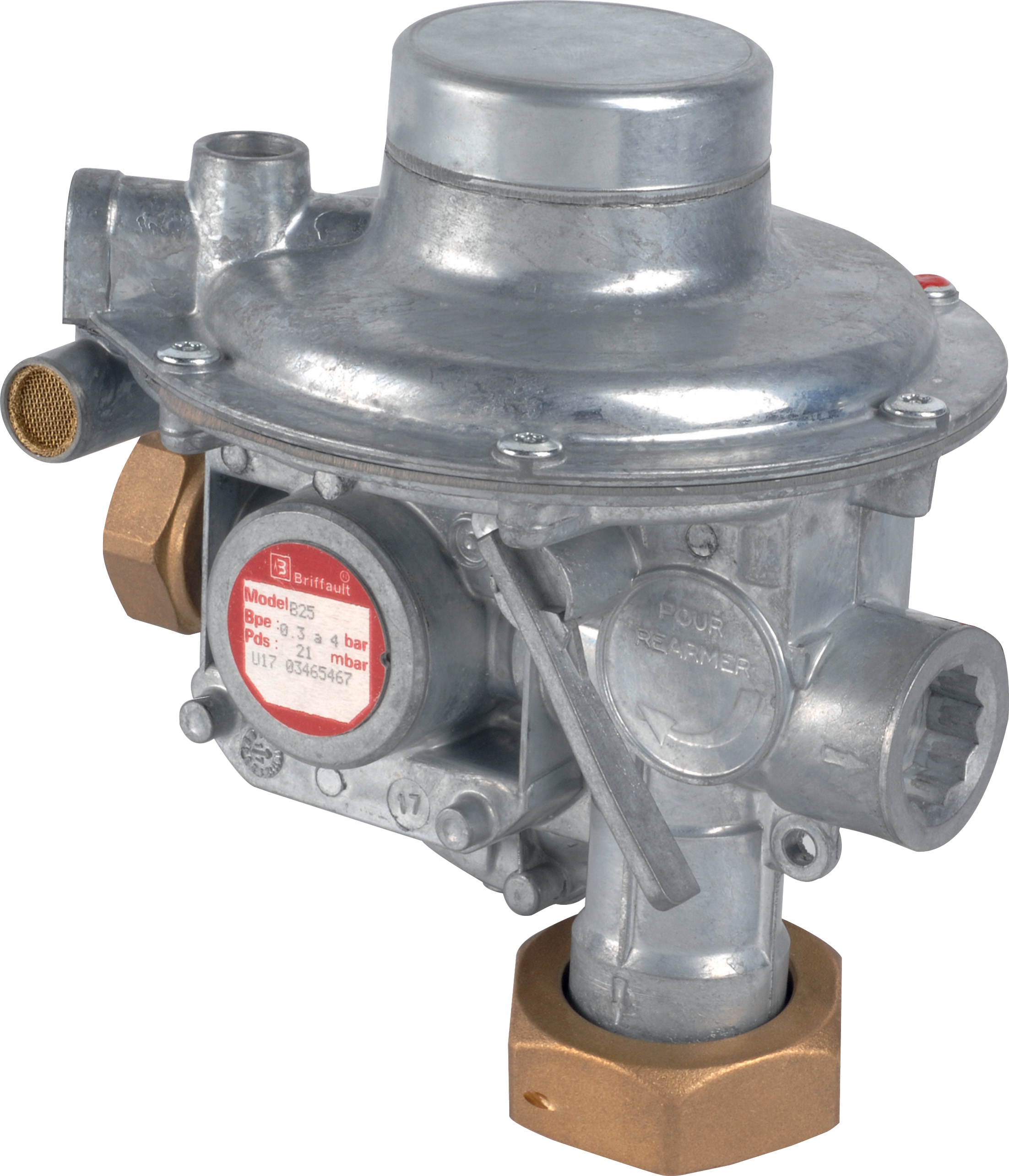
- Integration of pressure monitoring data (from regulators like the Francel B25/37mb) with coupling performance assessment
Proactive coupling maintenance, combined with structured condition monitoring, reduces unplanned downtime by 40-60% and extends overall system life by 25-35%. Maintenance teams that implement these procedures systematically report improved equipment reliability and reduced emergency repair costs within the first operational year.