Understanding Measurement & Detection in Preventive Maintenance
Measurement and Detection technologies enable maintenance teams to identify equipment problems at their earliest stages, preventing costly downtime and extending asset lifespan. Rather than reacting to failures, modern maintenance teams use continuous measurement systems to establish baseline performance parameters, track variations, and trigger maintenance interventions before critical failures occur.
In Singapore's competitive industrial landscape, where production uptime directly impacts profitability, preventive maintenance driven by accurate measurement and detection has become non-negotiable. With over 35 years of experience supplying industrial equipment, 3G Electric understands how maintenance teams across diverse sectors—manufacturing, building services, food processing, and chemicals—depend on reliable diagnostic instruments to optimize equipment performance and safety.
The foundation of preventive maintenance rests on three core measurement types: pressure monitoring, temperature sensing, and flow analysis. Each provides distinct insights into system health. Pressure anomalies indicate seal failures, blockages, or component degradation. Temperature variations reveal insulation breakdown, friction increases, or thermal imbalances. Flow measurement detects leaks, efficiency losses, and distribution problems. When integrated systematically, these measurements create a comprehensive diagnostic picture.
Pressure Measurement Systems for Predictive Insights
Understanding Differential Pressure Monitoring
Differential pressure measurement—the difference between two pressure points—reveals system resistance and efficiency loss. In HVAC systems, rising differential pressure across filters indicates clogging. In pump systems, increasing differential pressure between inlet and outlet signals bearing wear or impeller damage.
The Dwyer Transmitter 616KD-13V-TC exemplifies modern pressure detection technology for maintenance teams. This differential pressure transmitter measures 0–1 IN W.C with integrated electronics, providing continuous output that integrates with building management systems. Its barbed connections suit rapid testing setups, and low power consumption (21 mA maximum) extends operation in portable monitoring applications. For maintenance teams conducting system commissioning or troubleshooting HVAC performance, this transmitter enables rapid pressure profiling across ductwork, filter stages, and damper positions.
Static Pressure Monitoring in Distribution Systems
Static pressure measurements identify distribution losses and balance problems. Unequal pressures across parallel branches indicate damper misalignment, duct restrictions, or flow imbalances. The Dwyer Metal Average Flow Probe MAFS-16 integrates static and total pressure measurement across 16 cm probe length, eliminating guesswork in flow calculations. For maintenance teams assessing HVAC performance after equipment changes or seasonal adjustments, this probe provides accurate velocity pressure data essential for rebalancing work.
Gauge-Based Pressure Monitoring
While digital transmitters offer integration benefits, mechanical gauges remain valuable for quick reference and backup systems. The Preciman Stainless Steel Vertical Pressure Gauge D63 0/+40 mbar provides ±1.6% accuracy suitable for low-pressure system monitoring. Its 63 mm dial offers readable measurements during rapid assessments, while stainless steel construction withstands Singapore's humid coastal environment. Maintenance teams should mount these gauges at critical system points—pump discharge, filter inlet/outlet, tank connections—creating instant visual feedback on system status. Regular gauge checks against calibrated standards ensure measurement reliability.
Temperature Detection and Thermal Diagnostics
RTD Temperature Probes for Precise Monitoring
Temperature measurement accuracy determines fault detection reliability. Resistance Temperature Detectors (RTDs) provide superior accuracy and stability compared to thermocouples for industrial maintenance applications. The Dwyer Probe AVG PT100 OHM RTD L.65 features ±0.6% accuracy at 0°C and operates across -35.5 to +115.5°C, covering virtually all Singapore industrial applications from refrigeration to process heating.
This probe's flexible copper capillary design accommodates challenging installation geometries—immersion in heated pipes, insertion through existing fittings, or positioning against heat exchanger surfaces. The flange clip mounting system enables rapid probe repositioning during diagnostic work. For maintenance teams tracking system response after component replacement, installing RTD probes at strategic points—inlet, outlet, circulation points—reveals thermal distribution patterns and identifies heat recovery opportunities.
Thermal Mapping and Comparative Analysis
Temperature trend analysis provides early warning of degradation. A gradual temperature rise at a bearing indicates increased friction. Unequal outlet temperatures in multi-circuit systems reveal flow imbalances. Thermal differentials lower than design specifications suggest fouling or heat transfer surface degradation.
Maintenance teams should establish baseline thermal profiles during normal operation, documented with probe locations and expected values. Periodic measurements—weekly for critical systems, monthly for standard operations—create trend data revealing gradual changes that precede failure. Singapore's high ambient temperatures (25–35°C) complicate thermal diagnostics; baseline values must account for seasonal variations. This discipline transforms temperature data from instantaneous values into actionable intelligence about equipment condition.
Systematic Measurement Programs for Maintenance Excellence
Establishing Baseline Performance Standards
Effective preventive maintenance requires quantified baseline standards. Initial system commissioning should establish pressure, temperature, and flow values under optimal conditions. These baselines become reference points for detecting degradation. Document baseline measurements with environmental conditions—ambient temperature, load levels, operational hours—because conditions affect measurements significantly.
For example, baseline HVAC system static pressure reflects filter cleanliness, damper positions, and duct configuration. A 20% pressure increase indicates filter loading; at 50% increase, filter replacement becomes urgent. Without baselines, maintenance teams cannot distinguish normal variations from problems requiring attention.
Measurement Intervals and Trigger Points
Different equipment requires different measurement frequencies. Critical systems—backup generators, chiller plants, life safety equipment—warrant daily or continuous monitoring through installed transmitters like the Dwyer 616KD-13V-TC. Standard production equipment may require weekly measurements. Seasonal equipment requires measurements before startup and shutdown cycles.
Establish clear trigger points defining when measurements warrant action. For instance, if pressure differential exceeds 125% of baseline, filter inspection or replacement becomes necessary. If temperature rises more than 5°C above baseline despite stable load, thermal fouling assessment is warranted. These triggers convert measurement data into maintenance actions, preventing emergency situations.
Calibration and Measurement Reliability
Measurement accuracy depends entirely on instrument calibration. Digital transmitters drift over time; mechanical gauges lose accuracy through vibration and aging. Establish a calibration schedule: annually for critical instruments, every two years for standard devices. Maintain calibration records showing measurement drift trends.
Use calibration services available through 3G Electric or certified metrology providers in Singapore. For pressure gauges, calibration involves comparison against traceable standards across the measurement range. For RTD probes, calibration verifies resistance at known temperatures (typically ice point and steam point). Between formal calibrations, quick-checks using reference instruments identify obvious problems: compare field measurements with portable calibration blocks or reference instruments.
Documentation and Data Management
Measurements create value only when documented and analyzed. Implement simple systems—paper logbooks for small facilities, spreadsheets for medium facilities, or building management system integration for large installations—recording measurement date, location, values, environmental conditions, and observer identity. This discipline creates historical records revealing gradual trends invisible in isolated measurements.
Review measurement trends quarterly, asking: What baseline values changed? What triggered those changes? Do patterns suggest upcoming maintenance needs? This analysis transforms routine measurements into strategic maintenance intelligence.
Practical Implementation for Singapore Maintenance Teams
HVAC System Diagnostics
Singapore's year-round cooling demands mean HVAC systems run continuously. Pressure and temperature diagnostics identify cooling loss before occupant complaints arise. Measure filter differential pressure monthly; rising trends indicate replacement scheduling. Measure leaving water temperature at chillers and return water temperature at load points; increasing delta-T suggests fouling or pump cavitation. Temperature distribution across air handlers reveals duct balance or damper problems. This systematic approach prevents emergency service calls and maintains energy efficiency.
Process Equipment Condition Assessment
For manufacturing and process industries, measurement systems detect component wear before failure. Pump discharge pressure trends reveal impeller wear; temperature rise at bearing points indicates lubrication breakdown. Compressor discharge temperature reflects internal wear and efficiency loss. Frequency of measurements must match equipment criticality and degradation rates. Simple portable instruments like the Preciman pressure gauge enable rapid multi-point surveys identifying problem areas quickly.
System Expansion and Pressure Stabilization
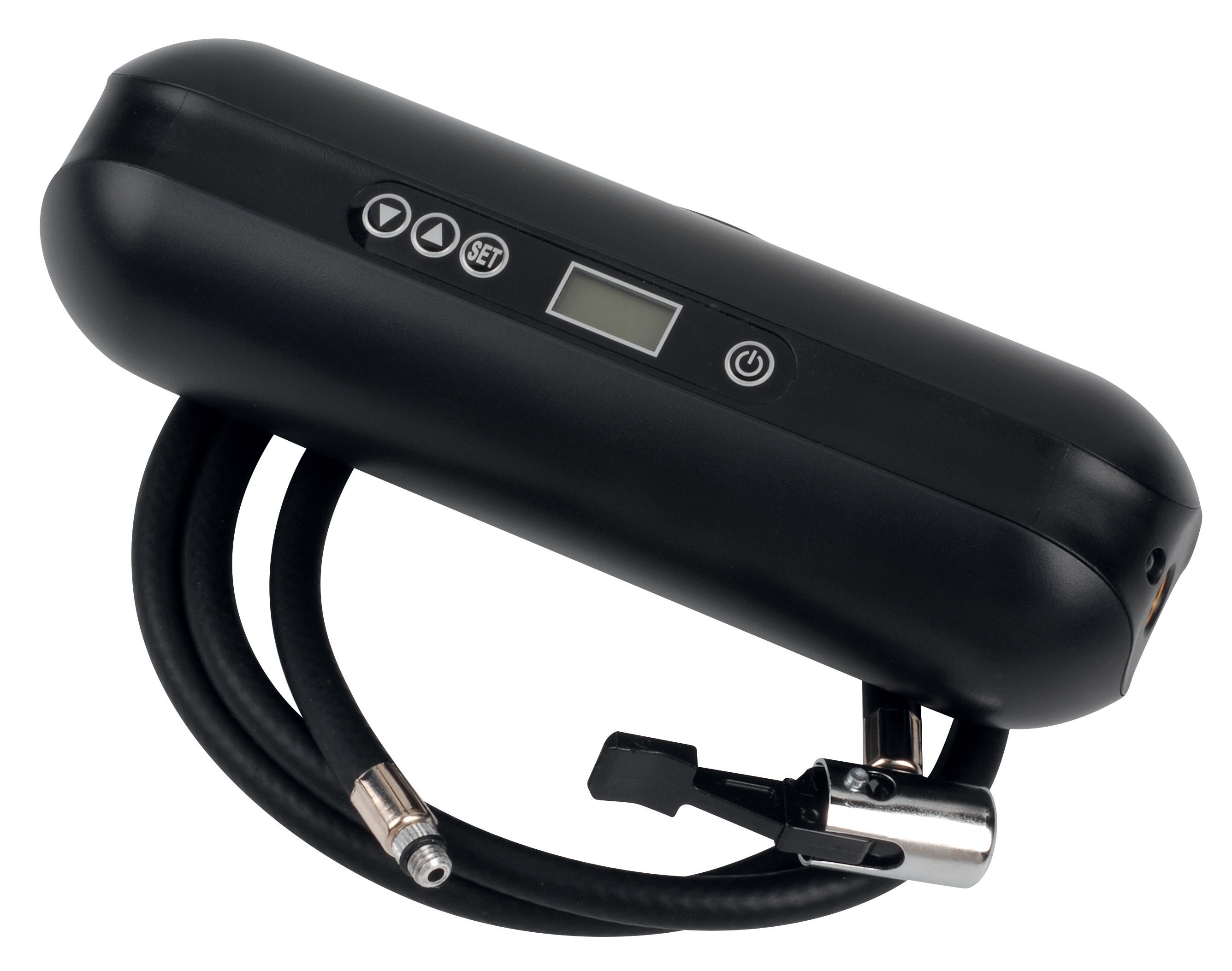
Expansion tanks in closed-loop systems require correct pressurization. The CBM Expansion Tank Inflator Battery 2000 mAH enables maintenance teams to verify tank precharge pressure before system startup. This simple measurement prevents common problems: inadequate precharge causes excessive expansion tank volume consumption; excessive precharge reduces tank effectiveness and increases pressure surges. Quick pressure checks using this inflator before commissioning and annually thereafter maintain system reliability.
Key Takeaways for Maintenance Excellence
Measurement and Detection systems transform maintenance from reactive crisis management to proactive performance optimization. Success requires three elements: appropriate instruments properly selected for specific applications, systematic measurement programs with established baselines and trigger points, and disciplined documentation enabling trend analysis.
Singapore's industrial maintenance teams benefit from 3G Electric's 35-year experience supplying diagnostic equipment. Work with equipment suppliers who understand local conditions—tropical heat, humidity, corrosion challenges—and can recommend instruments rated for demanding environments. Invest in measurement capability that connects to modern building management systems and data platforms, enabling real-time monitoring of critical systems.
Measurement and Detection excellence delivers measurable returns: extended equipment lifespan, reduced emergency maintenance costs, improved energy efficiency, and enhanced safety. By mastering these fundamentals, Singapore maintenance teams position themselves as strategic assets driving operational excellence.