Understanding Measurement & Detection in HVAC Installation
Measurement & Detection represents the foundation of professional HVAC installation work. Unlike troubleshooting or maintenance, installation-focused measurement demands verification at multiple critical points: refrigerant charge, system pressures, expansion tank pre-charge, airflow distribution, and temperature differentials. For HVAC contractors operating across Southeast Asia's diverse climate zones—from humid coastal regions to highland areas with temperature extremes—these measurements become non-negotiable quality checkpoints.
With 35+ years of experience distributing industrial equipment, 3G Electric understands that contractors cannot rely on assumptions about system performance. Southeast Asian installations face particular challenges: high ambient temperatures that stress cooling systems, seasonal humidity variations affecting airflow quality, and diverse building codes across multiple countries. Proper measurement and detection at installation ensures your systems perform as designed, reducing callbacks and protecting your reputation.
This guide focuses specifically on the measurement protocols contractors should implement during installation—before handover to clients. These techniques differ from maintenance measurements because they establish baseline performance data that defines whether your installation meets design specifications.
Critical Pressure Detection Points in HVAC Installation
Expansion Tank Pre-Charge Verification
Expansion tanks represent a critical yet often overlooked measurement point. Southeast Asia's temperature extremes—ambient conditions reaching 35°C+ in cities like Bangkok and Singapore—demand precise tank pre-charge settings. An improperly charged tank leads to system overpressure, failed relief valves, and water damage claims.
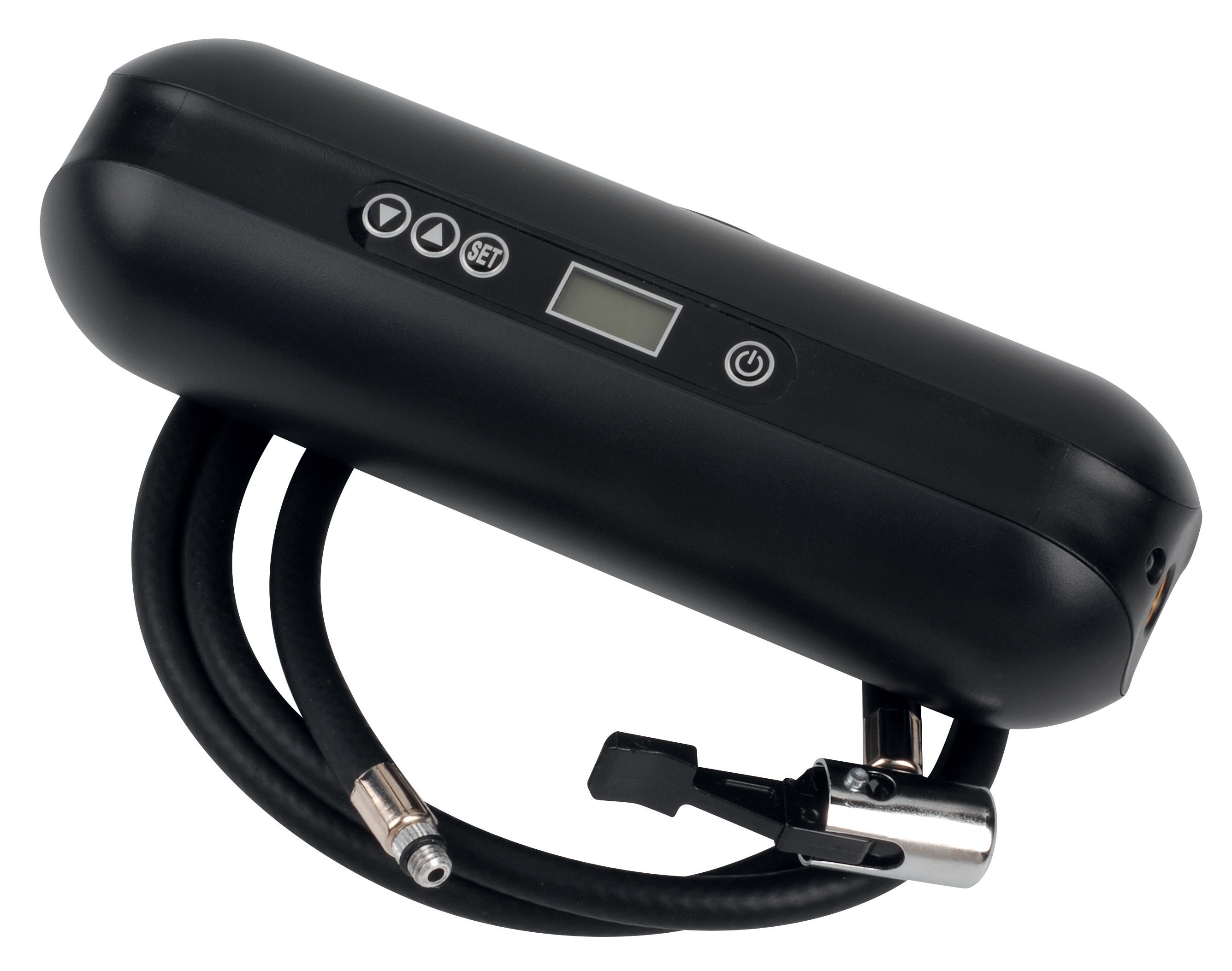
The CBM Expansion Tank Inflator Battery 2000 mAH provides contractors with the precision tool needed for accurate pre-charge measurement. Operating across -20 to 60°C temperature range, this device reads true gauge pressure with support for multiple pressure units—essential when working across countries using different measurement standards. The 10.3 bar maximum rating ensures safe operation while measuring both heating and chilled water systems.
During installation, your procedure should include: measuring atmospheric pressure at job site elevation (critical in highland regions), calculating required pre-charge based on system volume and design specifications, inflating the expansion tank, and documenting the reading. This single measurement prevents costly system failures within months of handover.
Differential Pressure Across System Components
Airflow quality depends entirely on maintaining proper differential pressures across coils, filters, and ductwork. The Dwyer Transmitter 616KD-13V-TC measures differential pressure from 0–1 IN W.C with 21 mA maximum power consumption, providing the precision contractors need for commissioning work.
This transmitter becomes essential when verifying:
- Coil pressure drop to confirm adequate airflow without obstruction
- Filter baseline pressure to establish when replacement becomes necessary
- Duct system balance across multiple branches to ensure even distribution
- Equipment inlet pressures to verify damper and valve positions
Barbed process connections accommodate 3–5 mm tubing common in HVAC installation, making field setup straightforward. During installation commissioning, contractors should measure differential pressure at design airflow conditions, document readings, and establish these baselines in system commissioning reports provided to facility managers.
Static Pressure Measurement for Air Distribution
Airflow measurement in installed HVAC systems requires tools that provide accurate readings within typical installation timeframes. The Dwyer Metal Average Flow Probe MAFS-16 measures static and total pressure across 16 cm probe length, specifically designed for air distribution applications.
This probe enables contractors to verify:
- Supply air velocity confirms ductwork design calculations
- Return air uniformity validates plenum chamber design
- Outlet velocity profiles ensure comfort conditions at air terminals
- System resistance allows calculation of actual fan performance versus design
For Southeast Asian installations serving mixed climates, average flow probes prevent the installation errors that plague systems struggling with humidity control or uneven cooling distribution. Installation commissioning reports should include flow probe measurements showing your system delivers design airflow.
Temperature Detection for System Verification
Direct Temperature Measurement
Temperature measurement during installation extends beyond simple spot checks. The Dwyer Probe AVG PT100 OHM RTD L.65 AVG-21241 provides ±0.6% accuracy at 0°C with operating range from -35.5 to +115.5°C, covering all HVAC measurement scenarios across Southeast Asia.
The flexible copper capillary design allows contractors to position temperature sensors at critical points:
- Chilled water supply/return to verify system Delta-T matches design calculations
- Hot water supply/return in heating-enabled systems to confirm boiler output
- Outdoor air bulb temperature to establish baseline conditions for performance verification
- Supply air temperature after coil to measure sensible cooling capacity
- Return air temperature to calculate system total cooling delivered
Probes mount via flange clips or immersion wells, allowing non-invasive measurement without system shutdown. For Southeast Asian contractors, temperature measurement becomes critical during humid season operations when sensible/latent cooling balance affects occupant comfort. Installation commissioning should include temperature readings under design load conditions.
Pressure-Temperature Relationships
Refrigeration systems require simultaneous pressure and temperature measurement to verify proper operation and refrigerant charge level. While this guide focuses on water-side and air-side measurement, understanding pressure-temperature relationships remains essential. Contractors should measure:
- Suction line temperature versus saturation temperature (superheat)
- Discharge line pressure versus condensing temperature
- Subcooling at receiver outlet
These measurements, combined with pressure readings, confirm refrigerant system health before closing the installation.
Pressure Monitoring for Hydronic System Acceptance
Static Pressure Baseline Documentation
Hydronic systems—chilled water, hot water, and condenser loops—require baseline pressure documentation during installation. The Preciman Stainless Steel Vertical Pressure Gauge D63 0/+40Mbar G1/4 provides ±1.6% accuracy across the low-pressure ranges typical of HVAC hydronic systems.
This gauge enables measurement of:
- System static pressure at pump inlet and outlet to verify pump performance
- Component pressure drops across each major element (coils, valves, strainers)
- Fill pressure during system commissioning to establish design conditions
- Relief valve setting to confirm proper system overpressure protection
The stainless steel construction suits Southeast Asia's humid environments where regular gauges corrode within months. G1/4 connections accommodate standard isolation valve installations. Documentation of baseline pressures provides facility managers reference data for ongoing operations and helps identify future problems through pressure trend analysis.
Seasonal Pressure Changes
Southeast Asian HVAC systems experience dramatic seasonal pressure variations. Cooling systems operating at design conditions during hot season may show reduced pressures during cooler months. Installation commissioning should include pressure readings at:
- Design ambient conditions (during season of maximum load)
- Off-season conditions (to establish winter baseline)
- Full load operation
- Partial load operation
This comprehensive baseline data allows facility managers to distinguish normal seasonal variations from actual system problems, reducing false alarms and unnecessary service calls.
Developing Installation Commissioning Protocols
Documentation Requirements
Professional installation commissioning requires systematic measurement documentation. Your protocol should capture:
Pressure Measurements:
- Expansion tank pre-charge (atmospheric pressure + tank pressure)
- System fill pressure (ambient temperature recorded)
- Component pressure drops (measured across each major element)
- Relief valve setting and response
- Differential pressures across coils and filters
- Chilled/hot water supply and return (recorded at three load conditions)
- Outdoor air bulb temperature (ambient baseline)
- Supply air temperature after coils
- Return air temperature
- Measured Delta-T versus design specification
- System flow rate (calculated from pressure drop and known component characteristics)
- Supply air velocity at multiple locations
- Return air velocity
- Terminal outlet velocity for comfort verification
- Project specifications reviewed
- Measurements compared to design intent
- Deviations identified and corrected
- System performance verified before handover
Regional Variations in Southeast Asia
HVAC installations across Southeast Asia face distinct regional considerations affecting measurement interpretation:
High-Humidity Coastal Regions (Singapore, Ho Chi Minh City, Bangkok): Latent load becomes dominant factor. Installation commissioning should emphasize humidity level measurements alongside temperature data. Chilled water Delta-T may appear lower than design due to dehumidification load.
Highland Installations (Kuala Lumpur, Bangkok elevated areas): Atmospheric pressure reduction affects both refrigerant system performance and air-side measurements. Pressure readings require altitude correction. Design specifications may need adjustment from sea-level baselines.
High-Temperature Urban Areas (Phnom Penh, Yangon): Cooling system pressures run higher than temperate-region design specifications. System safety margins require verification that relief valve settings accommodate local ambient extremes.
Mixed Climate Buildings: Modern Southeast Asian facilities operate year-round, requiring heating and cooling. Installation commissioning must verify both heating and cooling operation at design conditions.
Best Practices for Southeast Asian HVAC Contractors
Equipment Selection for Regional Conditions
Measurement and detection tools must withstand Southeast Asia's operating environment. Specifications to prioritize:
- Temperature operating range accommodating -20 to +60°C (tools from 3G Electric's portfolio cover these extremes)
- Humidity resistance in cases and connectors (stainless steel construction essential)
- Pressure rating exceeding system design by safety margin (10+ bar instruments preferred for 6 bar systems)
- Accuracy within 1.6% for field measurement (laboratory precision unnecessary, field reliability essential)
- Battery capability supporting 2000+ mAH capacity for all-day commissioning work
Measurement Timeline Integration
Installation commissioning measurements should occur at specific stages:
Pre-Fill Phase: Expansion tank pre-charge, component pressure drop testing with compressed air, visual inspection
Fill Phase: Static pressure monitoring during system fill, air bleeding confirmation, expansion tank charge verification
Initial Operation Phase: System startup pressures, pump performance verification, relief valve response testing
Design Load Operation: All pressure and temperature measurements under calculated design conditions
Documentation Phase: Compilation of all measurements into commissioning report for client
This systematic approach prevents measurement errors from rushed procedures and ensures comprehensive baseline data.
Client Communication
Demonstrating measurement and detection expertise builds client confidence. When handing over systems, provide:
- Baseline pressure and temperature readings with explanation of significance
- Design specification comparison showing system performance matches intent
- Seasonal variation expectations (pressure, temperature changes clients may observe)
- Threshold values for normal operation bounds
- Troubleshooting guidance ("if pressure rises above X, contact service")
Clients who understand measurement data become better equipped to identify problems early, leading to fewer emergency calls and stronger contractor reputation.
Conclusion
Measurement & Detection during HVAC installation represents your professional commitment to quality. Southeast Asian contractors operating across diverse climates and standards benefit from systematic measurement protocols that verify system performance before client handover. The tools available through 3G Electric—from expansion tank inflators to pressure transmitters to temperature probes—provide the precision needed for professional commissioning work.
Proper measurement during installation establishes baseline data that serves clients throughout system life. Documented baseline pressures and temperatures enable facility managers to identify degradation trends. Verified airflow and pressure differentials confirm design intent was achieved. Temperature measurements demonstrate system capacity meets requirements.
Investing in quality measurement and detection tools, combined with systematic commissioning protocols, differentiates professional contractors from those cutting corners. For HVAC contractors building reputations across Southeast Asia, measurement and detection excellence becomes the foundation of long-term client relationships and recurring service business.