Understanding Measurement & Detection for HVAC Flow Optimization
Measurement & Detection systems are critical for HVAC contractors who need to verify system performance, diagnose airflow problems, and ensure compliance with building standards. In Singapore's tropical climate with high humidity and demanding cooling requirements, accurate flow measurement directly impacts energy consumption, indoor air quality, and system longevity.
With over 35 years of experience distributing industrial equipment, 3G Electric understands the challenges HVAC contractors face when measuring and detecting flow anomalies. Proper measurement prevents costly callbacks, reduces warranty claims, and builds client confidence in system performance.
Core Measurement & Detection Instruments for Flow Rate Assessment
Understanding Average Flow Probes
The Dwyer Metal Average Flow Probe MAFS-16 is an essential tool for HVAC contractors measuring airflow across ductwork. This probe samples velocity across a 16 cm span, providing representative flow measurements rather than point readings that may miss low-velocity zones.
Why contractors need average flow probes:
- Detects dead zones in ductwork that reduce system efficiency
- Verifies proper air distribution across multiple terminals
- Identifies blockages or duct damage affecting performance
- Validates commissioning work before system handover
When installing an average flow probe, select a duct section at least 5 duct diameters downstream from any bends or fittings to ensure stable, fully developed flow. This measurement point gives you reliable baseline data for future comparison.
Differential Pressure Measurement
The Dwyer Transmitter 616KD-13V-TC measures differential pressure across filters, coils, and ductwork branches—critical for understanding system resistance and fan performance. This transmitter outputs proportional signals to building management systems, enabling real-time monitoring.
Practical applications for contractors:
- Monitor filter loading and schedule replacement before performance drops
- Verify balanced airflow across multiple zones
- Detect coil icing or fouling before system breakdown
- Validate VAV box operation during commissioning
In Singapore's humid environment, filter pressure differential monitoring prevents moisture-related failures by ensuring filters are changed before microbial growth occurs.
Visual Pressure Monitoring
The Preciman Stainless Steel Vertical Pressure Gauge D63 0/+40Mbar G1/4 provides immediate visual feedback without electronic interfaces. For low-pressure HVAC applications, this analog gauge is invaluable during troubleshooting when you need instant readings without waiting for sensor responses.
When to use analog gauges in field work:
- Rapid pressure checks on expansion tanks and accumulator vessels
- Verification during filter changes and maintenance
- Backup measurement when digital systems fail
- Quick diagnostics at job sites without equipment setup time
The stainless steel construction ensures durability in Singapore's coastal humidity, with minimal maintenance compared to standard steel gauges that corrode quickly.
Measurement & Detection Workflow for HVAC System Commissioning
Pre-Startup Verification
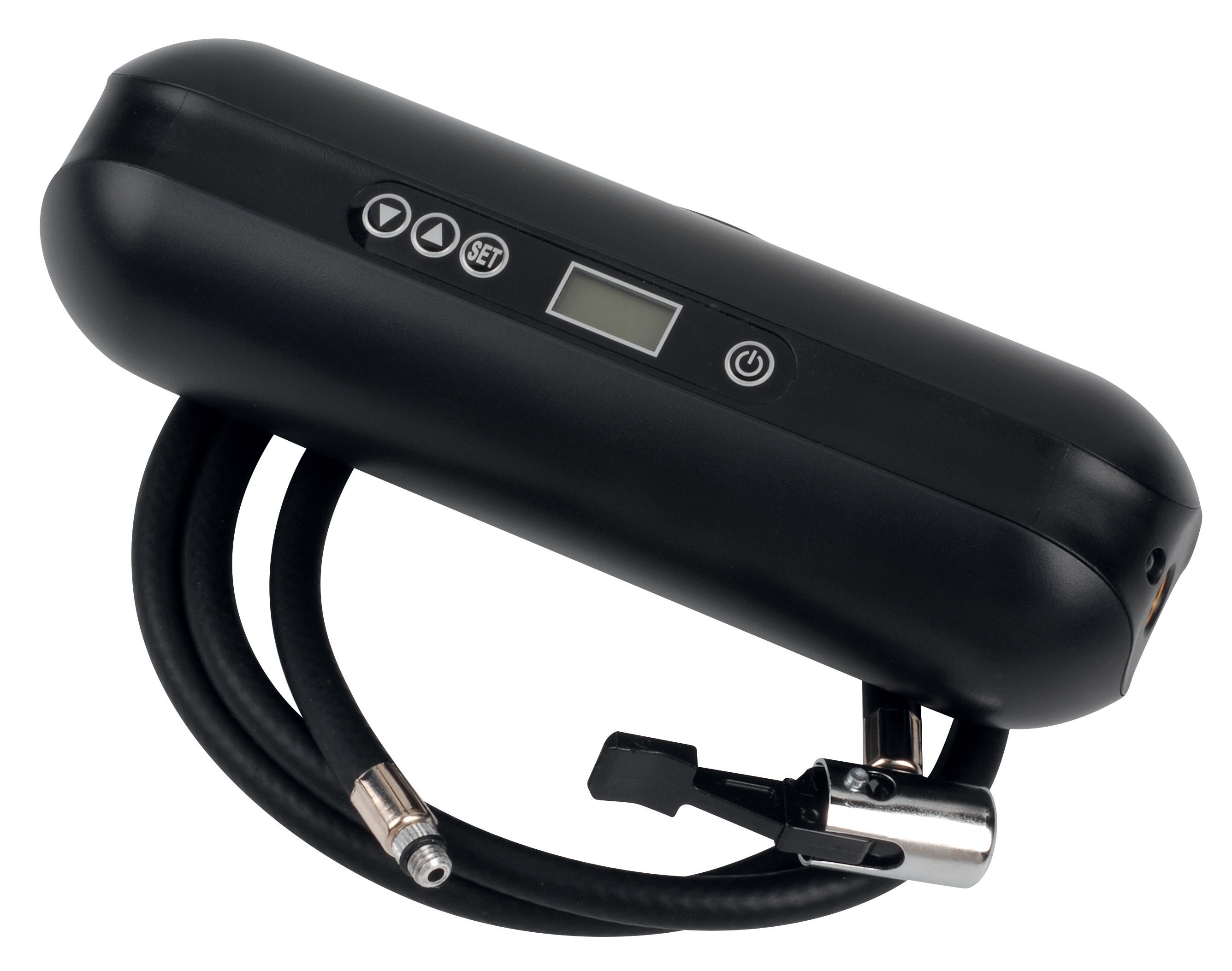
Before energizing any HVAC system, contractors must verify pressure settings and expansion tank charging. The CBM Expansion Tank Inflator Battery 2000 mAH allows safe, accurate tank pressurization without dependence on workshop compressors.
Commissioning workflow:
1. Isolate the expansion tank and depressurize completely
2. Use the inflator to establish correct pre-charge pressure (typically 0.5–0.7 bar below minimum system pressure)
3. Record baseline pressure for future comparison
4. Document all measurements for maintenance records
The 2000 mAH battery capacity supports multiple inflations across a full commissioning day. Its wide operating range (-20 to 60°C) handles Singapore's temperature extremes, from air-conditioned spaces to sun-exposed equipment rooms.
Flow Rate Documentation
Using the average flow probe, establish baseline airflow measurements at each supply terminal, return grille, and exhaust point. Create a commissioning report documenting:
- Measured flow rate at each point (m³/s or CFM)
- Design flow rate from engineering drawings
- Variance percentage (acceptable tolerance ±10% for VAV systems)
- Location, date, and system conditions during measurement
This baseline becomes the reference point for future diagnostics. When a contractor returns to a job site with airflow complaints, comparing current measurements to baseline data identifies whether the problem is blockage, fan wear, or control issues.
Temperature Measurement Integration
The Dwyer Probe AVG PT100 OHM RTD L.65 AVG-21241 measures supply and return air temperatures with ±0.6% accuracy. Combined with flow measurements, temperature data confirms system energy delivery:
Energy verification formula:
Energy (kW) = Flow Rate (m³/s) × Air Density (1.2 kg/m³) × Specific Heat (1006 J/kg·K) × Temperature Difference (°C) ÷ 1000
For Singapore's cooling-dominant climate, tracking this relationship shows whether the system delivers the contracted cooling capacity.
Troubleshooting Common Flow and Pressure Issues
Low Airflow Diagnosis
When a client reports weak cooling or uneven temperatures, systematic measurement pinpoints the cause:
1. Check filter pressure using the differential pressure transmitter
- Pressure drop > 250 Pa indicates clogged filter needing replacement
- Normal operation: 50–100 Pa across clean filter
2. Measure duct static pressure with the analog gauge
- Supply ductwork static pressure should match fan output rating
- Negative return pressure indicates duct leakage
3. Verify flow at problem area using the average flow probe
- Compare to original commissioning data
- Check for new obstructions or damper positioning
4. Document temperature across the system
- Reduced evaporator temperature difference suggests coil fouling
- Abnormal supply temperature indicates sensor drift or control failure
Systematic measurement transforms vague complaints ("system isn't cooling well") into specific repairs ("evaporator coil requires chemical cleaning, filter needs replacement, VAV damper stuck at 60% opening").
Pressure Imbalance Detection
Multi-zone systems often develop pressure imbalances causing poor control and high-velocity noise. Using the differential pressure transmitter across branch ducts identifies which zones require damper adjustment or ductwork modification.
For expansion tank systems, the inflator battery enables quick re-pressurization after maintenance, preventing the air-in-system problems that cause pump cavitation and noise.
Documentation and Compliance
Singapore's building standards require documented system performance verification. Contractors who maintain detailed measurement records demonstrate professional compliance and protect themselves from performance disputes.
Records to maintain:
- Commissioning flow measurements for all terminals
- Pre-charge pressures for expansion tanks (with date and technician)
- Filter pressure monitoring logs
- Temperature differential readings across coils
- Any deviations from design specifications and corrective actions taken
Digital photos of gauge readings combined with written notes create defensible documentation when contractors must prove they left systems in proper working condition.
Measurement & Detection Best Practices for Singapore HVAC Work
Equipment maintenance in tropical conditions:
- Inspect pressure gauges monthly for moisture inside the case
- Store inflators and transmitters in dry, climate-controlled spaces
- Check probe calibration annually, especially RTD sensors exposed to humid return air
- Keep probe capillaries protected during transport to prevent kinking
- Take readings after system stabilization (minimum 15 minutes operation)
- Measure during typical occupancy conditions, not extremes
- Record ambient temperature during outdoor air testing
- Document system operating mode (cooling/heating/mixed)
- Ensure all technicians understand measurement units and conversions
- Train staff on proper probe placement for representative readings
- Establish standard procedures for all measurement tasks
- Review measurement data trends monthly to catch early degradation
3G Electric's 35+ years of experience supporting HVAC contractors means our team understands the specific measurement challenges in Singapore's climate and market. We provide not just equipment, but guidance on proper application and maintenance protocols.
Conclusion
Measurement & Detection capabilities transform HVAC contractors from reactive repairers to diagnostic professionals. Accurate flow rate measurement, pressure monitoring, and temperature verification create the data foundation for efficient commissioning, effective troubleshooting, and documented compliance.
Invest in quality instruments that survive Singapore's humid conditions, establish systematic measurement procedures, and maintain detailed records. This approach reduces callback rates, improves customer satisfaction, and builds your reputation as a professional contractor who delivers verified, optimized system performance.