Understanding Measurement & Detection Environmental Drift in Tropical Climates
Measurement & Detection systems deployed in Singapore's hot, humid environment experience unique challenges that procurement engineers must anticipate during specification and maintenance planning. Unlike temperate regions, Singapore's consistent high temperatures (24-34°C year-round), high humidity (75-90%), and seasonal pressure variations create compounding effects on sensor accuracy that manufacturers' standard specifications often underestimate.
3G Electric's 35+ years of experience distributing industrial equipment across Asia-Pacific operations has revealed that environmental compensation represents the third-leading cause of measurement system failures—after installation defects and calibration drift. Understanding how temperature affects sensor zero-point, span, and sensitivity enables procurement engineers to select appropriate equipment and establish realistic maintenance intervals.
The critical insight: most Measurement & Detection failures in tropical environments are not equipment failures but rather compensable environmental effects that procurement strategies can mitigate through proper sensor selection, installation practices, and diagnostic procedures.
Temperature Effects on Pressure Transmitters and Expansion Tank Monitoring
Differential pressure transmitters like the Dwyer 616KD-13V-TC exhibit two primary temperature-dependent behaviors: zero-point shift and sensitivity drift. In Singapore's climate, a pressure transmitter calibrated at 22°C morning commissioning may read 2-3% high by 14:00 when ambient approaches 32°C without active cooling.
Zero-Point Temperature Coefficient occurs when the electronic zero reference changes with temperature. For the Dwyer 616KD-13V-TC operating in 0-1 IN W.C. range, typical specifications cite ±0.5% of span per 10°C deviation. In Singapore warehouses reaching 38°C during peak afternoon hours, this translates to potential ±1.5% zero drift alone—significant when monitoring low-pressure HVAC systems where measurement uncertainty directly impacts comfort control.
Span Temperature Coefficient represents the reduction in measurement sensitivity at elevated temperatures. Silicon-based pressure sensors exhibit approximately 0.1% per °C span sensitivity change. A system commissioned in air-conditioned server rooms (22°C) then relocated to mechanical rooms without temperature control experiences measurable accuracy loss within 24 hours of operation.
Practical Diagnostic Procedure:
1. Record transmitter output at three timestamps: 06:00 (coolest), 14:00 (hottest), 22:00 (cooling cycle)
2. Compare readings to known stable reference pressure source (manual pressure gauge or calibrated standard)
3. Calculate drift rate: [(Reading at 14:00 - Reading at 06:00) ÷ Reference Pressure] × 100
4. If drift exceeds ±1%, verify actual sensor temperature against stated ambient temperature—tropical equipment often operates 3-5°C above room temperature due to solar exposure or mechanical room heat
5. Apply published temperature compensation formulas from transmitter documentation, or contact 3G Electric's technical team for environmental correction calculations
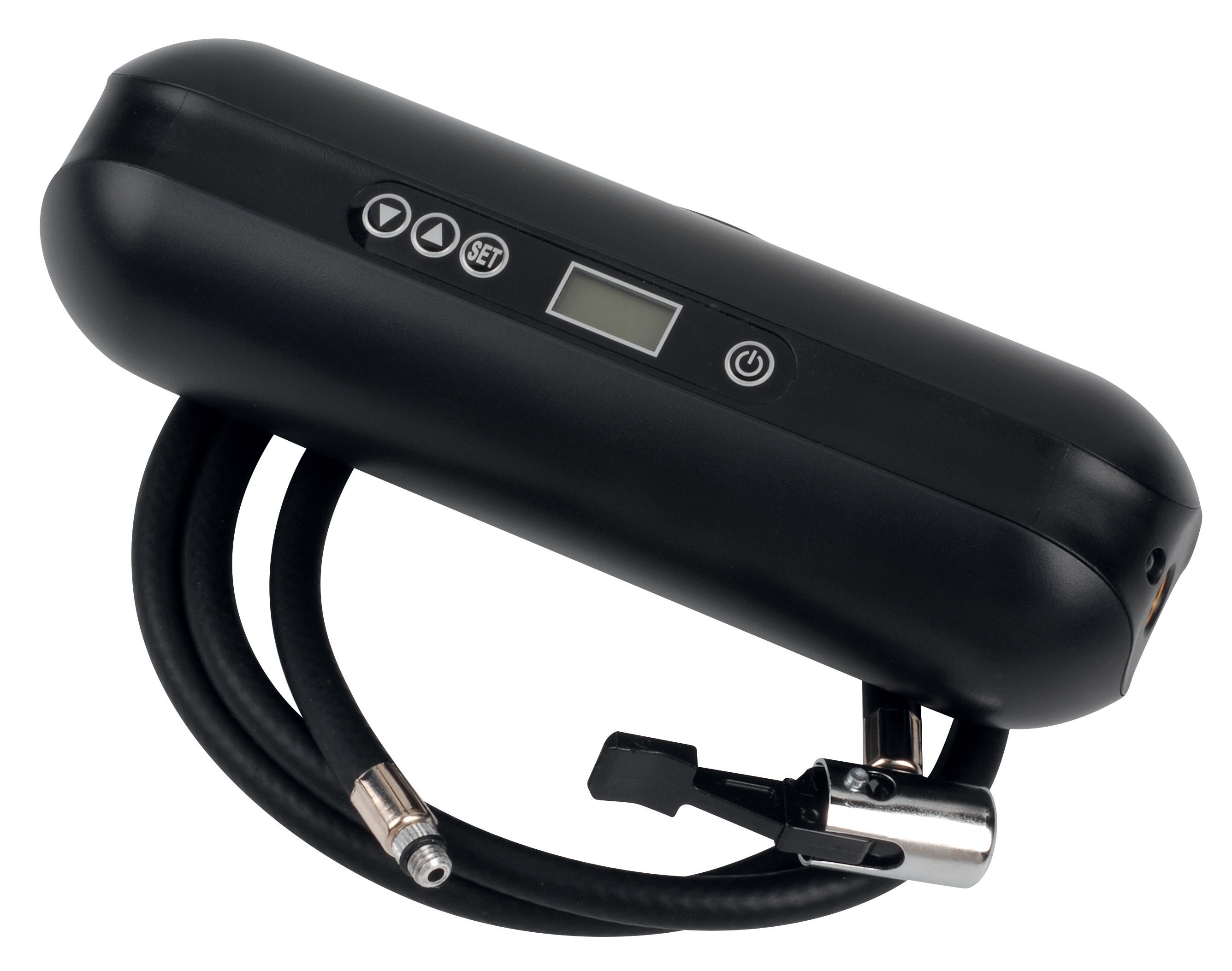
The CBM Expansion Tank Inflator represents a secondary measurement concern: battery performance degradation in high-temperature environments. The 2000 mAH battery rated for -20 to 60°C operation loses approximately 15% capacity at sustained 35°C temperature versus specifications at 25°C. Procurement engineers should plan 20% more frequent re-checks (every 6 months instead of 8) in tropical climates to maintain accurate expansion tank pre-charge pressure readings.
Humidity Interference in RTD Temperature Probes and Electrical Systems
Temperature measurement sensors using PT100 RTD probes appear resistant to humidity, but moisture creates two failure mechanisms: electrical leakage paths in connector terminals and corrosion of copper capillary connections.
The Dwyer PT100 OHM RTD probe with flexible copper capillary exhibits ±0.6% accuracy specification at 0°C in dry conditions. However, Singapore's 80%+ relative humidity creates condensation cycles in uninsulated junction boxes, particularly in mechanical rooms where morning air-conditioning reduces temperatures, then afternoon solar heating rapidly warms exterior surfaces.
Electrical Leakage Current develops when condensed moisture bridges terminal contacts, creating parasitic resistance paths that reduce measurement accuracy of low-resistance RTD elements. A PT100 probe measuring 100 ohms at 0°C (by definition) experiences 10-15% apparent resistance increase when humidity-induced leakage shunts current through moisture films on terminal blocks. This manifests as 5-7°C apparent temperature increases, triggering false control system alarms.
Copper Capillary Corrosion occurs at solder joints and crimped connections where the flexible capillary connects to the RTD element. Chloride-laden air in coastal Singapore (within 50 km of port facilities) accelerates this mechanism. Procurement engineers managing equipment near port areas should specify stainless steel capillaries (+15% cost) instead of copper to extend probe life from 5 years to 8+ years.
Environmental Compensation Diagnostics for RTD Systems:
1. Measure probe resistance directly using digital multimeter ohm setting—legitimate PT100 probes should read 100 ± 0.4 ohms at 0°C ice bath verification
2. Expose probe to 95% relative humidity chamber for 4 hours (simulate worst-case tropical overnight condensation)
3. Measure resistance again at identical temperature—degradation exceeding 1 ohm indicates moisture contamination in junction box
4. Open terminal enclosure and inspect for moisture, white corrosion deposits, or salt residue
5. Apply silica gel desiccant packets rated for tropical climates (rechargeable units recommended to avoid replacement costs)
6. Seal all openings with M20 cable glands rated IP67 minimum—standard industrial enclosures often provide insufficient protection against tropical humidity ingress
Barometric Pressure Compensation for Differential Measurement Systems
The Dwyer MAFS-16 average flow probe measures static and total pressure to calculate velocity pressure, then derives flow rate. Singapore's tropical storm systems create barometric pressure swings of ±8-12 mbar within 6-hour periods—significant relative to the probe's measurement range in low-pressure HVAC systems.
A flow measurement system calibrated during normal barometric pressure (1013 mbar) reads 3-4% low during pre-storm low-pressure events (1001 mbar) without barometric compensation. Control systems interpreting this as reduced airflow trigger damper repositioning or fan speed increases, wasting energy and introducing comfort variability.
Multi-Pressure Measurement Strategy for Procurement Engineers:
1. Specify installation of barometric pressure reference sensor at system inlet (alongside flow measurement points)
2. Configure building management system to calculate actual velocity pressure: VP_actual = (VP_measured) × [(P_measured) ÷ (P_calibration_reference)]
3. Conduct monthly barometric compensation verification: record flow readings during morning (typically high pressure) and evening (typically lower pressure) periods
4. If flow variance exceeds ±2% during identical operating conditions, apply calculated correction factors to control system logic
5. Document barometric compensation coefficients for each measurement location—tropical facilities typically require location-specific corrections that differ from manufacturer defaults calibrated in temperate climates
For facilities utilizing the Preciman Stainless Steel Vertical Pressure Gauge, note that glycerin-filled gauges (recommended for vibration environments) experience viscosity changes in tropical heat. Glycerin thins at high temperatures, causing needle response speed to increase 15-20%—often misinterpreted as improved gauge performance when actually degraded measurement stability. Manual pressure readings show greater fluctuation, making commissioning verification more difficult.
Practical Maintenance Schedule for Tropical Measurement & Detection Systems
Procurement engineers should establish environment-specific maintenance intervals reflecting Singapore's climate effects rather than adopting temperate-climate defaults:
Quarterly Activities (vs. Annual in Temperate Regions):
- Visual inspection of sensor junction boxes for condensation or salt deposits
- Desiccant replacement in enclosed terminal blocks (rechargeable silica gel recommended)
- Temperature drift verification against calibrated reference instruments
- Photographic documentation of corrosion progress at copper connections
- Professional calibration of differential pressure transmitters with environmental chamber testing
- RTD probe ice-bath verification and electrical insulation resistance measurement (minimum 100 megohms acceptable, target 500+ megohms in dry conditions)
- Barometric compensation coefficient recalculation based on actual measured weather station data
- Battery capacity testing for portable Measurement & Detection equipment—the CBM Expansion Tank Inflator should demonstrate 90%+ charge retention after 6 months of storage in tropical conditions
- Replacement of thermowells and protective sealants on exposed sensors
- Recalibration verification of mechanical pressure gauges (Preciman units) with comparison against digital reference standards
- Replacement of flexible conduit seals at cable entry points to prevent moisture ingress
3G Electric's technical support team can assist procurement engineers in establishing climate-corrected maintenance schedules specific to your facility's location and equipment configuration. Our 35+ years managing industrial equipment across variable global climates ensures recommendations account for regional environmental patterns that equipment manufacturers often underestimate in tropical zones.
Specification Recommendations for High-Performance Tropical Measurement & Detection
When procuring new equipment for Singapore environments, procurement engineers should prioritize:
1. Environmental Grade Ratings: Specify IP67 minimum for all electrical connections; IP69K for facilities with high-pressure washdown operations
2. Temperature-Compensated Electronics: Select transmitters with active temperature compensation circuits (typically 0.1%/°C residual drift vs. 0.5%/°C uncompensated units)
3. Stainless Steel Wetted Paths: Choose materials rated for marine chloride environments rather than standard industrial brass
4. Integrated Desiccant Systems: Modern enclosures feature passive desiccant cartridges; ensure specifications include tropical-rated units with higher absorption capacity
5. Calibration Documentation: Request manufacturer-supplied calibration curves across -10 to +50°C range (not just nominal 20°C) to support environmental compensation calculations
3G Electric stocks environmental-grade versions of all major Measurement & Detection equipment, with procurement teams experienced in tropical specification requirements.